
CDC Ebola Flight Attestation Rule | U.S. Air Cargo Sellers Impact 2025
- Affects air cargo and passenger-carried shipments for U.S.-bound sellers with Central Africa links, with capacity delays likely in the weeks following the November 3, 2025 effective date
Overview
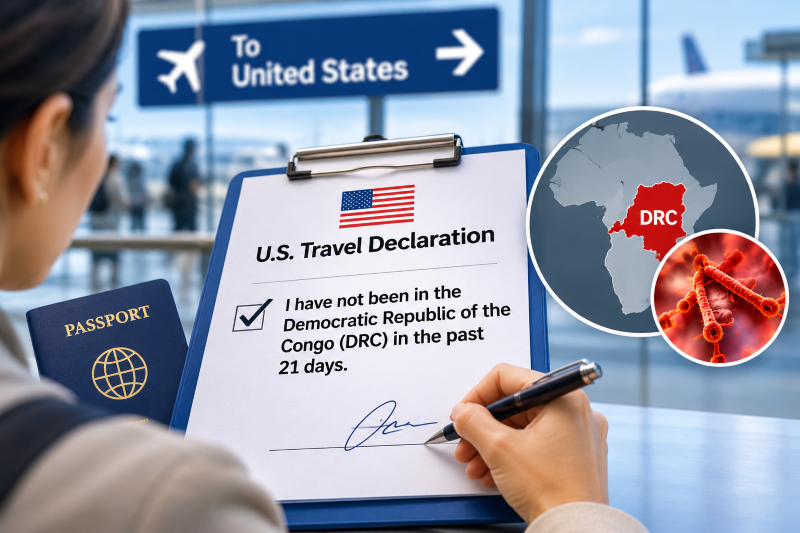
The U.S. Centers for Disease Control and Prevention (CDC) introduced a new attestation requirement effective 11:59 PM EST on Tuesday, November 3, 2025, under which international travelers flying into the United States must sign a statement confirming they have not been in the Democratic Republic of the Congo (DRC) within the past 21 days, with boarding denied without a signature. For cross-border sellers, the rule adds documentation friction to passenger-carried product flows and air cargo operations touching the U.S., particularly for businesses with sourcing or operational links to Central Africa. The news reports that the measure covers commercial flights, private jets, general aviation, and cargo planes, including connecting passengers who remain on board.
The operational impact centers on airlines and ground handlers, who must implement passenger verification at check-in and boarding, adding processing time that can ripple into air freight scheduling. Industry data shows that air cargo capacity is often the first constraint to tighten during disruptions, so sellers shipping time-sensitive SKUs such as cosmetics, electronics, or perishable goods via air should expect possible rebooking delays and tighter cut-off windows. The news reports that Airlines for America and the International Air Transport Association (IATA) asked the CDC to reconsider the deadline and scope, but the order reportedly stands, meaning sellers should plan as though the rule is in force. Travel-related sellers, including luggage, travel accessories, and health kit retailers, may see shifts in booking and documentation demand.
Specifically for sellers, the affected segment is small and mid-sized importers that rely on passenger belly-hold or mixed air capacity for U.S.-bound shipments, rather than large sellers using dedicated freighters. Regional distinctions matter: sellers in the US and those shipping from Africa to the U.S. face the most direct exposure, while EU and Asia Pacific sellers face indirect effects through capacity constraints. The news notes that over 10,200 Ebola cases had been confirmed in the DRC as of October 27, with nearly 5,000 deaths, and the State Department has issued a Level 4 Do Not Travel advisory. The CDC states the risk to the U.S. is low and no U.S. cases have been reported, so the measure should be viewed as a screening window based on the 21-day incubation period rather than a broad trade ban. Sellers should monitor further CDC updates, as scope may change in response to airline feedback or epidemic developments.
Questions 3
What documentation should travel-related sellers prepare for U.S.-bound customers?
Travel-related sellers may see customers ask about attestation requirements, since the news reports parents, guardians, or authorized persons must sign for minors and for adults unable to sign due to disability. Sellers of travel accessories, health kits, or documentation folders can add clear product descriptions explaining the requirement without making medical claims. Giving false or misleading information can lead to criminal prosecution, fines, or imprisonment, so sellers should avoid any marketing that implies official approval. Monitoring CDC updates is recommended as the scope may change.
Should I change my air cargo plans for U.S.-bound shipments after the CDC Ebola rule?
The CDC rule took effect at 11:59 PM EST on November 3, 2025, and the news reports that airlines and IATA requested changes, but the order reportedly stands, so sellers should plan as if it applies. Passenger-carried and belly-hold capacity may face check-in delays, so sellers relying on mixed passenger flights should book earlier and add buffer days. Sellers using dedicated freighters are less exposed, though monitoring carrier notices remains essential. Industry patterns suggest capacity tightening often lasts several weeks during such disruptions.