
Cold-Chain Cyberattacks Hit Europe Stores | Seller Risk Guide 2025
- Reported losses reach 270,000 euros at two Alsace markets, putting temperature-sensitive inventory and 3PL cold storage at risk
Overview
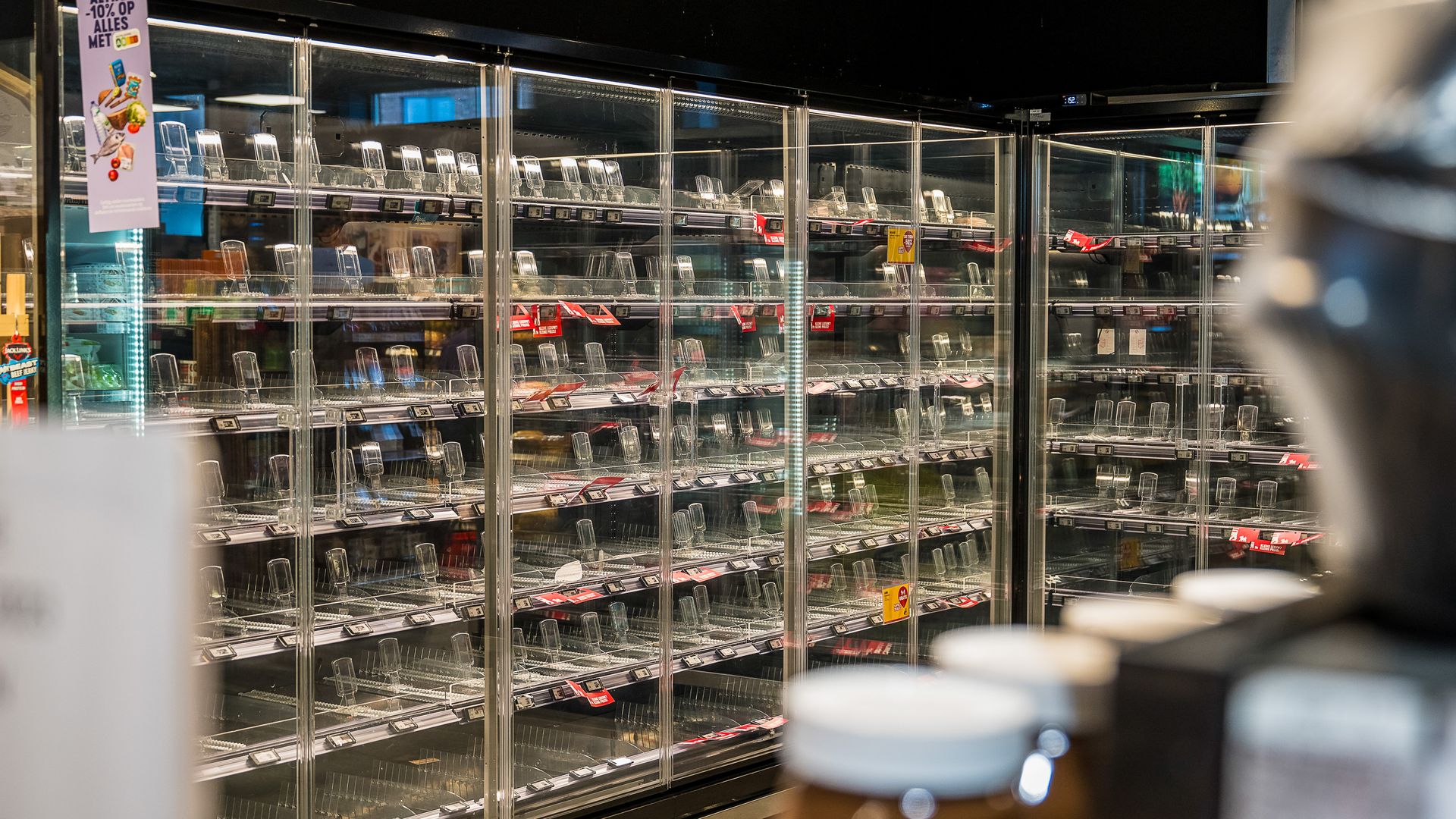
The news reports that suspected cyberattacks disrupted refrigeration systems at dozens of European supermarkets overnight, with Ahold Delhaize, Colruyt, ICA and Coop among affected chains across Belgium, Luxembourg, Sweden, Estonia, Finland, Ireland and the Netherlands. Hackers reportedly set one ICA refrigerator and freezer to 122F and switched Delhaize units into defrost mode, while some stores discarded spoiled food. For cross-border sellers, the core finding is that remotely managed cold-chain infrastructure is now a live attack surface, and temperature-sensitive inventory held in third-party facilities carries uncompensated operational risk.
The attack vector is internet-connected refrigeration controllers, not the goods themselves. Many stores use networked controllers that let maintenance staff monitor temperatures remotely, and the report says hackers exploited software flaws or stolen login credentials. In the Netherlands, some affected systems used default passwords and unsecured networks. Danish manufacturer Danfoss said it identified security flaws last year and had long urged customers to install updates, which indicates that patch-management gaps, not novel exploits, drove much of the exposure. Copeland controllers and Danfoss monitoring systems are also sold in the U.S., so comparable configurations exist there.
Financial exposure is material and uneven. Reported losses include more than 130,000 euros at some French stores, 270,000 euros combined at two Alsace markets, and tens of millions of euros nationally for Intermarché's parent. Estonia's response within minutes limited damage, which suggests response speed is a measurable control. The Pentagon is investigating possible freezer malfunctions at at least six U.S. military commissaries in August. Specifically for sellers, the operational impact falls on fulfillment partners and cold-storage 3PLs serving grocery-adjacent, supplement, beauty-with-temperature-limits and food categories.
An AI-driven approach can reduce this exposure. Sellers can deploy anomaly detection on warehouse temperature telemetry, alerting on deviations within minutes rather than hours, and use automated SLA scoring to compare 3PL cold-chain security practices. Industry data shows that temperature excursions typically go undetected for hours in manual monitoring setups, so automated alerting can materially shorten loss windows. No attribution has been confirmed, and the situation remains developing.
Questions 4
Is the U.S. grocery cold chain at similar risk to Europe?
The report notes many U.S. supermarkets use similar refrigeration technology, including Danfoss monitoring systems and Copeland controllers for display cases and walk-in units. The Pentagon is investigating possible freezer malfunctions at at least six U.S. military commissaries in August, but no attribution has been confirmed. U.S. sellers using cold storage should verify controller firmware versions and require vendors to confirm patch status before the next contract renewal.
Should 3PL cold storage be reviewed after European refrigeration cyberattacks?
Yes, sellers holding temperature-controlled inventory in third-party facilities should review warehouse security now. The news reports that suspected attacks hit dozens of European supermarkets overnight, with one ICA refrigerator set to 122F and some stores discarding spoiled food. Ask your 3PL whether controllers are patched, use changed default passwords, and sit on segmented networks. Request written cold-chain incident response times, similar to Estonia's technicians who responded within minutes.