
Russian Oil Hub Fire Signal | Freight Cost Watch for Sellers
- Potential fuel-linked freight pressure on Eastern Europe and Central Asia lanes affects small sellers with thin margins
Overview
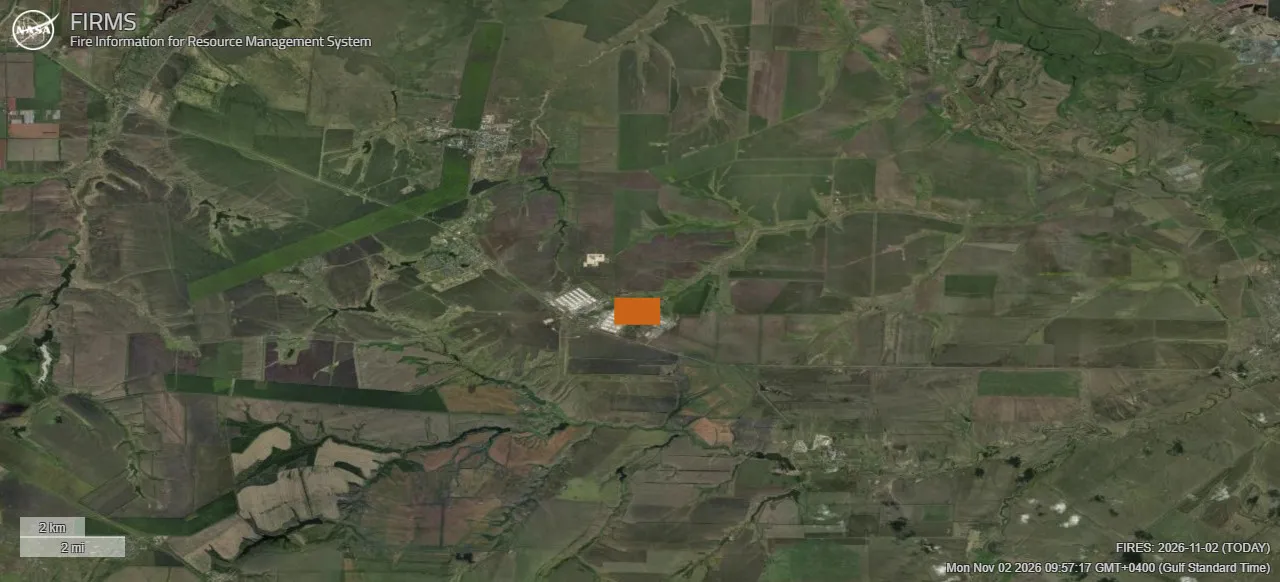
NASA FIRMS satellite data flagged a fresh heat anomaly at a major Russian crude-pumping station and storage site near Samara, about 860 kilometers southeast of Moscow, in an event reported by Bloomberg on November 2, 2026. The signal is a potential fire indicator, not confirmed burning, and no official confirmation from Russian or Ukrainian authorities has been published. For cross-border sellers the development is an indirect signal rather than a change to any platform policy, customs rule, or sanctions regime.
Energy infrastructure disruption can transmit into freight costs before it reaches consumer prices. Regional fuel supply tightness typically lifts diesel-linked surcharges for road and rail carriers serving Eastern Europe and Central Asia. Industry data shows fuel surcharges are often reset monthly or weekly by carriers, so a sustained supply shock can add cost within one to two billing cycles. Sellers using DHL Global Forwarding, FedEx, or regional road carriers on Russia-adjacent lanes should expect surcharge notices first, and should not assume immediate rate changes from a single satellite report.
The exposure is concentrated in specific corridors and seller segments rather than across the whole marketplace. Sellers shipping bulky goods such as home textiles, small appliances, or automotive accessories by road into Kazakhstan, Georgia, or Eastern European hubs carry the most fuel-linked cost sensitivity. Sellers on Amazon Global, Temu, or Shein fulfilment programs typically do not see the freight line directly, but may face delayed inbound transit times if carriers reroute or add capacity buffers. Small sellers with thin margins on sub-$20 items are most exposed, where a 3-5% freight increase can erase contribution margin. Larger sellers with multi-carrier contracts can usually absorb such moves through index-linked clauses.
The event also reflects a wider pattern of energy infrastructure risk that sellers should track alongside existing logistics indicators. Looking at platform data, freight and fuel signals are more reliable when cross-checked against carrier advisories, customs clearance times, and port dwell data rather than a single news item. Further reporting is needed to confirm damage scope, duration, and any effect on regional fuel supply before sellers change pricing or sourcing decisions.
Questions 4
Should sellers shipping to Kazakhstan or Eastern Europe adjust freight budgets now?
Sellers on Russia-adjacent lanes should monitor fuel surcharge notices from carriers over the next one to two billing cycles rather than adjust budgets immediately. The report links the heat signal to renewed Ukrainian strikes but does not quantify storage volumes, throughput, or outages. Industry data shows carriers often reset surcharges monthly, so a 3-5% freight uplift is a reasonable planning range for thin-margin bulky goods. Re-run landed cost models only if surcharge notices actually appear.
Does the Samara oil hub fire directly change Amazon or Shopify seller fees?
No direct change to Amazon Seller Central fees or Shopify plan pricing has been reported. The news reports only a potential heat anomaly at the Samara station, sourced from NASA FIRMS satellite imagery taken on November 2, 2026, and does not confirm burning or damage. Sellers should treat this as an indirect signal and watch carrier advisories rather than platform notices. Any fee change would come through official platform announcements, not from this event.