

Cross-Border Cybercrime Crackdown Reveals Geopolitical Chess Match in Southeast Asia
- Myanmar's scam center dismantling exposes complex regional power dynamics and international criminal networks



















Overview
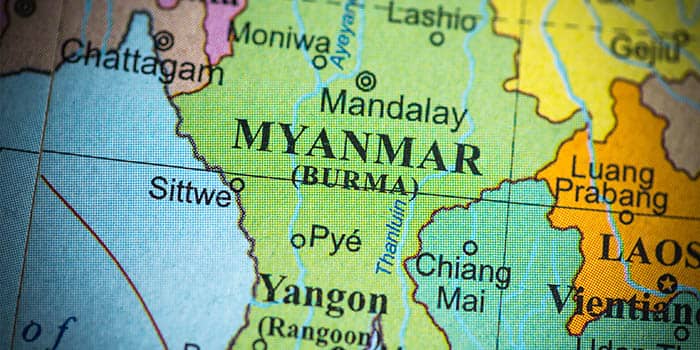
The ongoing crackdown on cross-border cybercrime networks along the Thai-Myanmar border represents far more than a simple law enforcement operation—it's a sophisticated geopolitical maneuver with profound strategic implications. Myanmar's military regime is conducting a calculated performance of anti-scam efforts, strategically balancing international pressure, domestic perception, and complex regional relationships.
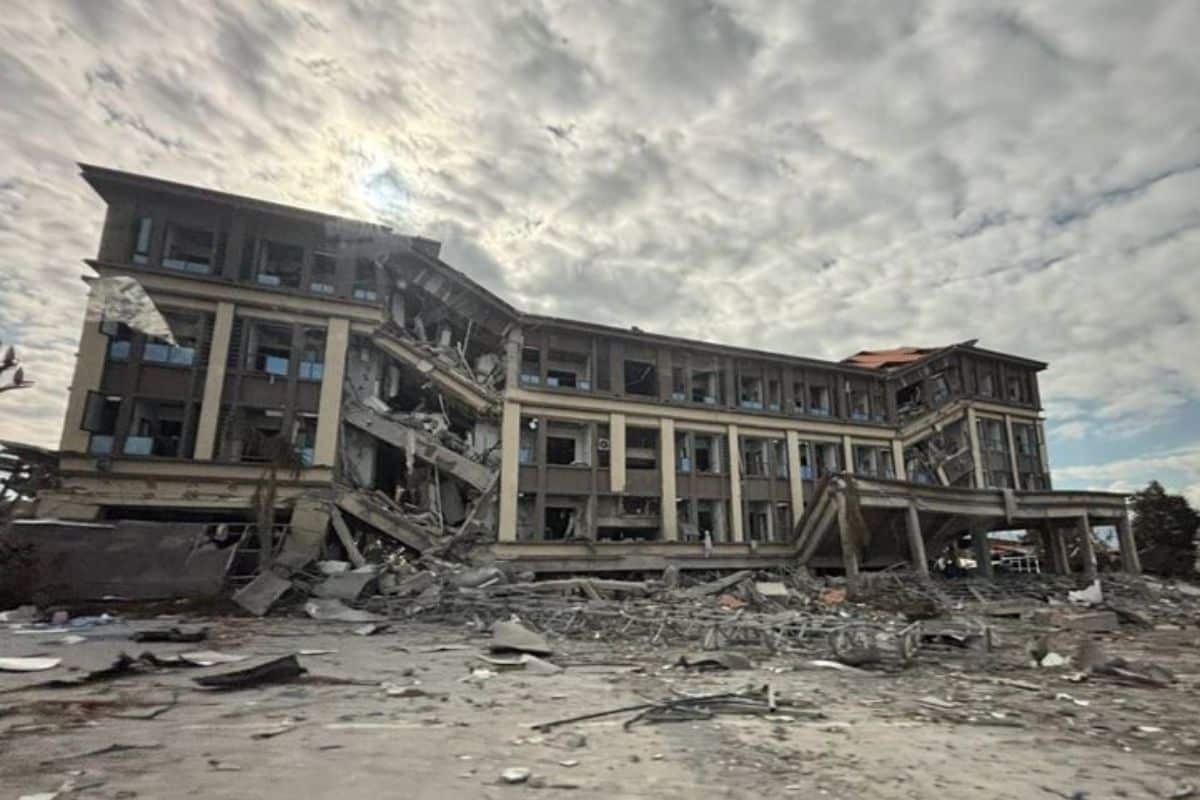
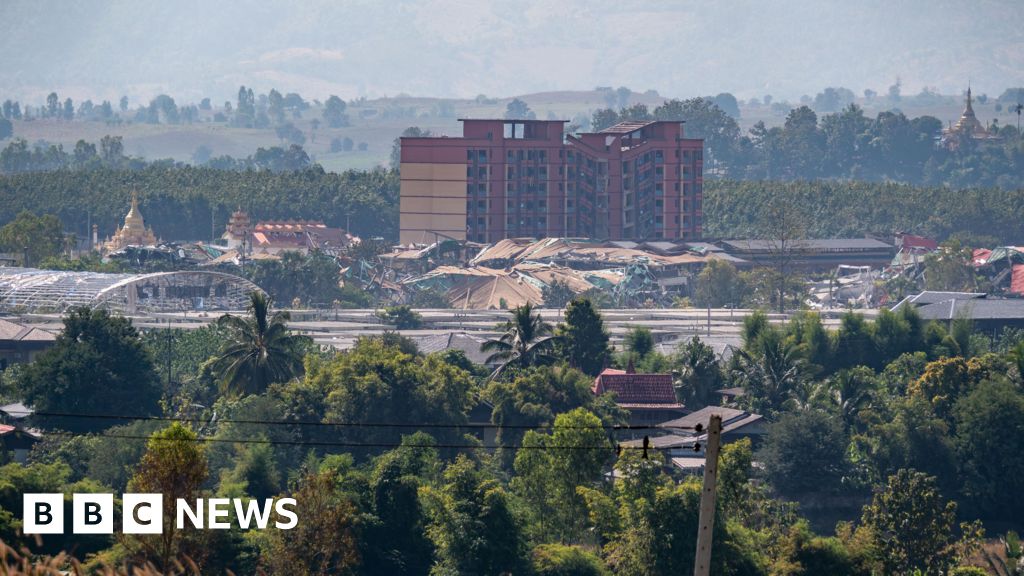
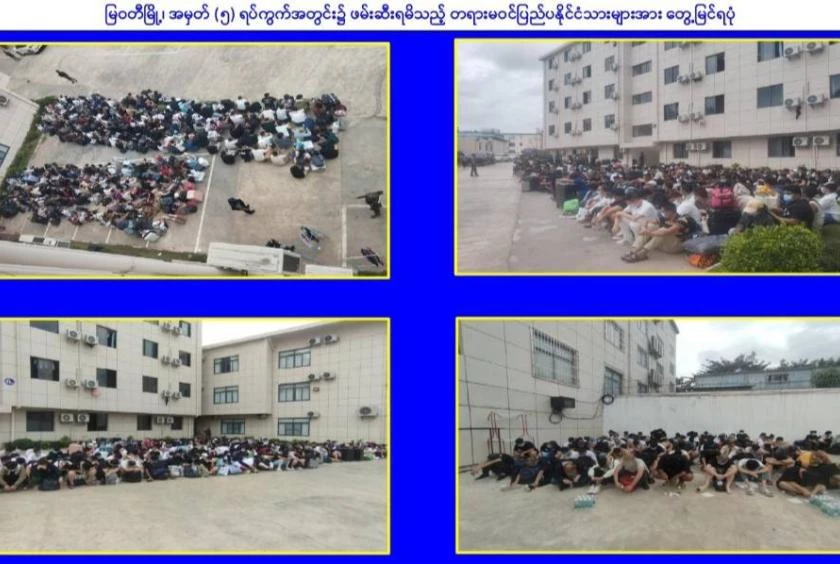
At the heart of this operation lies a $40 billion annual cybercrime ecosystem that has transformed border regions into global fraud hubs. Since January, authorities have detained 13,272 foreign nationals from 47 countries, with over 500 Chinese nationals forming the largest detainee population. The scale is unprecedented: entire scam compounds like KK Park and Shwe Kokko have become industrial-scale fraud factories, leveraging sophisticated digital infrastructure to conduct romance scams, cryptocurrency fraud, and investment schemes.
The geopolitical choreography is particularly intricate. China appears to be strategically managing its involvement, protecting its interests while maintaining plausible deniability. By coordinating with Myanmar's military, Beijing aims to project control without directly confronting the complex criminal networks that have proliferated in border regions. The United States has responded aggressively, forming a Scam Center Strike Force and sanctioning junta-allied armed groups, signaling its intent to disrupt these transnational criminal operations.
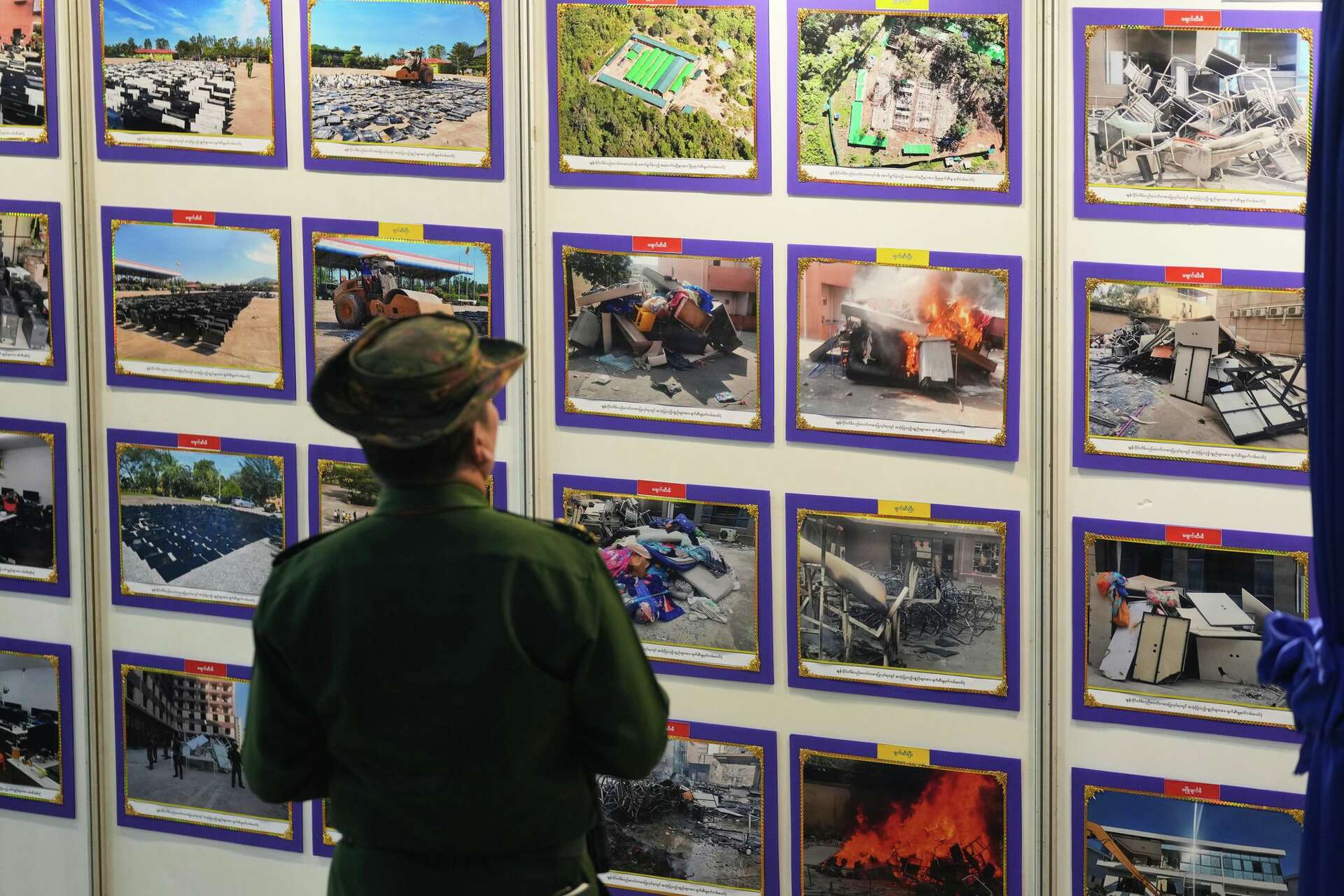
However, the crackdown's authenticity remains questionable. Local experts suggest these raids are more theatrical than substantive—destroying visible evidence while leaving underlying infrastructure largely intact. Local warlords historically protected and profited from these scam syndicates, indicating that the current operation might be more about image management than genuine eradication.
The most significant revelation is how cross-border criminal networks have become de facto geopolitical actors, challenging traditional state sovereignty. These networks operate in the gray zones between diplomatic relations, exploiting regulatory gaps and complex local dynamics. The scam compounds are not just criminal enterprises but sophisticated transnational organizations that mirror the complexity of modern geopolitical interactions.
Ultimately, this operation highlights the intricate dance between state power, criminal networks, and international diplomacy—where the lines between law enforcement, political strategy, and economic survival become increasingly blurred.
Questions 4
How significant are these scam operations in economic terms?
These cybercrime networks generate approximately $40 billion annually, primarily through sophisticated romance scams, cryptocurrency fraud, and investment schemes. The U.N. Office on Drugs and Crime estimates these operations represent a substantial illegal revenue stream with significant economic impact across Southeast Asia.
What makes the current crackdown different from previous anti-scam efforts?
This operation is unique in its scale and international coordination, involving Thai, Chinese, and Myanmar authorities. However, experts remain skeptical about its genuine effectiveness, noting that while buildings are being destroyed, the underlying infrastructure and criminal networks remain largely intact.