


Political Fault Lines Emerge as Conservative Party Faces Internal Fragmentation
- Strategic Party Realignment Threatens Conservative Cohesion Under Poilievre's Leadership





Overview
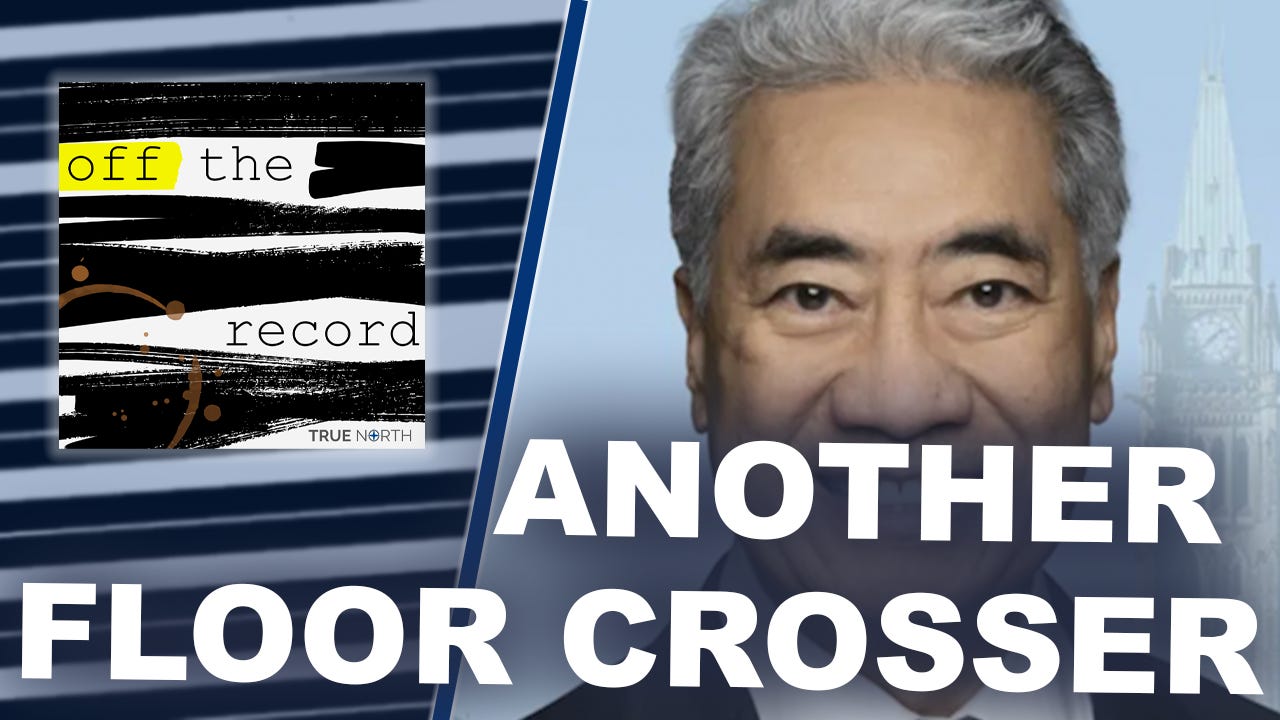
The Canadian political landscape is experiencing a critical moment of internal transformation, marked by unprecedented floor crossings that expose deep fractures within the Conservative Party. The recent defection of Michael Ma from the Conservative to the Liberal Party represents more than a simple personnel shift—it signals a profound strategic recalibration of political allegiances.
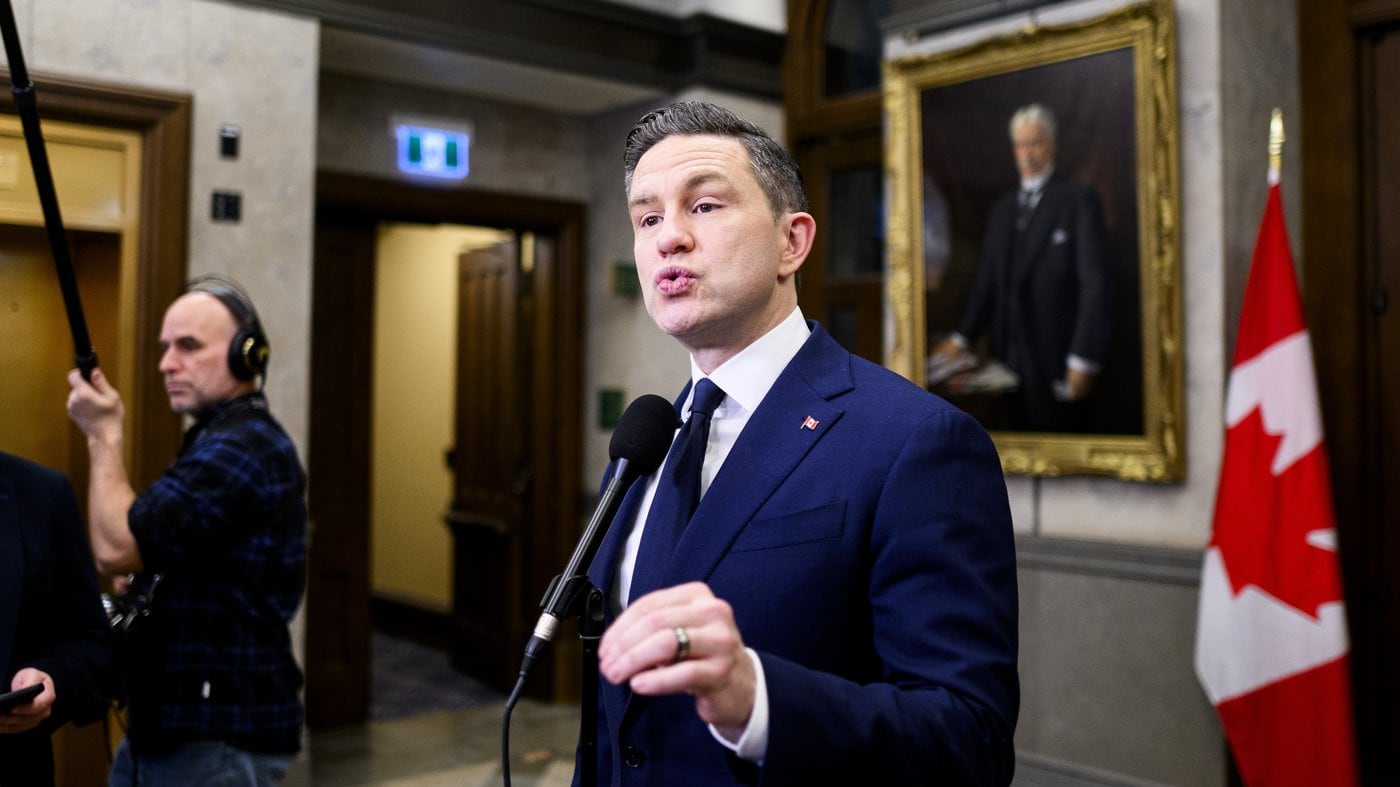
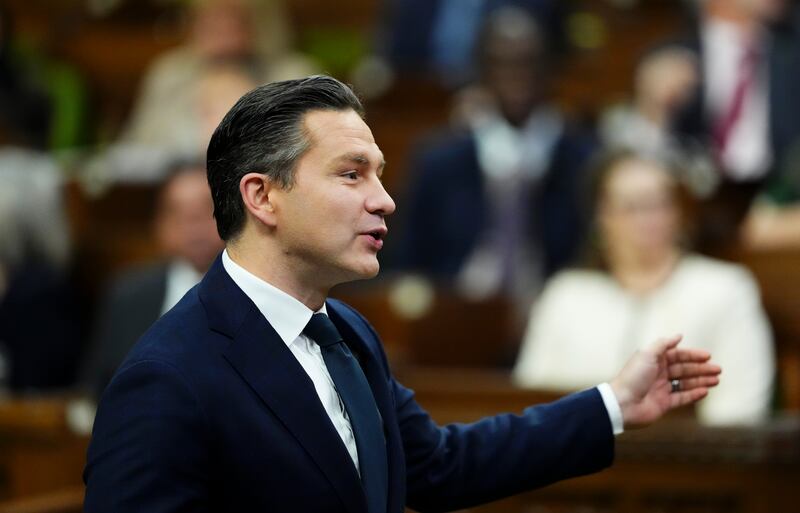
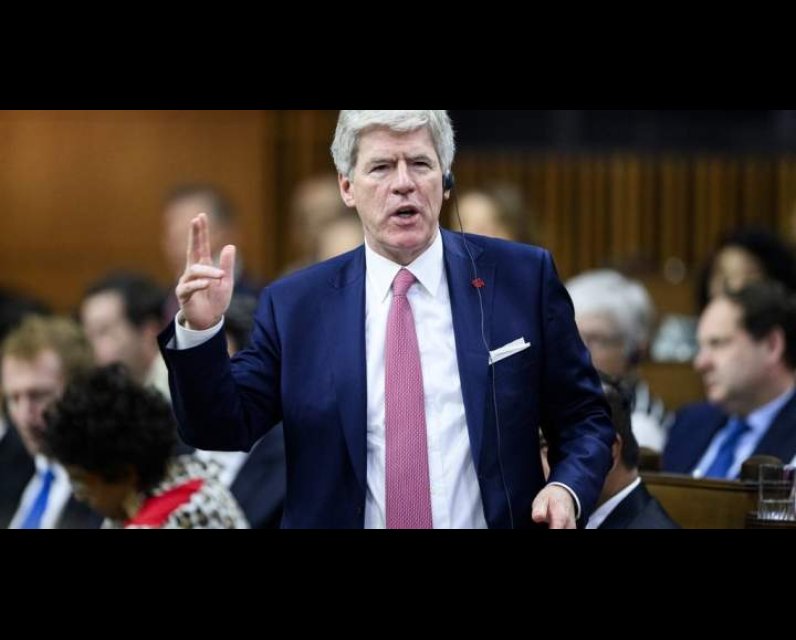
Pierre Poilievre's leadership is now under intense scrutiny, with the party experiencing what appears to be a systematic erosion of internal unity. The defections—including Ma, Chris d'Entremont, and Matt Jeneroux—suggest a deeper systemic challenge beyond individual decisions. Energy and Natural Resources Minister Tim Hodgson's hint of ongoing inquiries from potential defectors indicates a potentially larger exodus brewing beneath the surface.
The political calculus is particularly delicate, with the Liberal Party now just one seat away from a majority government. This proximity creates a high-stakes environment where each floor crossing carries outsized strategic significance. Poilievre's characterization of these moves as "dirty backroom deals" reveals the emotional and strategic tension underlying these transitions.
The upcoming Conservative Party National Convention in late January becomes a critical inflection point. Poilievre will face a mandatory leadership review, with the party's internal dynamics hanging in the balance. The potential for further defections, combined with visible frustrations among Conservative members, suggests a party at a potential tipping point of fundamental realignment.
Strategic implications extend beyond immediate party politics. These shifts reflect broader voter sentiment, potentially signaling dissatisfaction with current Conservative messaging and leadership approach. The affordability narrative that Poilievre has championed appears increasingly fragile as party cohesion becomes questionable.
Questions 3
Why are Conservative MPs crossing the floor to the Liberal Party?
Multiple factors seem to be driving these defections, including potential frustration with current Conservative leadership, disagreements over policy direction, and the strategic opportunity presented by being close to a majority government. The affordability narrative and internal party tensions appear to be key motivational elements.
How close are the Liberals to achieving a majority government?
With the recent floor crossings, the Liberal Party is now just one seat away from a majority. This proximity creates a high-stakes political environment where each additional seat becomes strategically crucial for potential legislative control.