




Billion-Dollar Lottery Fever: The Emerging Economics of Extreme Jackpot Dynamics
- Unprecedented Jackpot Trends Reveal Complex Consumer Spending Behaviors in High-Stakes Gambling Markets
















Overview
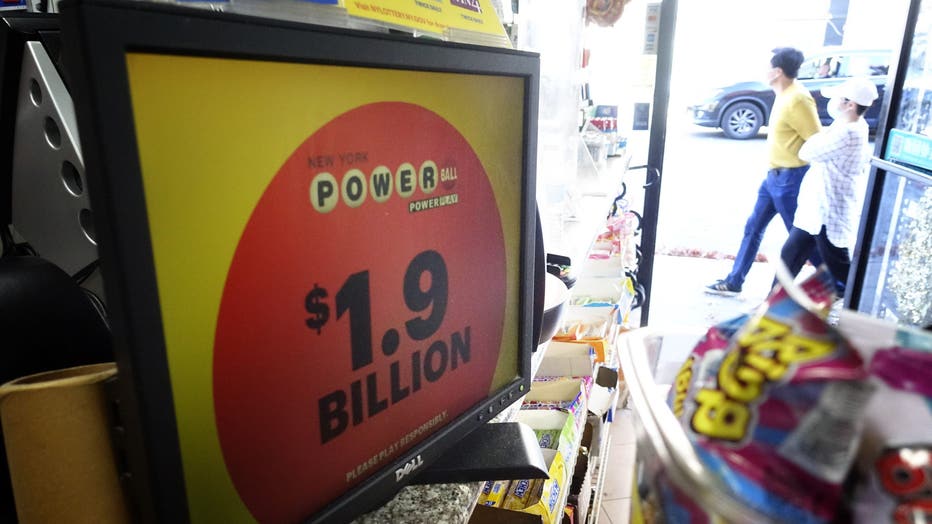
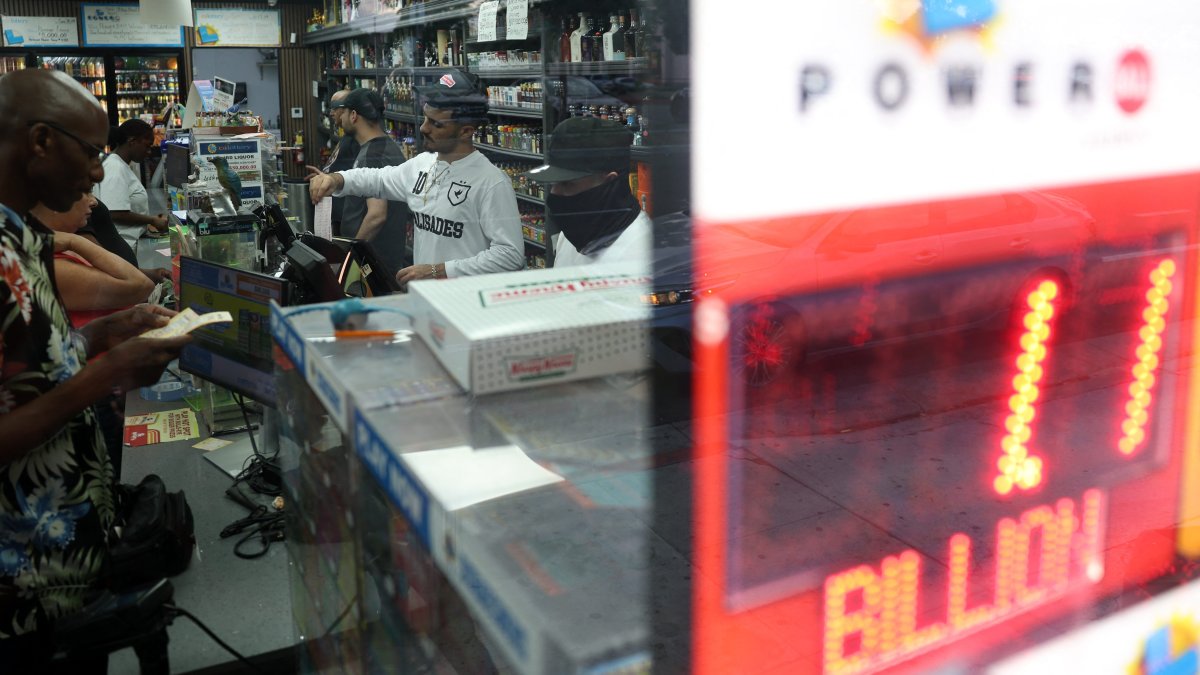
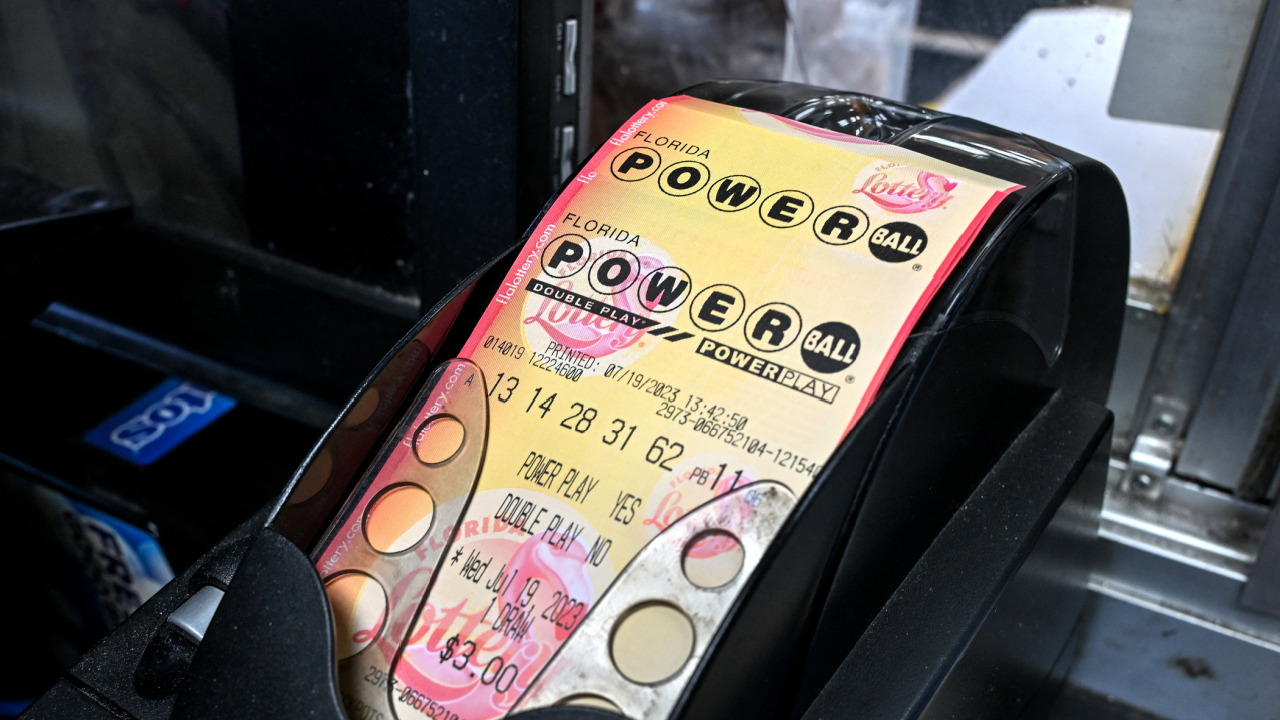
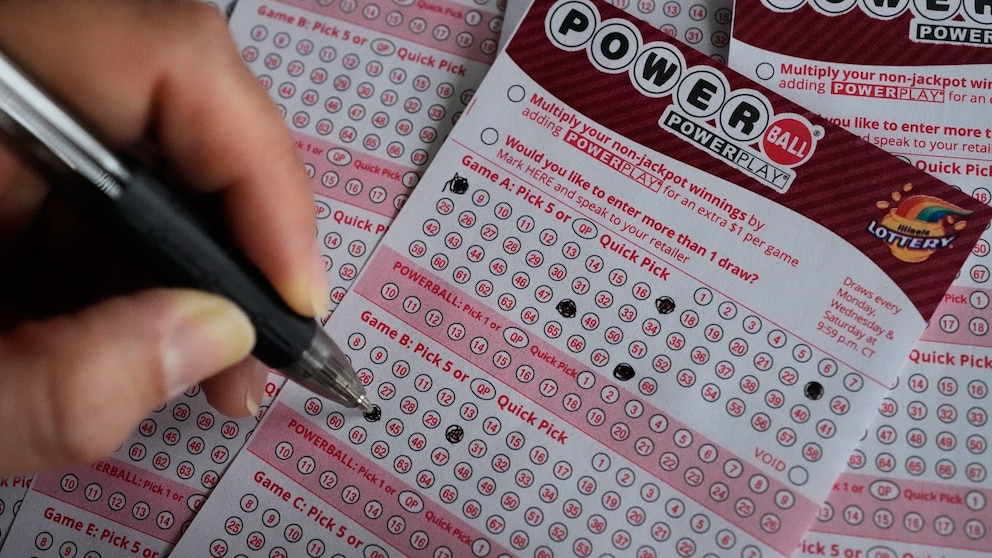
The Powerball lottery has entered an extraordinary phase of economic performance, characterized by back-to-back billion-dollar jackpots that reveal profound insights into consumer psychology and speculative market behaviors. With the current jackpot reaching an estimated $1.25 billion and representing the sixth-largest in the game's history, we're witnessing a remarkable phenomenon that transcends traditional gambling economics.
The current lottery landscape is defined by unprecedented volatility. The 44th consecutive drawing without a grand prize winner signals a complex mathematical and psychological interplay that goes far beyond simple chance. The 1 in 292.2 million odds create a unique economic ecosystem where hope and statistical improbability intersect, driving massive ticket sales across 45 states, Puerto Rico, and the U.S. Virgin Islands.
From a financial perspective, the lottery represents a fascinating case study in consumer risk tolerance. Players face a stark choice between an annuity payment of $1.25 billion or a lump-sum option of $572.1 million, each carrying distinct tax implications and long-term financial planning considerations. This bifurcated payout structure itself becomes a sophisticated financial instrument, transforming a $2 ticket into a complex economic decision-making process.
The geographic distribution of lottery participation is equally intriguing. States like Florida have demonstrated particularly high engagement, with multiple tickets winning secondary prizes ranging from $1 million to $2 million. This regional variation suggests that lottery participation is not merely a game of chance, but a nuanced reflection of local economic conditions, consumer sentiment, and collective aspiration.
Critically, these massive jackpots represent more than just a gambling phenomenon—they are a barometer of economic hope, revealing how consumers navigate risk, dream of transformative wealth, and collectively participate in a shared narrative of potential financial liberation.
Questions 3
How do lottery dynamics reflect broader economic trends?
Lottery participation serves as a unique economic indicator, revealing consumer risk tolerance, collective economic aspirations, and regional spending patterns. The sustained interest in high-stakes drawings suggests a complex interplay between hope, statistical probability, and economic uncertainty.
What financial strategies should potential winners consider?
Winners face a critical decision between a $1.25 billion annuity or a $572.1 million lump sum. The annuity provides long-term income with potential tax advantages, while the lump sum offers immediate financial flexibility. Professional financial advisement is crucial to navigate tax implications and optimal wealth management.