
APEC Shenzhen Summit | US Chip Curbs and Trade Signals for Sellers
- Chip export rules and China-US trade talks could reshape electronics sourcing costs for cross-border sellers within 1-3 months
Overview
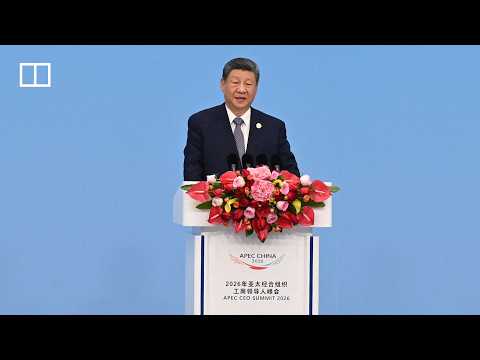
The APEC summit in Shenzhen, opening 19 November 2026, puts US-China trade relations at the center of the agenda, but the reporting contains no concrete tariff, platform fee, or customs changes. The most actionable signal is that the US issued new interim rules further restricting China's access to advanced semiconductors one day before the summit. For cross-border sellers of consumer electronics, smart home devices, and hardware accessories sourced from China, this points to a possible component-cost and product-roadmap risk rather than an immediate price change.
The semiconductor restrictions are the clearest near-term risk for electronics sellers. The reports state that the interim rules tighten Beijing's access to advanced chips, which can affect supply of processors and modules used in premium gadgets, IoT devices and gaming hardware. Sellers listing these products on Amazon and Shopify storefronts should expect possible lead-time extensions and spec changes from Chinese OEMs. Industry experience suggests that chip-control announcements typically lift component quotes first, and finished-goods price increases follow over one to two quarters. The article does not quantify this, so any cost estimate should be treated as an assumption.
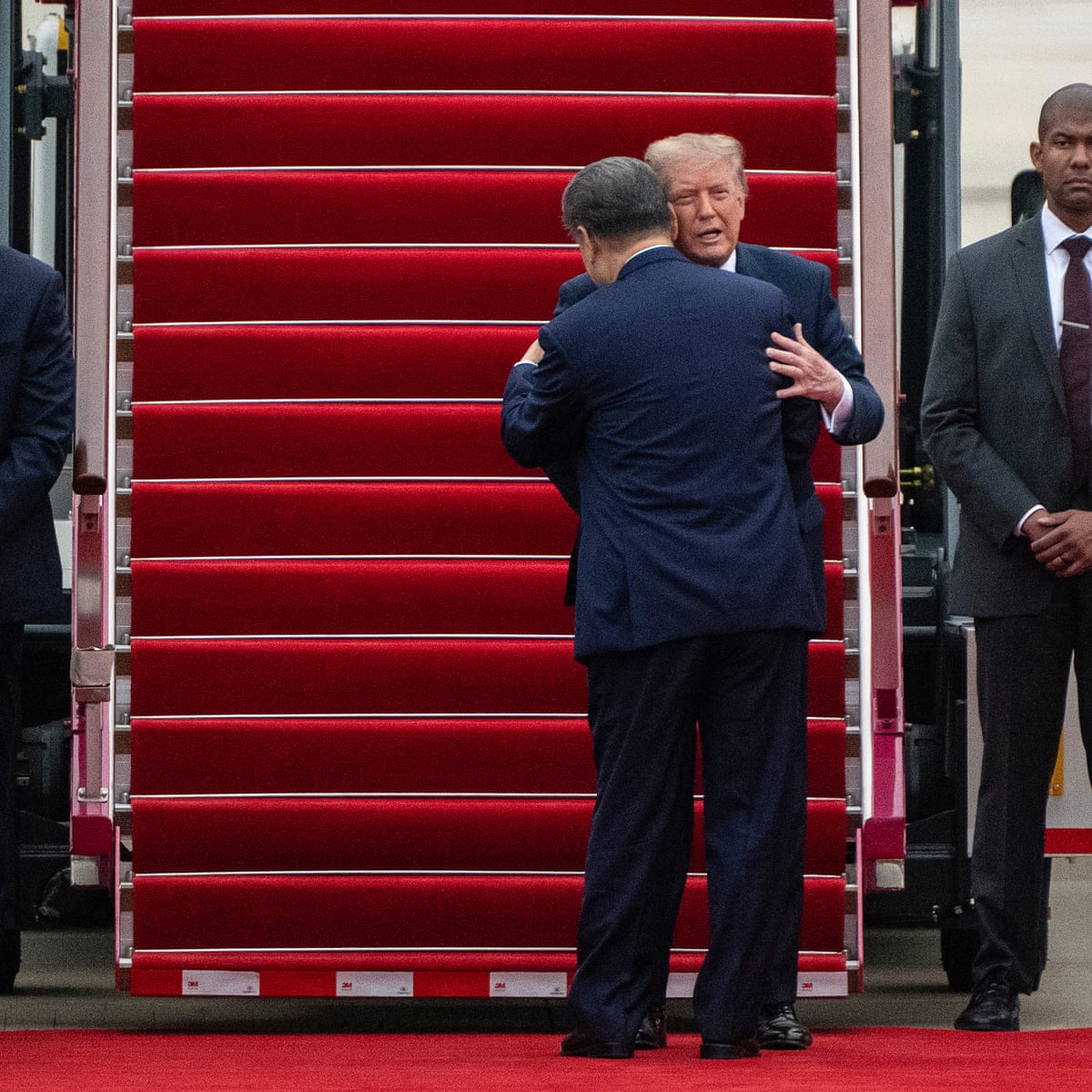
Diplomatic tone points to contained trade friction, not a reset. Xi Jinping warned that unilateralism and protectionism are rampant and called for safeguarding the WTO-centred trading system and keeping supply chains "stable and unimpeded." Both reports say Washington and Beijing aim to contain frictions, and analysts such as Ryan Hass of the Brookings Institution argue Beijing mainly wants to extend the current calm. Trump is scheduled for a third in-person meeting with Xi this year, and the first-ever trilateral with Putin is expected. Analysts expect no immediate deliverables, so sellers should not rely on announced goodwill translating into lower tariffs or easier market access. Critics also note persistent barriers foreign businesses face in China.
Sellers should watch for concrete documents rather than summit rhetoric. Specifically for sellers, the operational checkpoints are the APEC joint statement, the outcome of the Thursday bilateral meeting, and any USTR or MOFCOM notices on tariffs, customs procedures or chip controls. The China-Japan freeze, with Xi and Takaichi exchanging only a handshake, adds regional sourcing-concentration risk for sellers using Japanese or Chinese suppliers. No specific platform or logistics provider changes are reported.
Immediate actions (0-30 days): Map which SKUs depend on advanced chips and ask Chinese suppliers for written component-sourcing disclosures before 15 December 2026. Monitor the APEC joint statement and US interim rule notices weekly. Strategic adjustments (1-6 months): Qualify a second supplier in Vietnam or India for at least 20% of electronics volume, and compare landed cost including duties. Risk mitigation: Avoid locking long-term price contracts before the rules take effect, and budget a contingency of roughly 5-10% on component costs as an assumption to test, not a forecast.
Questions 4
Should I diversify electronics sourcing away from China now?
The summit emphasized stable supply chains, but it did not change sourcing conditions. A practical step is to qualify a second supplier in Vietnam or India for a portion of volume, such as 20%, and compare landed cost including duties. Shift gradually, since qualification and certification usually take several weeks to months.
What should sellers monitor after the APEC summit?
Monitor the outcome of the Thursday 19 November 2026 Trump-Xi bilateral meeting, the APEC joint statement, and any US interim chip rule updates. Also track China-Japan tensions, since the reports describe a deep freeze that could affect regional supply chains. Review these checkpoints weekly during the next 30 days.