




Digital Content Evolution: How Free Expansions and Cross-Platform Strategies Redefine Game Development
- Team Cherry's Strategic Playbook Reveals New Paradigms for Digital Product Management




























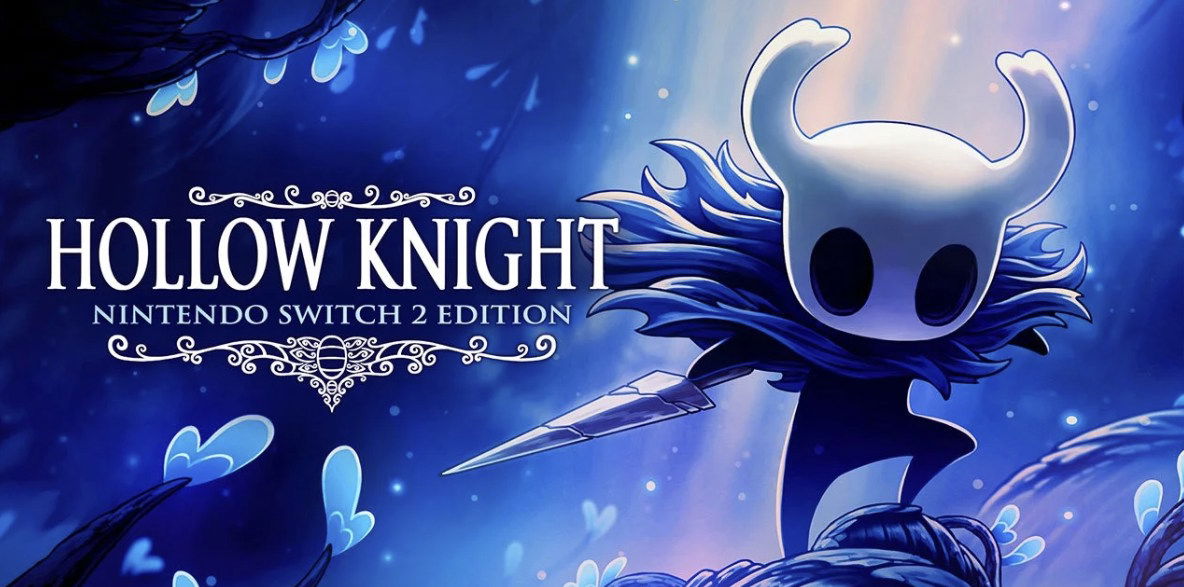


Overview
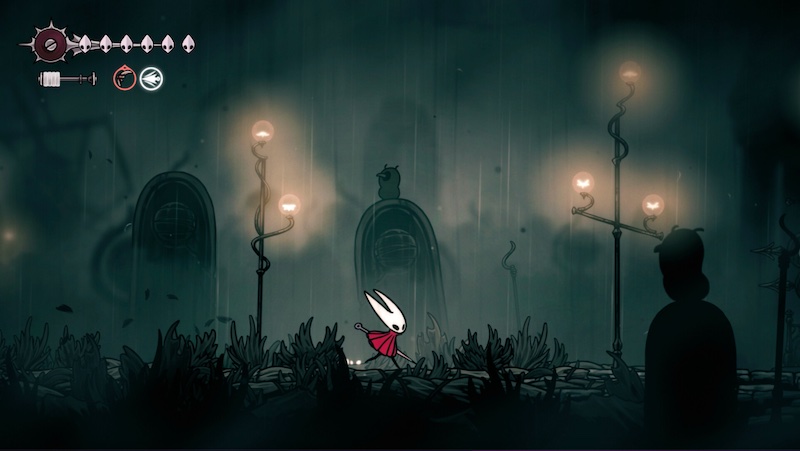
In a pivotal moment for digital content strategy, Team Cherry's Hollow Knight: Silksong announcement unveils a sophisticated approach to game development that transcends traditional product management. The studio's decision to release a free Sea of Sorrow expansion in 2026 represents more than a content update—it's a masterclass in customer retention and platform engagement.
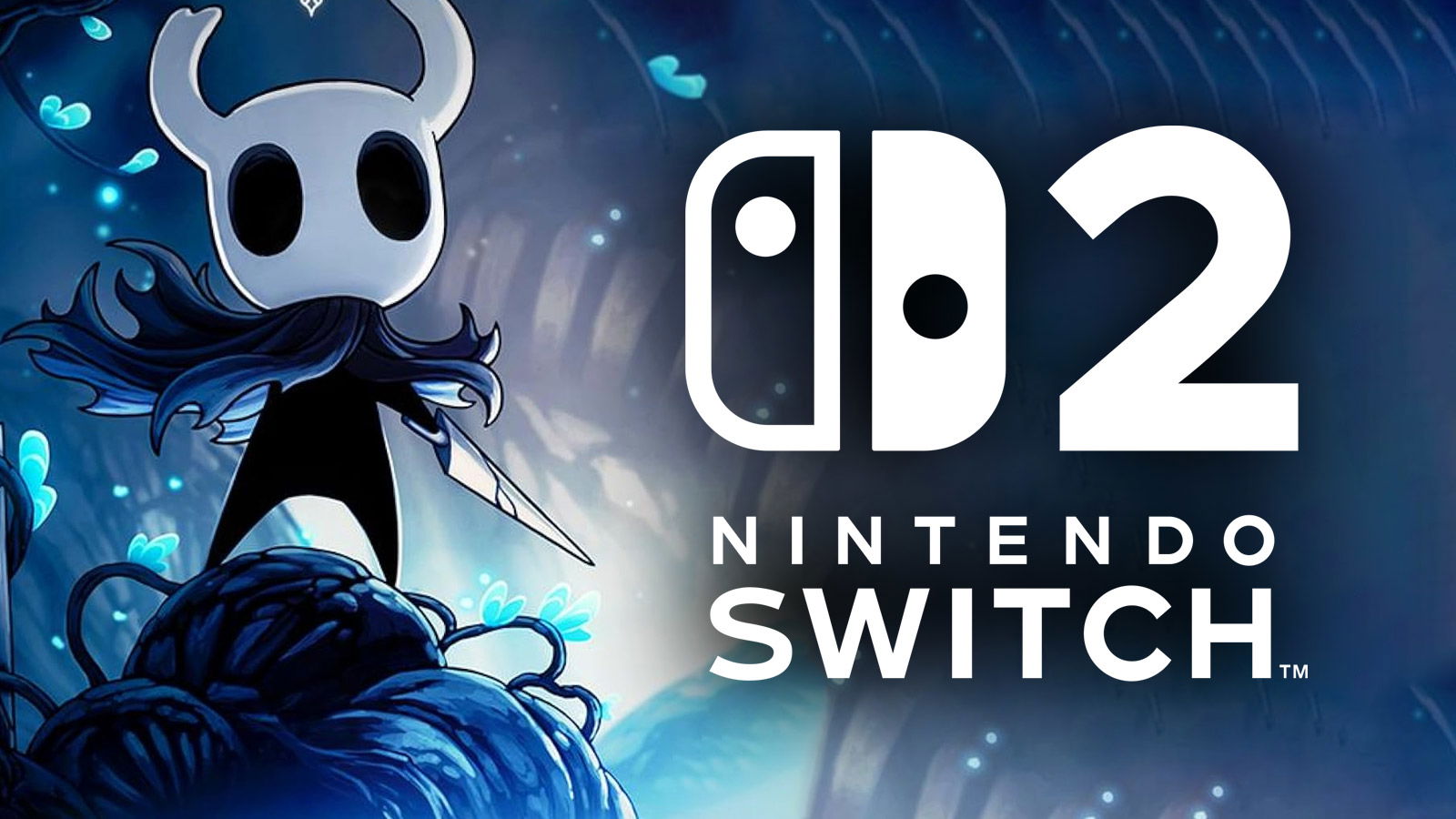
Digital content monetization is undergoing a radical transformation, with Team Cherry demonstrating that value creation now extends far beyond initial product sales. By announcing a free DLC expansion for Hollow Knight: Silksong and simultaneously developing a Nintendo Switch 2 Edition, the studio is pioneering a cross-platform content ecosystem that prioritizes player experience over immediate revenue extraction.
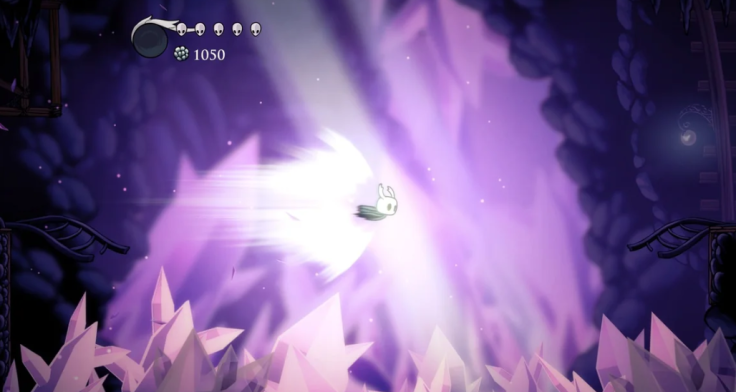
The strategic implications are profound. With 7 million copies sold since September and significant Xbox Game Pass engagement, Team Cherry has proven that community-focused development can generate sustainable long-term value. The Sea of Sorrow expansion, hinted to include nautical themes and new gameplay mechanics, represents a calculated investment in player loyalty. By providing free content updates, the studio creates a compelling retention mechanism that traditional product models struggle to replicate.
Moreover, the Nintendo Switch 2 Edition's approach—offering graphical enhancements and free upgrades to existing owners—signals a nuanced understanding of platform economics. This isn't just about selling a game, but about creating a persistent, evolving digital experience that keeps players engaged across multiple hardware generations. The careful, deliberate content creation approach, with a planned 2026 release, suggests a methodical strategy that prioritizes quality and player satisfaction over rapid monetization.
For digital product managers across industries, Team Cherry's model offers a provocative blueprint: continuous value addition, platform-agnostic design, and a laser focus on community building can transform traditional revenue models. The future of digital content isn't about selling a product, but cultivating an ongoing, dynamic relationship with users.
Questions 3
How does Team Cherry's free DLC strategy differ from traditional game monetization?
Unlike traditional models that charge for additional content, Team Cherry offers the Sea of Sorrow expansion at no cost. This approach prioritizes long-term player engagement over immediate revenue, creating sustained interest and loyalty by continuously adding value to the base game.
What competitive advantages does the cross-platform approach provide?
The Nintendo Switch 2 Edition demonstrates a strategic approach to platform evolution. By ensuring free upgrades and maintaining visual consistency across versions, Team Cherry reduces fragmentation, keeps the player base unified, and creates a seamless experience that transcends hardware limitations.