


Terror at Bondi Beach: When Civilian Courage Confronts Extremist Violence
- A critical examination of community resilience against ideologically motivated attacks









Overview
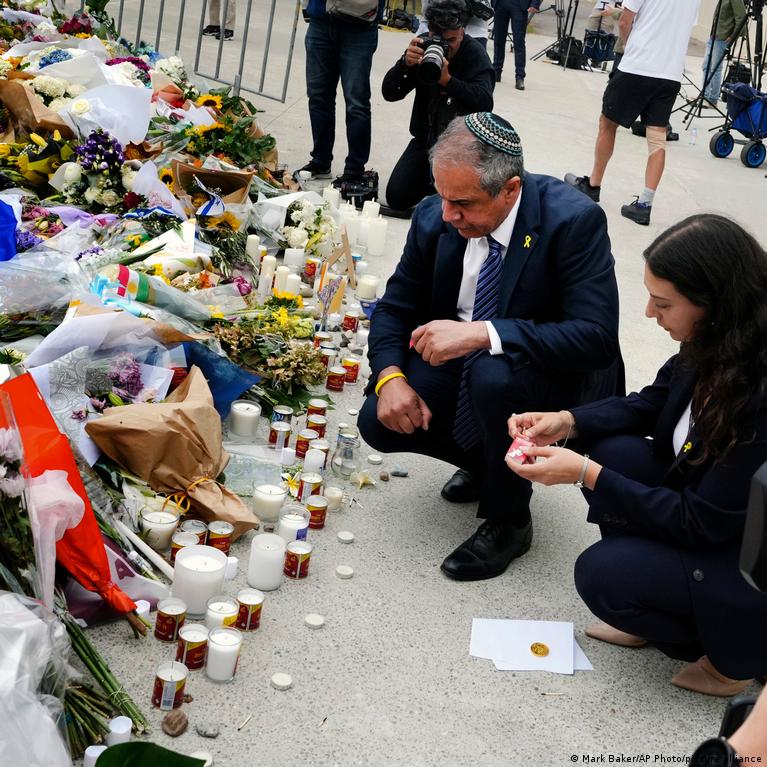
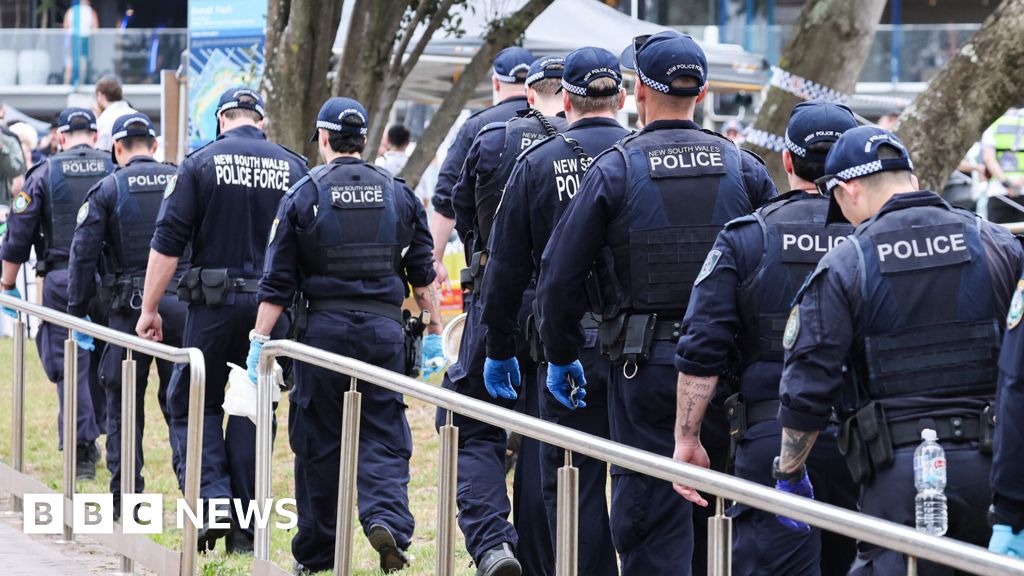
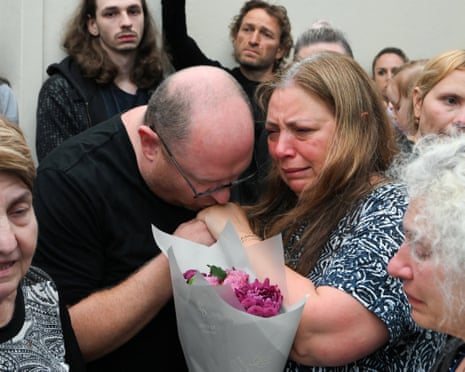
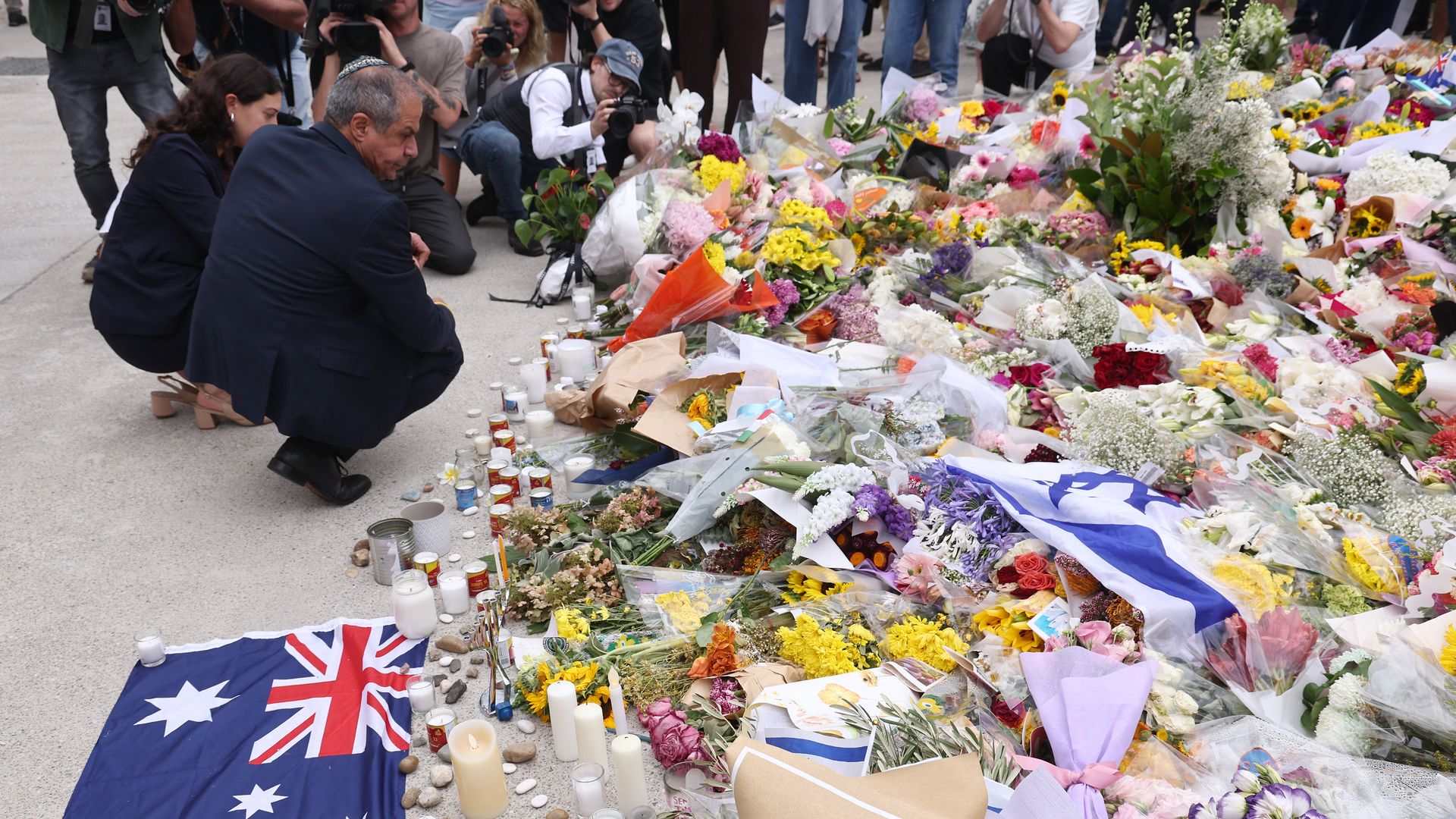
The Bondi Beach terror attack represents a profound moment of societal vulnerability and extraordinary human resilience, exposing the complex dynamics of modern extremist threats and community response. On a day that should have celebrated Hanukkah, Sydney witnessed a horrific mass shooting that claimed 15 lives and wounded 38 others, marking Australia's most significant terrorist incident since the 1996 Port Arthur massacre.
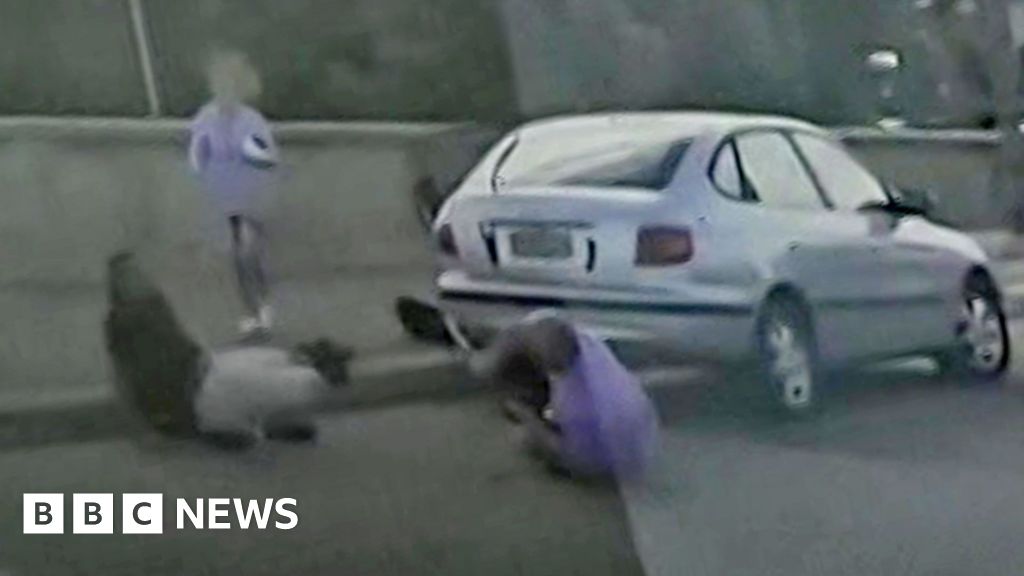
Civilian resistance emerged as a critical narrative, epitomized by Boris and Sofia Gurman, a 69 and 61-year-old couple who courageously confronted the Islamic State-affiliated shooter. Their selfless actions—attempting to wrestle the weapon away despite mortal risk—symbolize a powerful human response to terror: immediate, collective resistance against ideological violence. The Gurmans' intervention, captured on dashcam footage, represents more than individual heroism; it demonstrates a community's instinctive rejection of terror tactics.
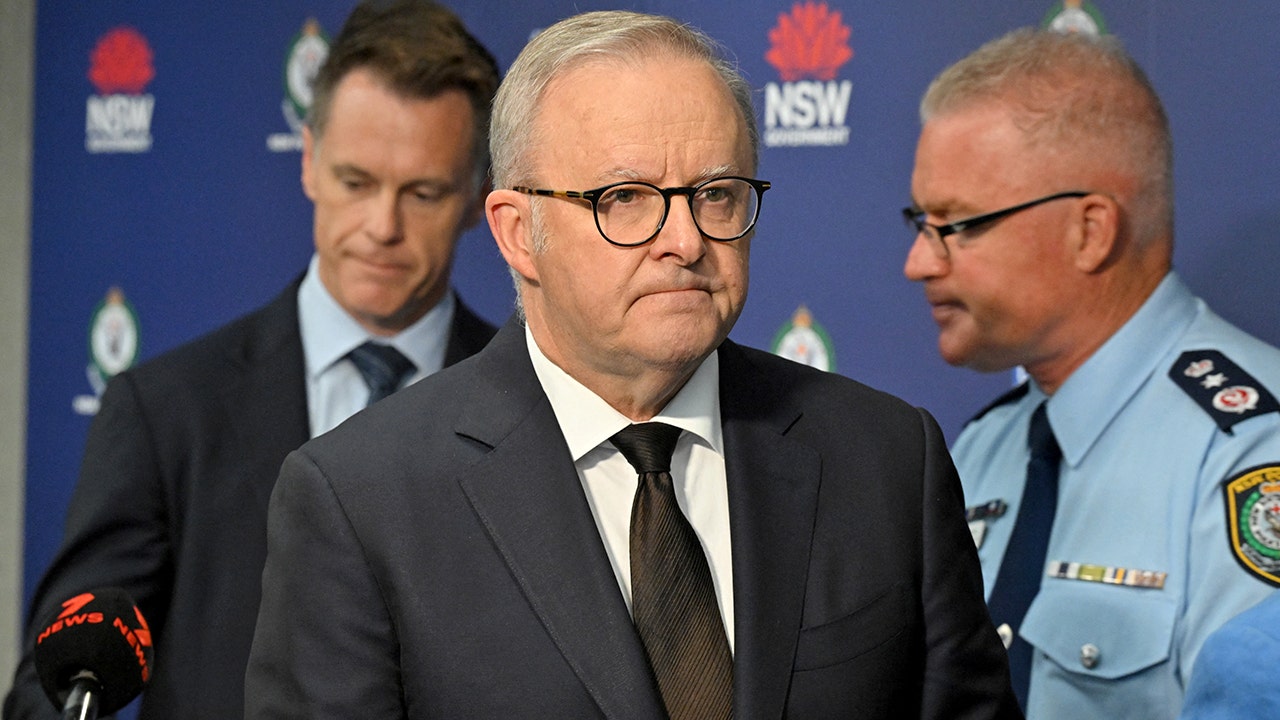
The strategic implications are profound. Australian Prime Minister Anthony Albanese's characterization of the attack as "motivated by Islamic State ideology" reveals deeper systemic challenges. The discovery of improvised explosive devices and homemade ISIS flags in the suspect's vehicle underscores the persistent threat of radicalization. This incident is not an isolated event but part of a broader pattern of ideologically driven violence that has been simmering for over a decade.
The government's response signals a critical pivot: acknowledging antisemitism's long-standing presence while committing to proactive threat mitigation. The attack's targeting of a Jewish celebration during Hanukkah highlights the specific vulnerability of minority communities to extremist ideologies. By emphasizing investigation, understanding, and prevention, Australian authorities are developing a nuanced approach to counterterrorism that goes beyond reactive measures.
For policymakers and community leaders, the Bondi Beach attack offers a stark reminder: resilience is not just about security infrastructure, but about fostering a collective social immune system that can recognize, resist, and ultimately neutralize extremist narratives through unified, courageous action.
Questions 3
What made the Bondi Beach attack particularly significant?
The attack was Australia's worst mass shooting since 1996, targeting a Jewish community during Hanukkah and revealing the persistent threat of Islamic State-inspired extremism. It highlighted the vulnerability of minority communities and the critical role of civilian resistance in confronting terror.
How did civilians respond to the terrorist threat?
Civilians like Boris and Sofia Gurman demonstrated extraordinary courage by directly confronting the shooter, attempting to wrestle away his weapon. This collective resistance represents a powerful community response that goes beyond passive victimhood, actively challenging terrorist tactics.