


The Great RAM Squeeze: How AI's Insatiable Appetite Reshapes Consumer Electronics
- Memory Shortage Triggers Unprecedented Pricing and Specification Transformations Across Tech Ecosystem






























Overview
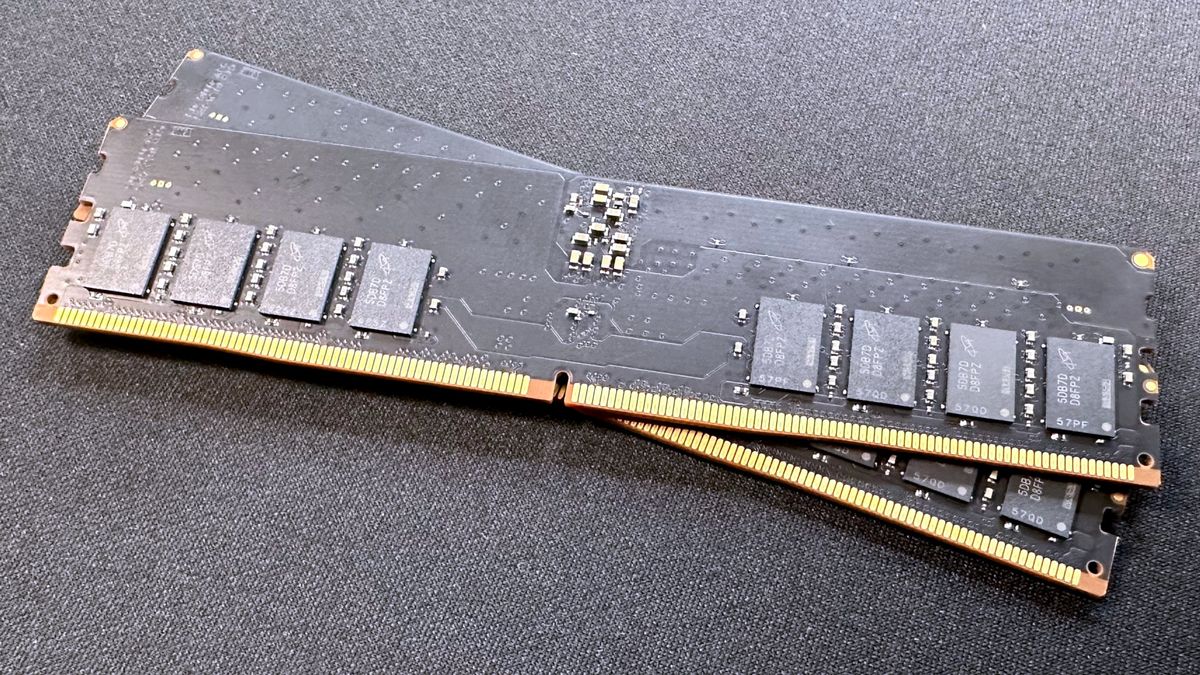
The global technology landscape is experiencing a seismic shift driven by an unprecedented RAM shortage that is fundamentally restructuring consumer electronics markets. At the heart of this transformation lies an explosive demand from artificial intelligence infrastructure, which is cannibalizing memory resources and creating a cascading series of strategic adaptations across multiple industries.
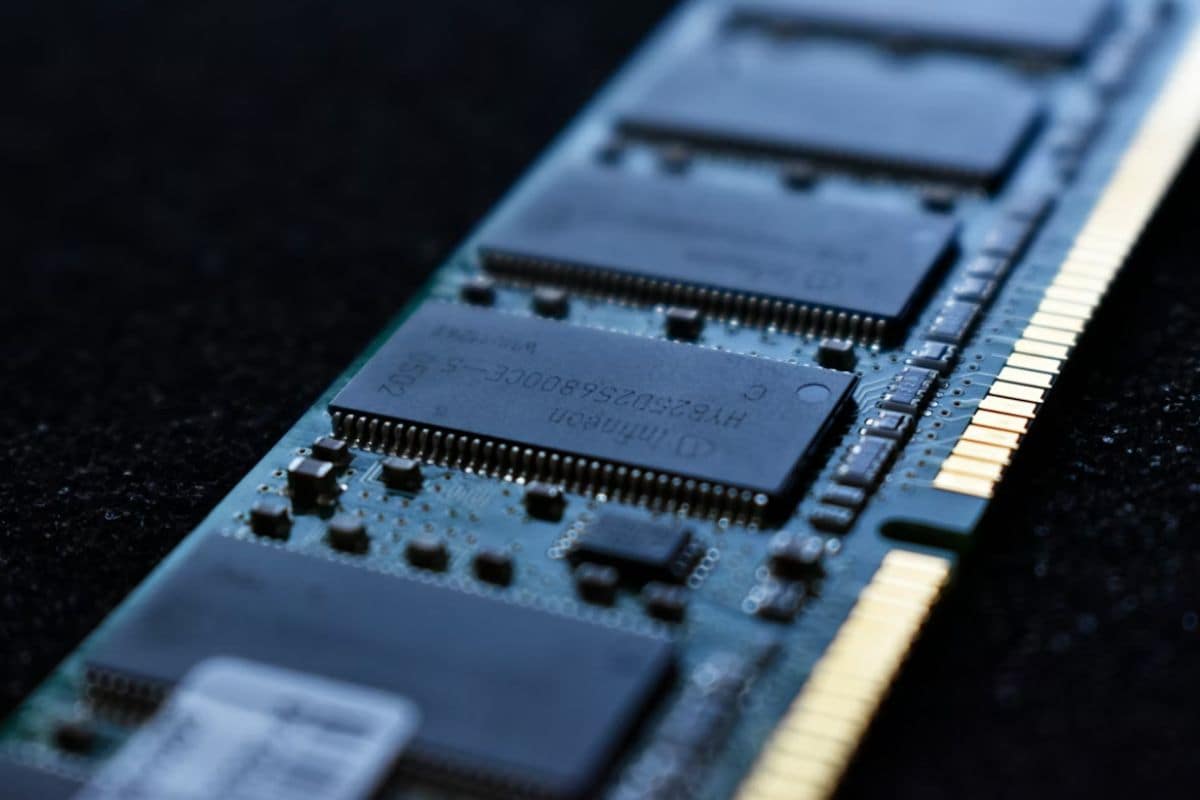
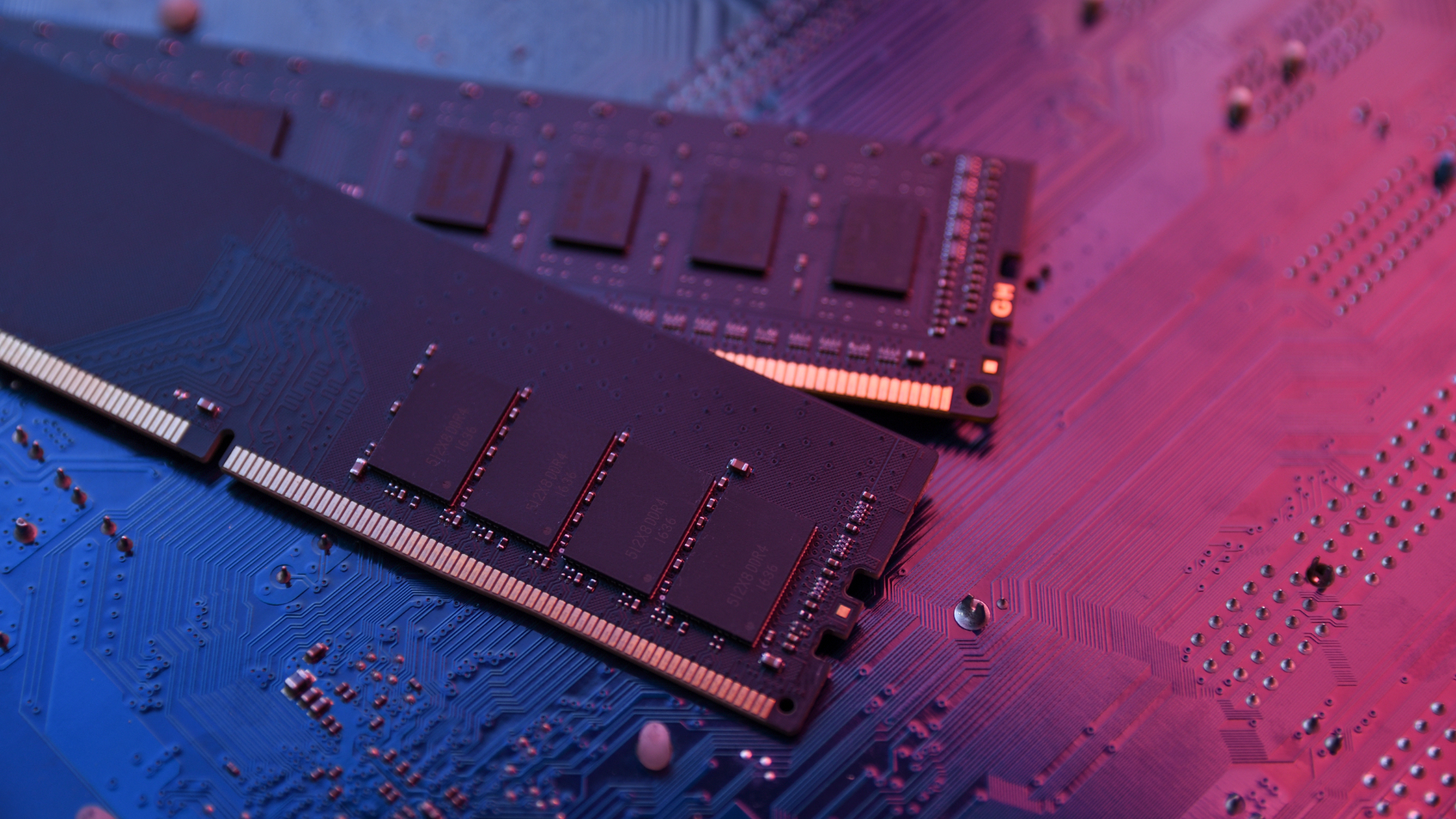
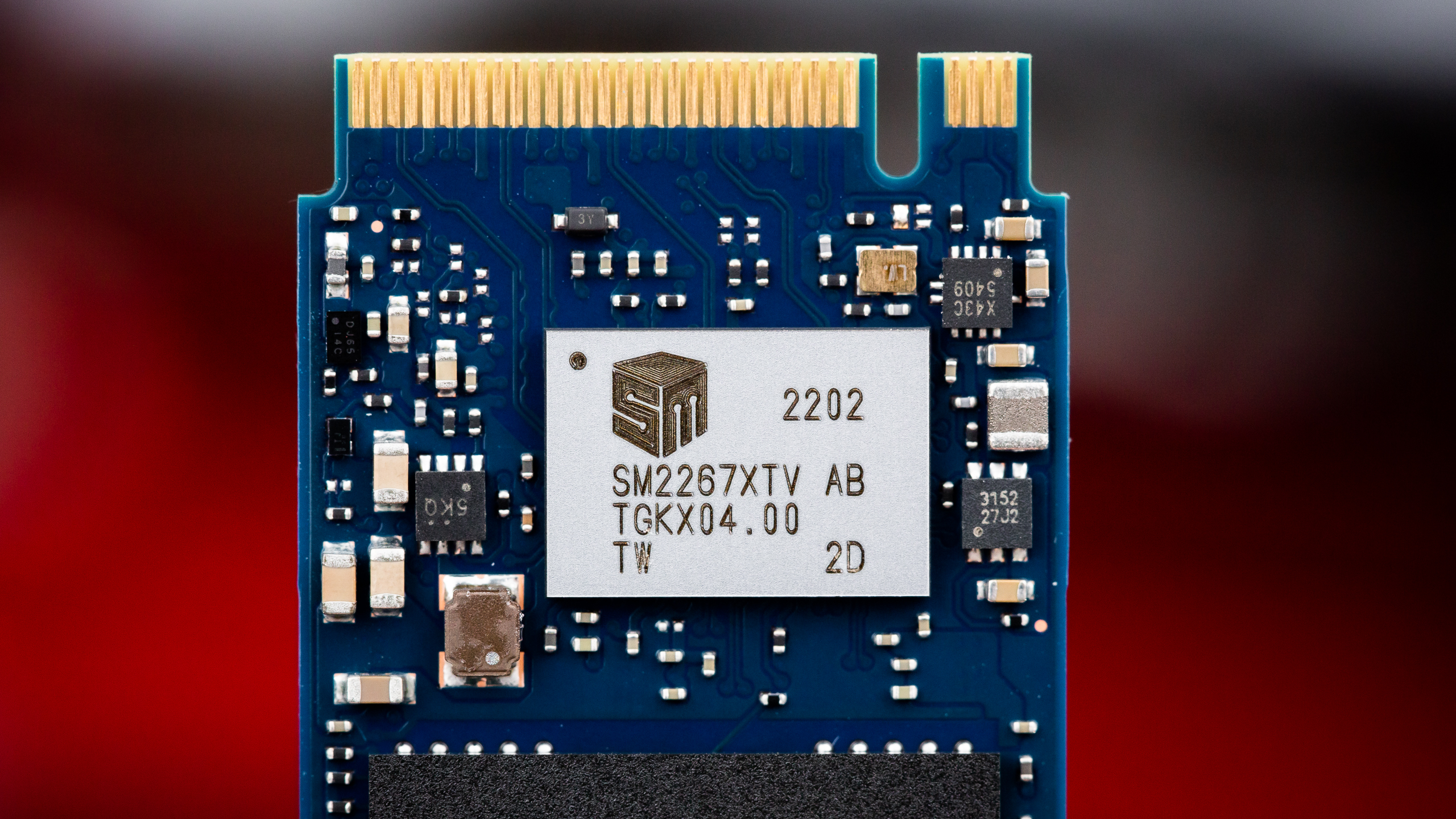
The core dynamic emerging is a stark reallocation of memory resources away from consumer markets toward data center and AI computing needs. Major manufacturers like Micron Technology are strategically redirecting RAM supplies, causing RAM prices to quadruple in just two months. This isn't merely a temporary supply chain disruption, but a structural market reconfiguration with profound implications.
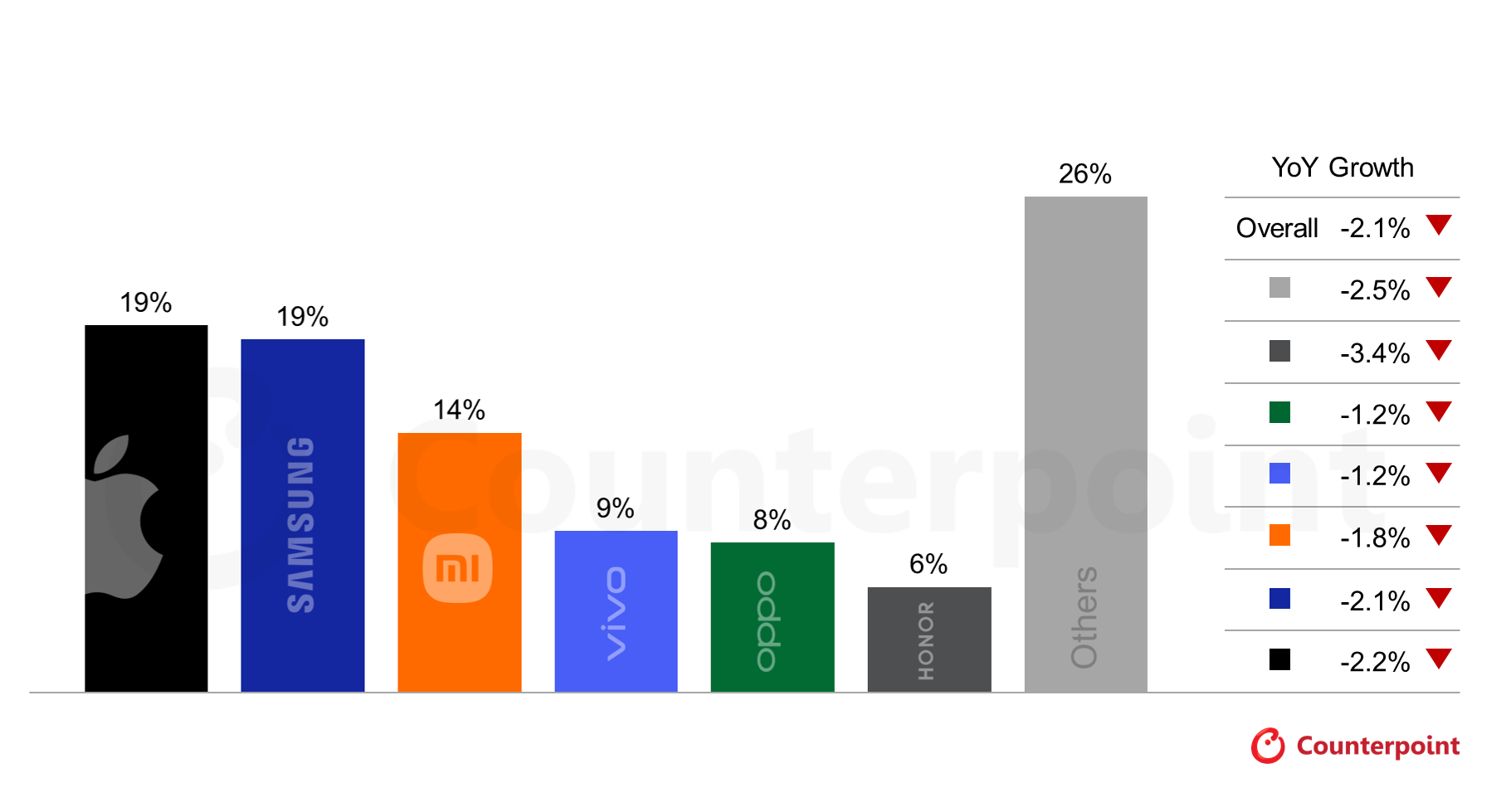
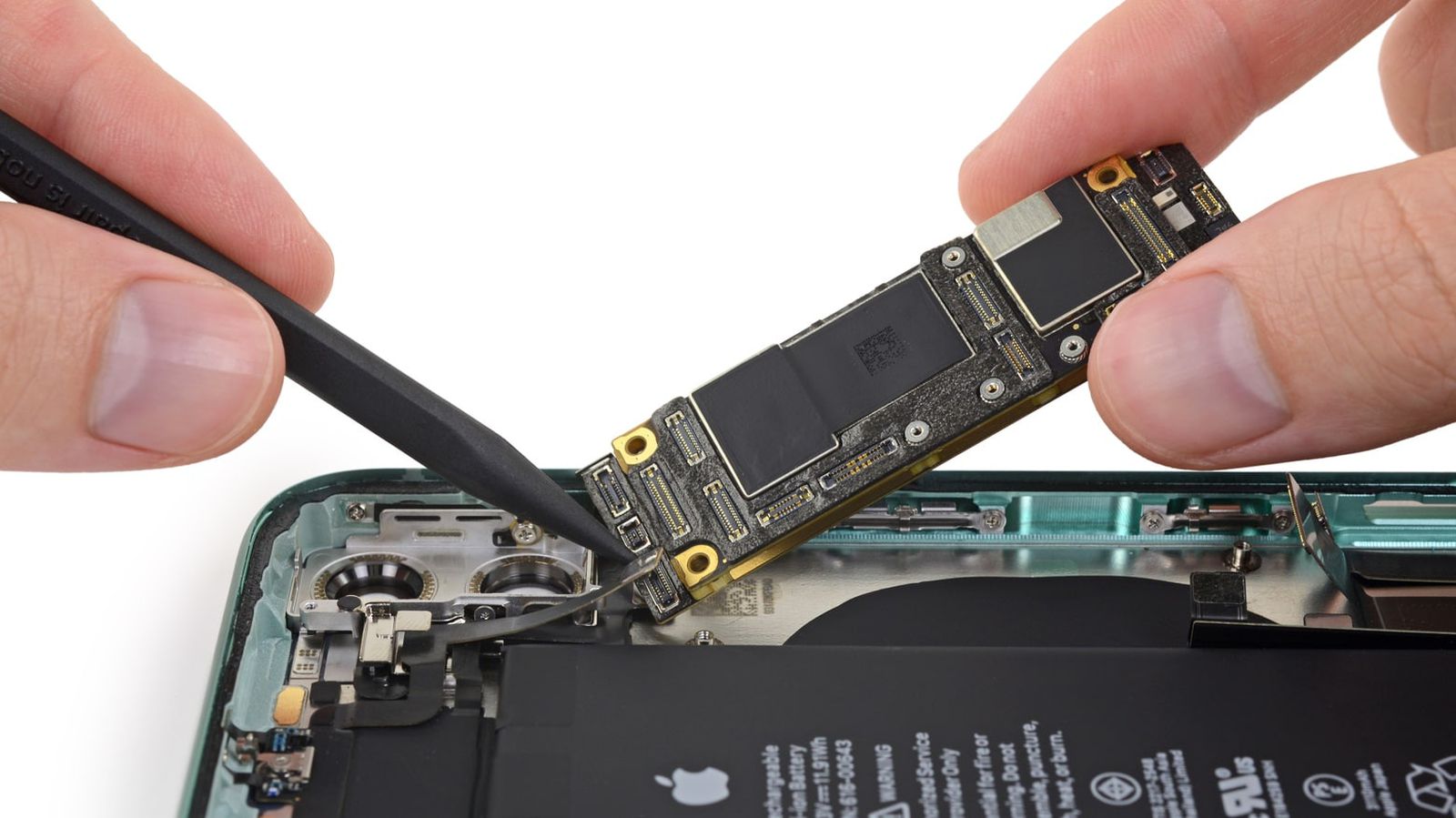
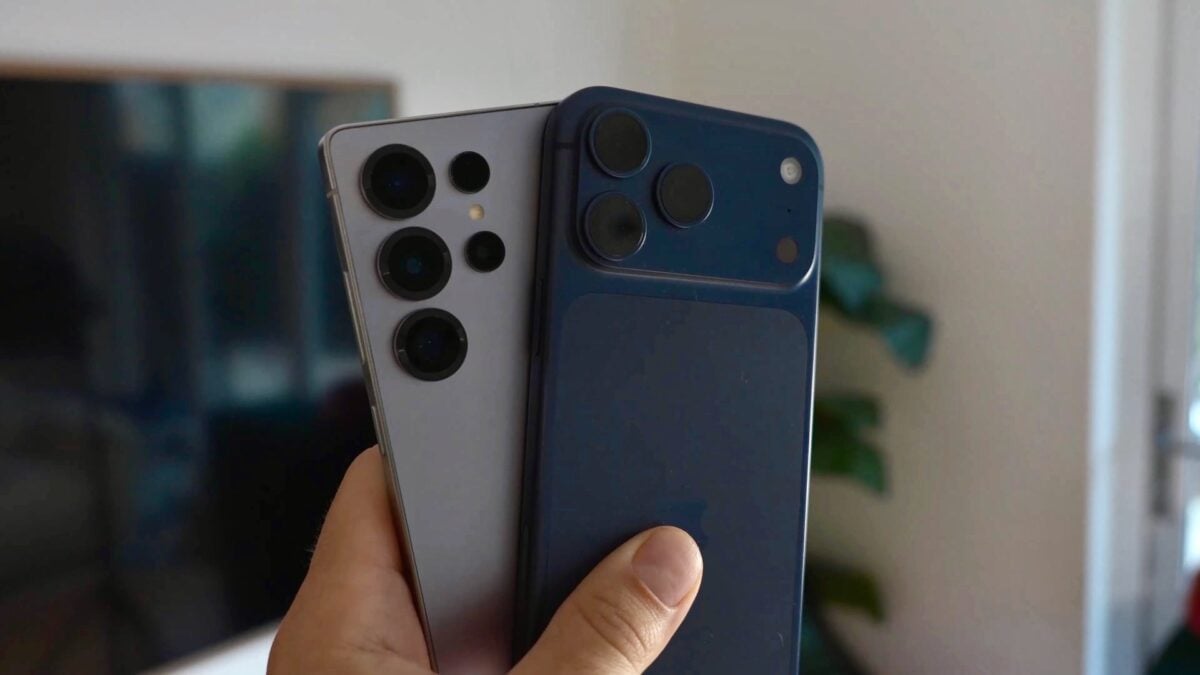
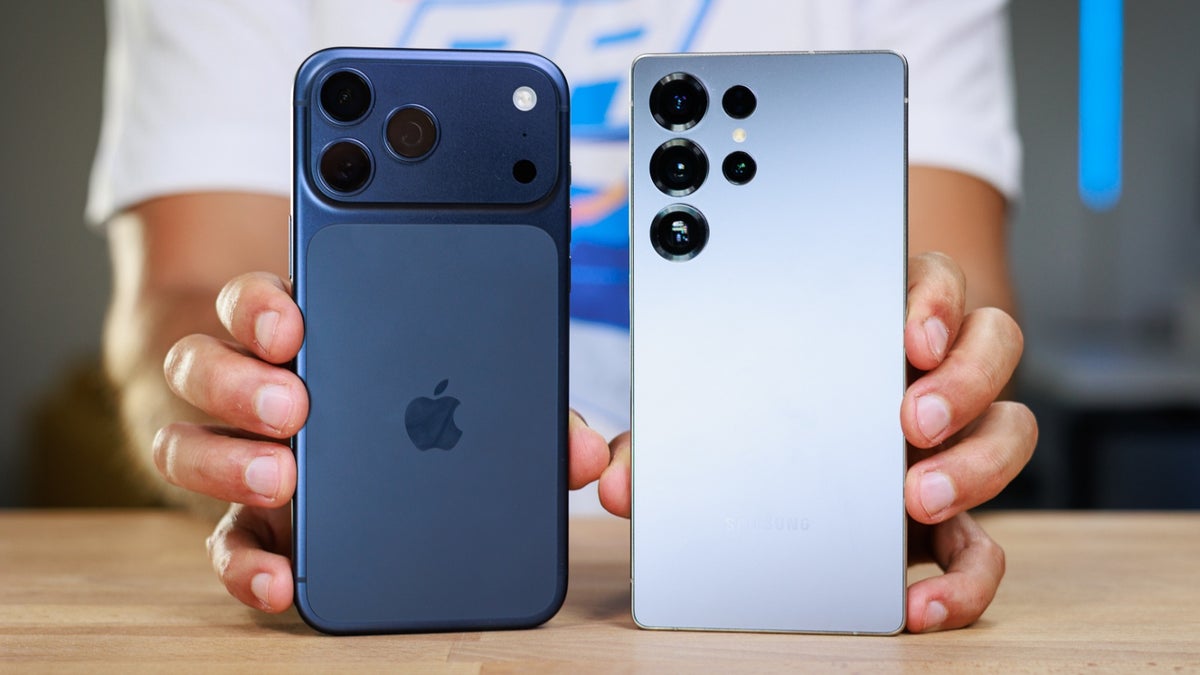
For smartphone manufacturers, the impact is particularly dramatic. Mid-range and budget device segments will experience the most significant transformations, with manufacturers likely reverting to 4GB RAM configurations and reintroducing microSD card slots as cost-mitigation strategies. Global cell phone shipments are projected to decline, and RAM specifications are expected to freeze—with iPhone and Samsung Galaxy models potentially maintaining current 12GB RAM levels instead of pursuing upgrades.
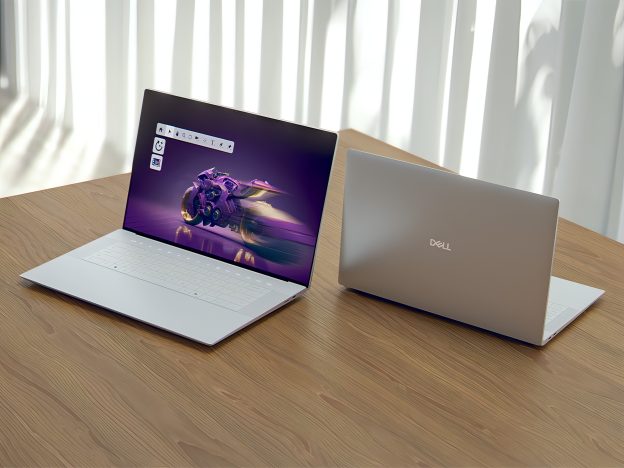
The ripple effects extend far beyond smartphones. PC and gaming console manufacturers are facing similar pressures, with companies like Dell implementing substantial price increases ranging from $130 to $765 per device. Nintendo has already reported a 41% RAM price increase for its upcoming Switch 2 console, signaling industry-wide challenges.
Market research firm Counterpoint predicts a 30% increase in DRAM prices in the final quarter of 2025, following a 50% surge earlier in the year. The three dominant DRAM manufacturers—Samsung, SK Hynix, and Micron—are raising prices due to overwhelming AI-driven demand that currently outstrips supply. Critically, memory makers suggest this shortage could persist until 2028, indicating a prolonged period of market volatility.
For technology companies and consumers alike, the message is clear: the AI revolution is not just transforming computing capabilities, but fundamentally restructuring the economics of hardware production and pricing.
Questions 4
What is driving the current RAM shortage?
The primary driver is the massive surge in AI infrastructure demand. Tech companies are purchasing enormous quantities of memory for data centers and AI computing, redirecting resources away from consumer electronics and causing unprecedented supply constraints and price increases.
How are manufacturers responding to the RAM shortage?
Manufacturers are employing multiple strategies, including reducing device specifications, postponing upgrades, raising product prices, and exploring alternative memory configurations. Some are reverting to lower RAM specifications or reintroducing features like microSD card slots to manage costs.