




Badgers' Volleyball Triumph: A Masterclass in Strategic Performance and Team Resilience
- Demonstrating excellence through calculated risk and collaborative execution in high-stakes competitive environments

















:quality(70):focal(90x105:100x115)/cloudfront-us-east-1.images.arcpublishing.com/shawmedia/VA6WO2B37VAZPGLNWHWHFMKHUM.webp)
Overview
In the high-pressure world of collegiate athletics, the University of Wisconsin Volleyball Team has emerged as a compelling case study of strategic performance and team dynamics. Their remarkable journey to the NCAA National Semifinals represents more than just a sporting achievement—it's a nuanced demonstration of how calculated risk, individual brilliance, and collective strategy can overcome seemingly insurmountable challenges.
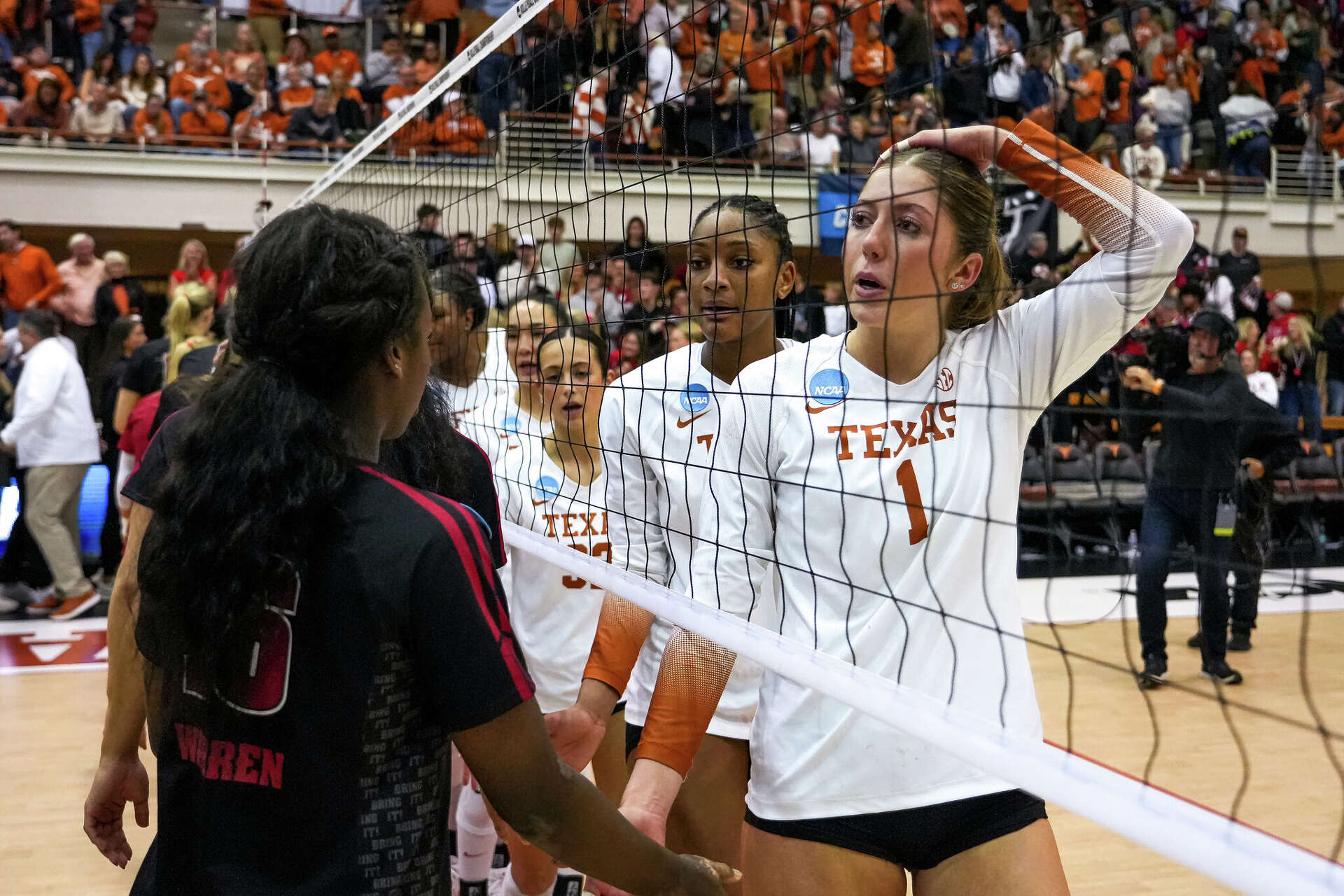
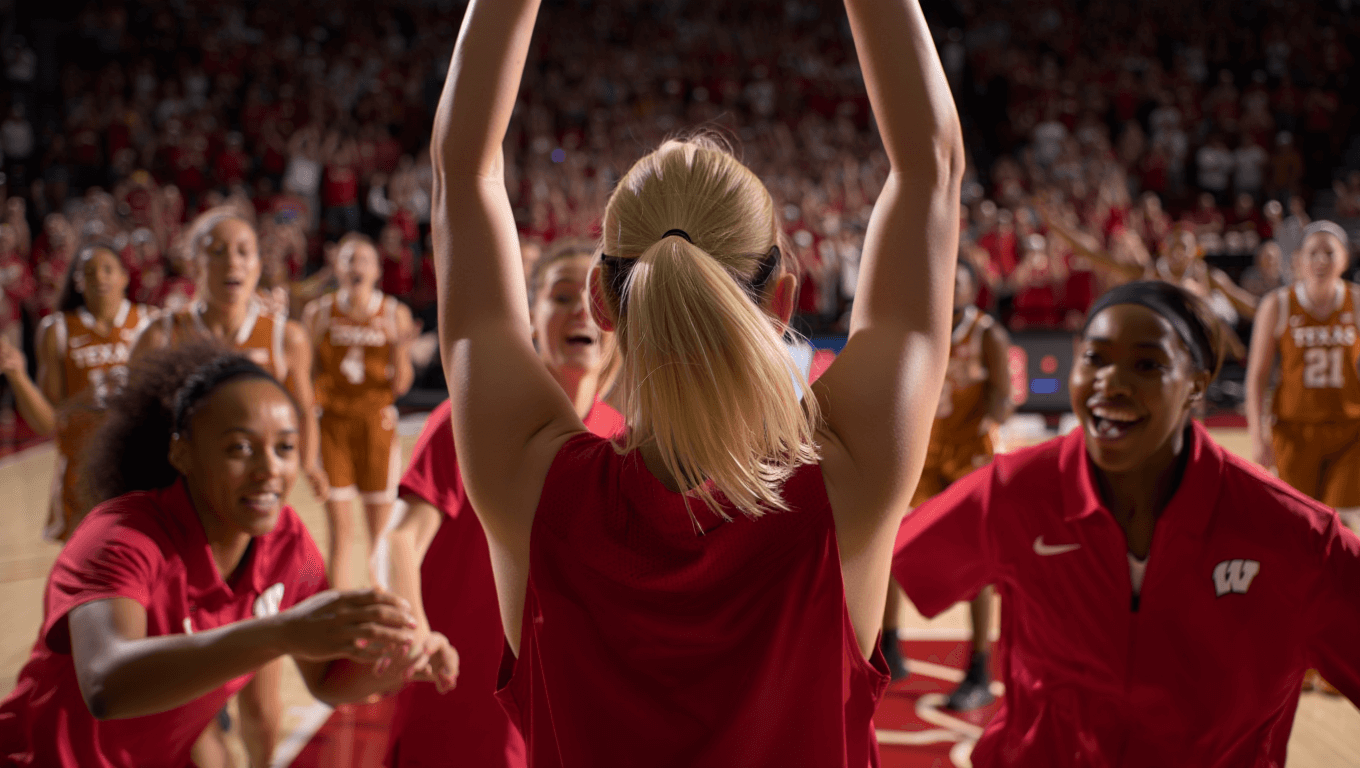
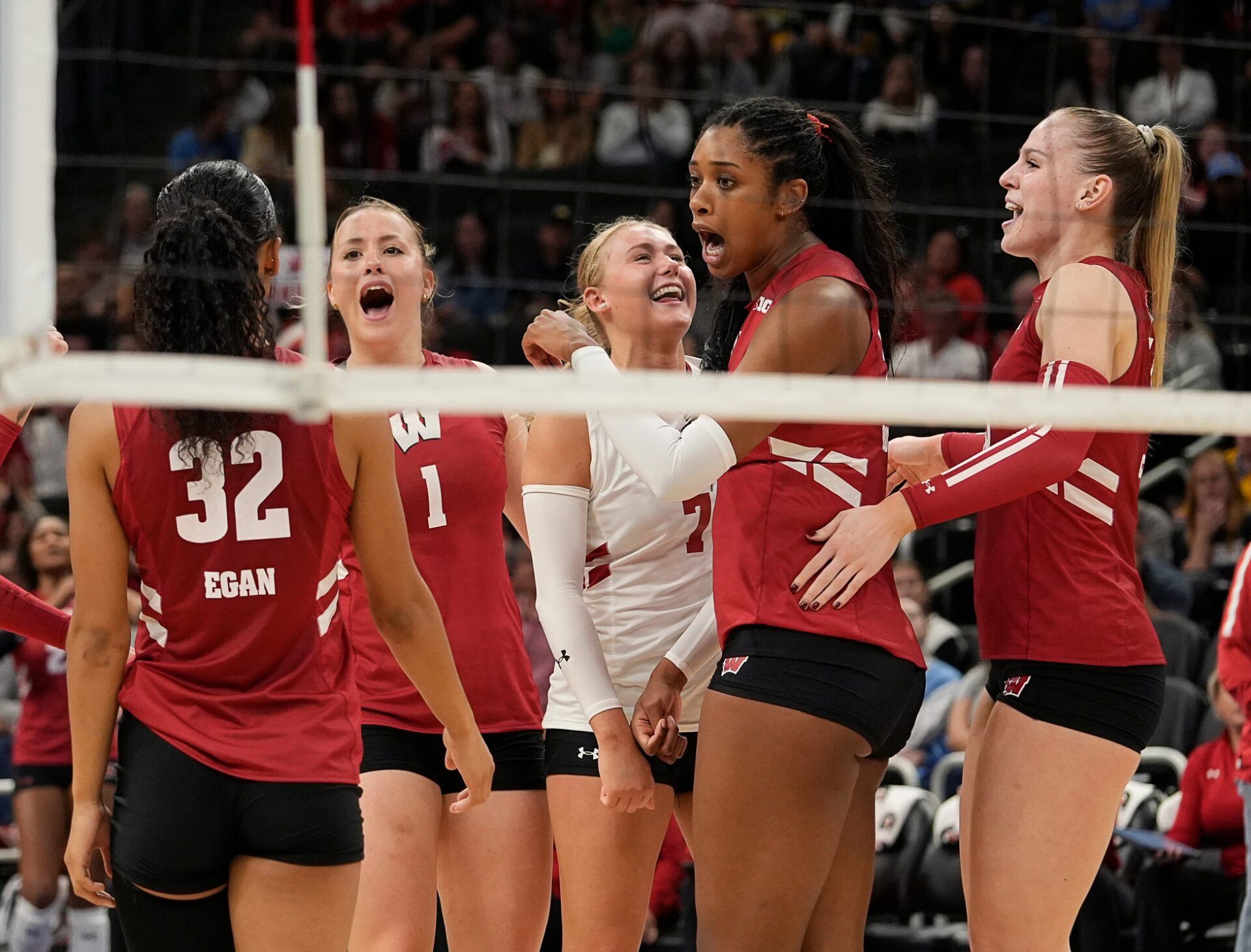
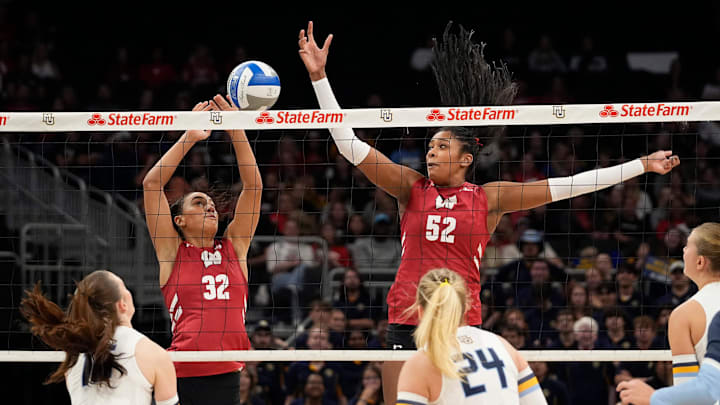
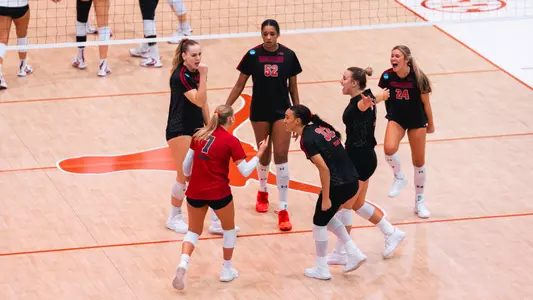
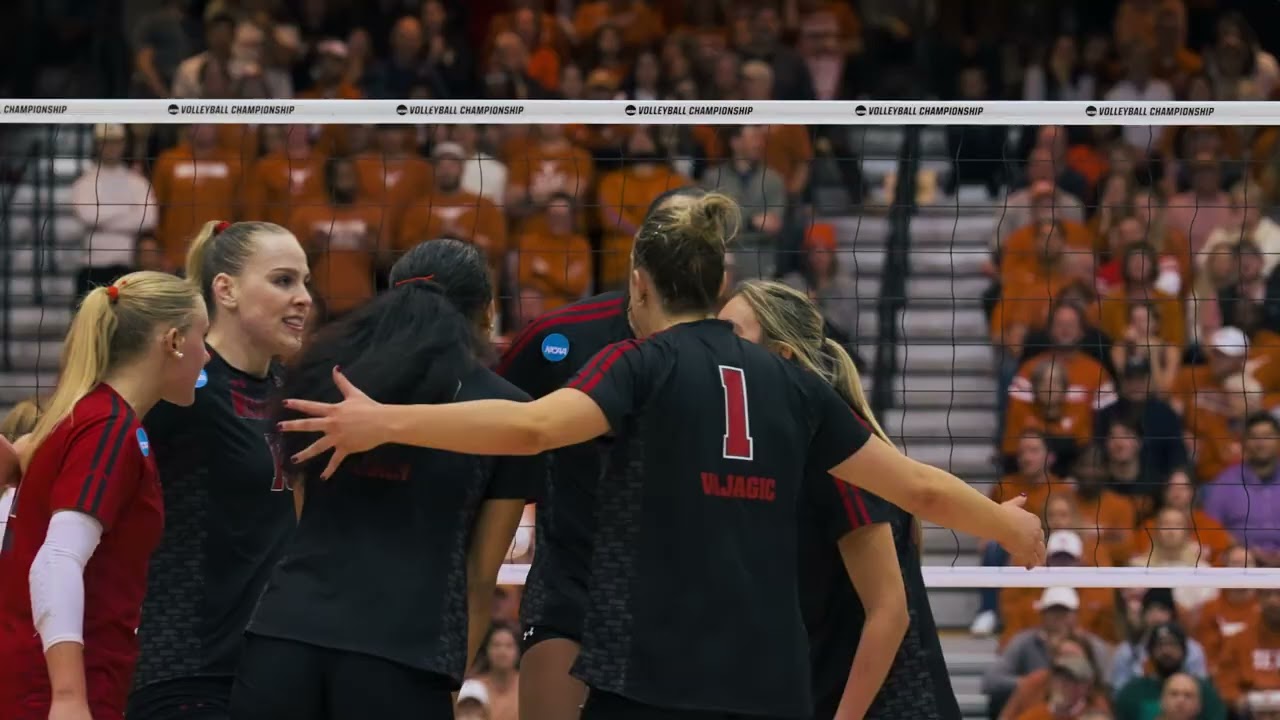
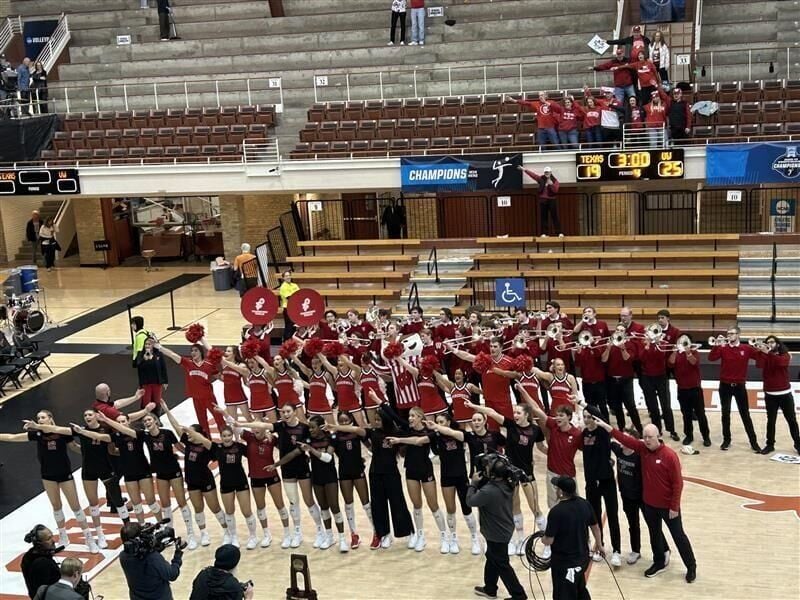
Strategic Breakthrough in Competitive Landscape: The Badgers' victory against No. 1 Texas wasn't merely a statistical upset, but a meticulously orchestrated performance. Led by senior outside hitter Mimi Colyer, who delivered a match-high 23 kills with a .309 hitting percentage, the team showcased a sophisticated approach to competitive engagement. Her performance, complemented by Una Vajagic's impressive .458 hitting rate, illustrates how individual excellence, when synchronized with team strategy, can disrupt established hierarchies.
Performance Architecture and Leadership Dynamics: Head Coach Kelly Sheffield's leadership emerges as a critical factor in the team's success. With this being their seventh National Semifinal appearance and sixth under his guidance, the Badgers demonstrate a consistent ability to transform potential into tangible results. The team's progression through crucial matches against Texas, Stanford, and North Carolina reveals a systematic approach to tournament navigation—each victory building momentum and strategic confidence.
The upcoming match against No. 1 Kentucky represents more than a tournament milestone. It's a testament to the team's psychological resilience and strategic adaptability. Having already secured three consecutive victories against the Wildcats, the Badgers enter the competition with a profound psychological advantage. Their ability to maintain performance consistency across high-pressure scenarios distinguishes them from mere competitors to strategic performers.
Ultimately, the Wisconsin Volleyball Team's journey transcends the immediate sporting context. It provides a masterclass in organizational excellence: how targeted individual contributions, strategic leadership, and a culture of continuous improvement can systematically deconstruct seemingly insurmountable challenges. Their path to the Final Four is less about volleyball and more about the universal principles of strategic execution.
Questions 3
How has Coach Kelly Sheffield contributed to the team's success?
Coach Sheffield has been instrumental in building a consistent high-performance culture, evidenced by the team's seventh National Semifinal appearance and sixth under his leadership. His strategic approach has transformed individual talents into a cohesive, competitive unit capable of defeating top-ranked teams.
What are the key factors behind the Badgers' tournament success?
The Badgers' success stems from three primary factors: individual player excellence (like Mimi Colyer and Una Vajagic), strategic team coordination, and a culture of continuous improvement under Coach Sheffield's leadership. Their ability to maintain performance consistency across high-pressure matches distinguishes them in the tournament.