

Glacier Extinction Crisis Signals Global Climate Transformation
- Unprecedented Glacier Melt Reveals Critical Environmental Tipping Point for Global Ecosystems










Overview
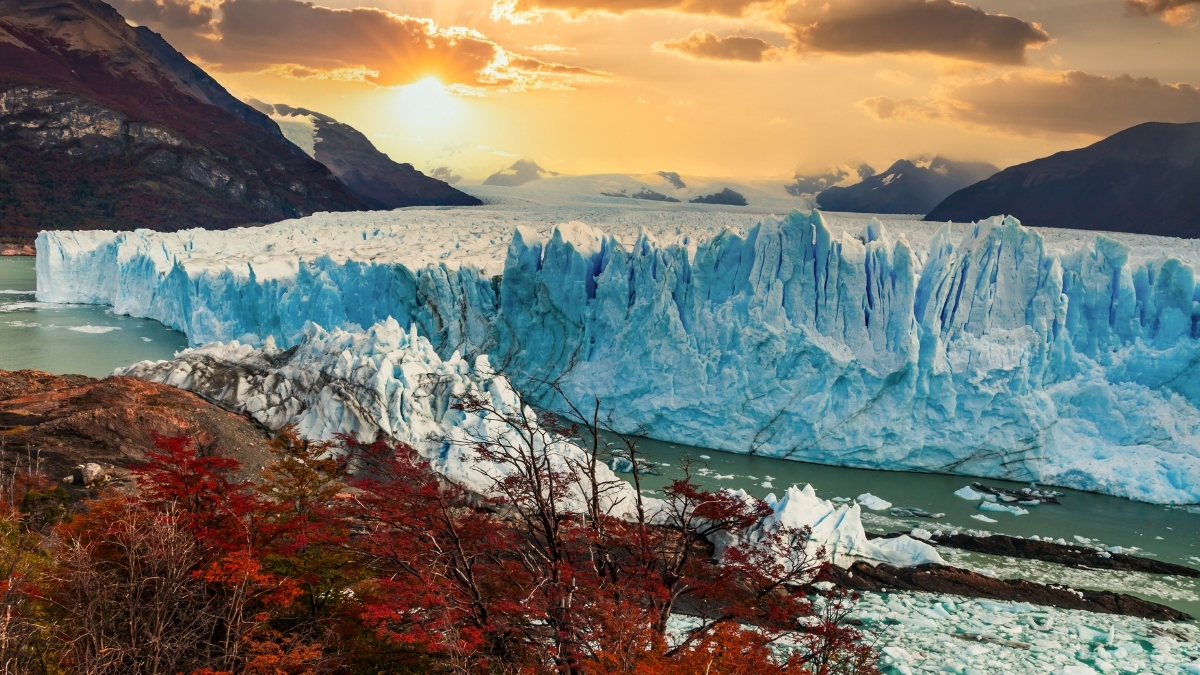
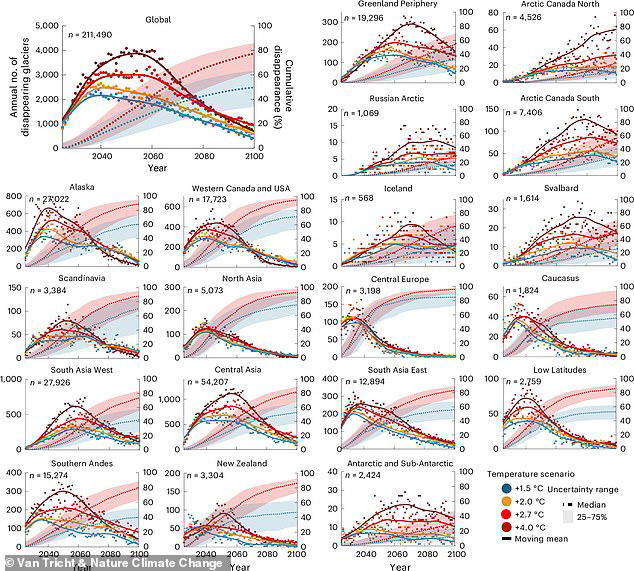
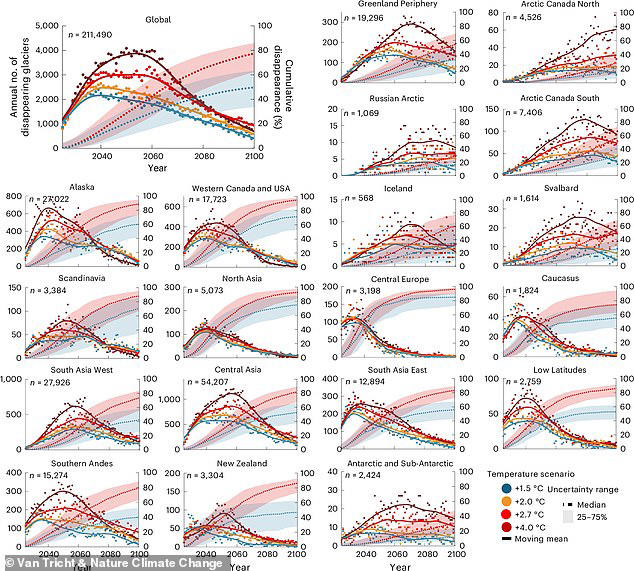
The global scientific community has sounded a stark warning about an impending environmental catastrophe that transcends mere ecological concern. A comprehensive study published in Nature Climate Change reveals a glacial extinction scenario where up to 4,000 glaciers could vanish annually by midcentury, representing a profound transformation of our planet's geological landscape.
Quantitative Urgency of Glacier Loss: Currently, approximately 200,000 glaciers exist worldwide, with about 750 disappearing each year. However, the research projects a dramatically accelerated melt rate, potentially reducing global glacier populations to just 18,288 by century's end. The difference between losing 2,000 and 4,000 glaciers annually hinges critically on near-term societal decisions and climate policy implementations.
Scenario-Based Climate Projections: The study outlines two potential futures. In the optimistic scenario, where governments successfully meet Paris Agreement pledges to limit warming to 1.5°C, around 2,000 glaciers would still melt annually by 2041. However, the United Nations Environment Programme warns that current global trajectories suggest warming could exceed 1.5°C within years, potentially reaching 2.3°C to 2.5°C by 2100.
Beyond Scientific Metrics: Co-author Matthias Huss from ETH Zurich emphasizes that this is more than a statistical exercise. The glacier loss represents an emotional and ecological watershed, symbolizing humanity's broader environmental challenge. Published during the UN's International Year of Glacier Preservation, the research underscores the urgent need for ambitious, immediate climate action.
The implications extend far beyond academic concern. These glacial transformations signal a fundamental reshaping of global ecosystems, water resources, and climate patterns. For policymakers, scientists, and global citizens, this research is a critical call to recognize that our collective near-term decisions will determine the planetary trajectory for generations to come.
Questions 3
How rapid is the projected glacier loss according to the study?
The study predicts that up to 4,000 glaciers could melt annually by midcentury, compared to the current rate of about 750 disappearing each year. This represents a more than 5-fold acceleration in glacier extinction, potentially reducing global glacier populations from 200,000 to just 18,288 by the end of the century.
Why is glacier loss more than just an environmental statistic?
As emphasized by study co-author Matthias Huss, glacier loss represents an emotional and ecological watershed. It symbolizes broader environmental challenges and signals fundamental changes in global ecosystems, water resources, and climate patterns that extend far beyond scientific metrics.