



Regulatory Compliance Breakdown Exposes Critical Gaps in Product Safety Protocols
- Systemic Recall Failures Highlight Urgent Need for Robust Supply Chain Accountability



























Overview
The infant formula recall crisis reveals a profound systemic vulnerability in product safety management that extends far beyond a single manufacturer or retailer. At the core of this incident lies a critical regulatory compliance breakdown that exposes multiple layers of institutional failure.
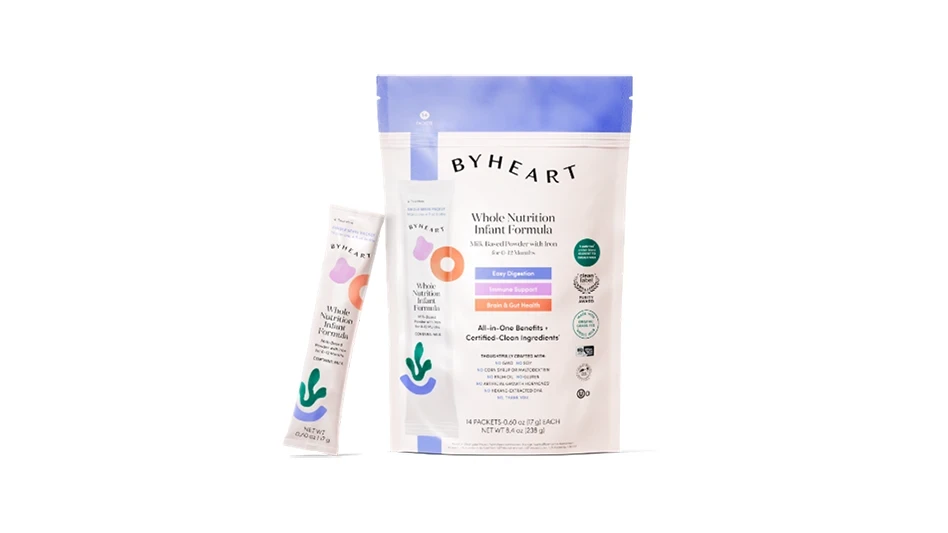
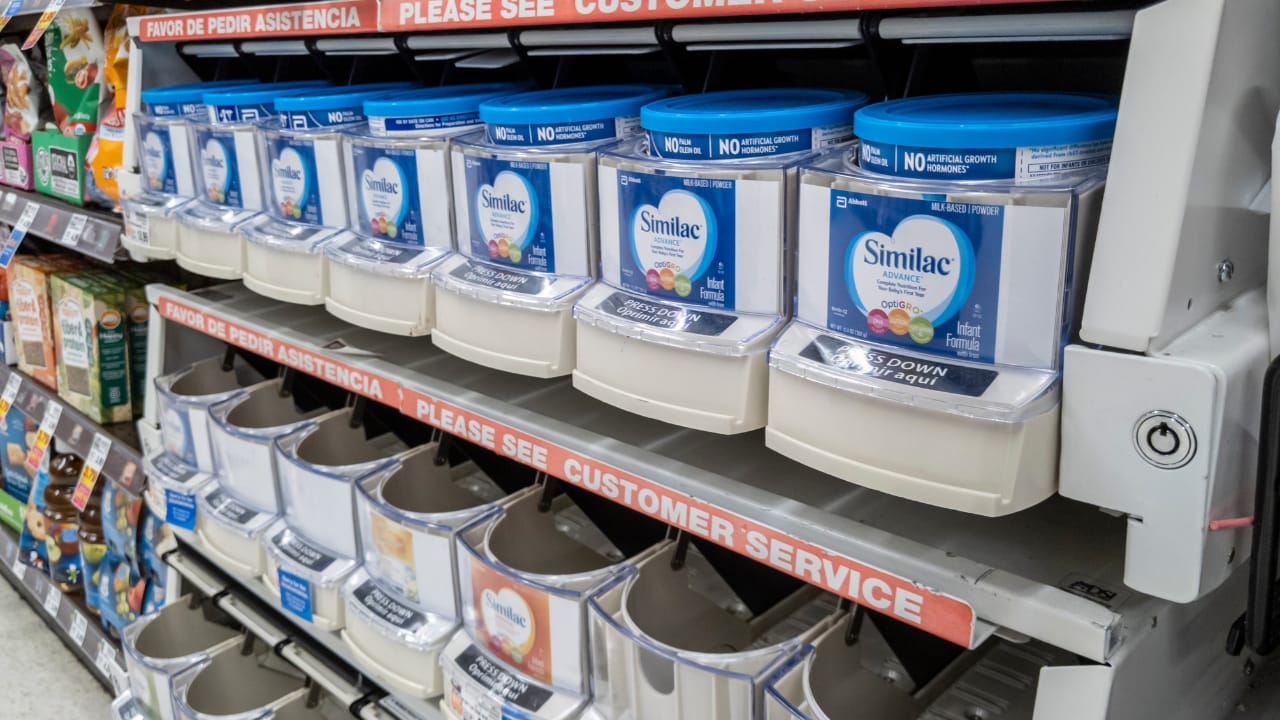
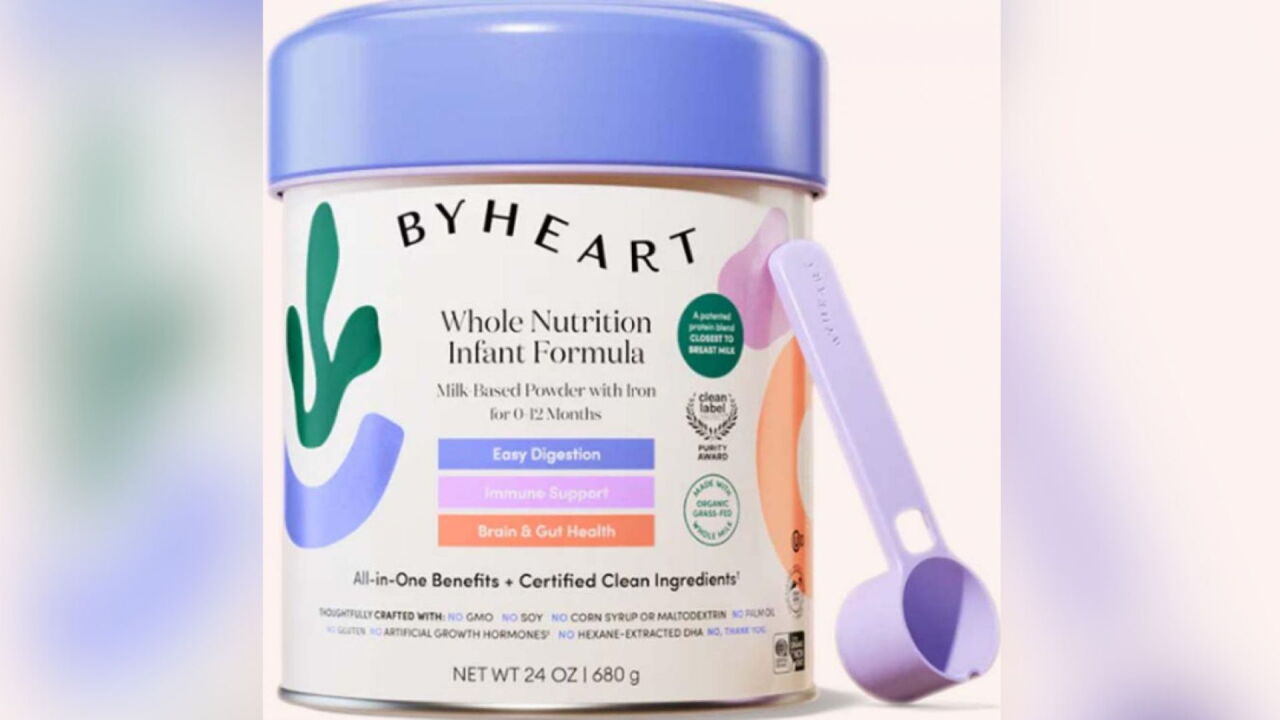
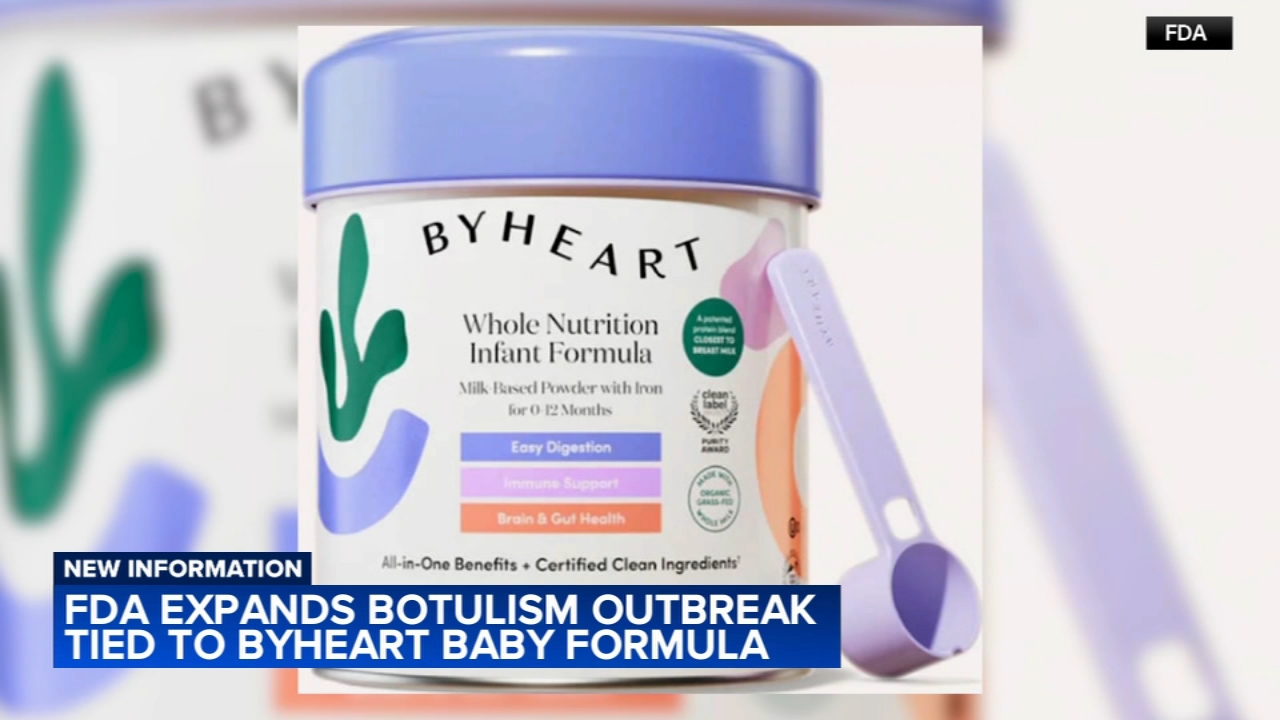
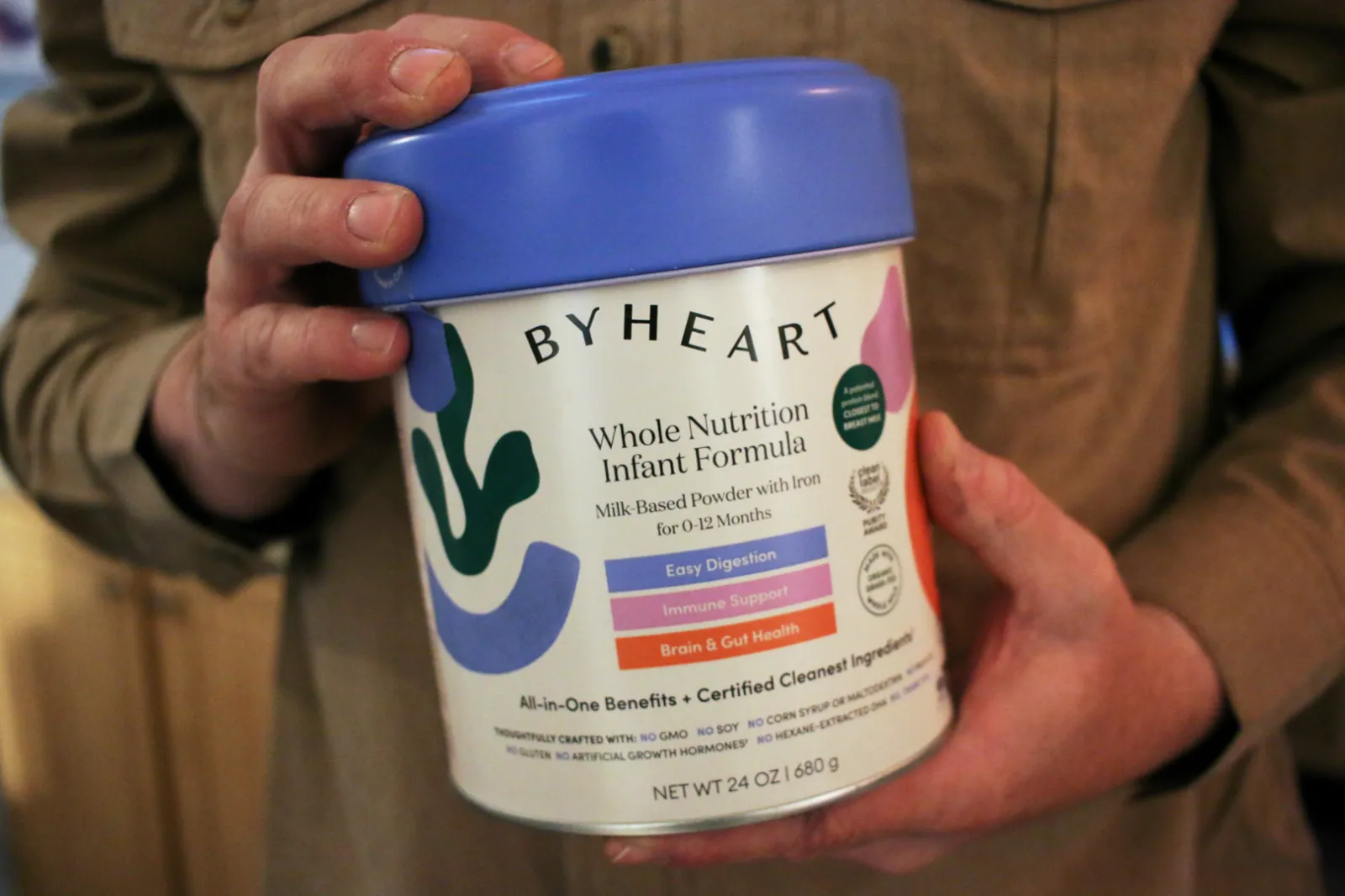
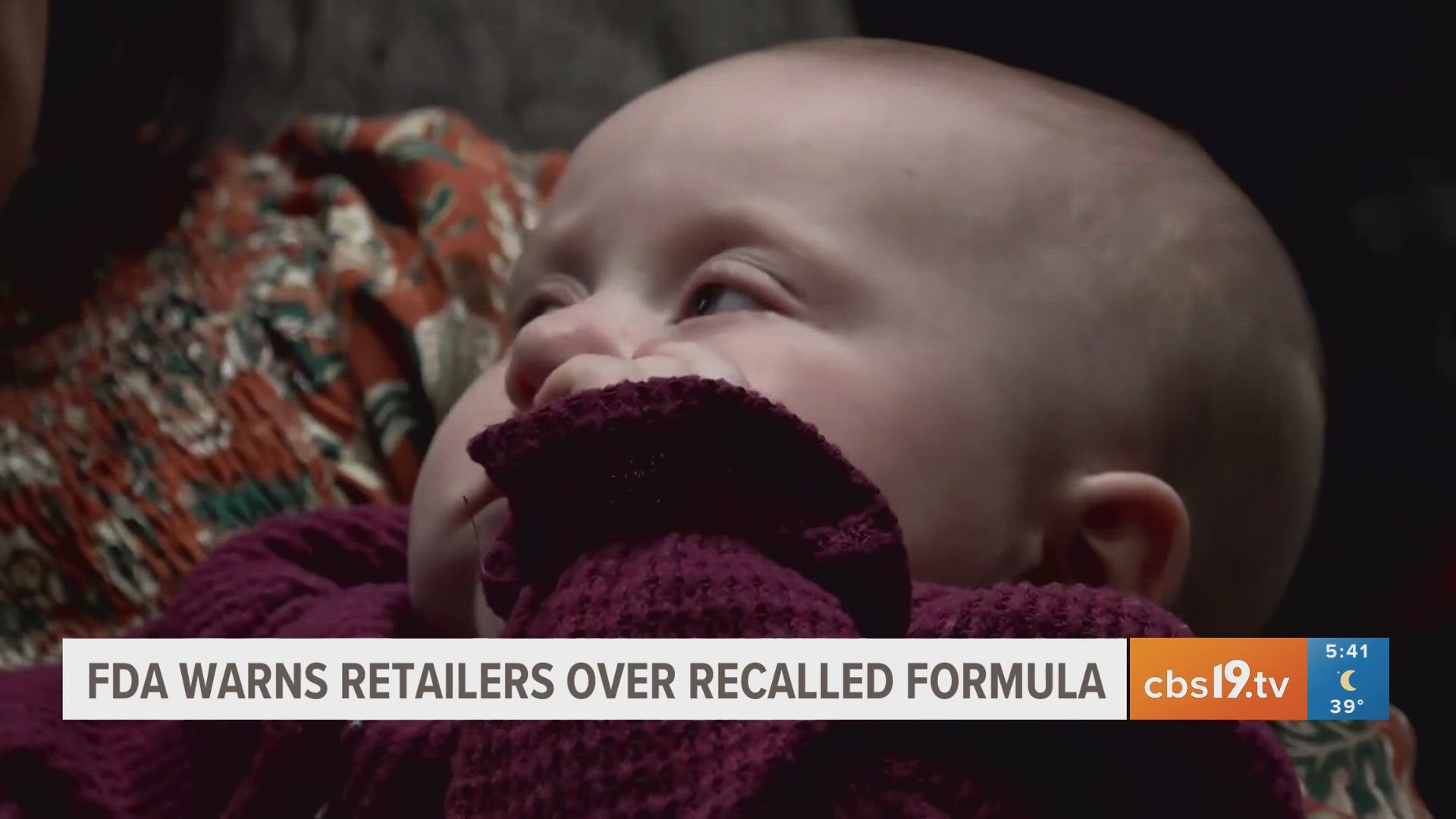
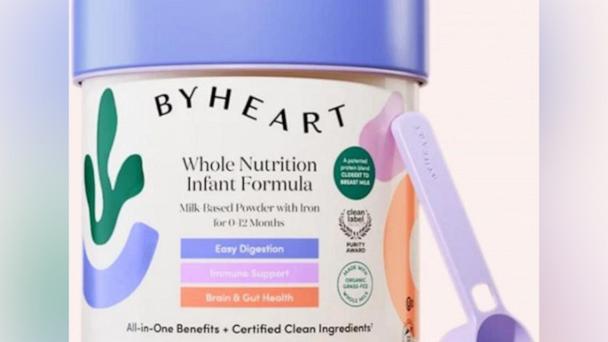
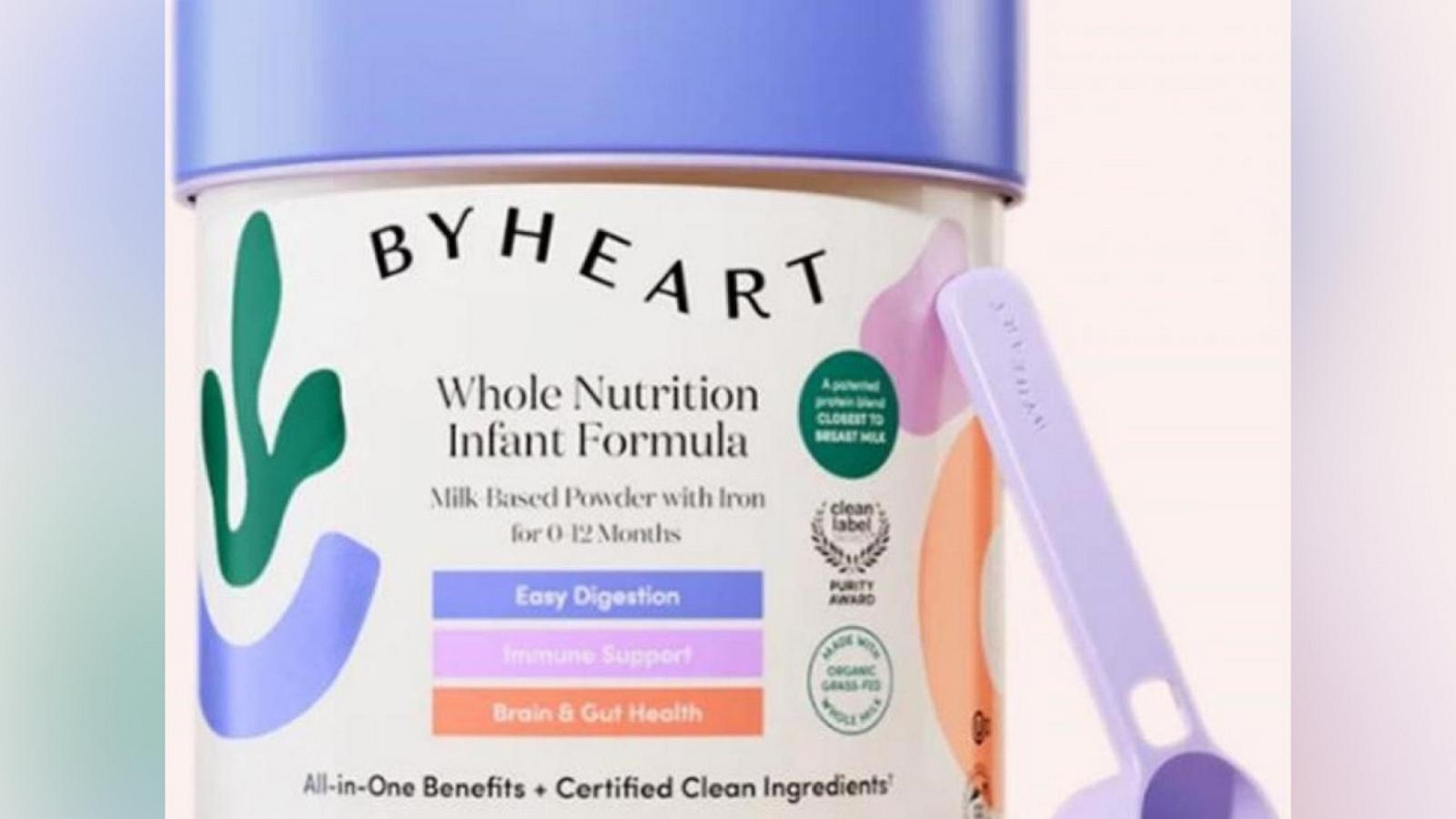
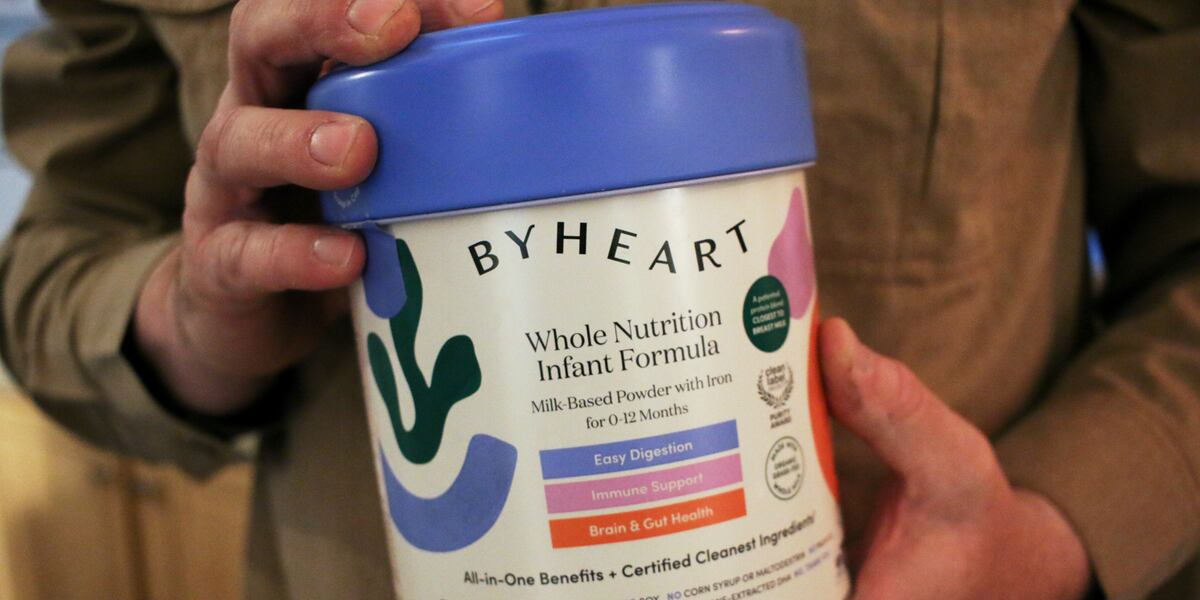
Regulatory enforcement mechanisms demonstrated significant weaknesses in this outbreak. The FDA's investigation uncovered that major retailers like Target, Walmart, Kroger, and Albertsons continued selling recalled ByHeart infant formula weeks after the initial November 8th recall, despite electronic sales blocks and explicit warning notifications. This persistent availability of contaminated products represents a catastrophic compliance failure, with 51 infants hospitalized across 19 states.
The most striking revelation is the multi-layered compliance breakdown. Retailers exhibited alarming indifference, with some stores even continuing to display promotional signage for recalled products. Retail workers cited various excuses, including stocking issues and recall confusion, which underscores a fundamental lack of product safety training and accountability protocols.
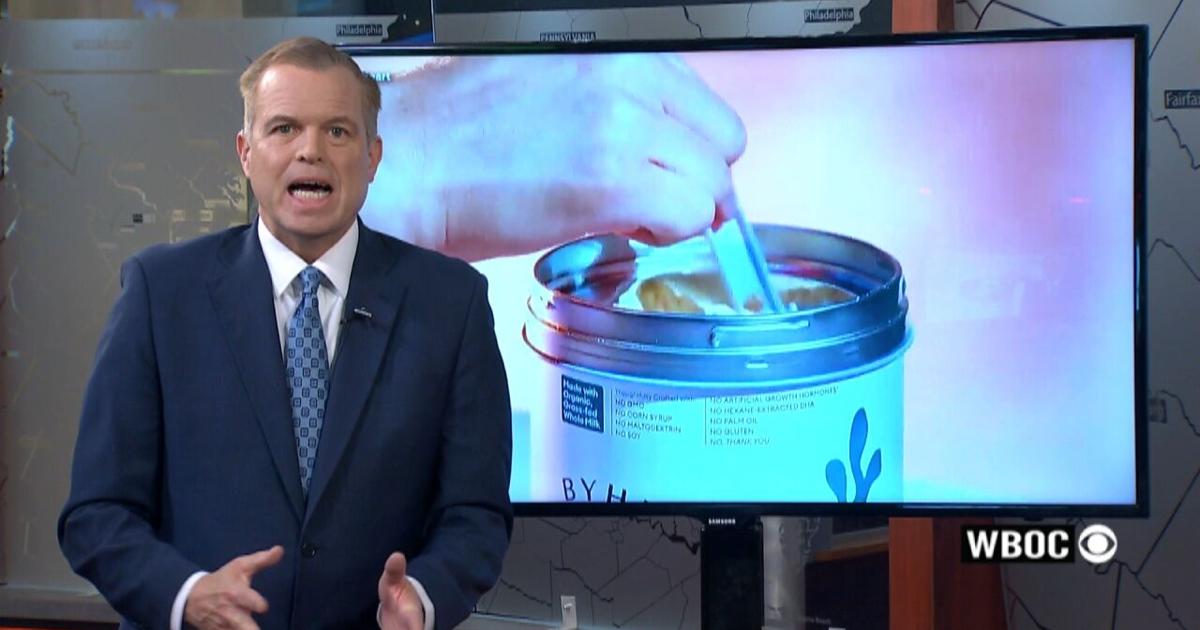
Equally concerning is the systemic communication failure between regulatory bodies. Steven Mandernach from the Association of Food and Drug Officials noted that the FDA itself was slow in distributing recall information, not fully sharing product lists until November 14—nearly a week after the initial recall. This delay further complicated the removal of contaminated formula from store shelves.
The incident highlights a critical compliance risk management challenge. ByHeart's discovery of Clostridium botulinum Type A in five out of 36 tested samples, with potential contamination across multiple lots, demonstrates the urgent need for more rigorous quality control mechanisms. The company's commitment to a comprehensive audit of its product development chain signals an acknowledgment of these systemic vulnerabilities.
For cross-border e-commerce and retail sellers, this outbreak serves as a stark warning. The compliance landscape now demands unprecedented levels of vigilance, particularly in sensitive product categories like infant nutrition. Sellers must develop rapid response mechanisms, implement real-time recall tracking systems, and establish clear accountability protocols that prioritize consumer safety over operational convenience.
Questions 4
What steps should retailers take to improve product recall compliance?
Retailers should implement real-time recall tracking systems, conduct comprehensive staff training on product safety protocols, establish immediate electronic sales blocking mechanisms, and develop clear accountability frameworks for swift product removal. They must prioritize consumer safety over operational convenience.
How many infants were affected by this recall, and what were the health risks?
51 infants across 19 states were hospitalized due to potential botulism exposure. Botulism is a rare but potentially deadly infection that can cause severe neurological complications, including constipation, weakness, breathing problems, and potential respiratory complications in infants.