





Google's AI Search Evolution: Navigating the Personalization and Visibility Frontier
- Transformative AI interface strategies reshape search experience for cross-border sellers and users






Overview
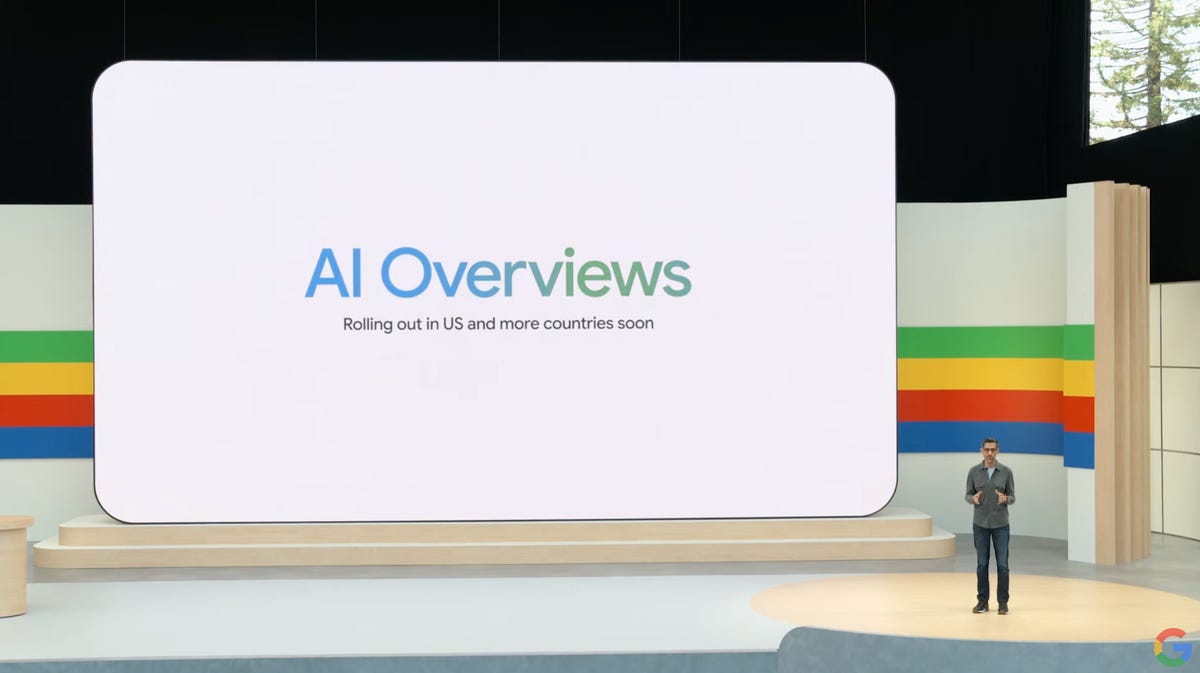
The landscape of AI-powered search is undergoing a profound metamorphosis, with Google's recent developments signaling a strategic pivot toward more intelligent, personalized user experiences. In 2025, the company's AI Overviews demonstrated remarkable dynamism, revealing a complex interplay between technological capability and user interaction that goes far beyond simple information retrieval.
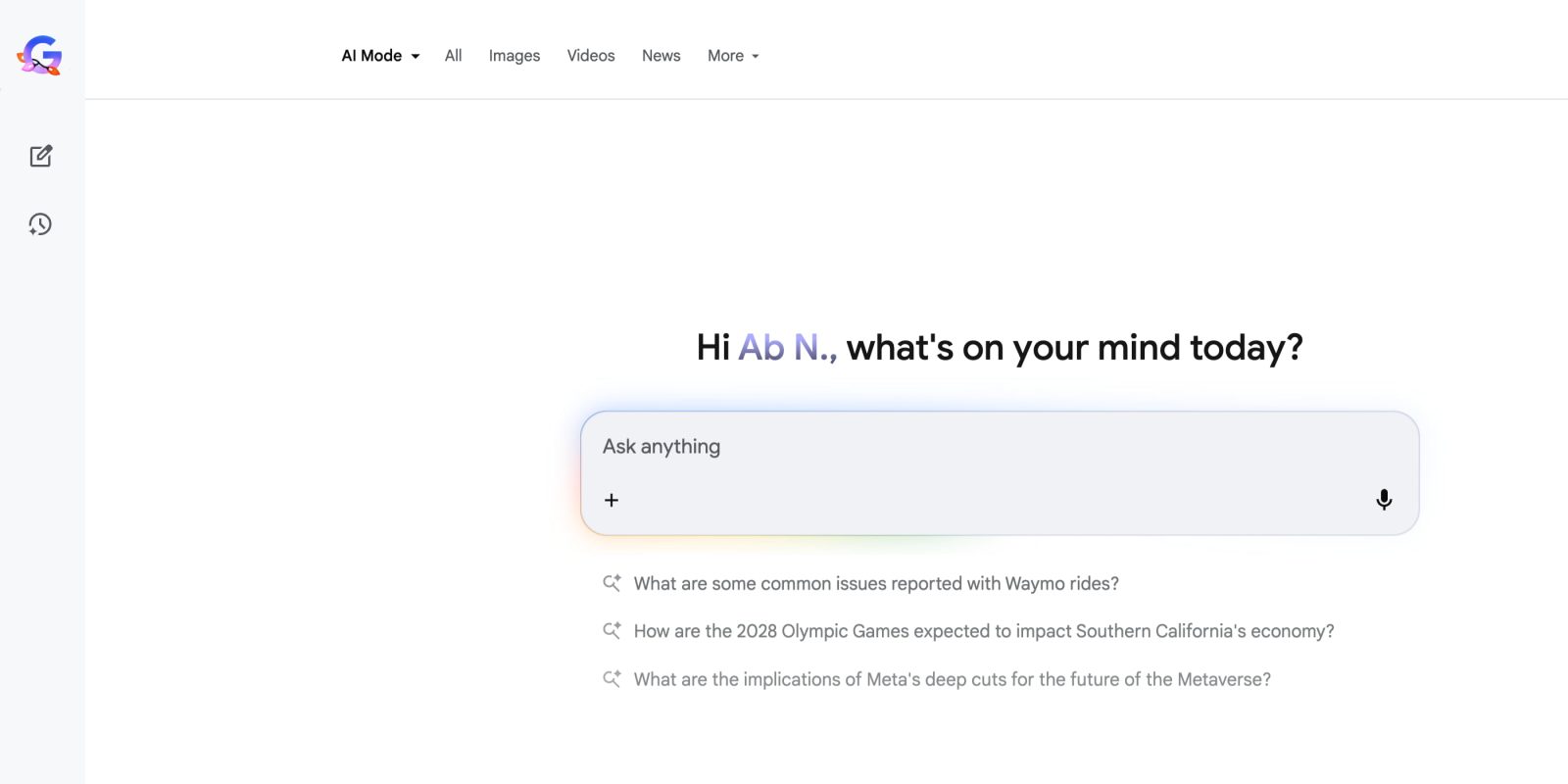
Personalization Becomes the New Norm. Google's AI Mode homepage update represents a critical inflection point in user experience design. By introducing a personalized greeting—"Hi [name], what's on your mind today?"—and implementing a sophisticated Models picker, the company is fundamentally reimagining how users interact with AI. The introduction of two distinct modes—'Auto' and 'Thinking with 3 Pro'—signals a nuanced approach to computational complexity, allowing users to choose between adaptive responses and more deliberative reasoning processes.
Search Landscape Transformation. The AI Overviews feature's evolution tells a compelling story of technological maturation. Starting with 91% informational query coverage in January, the feature rapidly expanded to include commercial (8% to 18%) and transactional (2% to 14%) search types by October. Most intriguingly, contrary to initial assumptions, these AI Overviews did not cannibalize user engagement—zero-click searches marginally decreased from 33.75% to 31.53%, suggesting users are finding genuine value in AI-generated summaries.
Vertical and Commercial Dynamics. The data reveals fascinating vertical variations in AI Overview adoption. Science leads with 25.96% saturation, followed by Computers & Electronics (17.92%) and People & Society (17.29%). The commercialization trajectory is equally noteworthy, with advertisement presence surging from 3% in January to approximately 40% by November. This suggests a strategic monetization approach that seamlessly integrates AI-generated content with advertising ecosystems.
For cross-border e-commerce sellers, these developments represent both a challenge and an opportunity. The evolving search landscape demands adaptive strategies that leverage AI's capabilities while understanding its nuanced implementation across different query types and vertical markets.
Questions 3
How are Google's AI Overviews changing the search experience for users?
Google's AI Overviews are expanding beyond informational queries, now covering commercial and transactional searches. The feature provides more contextual, adaptive responses while maintaining user engagement, with zero-click searches only marginally decreasing from 33.75% to 31.53%.
Why did Google introduce different AI interaction modes like 'Auto' and 'Thinking with 3 Pro'?
These modes represent a sophisticated approach to user interaction, allowing flexibility in computational complexity. 'Auto' provides adaptive responses, while 'Thinking with 3 Pro' offers more deliberative, complex reasoning—giving users granular control over their AI interaction experience.