


NBA Officiating Drama Reveals Deeper Competitive Tensions
- Escalating Player Conflicts Signal Heightened Performance Pressures in Professional Sports







Overview
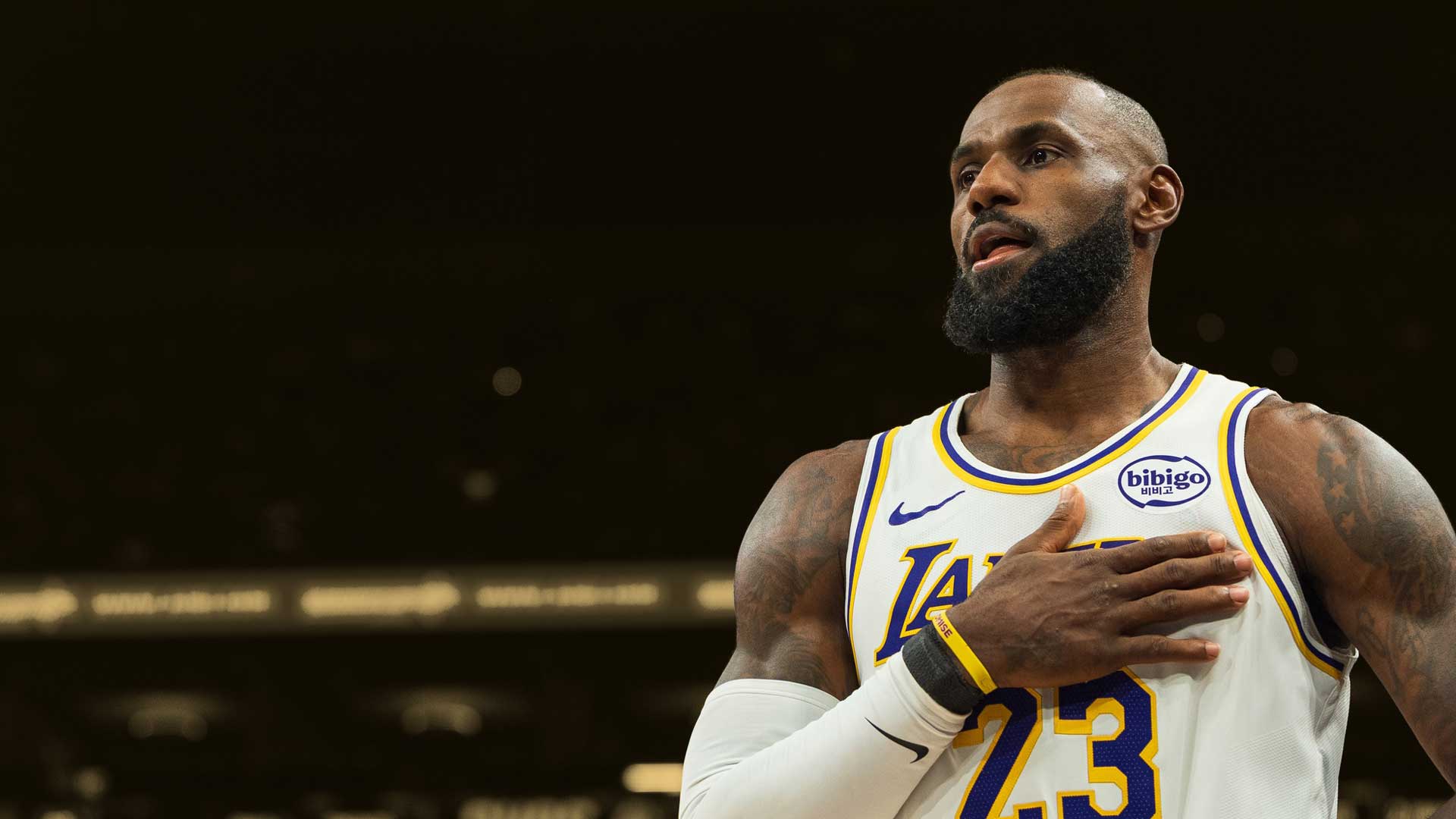
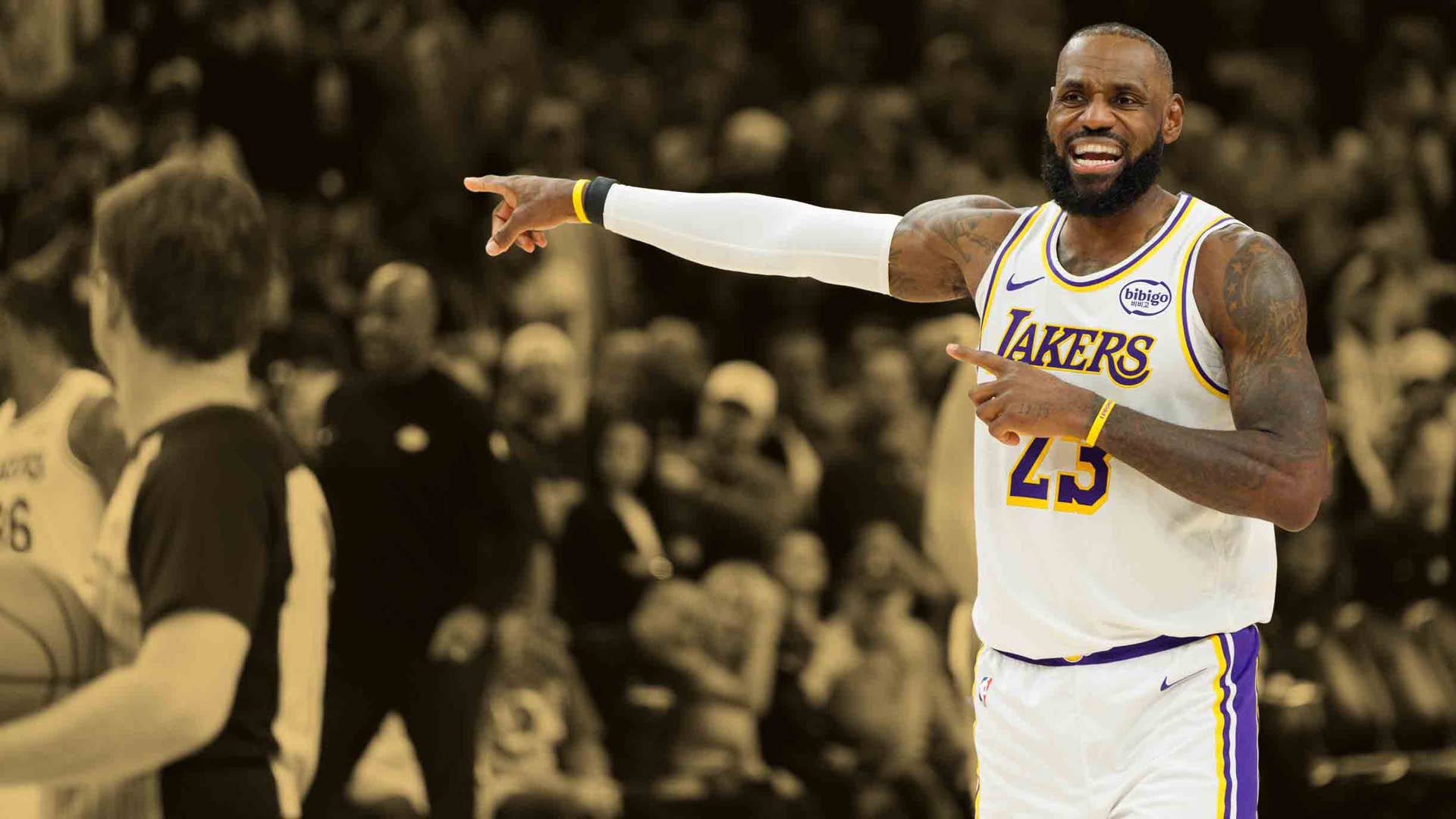
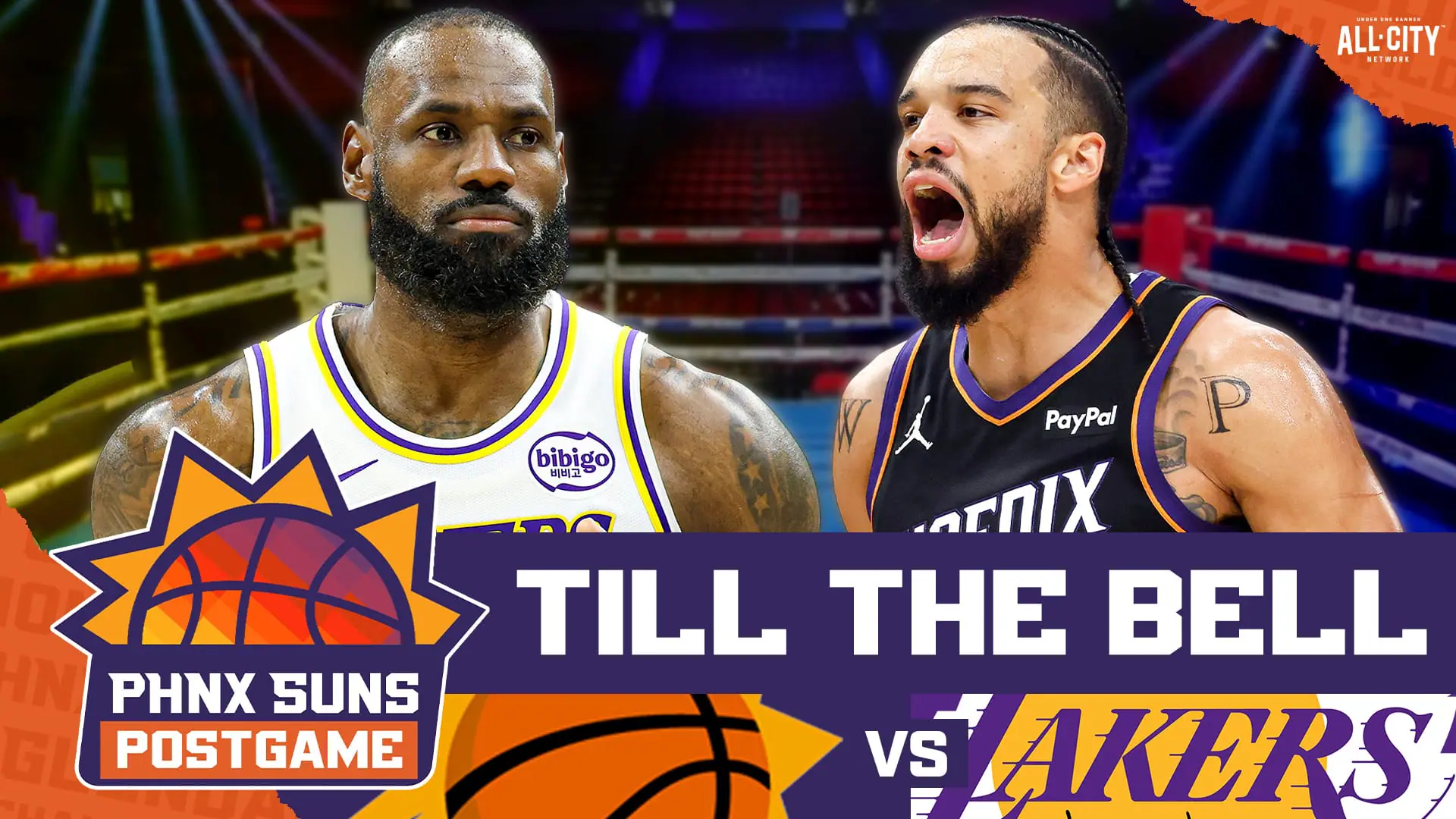
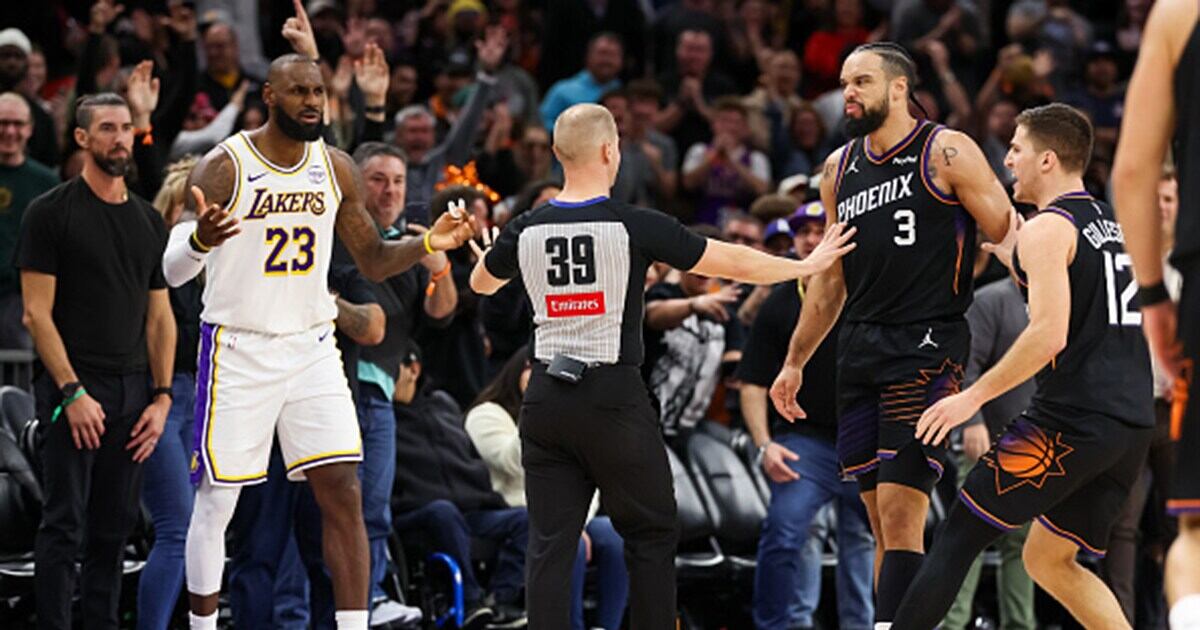
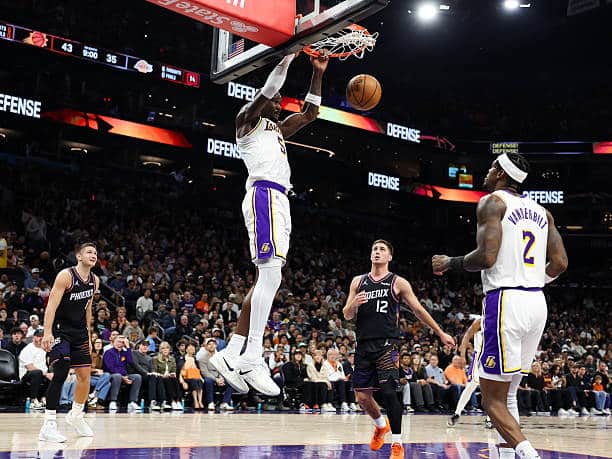
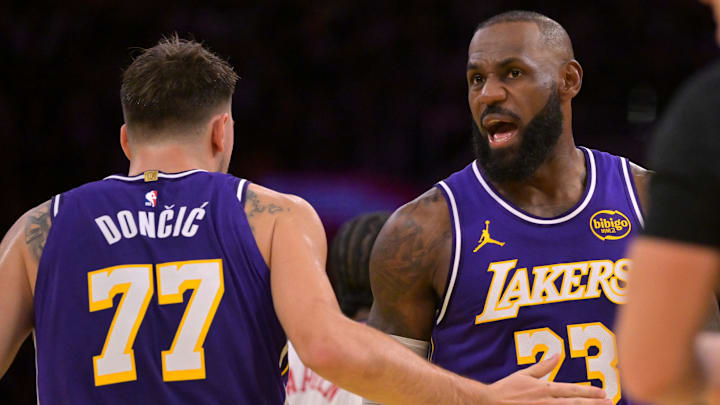
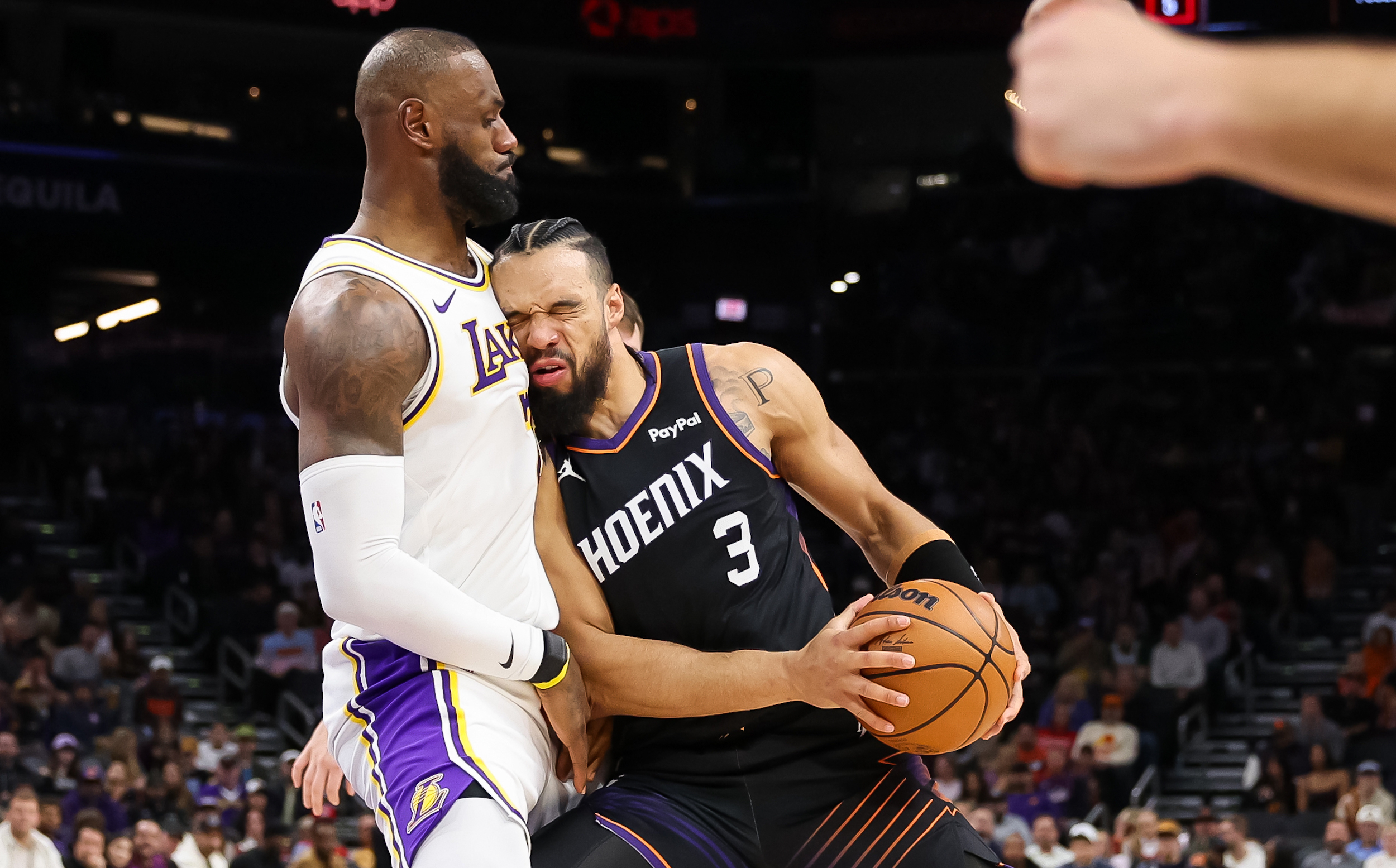
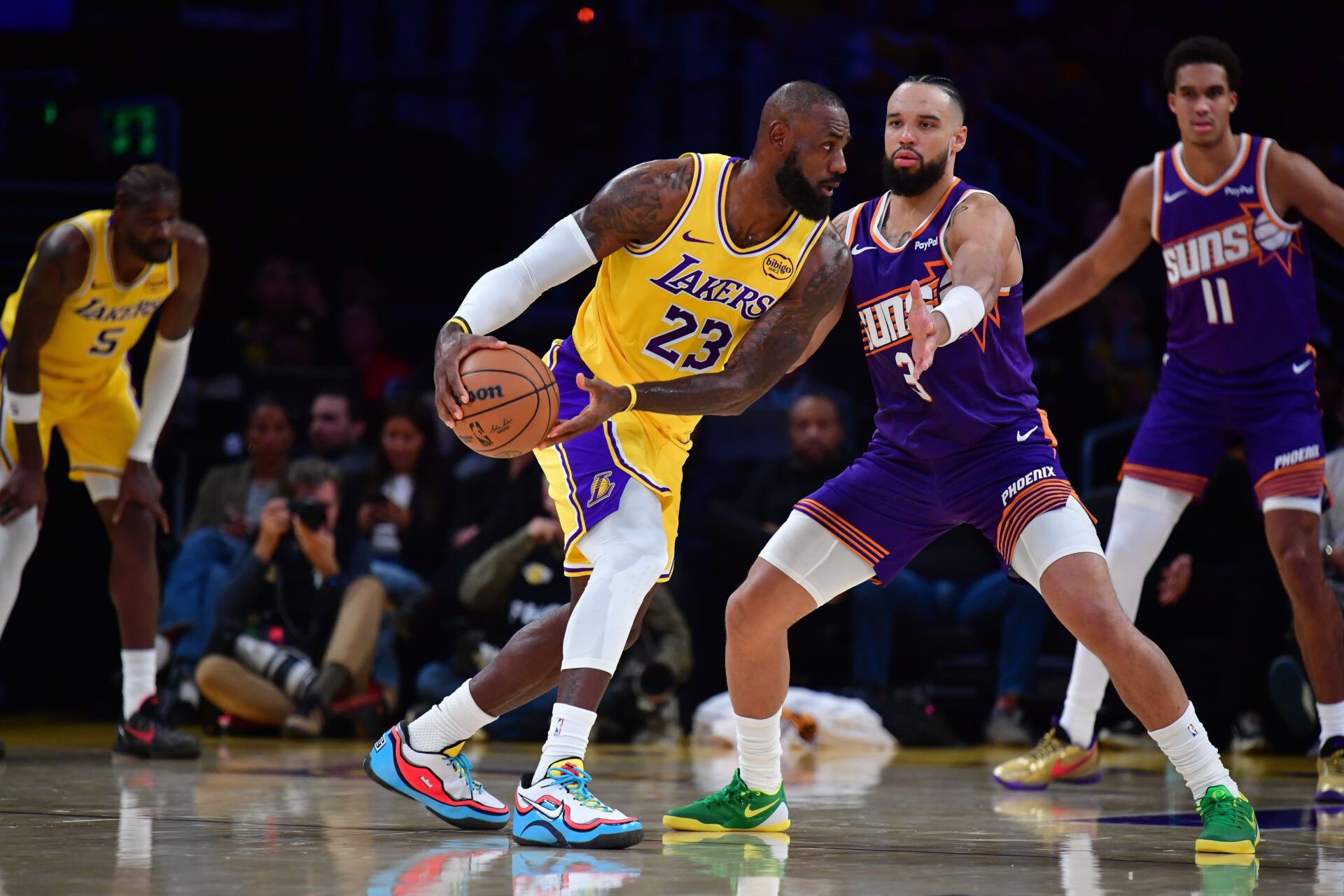
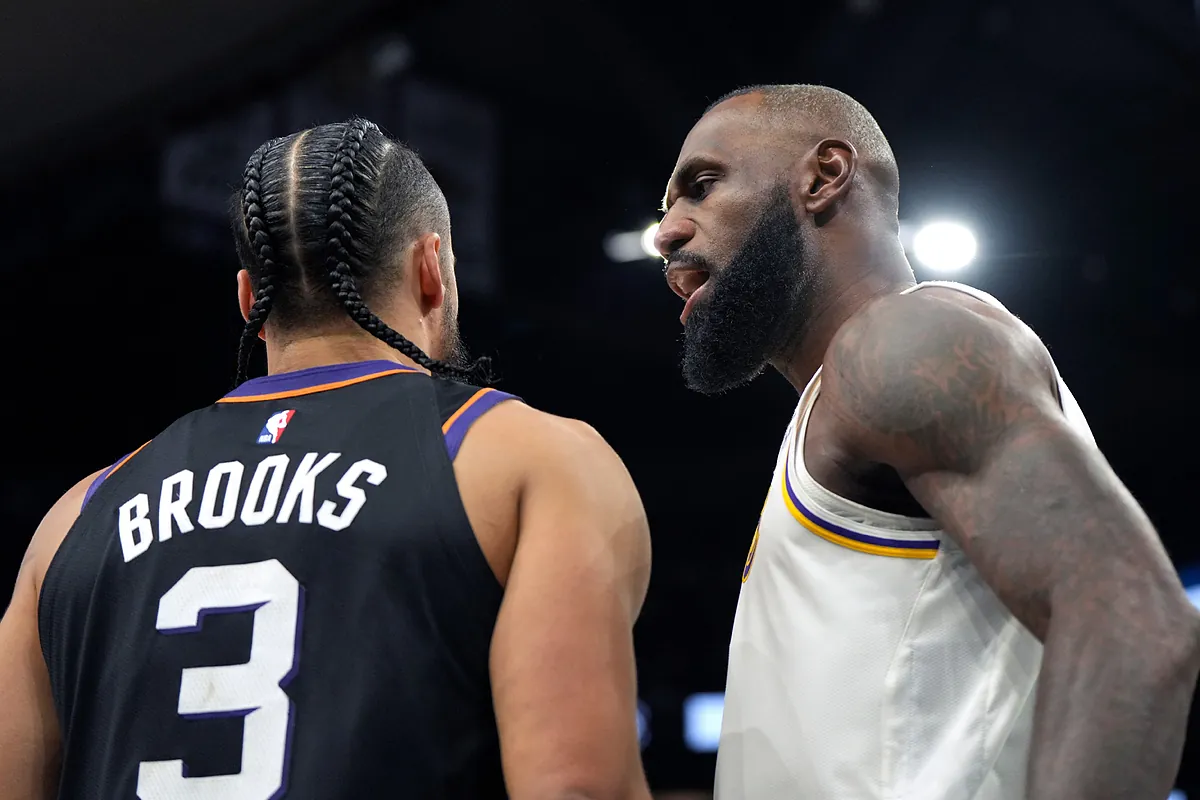
In a high-stakes NBA matchup between the Los Angeles Lakers and Phoenix Suns, the game's narrative transcended mere athletic competition, revealing intricate dynamics of professional sports performance and interpersonal tensions. The 116-114 Lakers victory was less about the scoreboard and more about the complex interactions between LeBron James and Dillon Brooks, which epitomize the razor-thin margins separating professional excellence from competitive combustion.
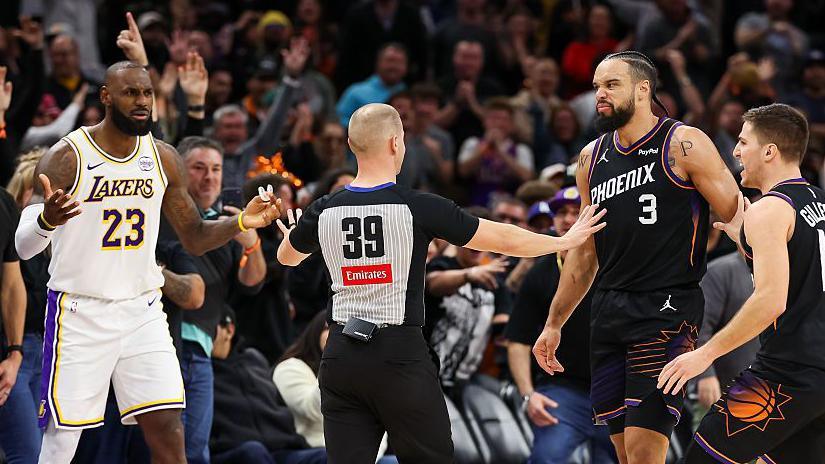
The NBA's Last Two Minute Report provided a fascinating glimpse into the microscopic details of professional officiating, confirming the referees' nuanced decision-making during critical moments. Key incidents—including a controversial non-call on James contesting Brooks' 3-pointer and Brooks receiving a technical foul for unsportsmanlike contact—underscore the psychological warfare inherent in elite sports competition. The report's meticulous breakdown reveals how split-second physical interactions can dramatically alter game trajectories.
What emerges is a broader narrative about competitive psychology and performance under pressure. Brooks' technical foul and the subsequent interactions with James demonstrate how individual ego, territorial instincts, and professional pride can transform a basketball game into a complex social drama. The league's careful documentation of these moments suggests an understanding that modern sports are as much about emotional intelligence as athletic skill.
For professional athletes and organizations, these incidents highlight the critical importance of emotional regulation and strategic self-control. The thin line between passionate competition and counterproductive aggression can determine not just game outcomes, but long-term career trajectories and team dynamics. Organizations increasingly recognize that managing interpersonal tensions is as crucial as managing physical performance.
Questions 3
What can organizations learn from these player interactions?
Professional sports organizations must invest in emotional intelligence training and conflict management strategies. Understanding that psychological dynamics are as important as physical skills can help teams build more resilient, cohesive units that perform effectively under high-stress conditions.
How do NBA referees manage high-pressure moments in critical games?
The Last Two Minute Report shows referees make nuanced, split-second decisions considering multiple factors like player positioning, intent, and game context. Their ability to maintain objectivity while managing intense player emotions is crucial to maintaining game integrity and fair competition.