

Cowboys' High-Stakes Standoff: When Player Perception Collides with Organizational Strategy
- Trevon Diggs' uncertain future reveals critical organizational decision-making dynamics








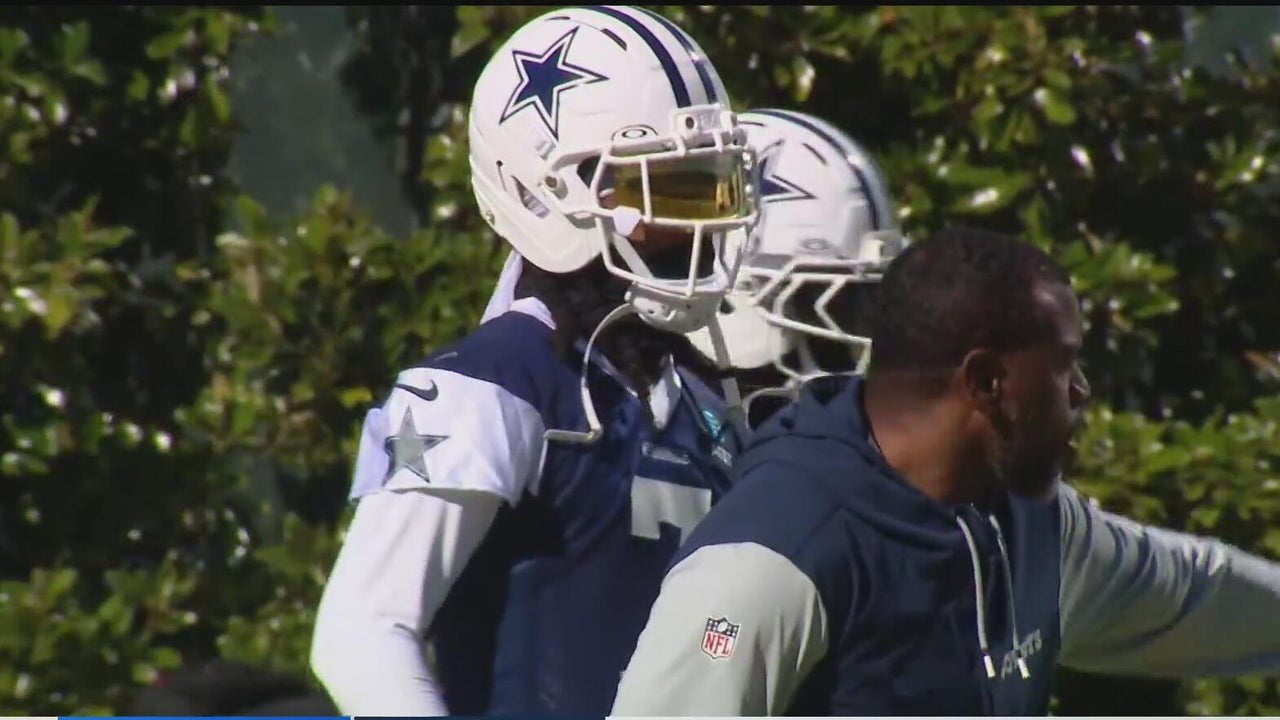


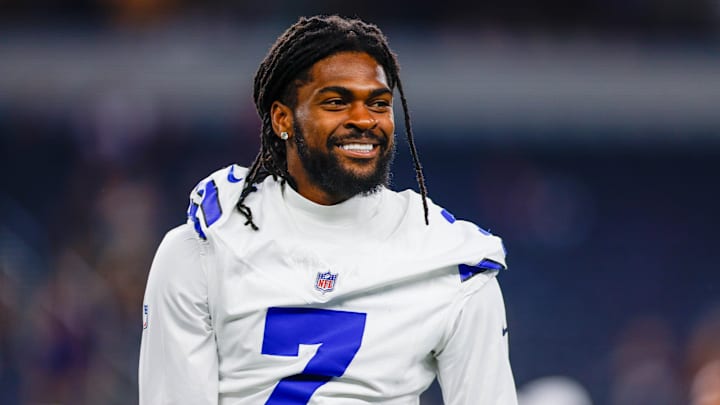




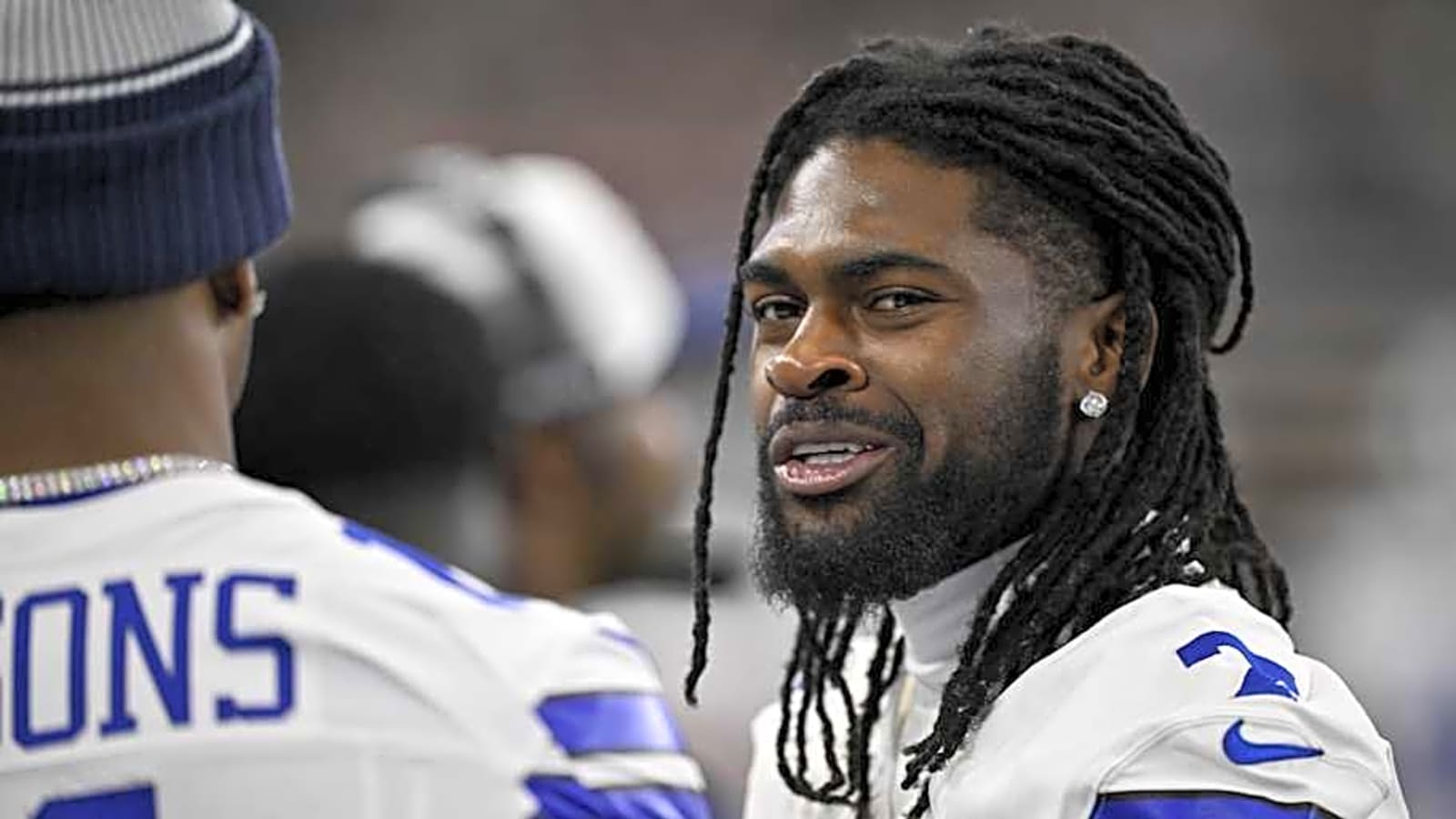
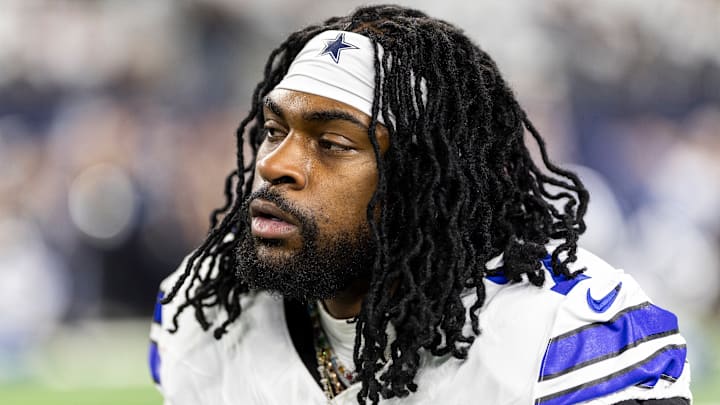

.jpg)



Overview
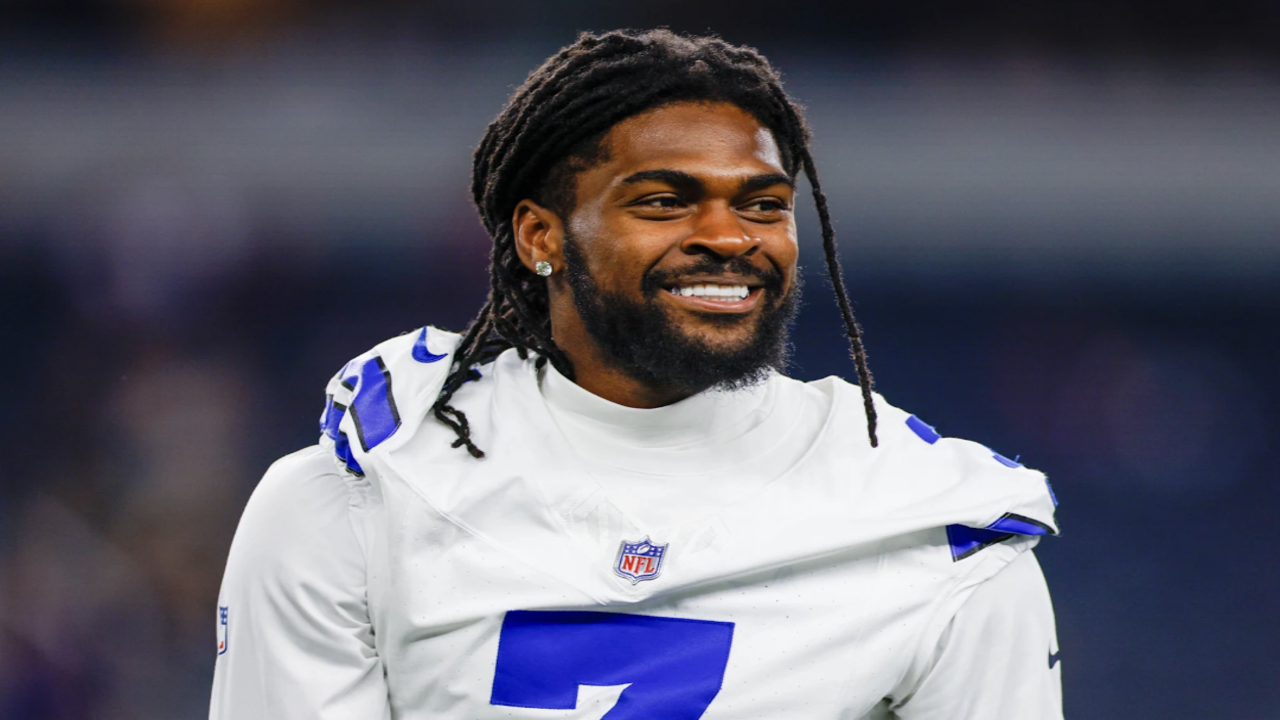
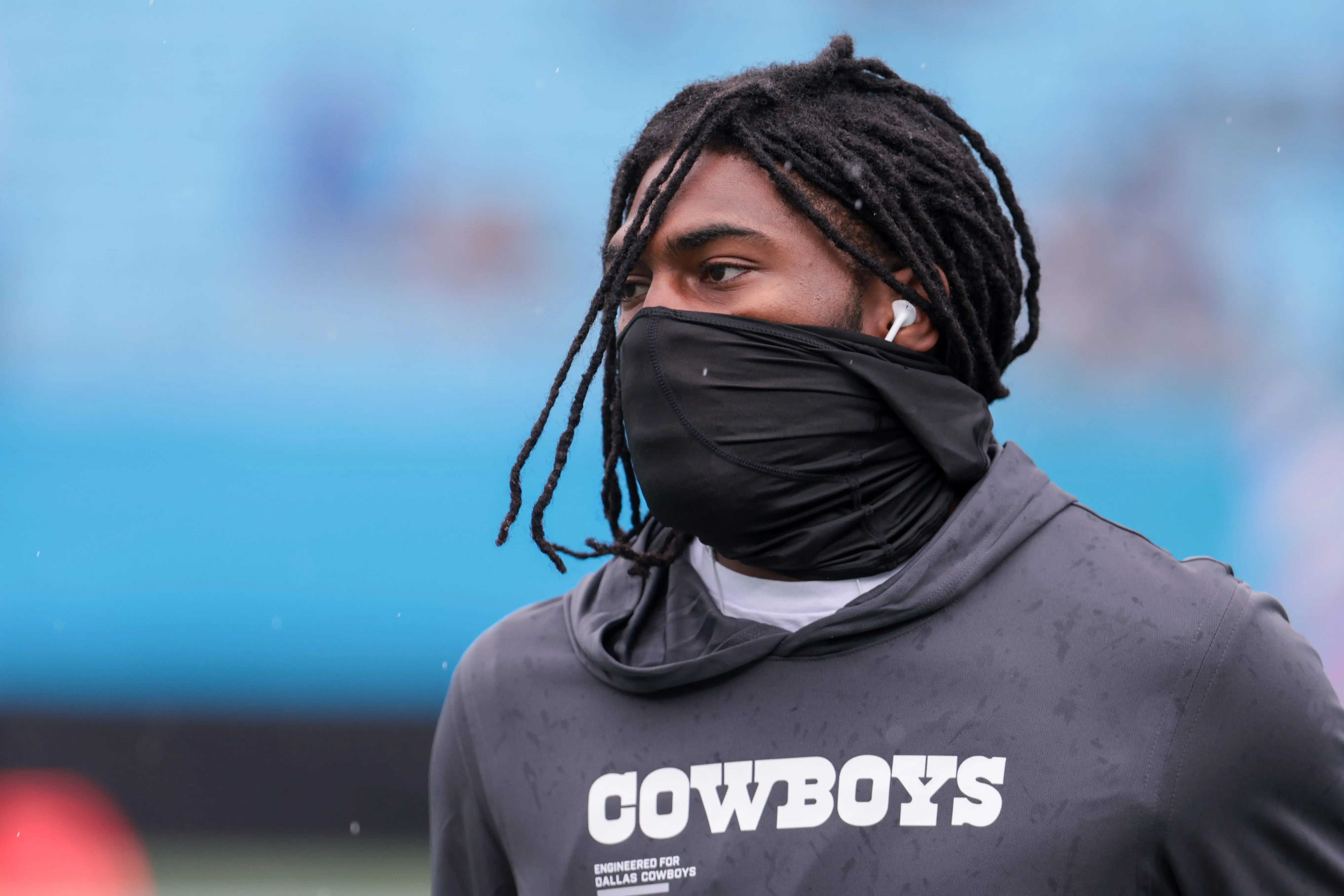
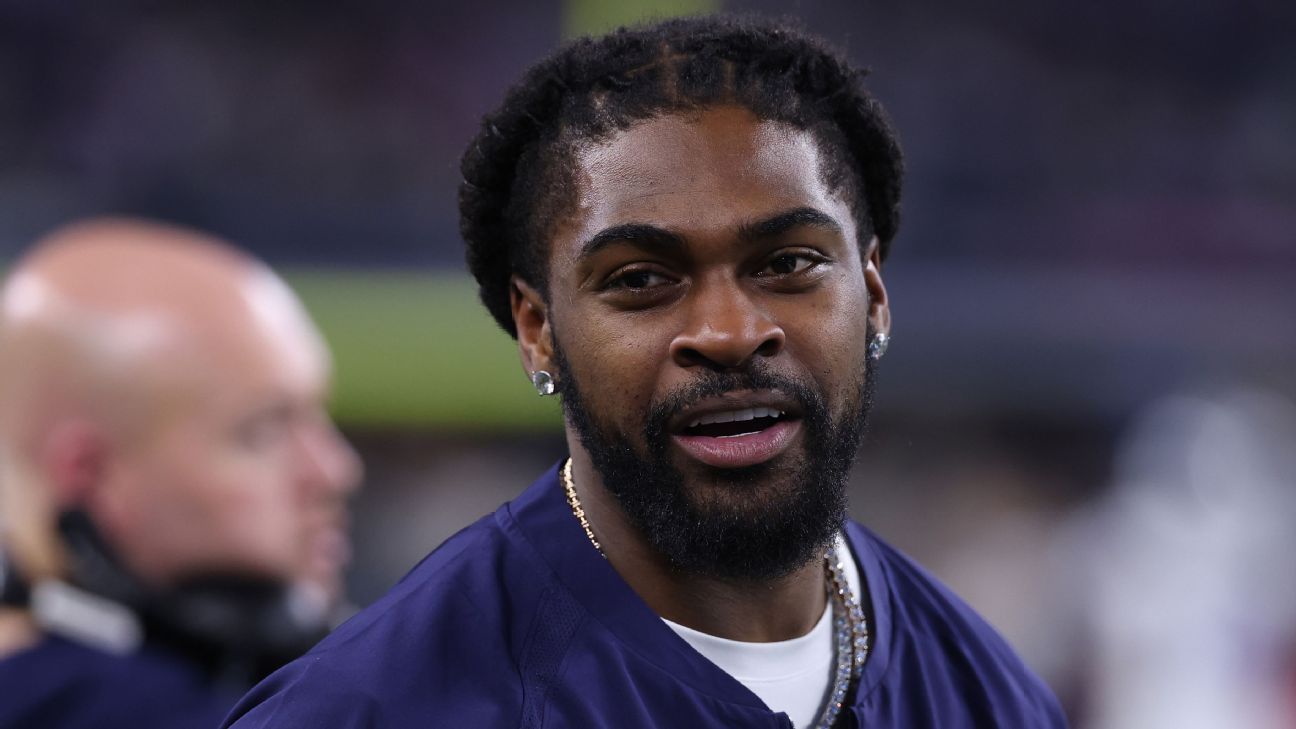
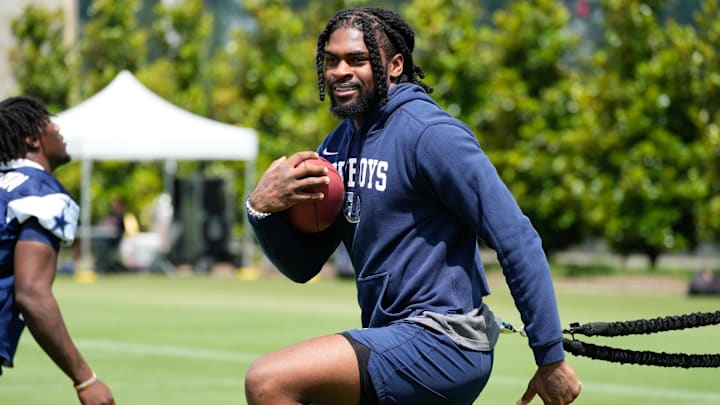
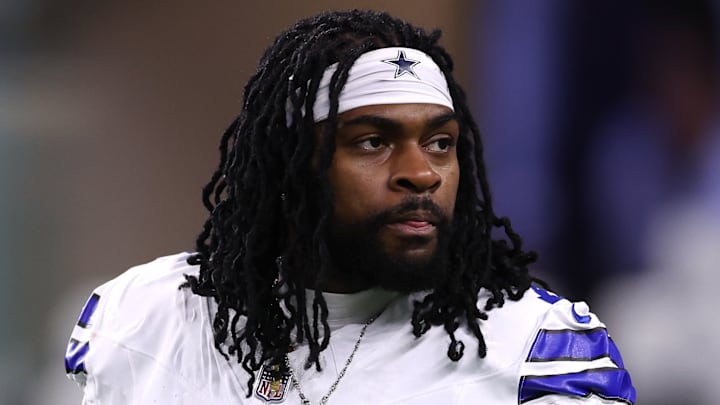
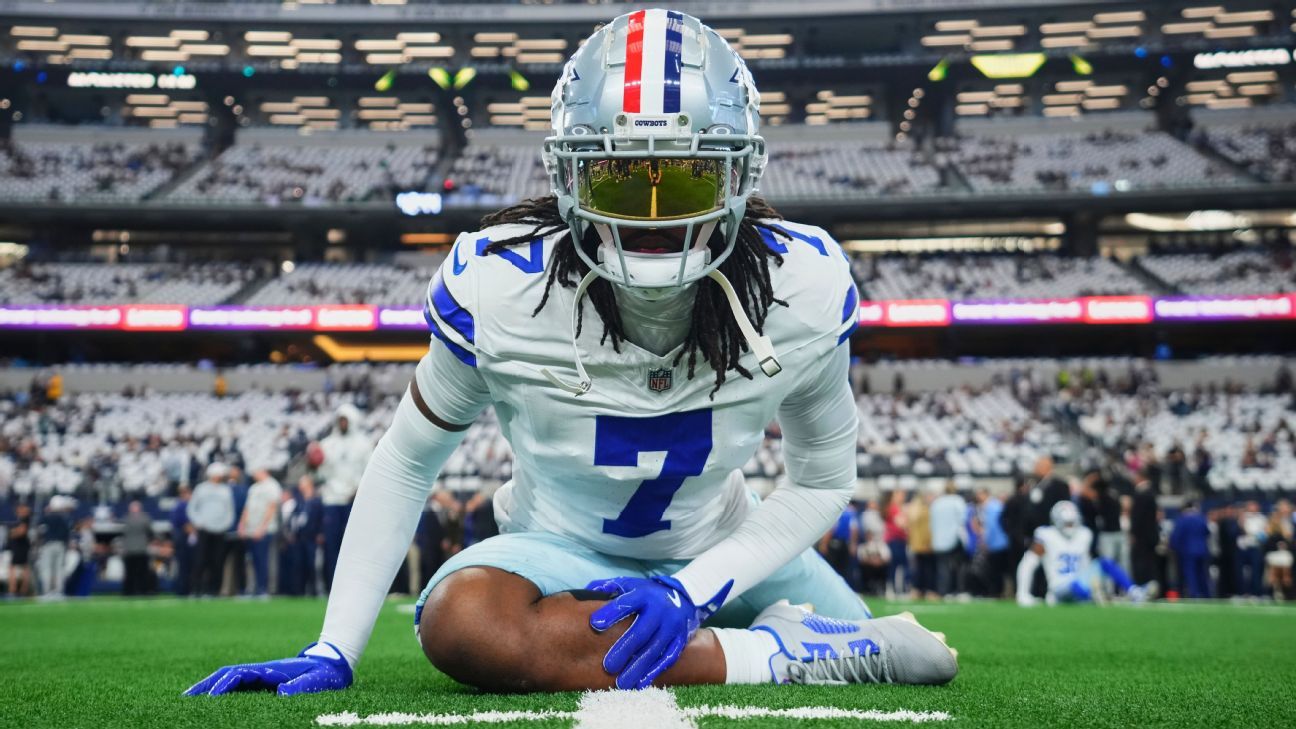
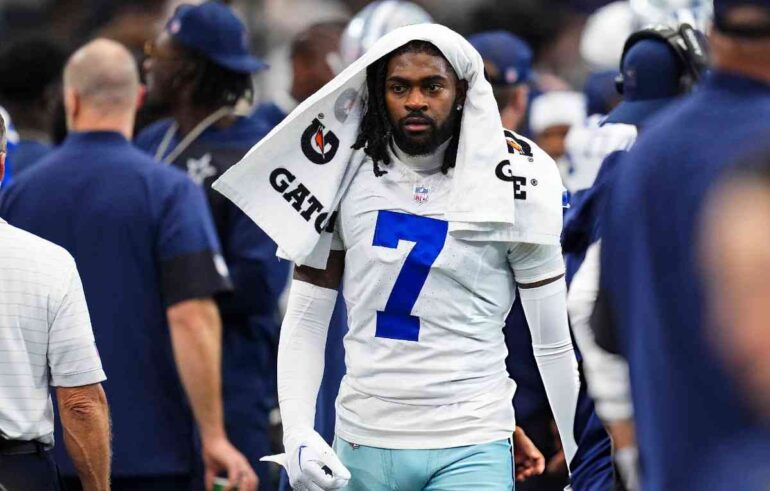
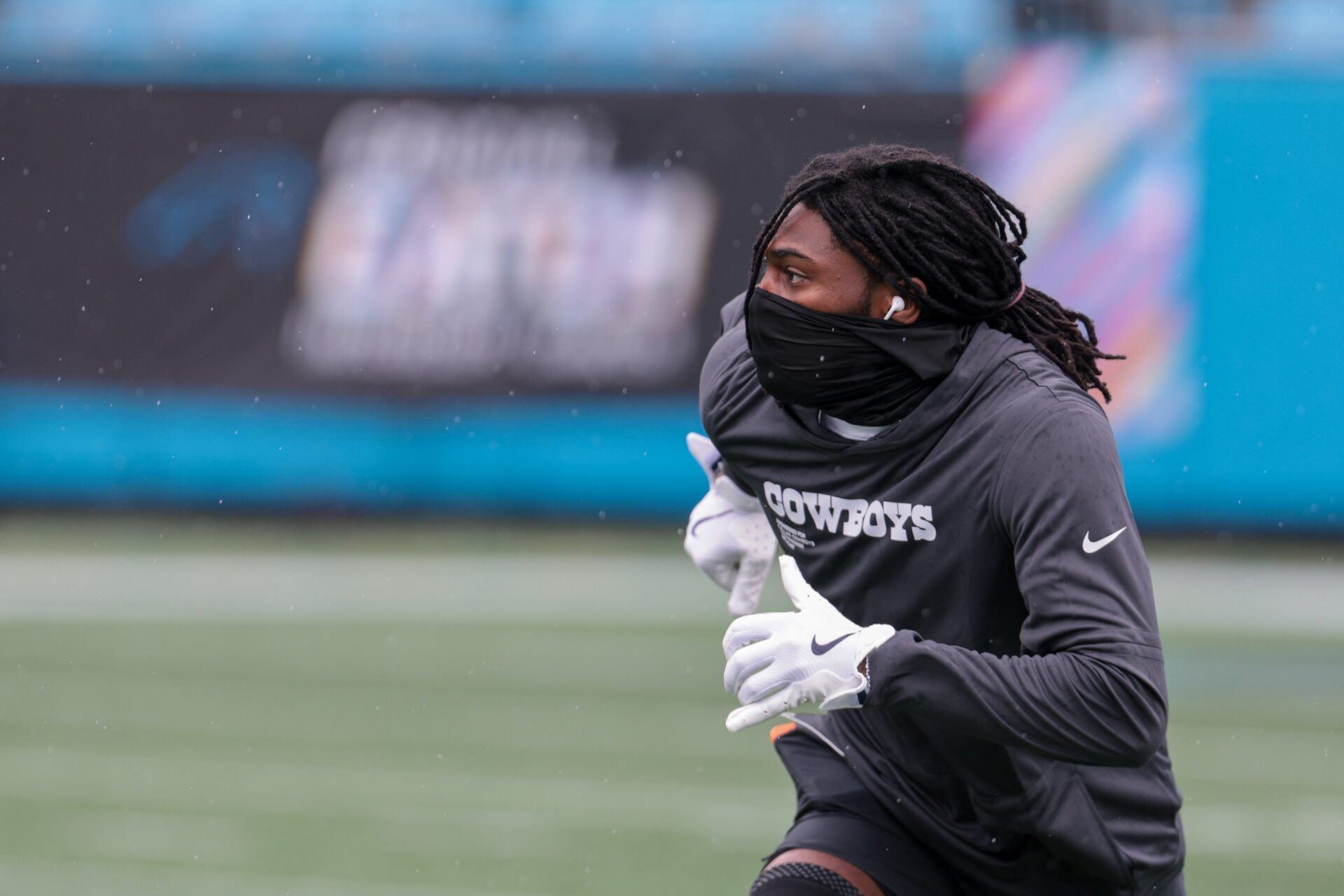
The Dallas Cowboys are navigating a complex organizational crossroads with cornerback Trevon Diggs, where individual player perception dramatically conflicts with team management's strategic calculus. At the heart of this dispute lies a multifaceted challenge that extends far beyond simple injury management.
Financial considerations are paramount in this standoff. Diggs' five-year, $97 million contract stands in stark contrast to his limited on-field availability—having appeared in just 19 games over three seasons. The Cowboys face a potentially lucrative financial opportunity, with the potential to save between $12.5 and $15.5 million in salary cap space depending on how and when they decide to part ways with the player.
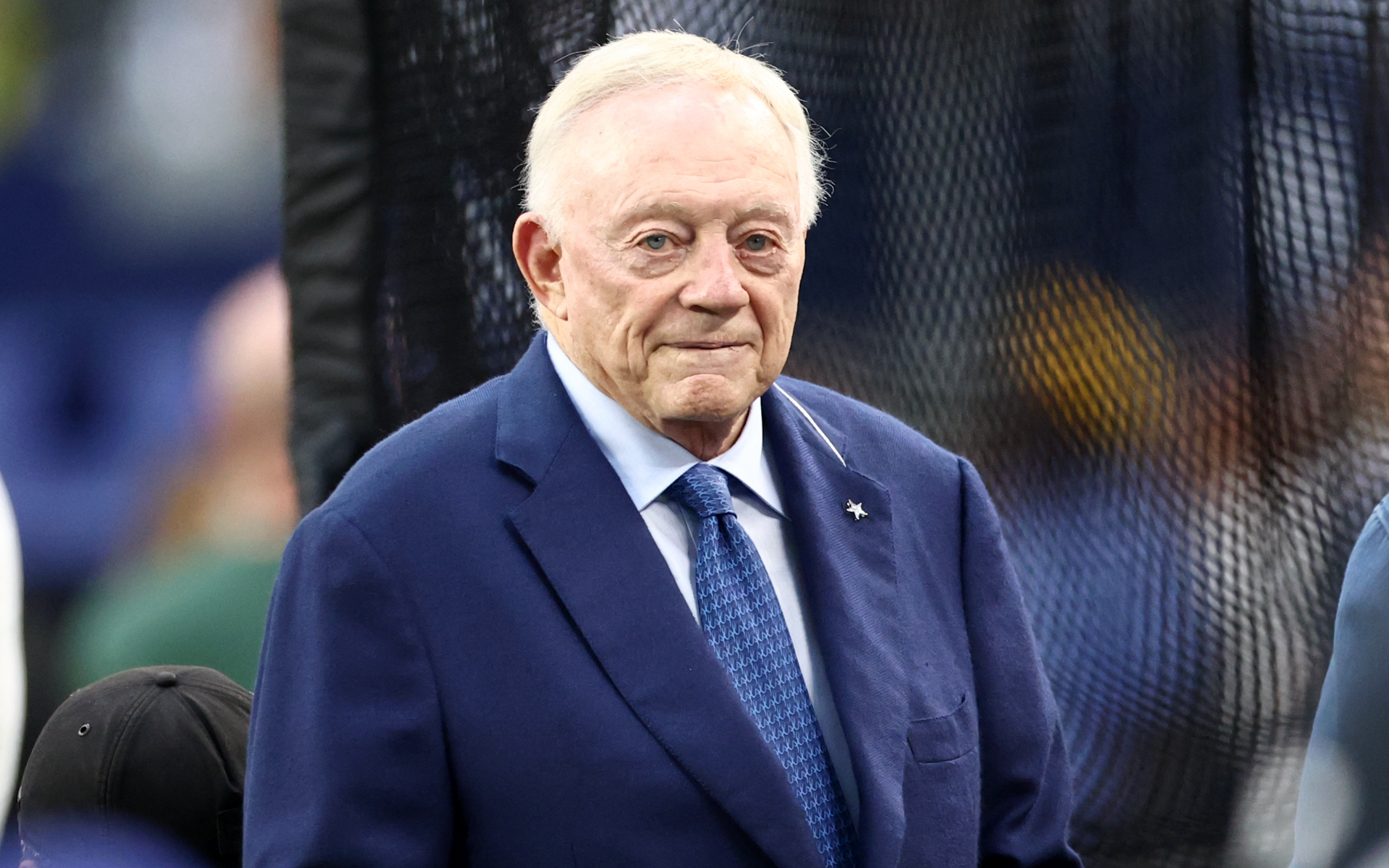
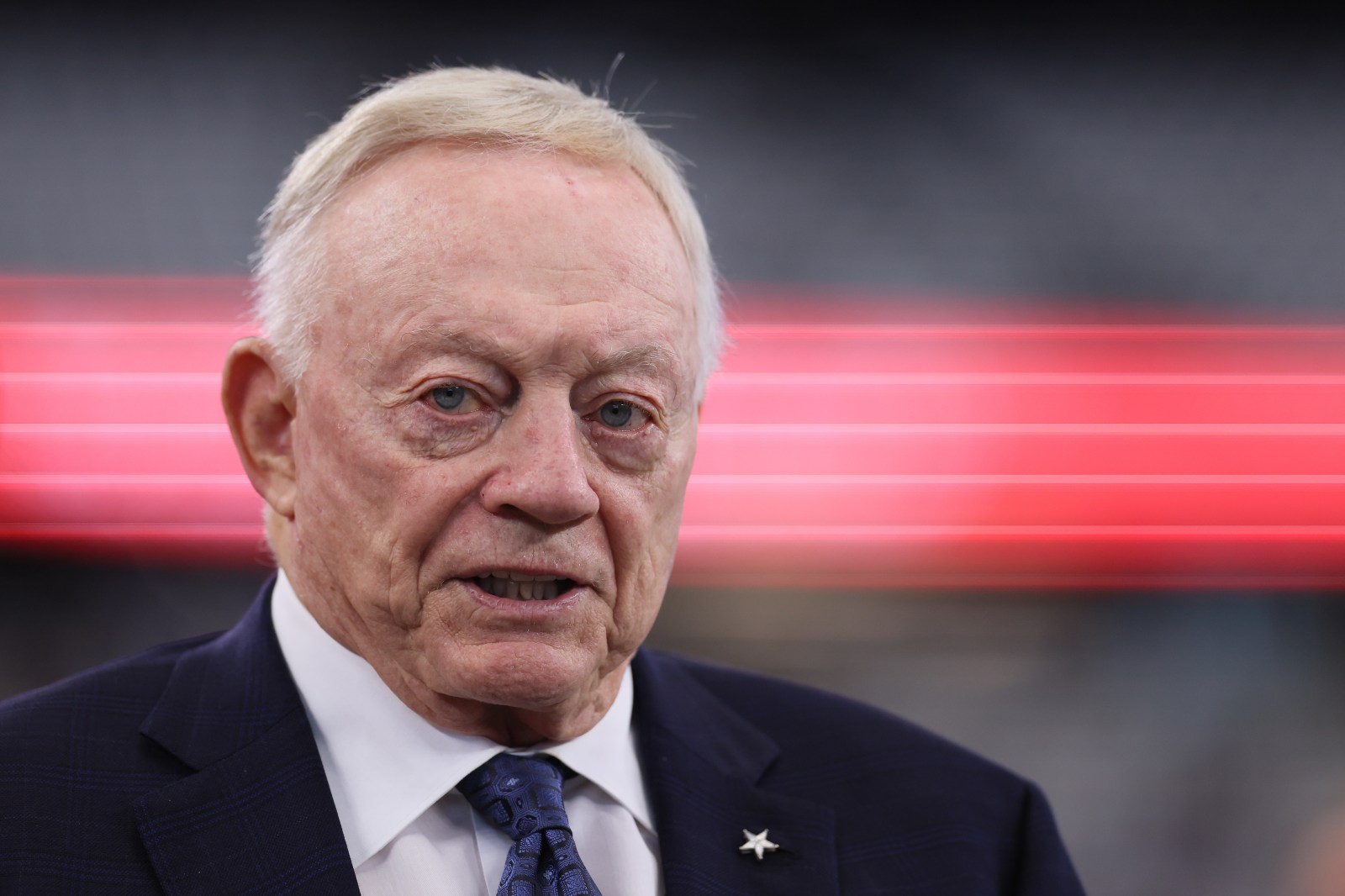
The conflict reveals deeper organizational communication breakdowns. While Diggs insists he is physically ready to play, team leadership—including owner Jerry Jones and coaching staff—suggests significant performance and cultural concerns beyond his medical status. This public disagreement highlights the complex dynamics of professional sports management, where player perception, organizational standards, and financial strategy must be carefully balanced.
The December 20th deadline for activating Diggs from injured reserve represents a critical inflection point. The Cowboys' defensive performance, currently ranking 31st in points allowed per game, adds additional urgency to this decision. The team must weigh Diggs' potential contributions against the broader implications for team culture, financial flexibility, and competitive strategy.
Ultimately, this situation transcends a simple player-team dispute. It represents a microcosm of modern sports management—where high-stakes contracts, performance expectations, and organizational vision must be continuously realigned to maintain competitive advantage.
Questions 3
What does this situation reveal about modern sports team management?
It demonstrates the intricate balance between individual player perspectives, organizational strategy, and financial considerations. The Cowboys are showcasing how high-stakes contracts require continuous reassessment, weighing athletic potential against performance, availability, and long-term team vision.
Why aren't the Cowboys activating Trevon Diggs despite his claims of being healthy?
The team suggests there are deeper concerns beyond physical health, including performance standards, practice quality, and potential cultural misalignment. Coach Brian Schottenheimer hinted at expectations and team standards that Diggs has not yet met, indicating a more complex evaluation process than simple medical clearance.