


Taiwan's Democratic Gridlock Threatens Global Credibility and Fiscal Stability
- Escalating Political Standoff Exposes Institutional Vulnerabilities in Taiwan's Governance Model





Overview
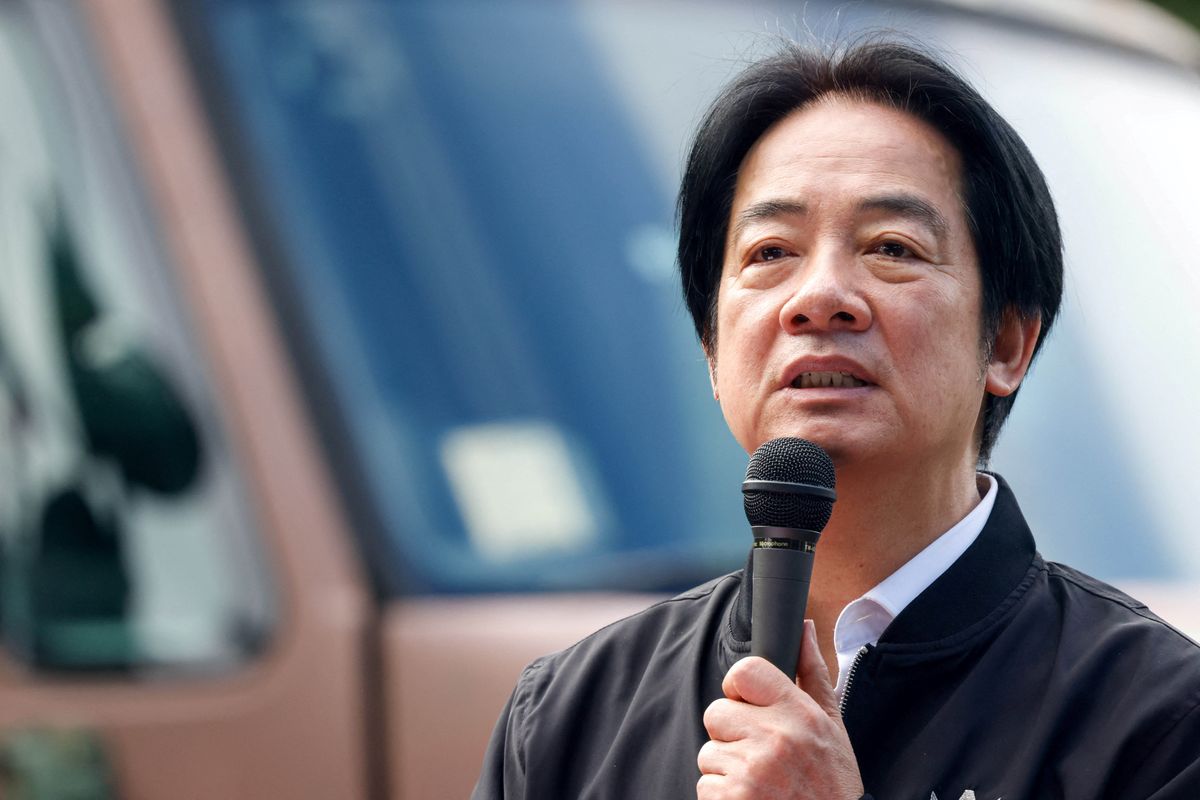
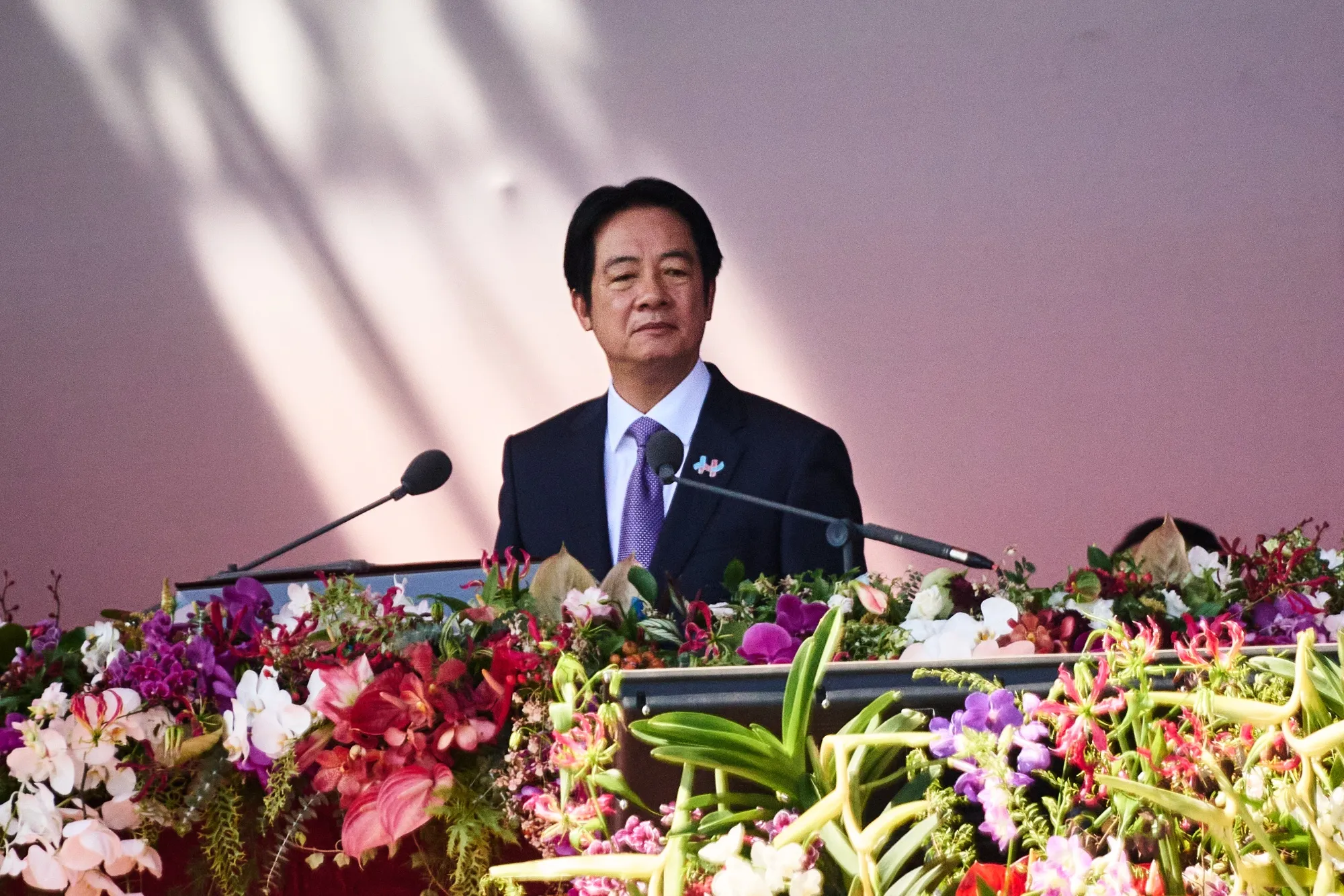
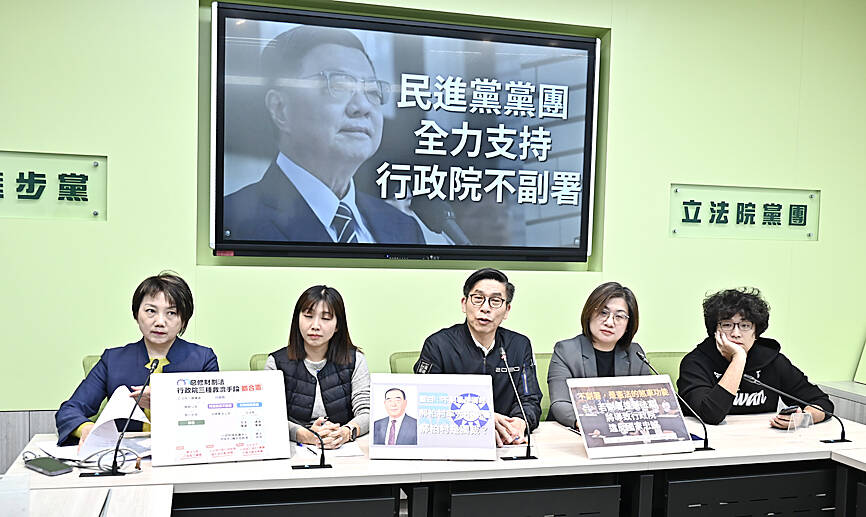
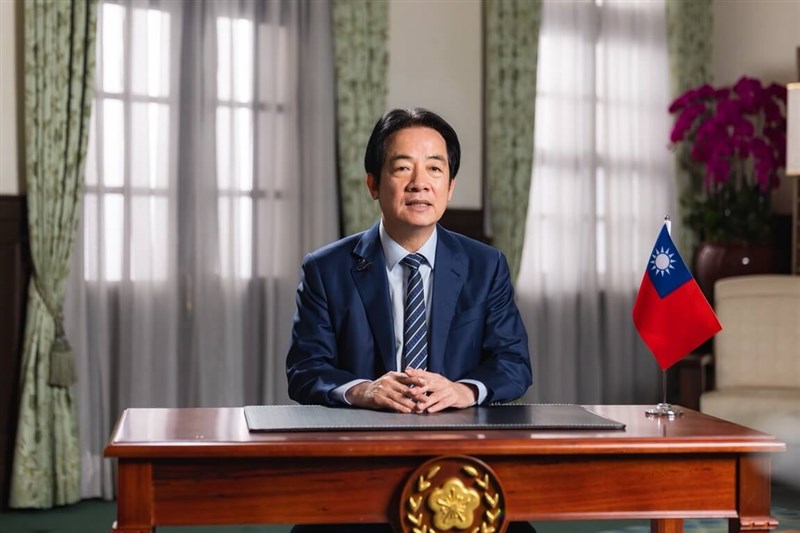
Taiwan stands at a critical juncture of institutional crisis, where a profound political confrontation between President Lai Ching-te's Democratic Progressive Party (DPP) and opposition parties threatens to undermine the nation's democratic reputation and fiscal integrity. The core conflict revolves around contested amendments to a revenue allocation law, which has transformed from a budgetary dispute into a fundamental challenge to Taiwan's governmental checks and balances.
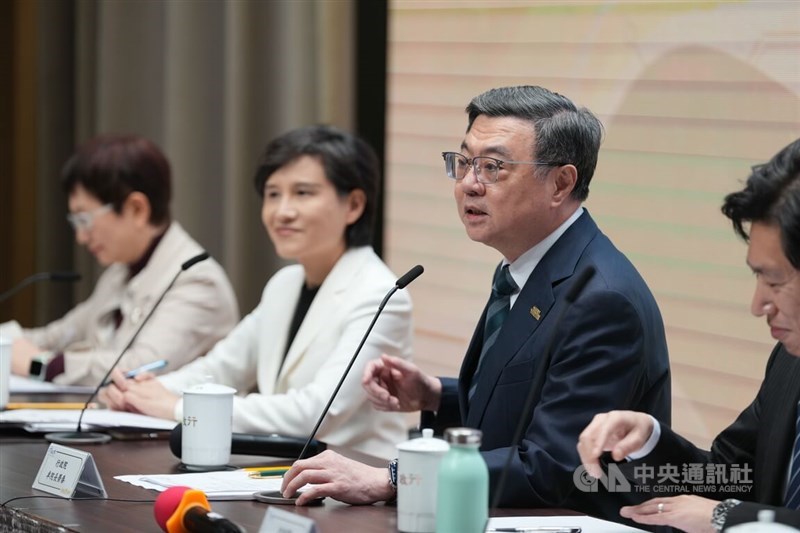
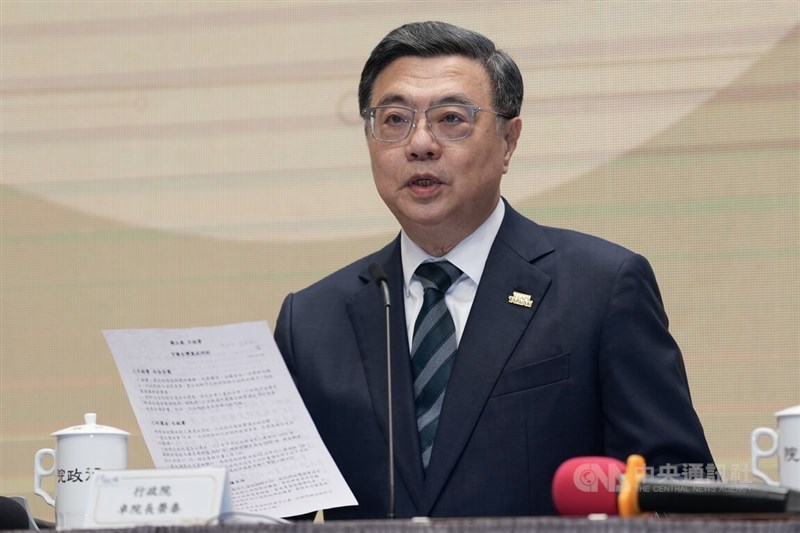
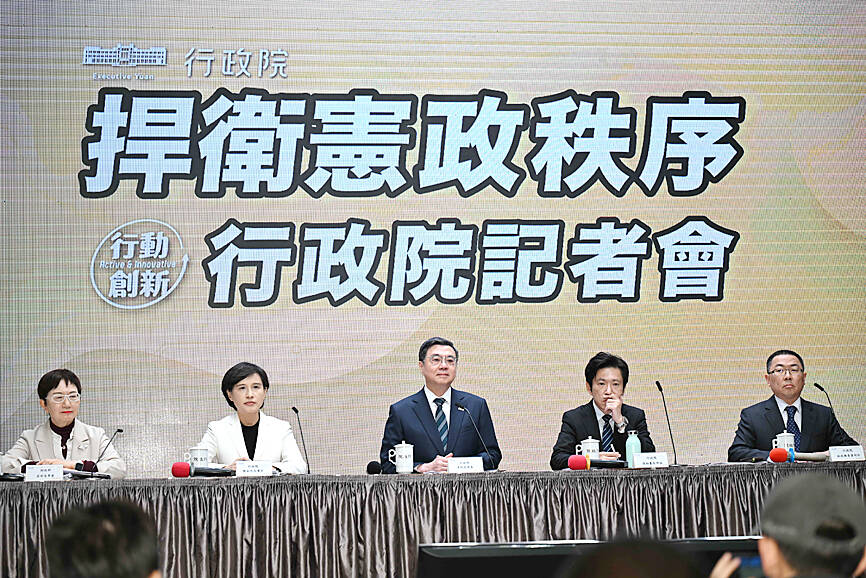
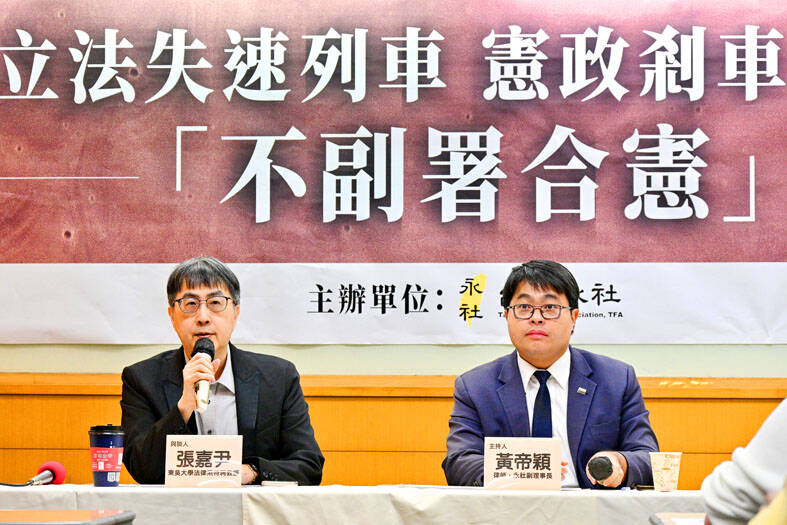
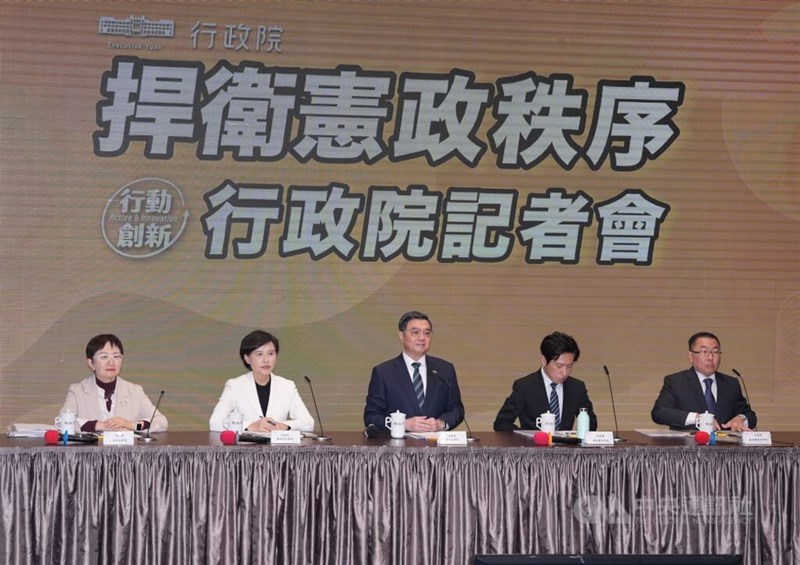
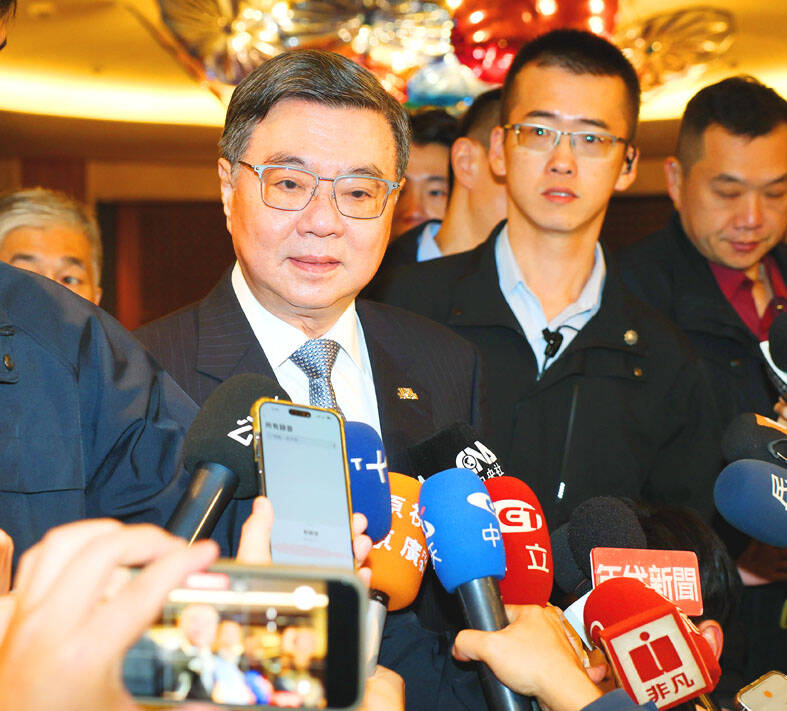
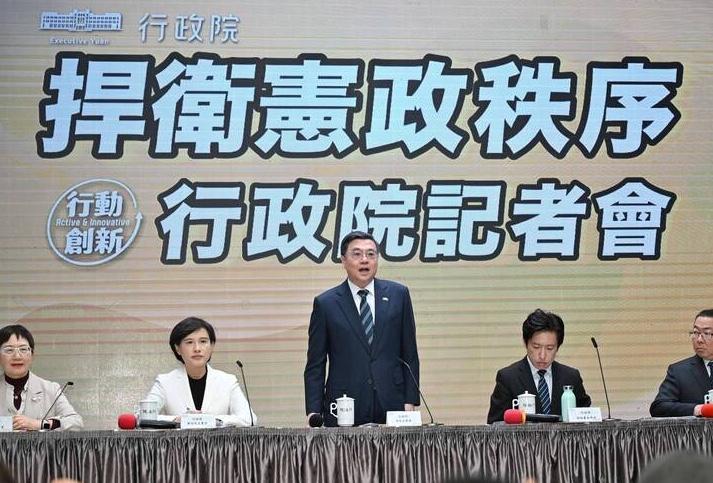
The unprecedented standoff emerges from a complex political landscape where President Lai's party lacks parliamentary majority, creating a volatile governance environment. Premier Cho Jung-tai's refusal to countersign the legislative amendments represents more than a procedural disagreement—it signals a deep constitutional tension. By blocking the local government funding law, the executive branch is essentially challenging the legislature's authority, arguing that the amendments violate constitutional principles and could destabilize national fiscal sustainability.
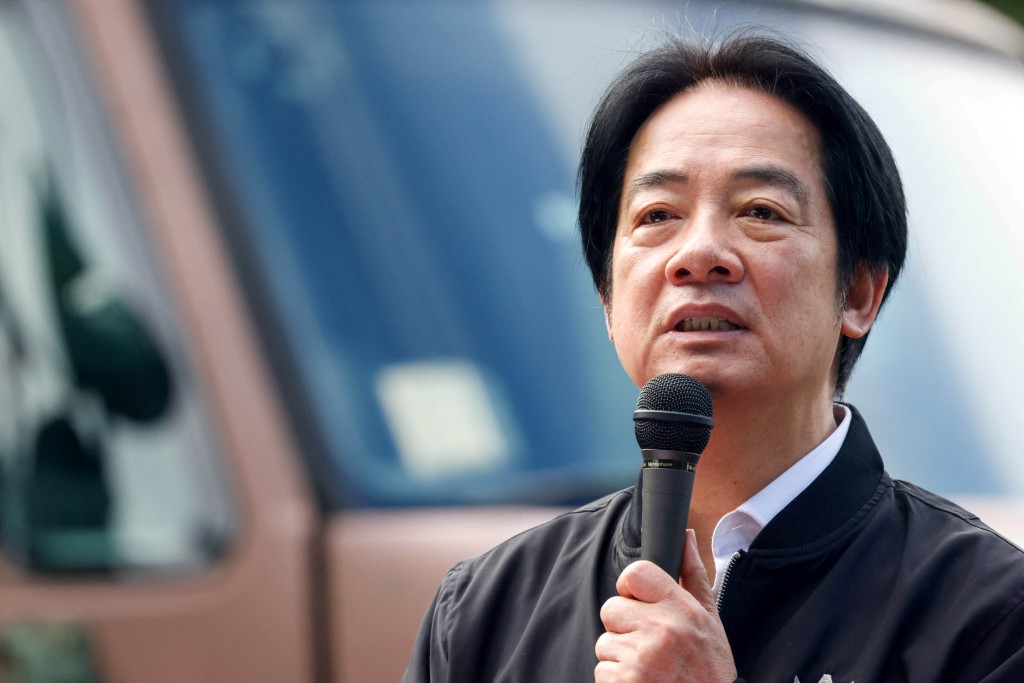
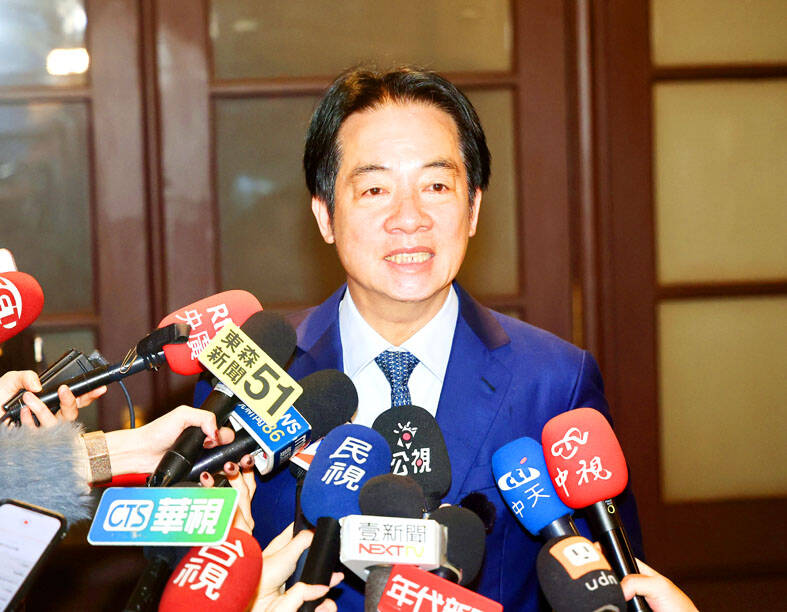
President Lai has strategically framed this conflict as a matter of global democratic credibility, positioning Taiwan's internal political stability as a critical indicator of its international standing. The NT$1.25 trillion (US$40 billion) special defense budget now hangs in the balance, with opposition parties threatening to block funding—a move that could have significant geopolitical implications, especially given Taiwan's delicate regional position.
The constitutional impasse is further complicated by the current inability of Taiwan's Constitutional Court to operate, lacking the required number of judges to deliberate on such matters. This institutional weakness transforms what might have been a routine legislative disagreement into a potential systemic crisis. The conflict reveals the fragility of Taiwan's democratic mechanisms and the thin line between robust checks and balances and governmental paralysis.
Critically, this dispute extends beyond mere fiscal policy. It represents a stress test of Taiwan's democratic resilience, challenging the nation's ability to maintain governmental functionality when political factions have fundamentally divergent interpretations of constitutional roles and fiscal responsibility. The outcome could set a significant precedent for future legislative-executive interactions and potentially reshape Taiwan's political landscape.
Questions 3
What are the potential long-term consequences of this legislative-executive conflict?
This standoff could establish a dangerous precedent for future governmental interactions, potentially creating a more adversarial political environment. It might lead to increased institutional gridlock, reduced legislative effectiveness, and a breakdown of collaborative governance mechanisms in Taiwan.
How might this political standoff impact Taiwan's international reputation?
The conflict directly challenges Taiwan's image as a stable democratic system. By exposing internal governance vulnerabilities, the dispute could potentially reduce international confidence in Taiwan's political institutions and complicate its diplomatic relationships, especially in the context of regional geopolitical tensions.