




The Great Recalibration: How 2026's Investment Landscape Demands Strategic Reinvention
- Navigating Unprecedented Market Shifts and Technological Transformations for Investors and Businesses



















)

Overview
The global investment ecosystem is entering a pivotal moment of structural transformation, characterized by unprecedented market dynamics and technological disruption. Brookfield's 2026 Investment Outlook reveals a critical inflection point where traditional investment strategies must radically evolve to navigate emerging megatrends of digitalization, deglobalization, and decarbonization.
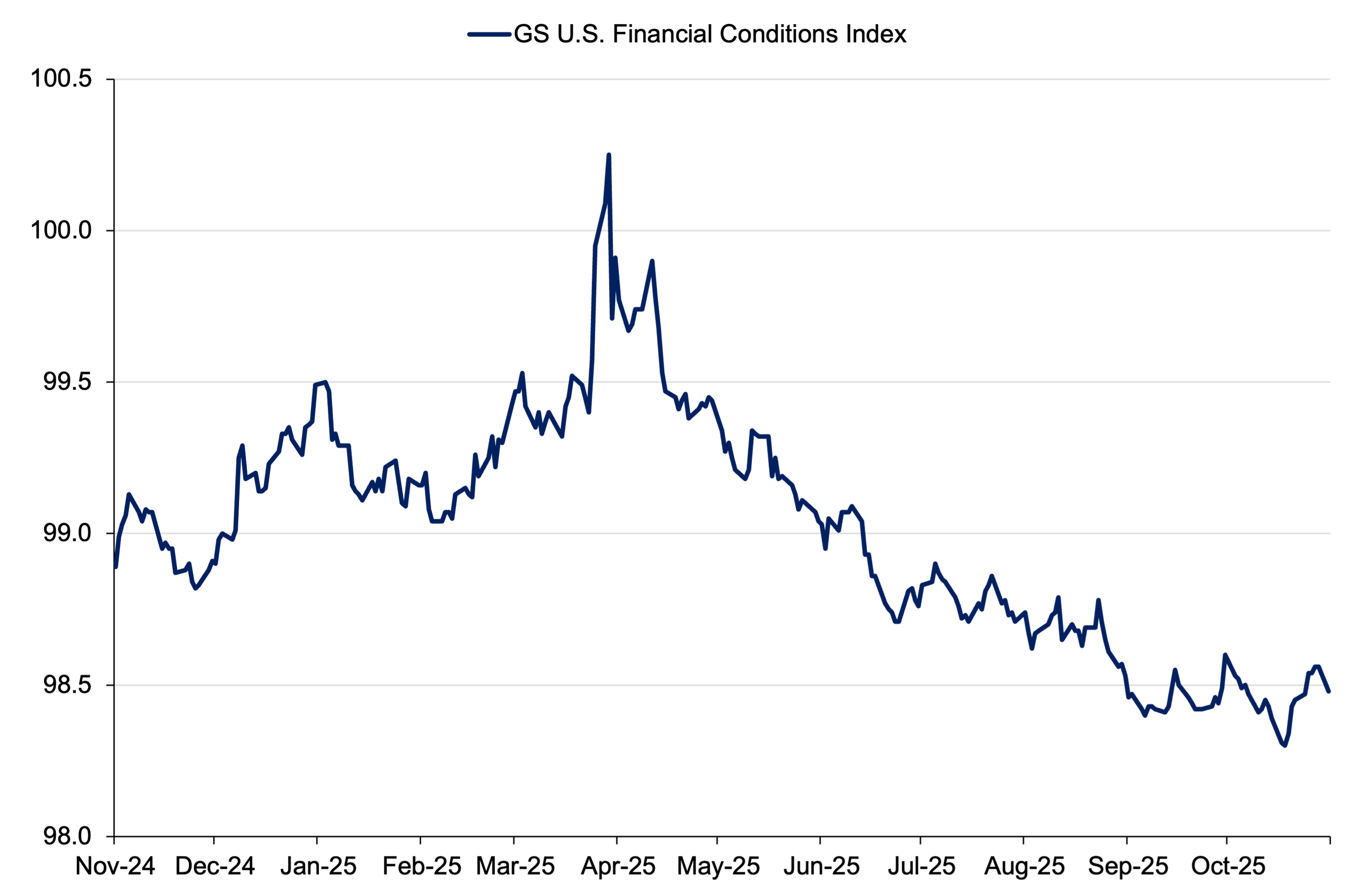
Unprecedented Market Complexity emerges as the defining characteristic of the 2026 investment landscape. Wall Street's remarkable 2025 performance—with markets like Canada's SPTSX achieving a 31% total return and gold soaring 60%—masks deeper structural shifts. The simultaneous gains in both defensive and risky assets signal a profound market recalibration, breaking historical investment patterns and suggesting underlying economic uncertainties.
The AI-Driven Technological Transition represents a key strategic pivot. Investment focus is rapidly shifting from infrastructure providers to companies effectively integrating AI into core business solutions. This transition goes beyond mere technological adoption; it's a fundamental reimagining of operational excellence. Brookfield's analysis positions AI infrastructure as the backbone of what they term the "next industrial revolution", suggesting that strategic investment will increasingly depend on technological adaptability.
Risk and Opportunity Coexist in this complex environment. While major investment banks forecast a 10% gain for the S&P 500, driven by AI enthusiasm, unprecedented stock valuations and unclear AI monetization strategies present substantial risks. The Bank for International Settlements has noted this delicate balance, speculating that investors are simultaneously seeking safe asset exposure while pursuing high-growth technological opportunities.
The emerging investment paradigm demands disciplined transformation. Successful strategies will prioritize operational excellence, efficient capital recycling, and a renewed focus on fundamental business strategies. Real assets—particularly in infrastructure, renewable energy, and technology-enabling sectors—will form the critical foundation of resilient, compounding investment portfolios.
Investors and businesses must embrace adaptability, long-term thinking, and a nuanced understanding of global economic landscapes. The next wave of value creation will not come from passive investment, but from strategic, technology-integrated approaches that can navigate the complex intersections of digital, geopolitical, and environmental transformations.
Questions 3
How risky are current market valuations?
Current market valuations present significant risks. While Wall Street remains optimistic, unprecedented stock prices, uncertain AI monetization strategies, and the unusual simultaneous gains in defensive and risky assets suggest potential market corrections are possible.
What are the key investment megatrends for 2026?
The three transformative megatrends are digitalization, deglobalization, and decarbonization. These are structural shifts reshaping global economies, with particular emphasis on AI integration, infrastructure investment, and technological adaptability.