





Ukraine Peace Talks Reveal Complex Defense Market Dynamics
- Diplomatic Negotiations Expose Strategic Shifts in European Defense Investments




Overview
The emerging landscape of Ukraine peace negotiations reveals a nuanced geopolitical chess match with profound implications for the European defense market. Despite initial market jitters and a notable defense stock selloff, industry experts argue that the fundamental structural drivers of military spending remain unchanged.
Strategic positioning emerges as the critical underlying narrative. While peace talks in Berlin signal potential diplomatic progress, defense industry giants like Hensoldt and Renk maintain a cautious stance. Their perspective is clear: a potential ceasefire represents a tactical pause, not a strategic resolution. The European defense sector continues to anticipate sustained growth, viewing current negotiations as an opportunity for strategic recalibration rather than a definitive end to geopolitical tensions.
The market's immediate reaction—defense stocks dropping 4-6% across indices like STOXX 600—masks deeper investment dynamics. Analysts like Christopher Granville from TS Lombard argue there will be no traditional 'peace dividend'. Instead, the conflict's outcome is likely to further incentivize European defense industrial capacity expansion. NATO members have already committed to increased defense spending through 2035, signaling a long-term structural shift beyond immediate conflict resolution.
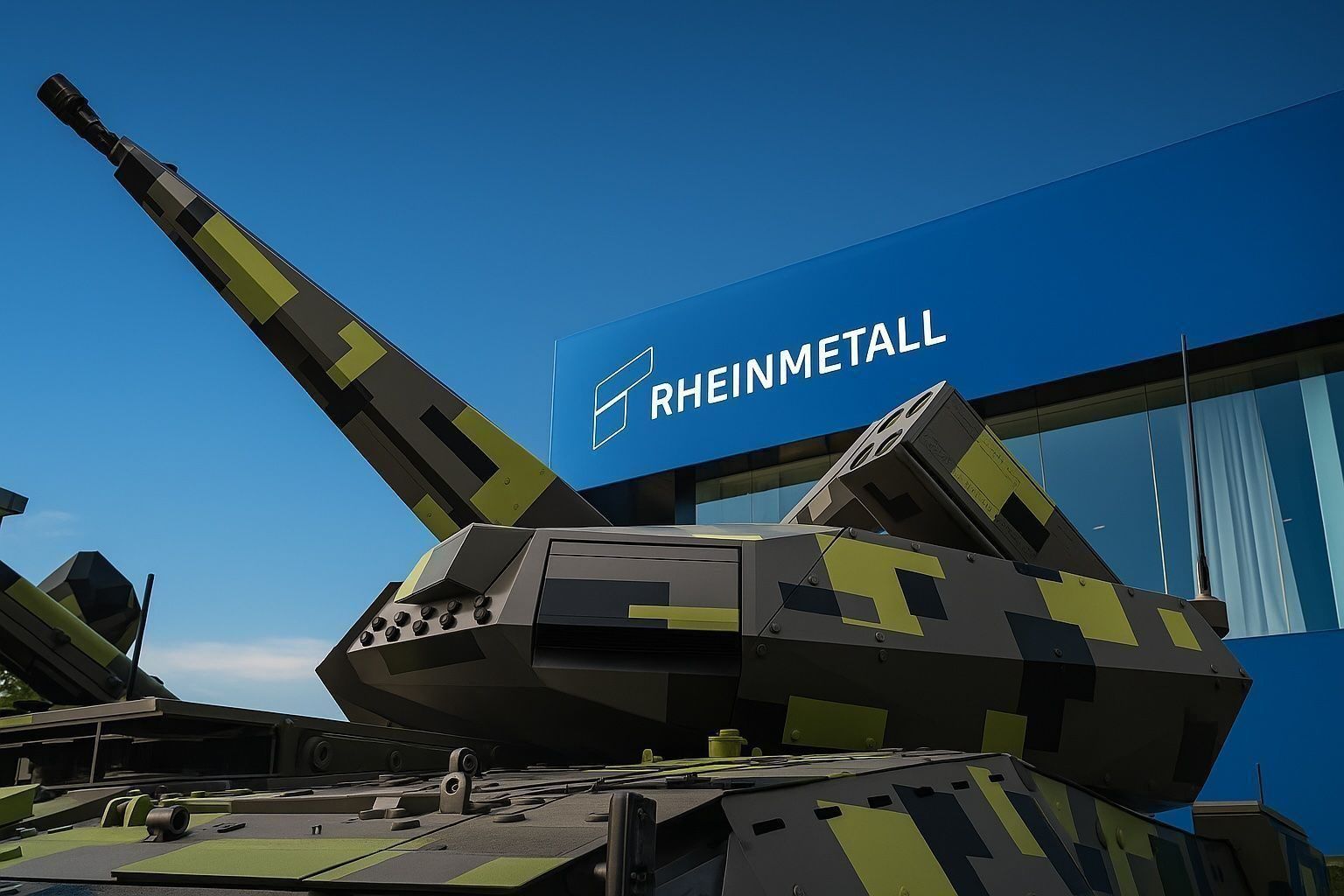
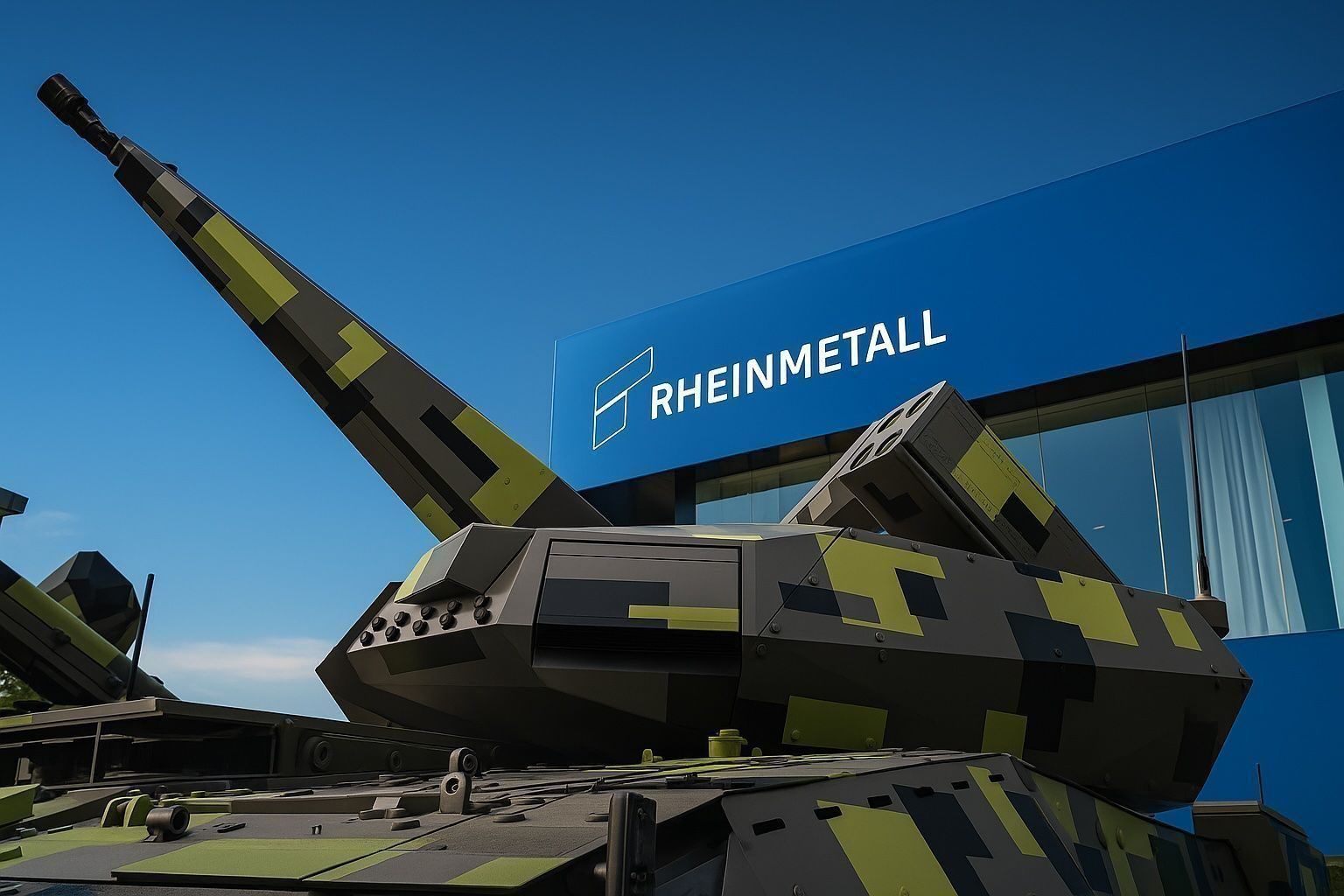
Key strategic indicators suggest continued market opportunity. The European aerospace and defense index, which has more than tripled since Russia's 2022 invasion, experienced only a modest 2% reduction. This resilience reflects underlying confidence in the sector's growth potential. Companies like Rheinmetall and Saab are positioning themselves not for an immediate peace scenario, but for a prolonged period of geopolitical uncertainty.
The U.S. commitment to providing security guarantees for Ukraine adds another layer of complexity. By offering protection while simultaneously creating negotiation conditions, American diplomacy is effectively maintaining defense market momentum. This nuanced approach ensures that even in a potential peace scenario, defense manufacturers retain significant investment appeal.
Ultimately, the current diplomatic landscape represents a strategic inflection point. Investors and defense industry stakeholders must look beyond immediate market fluctuations and recognize the sustained structural drivers of military spending and geopolitical preparedness.
Questions 3
How are defense stocks likely to perform amid potential peace negotiations?
Despite short-term volatility, defense stocks are expected to remain robust. Analysts suggest continued NATO spending commitments and ongoing geopolitical uncertainties will support the sector's long-term growth, with companies like Rheinmetall and Saab positioned to benefit from sustained defense investment strategies.
How might the U.S. security guarantees impact the European defense market?
The U.S. security guarantees create a complex market environment that maintains defense spending momentum. By offering protection to Ukraine while facilitating negotiations, the U.S. is effectively ensuring continued investment in defense capabilities, which benefits European defense manufacturers and maintains market confidence.