





Digital Subscription Trap: How Regulatory Crackdowns Are Reshaping Consumer Consent
- Multi-state lawsuit signals emerging legal battleground for subscription service transparency





















Overview
The digital subscription landscape is experiencing a profound regulatory transformation, with the Uber One lawsuit serving as a critical inflection point in how consumer consent and service enrollment are legally defined. At the core of this emerging conflict lies a fundamental challenge to current subscription practices: the tension between corporate convenience and consumer protection.
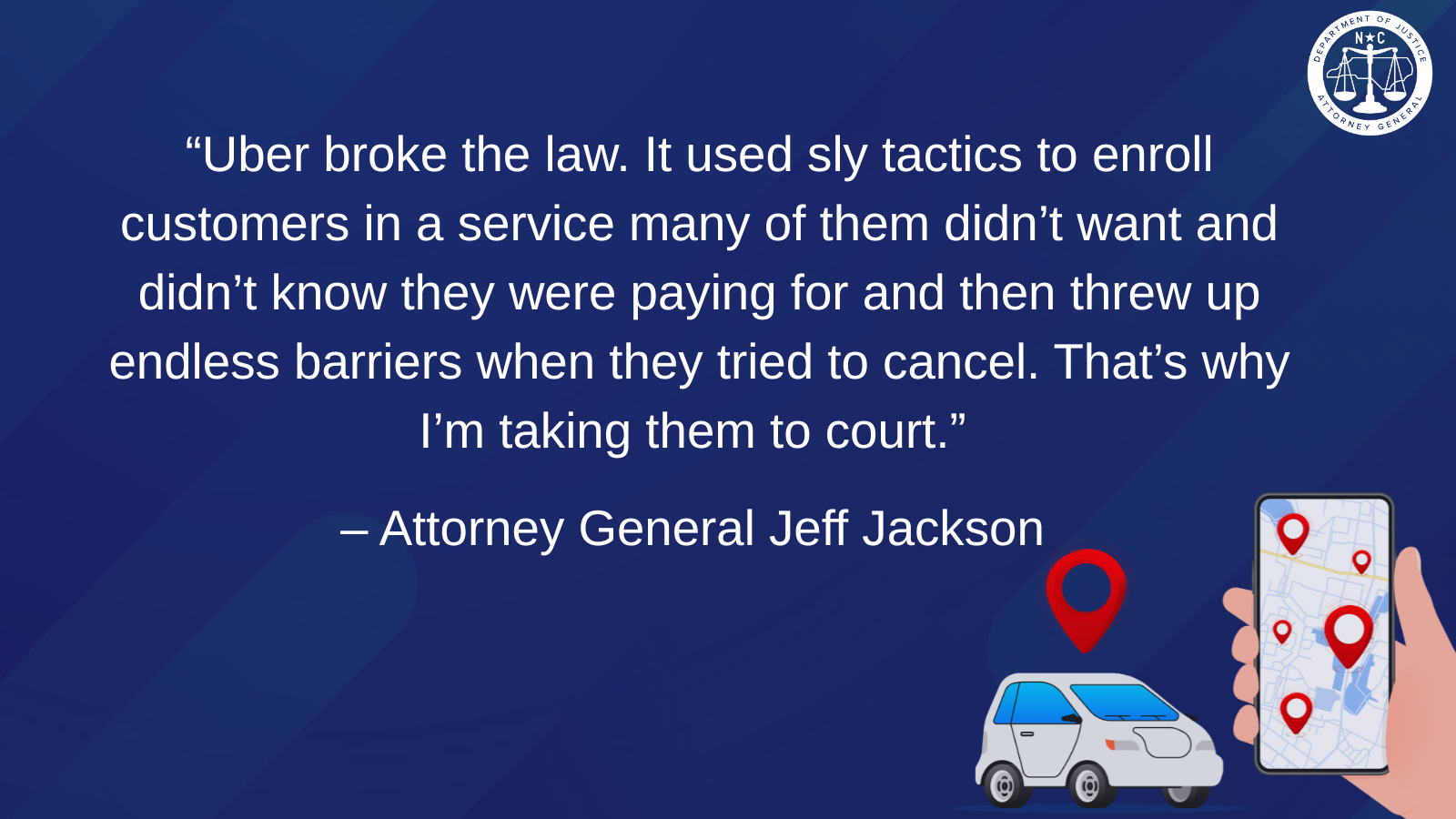
Regulatory scrutiny is intensifying around digital service subscription models, with nearly two dozen state, federal, and local agencies challenging deceptive enrollment mechanisms. The Maryland-led multi-state lawsuit against Uber represents more than just a single company dispute—it's a systemic examination of how free trials and automatic recurring charges operate. By targeting Uber One's $9.99 monthly subscription, regulators are sending a clear message: consumer consent must be genuine, transparent, and easily reversible.
The strategic implications are significant. While Uber argues that consumers can cancel subscriptions and has reduced cancellation time to approximately 20 seconds, the legal action suggests deeper structural concerns. This isn't merely about one company's practices, but about establishing new compliance standards for digital service subscriptions. The Federal Trade Commission's involvement in April 2024 further signals a coordinated effort to redefine the boundaries of digital service enrollment.
For businesses, this lawsuit represents a critical warning: subscription models must prioritize user agency over revenue optimization. The regulatory environment is rapidly evolving, with transparency and genuine consent becoming non-negotiable requirements. Companies will need to redesign enrollment processes, implement clearer communication mechanisms, and create more user-friendly cancellation pathways.
The broader trend points to a fundamental shift in digital service regulation. As technology-driven services become more pervasive, regulatory bodies are establishing new frameworks that prioritize consumer protection. This lawsuit could potentially set a precedent that ripples across multiple industries, compelling companies to reevaluate their subscription strategies and prioritize user trust over short-term financial gains.
Questions 3
What are the potential long-term implications for digital service providers?
Digital service providers will likely face increased regulatory pressure to implement more transparent subscription models. This could lead to standardized enrollment practices, more explicit consent requirements, and potentially higher compliance costs.
How might this lawsuit impact other digital subscription services?
This multi-state action could establish a precedent for stricter regulatory standards around subscription enrollment. Companies may need to redesign their free trial and cancellation processes to ensure clearer consumer consent and easier opt-out mechanisms.