


Electric Vehicle Reality Check Ford's $19.5 Billion Pivot Signals Market Transformation
- Strategic Retreat Reveals Deeper Challenges in EV Adoption for Automotive Manufacturers







Overview
The automotive industry is experiencing a profound recalibration of its electric vehicle (EV) strategy, with Ford Motor Company delivering a stark wake-up call through its dramatic $19.5 billion strategic realignment. This isn't just a corporate adjustment—it's a seismic signal about the complex economics of electric vehicle transformation.
Hybrid technologies are emerging as the critical compromise between full electrification and traditional combustion engines. Ford's data reveals hybrid vehicles now represent 30% of its vehicle mix, growing 30% last month while overall sales remained flat. This suggests consumers are seeking pragmatic technological transitions rather than revolutionary leaps. The company's roadmap now targets 50% hybrid and electric volume by 2030, a measured approach that prioritizes economic feasibility over aggressive technological evangelism.
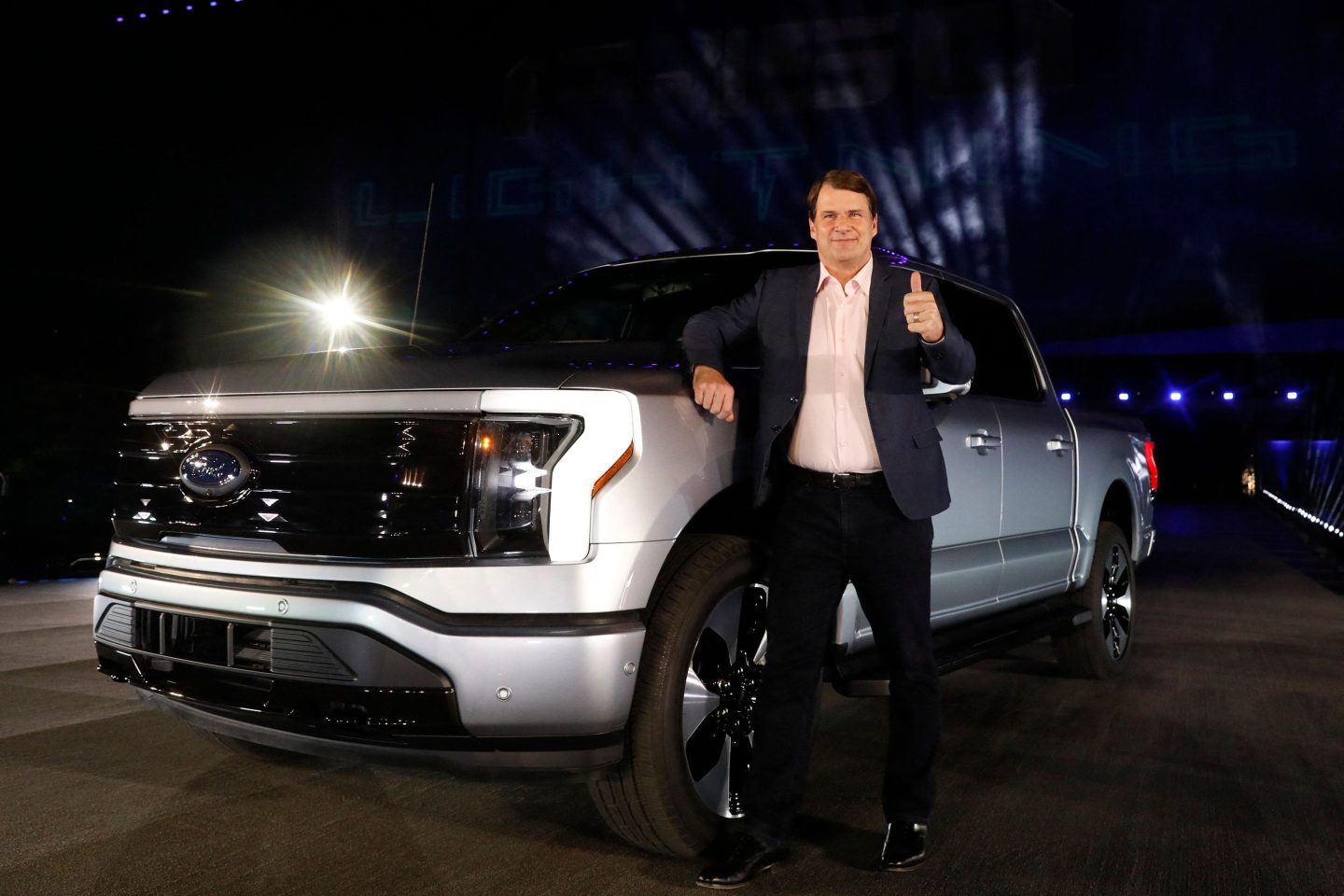
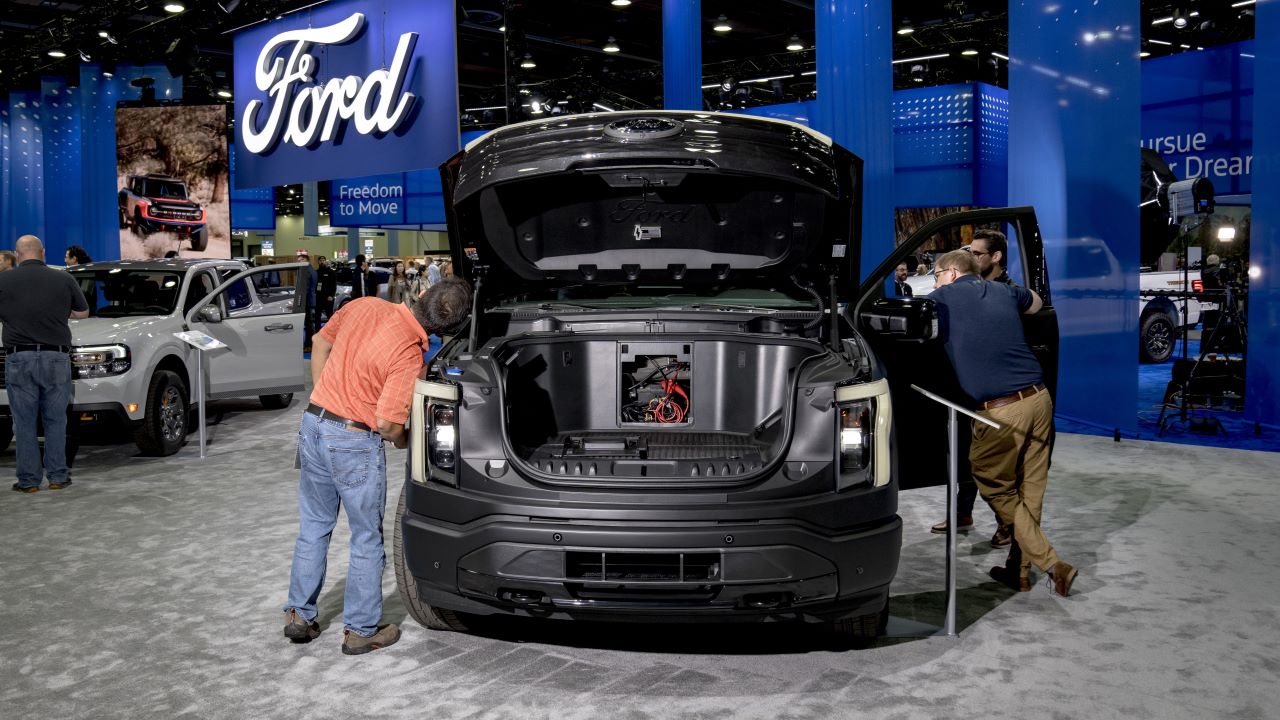
The market dynamics underlying this shift are multifaceted. High production costs, limited consumer demand, and infrastructure challenges have created a more nuanced landscape than early EV optimists predicted. By scrapping its all-electric F-150 Lightning and refocusing on more affordable, adaptable models, Ford is essentially acknowledging that profitability trumps pure technological ambition. The write-down represents more than a financial adjustment—it's a strategic reset that will likely influence other automotive manufacturers to reassess their electrification timelines.
For cross-border e-commerce sellers in automotive parts and technologies, this signals a critical pivot point. The EV market isn't disappearing, but it's maturing—demanding more sophisticated, economically sustainable approaches. Sellers must now focus on hybrid-compatible technologies, energy storage solutions, and products that bridge traditional and emerging automotive paradigms.
Questions 3
How should automotive parts sellers adapt to this market shift?
Sellers should diversify their product strategies, focusing on hybrid-compatible technologies, energy storage solutions, and products that bridge traditional and emerging automotive technologies. The market demands flexible, economically sustainable innovations.
Why is Ford scaling back its electric vehicle investments?
Ford recognized that large EVs are currently unprofitable, with high production costs and limited consumer demand. The $19.5 billion write-down reflects a strategic decision to prioritize hybrid technologies and financial sustainability over aggressive electrification.