



Global Oil Markets Unravel: Geopolitical Peace Signals Trigger Unprecedented Price Collapse
- Emerging Russia-Ukraine negotiations expose fragile energy market dynamics for international traders


































Overview
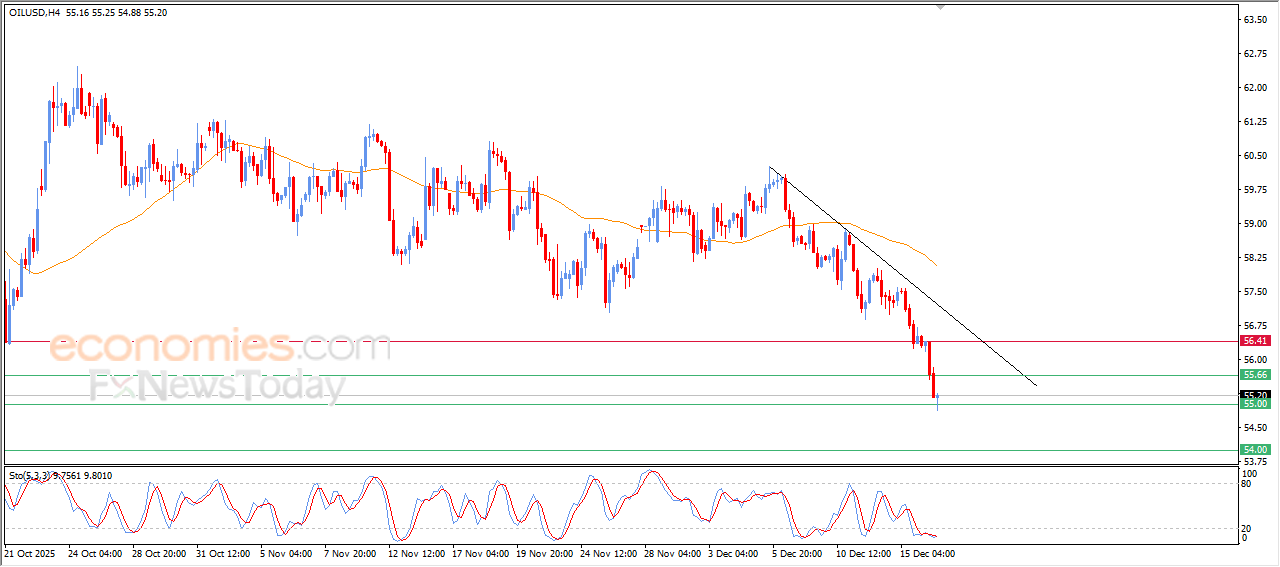
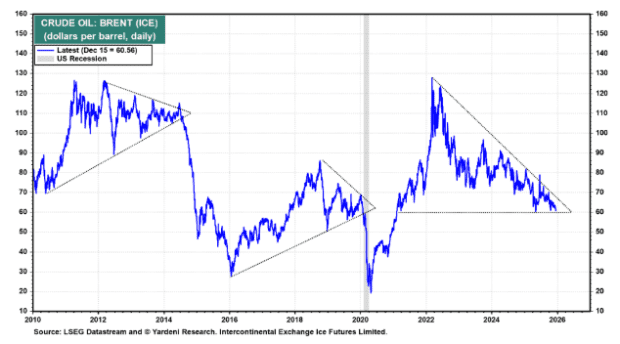
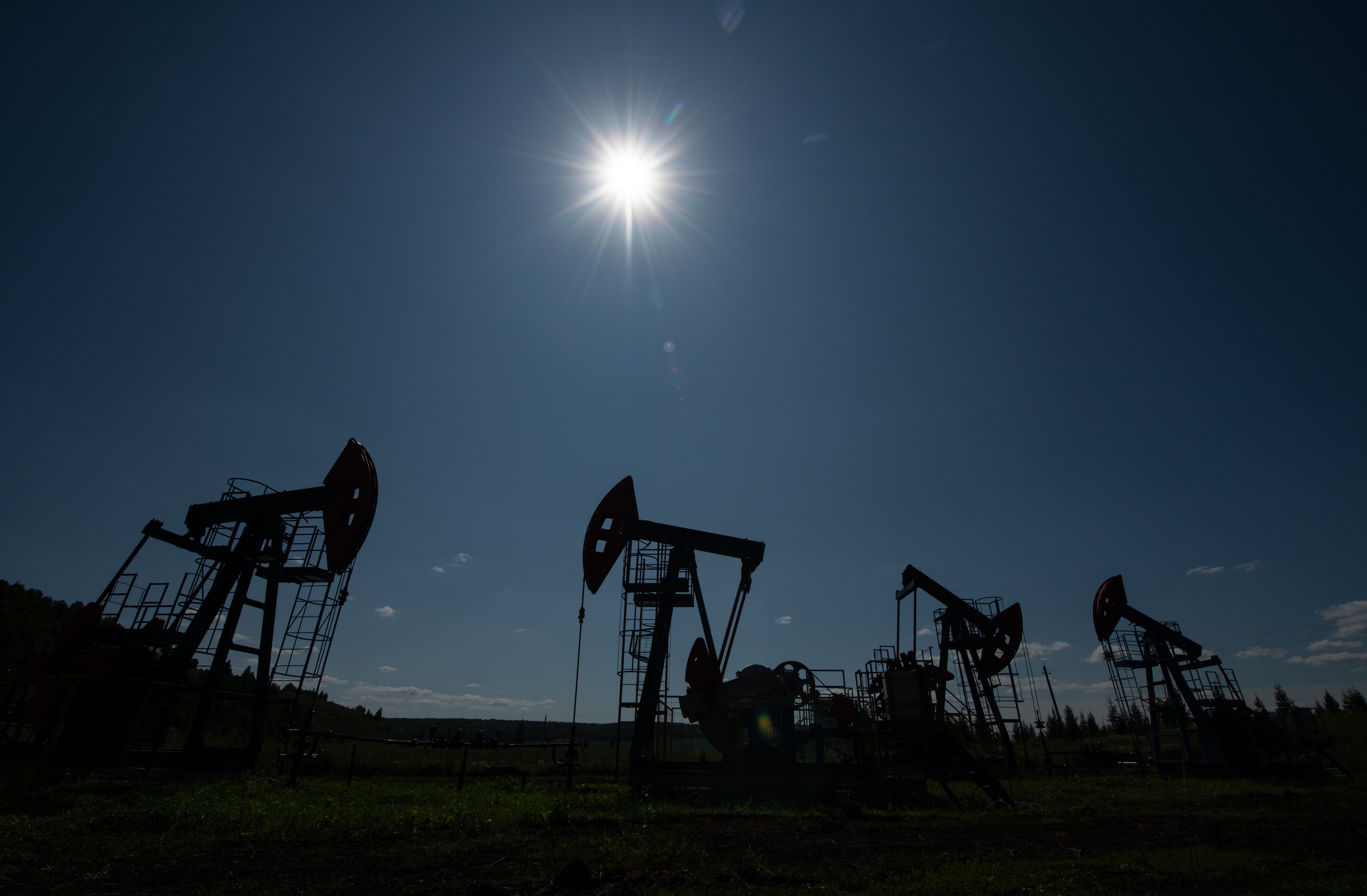
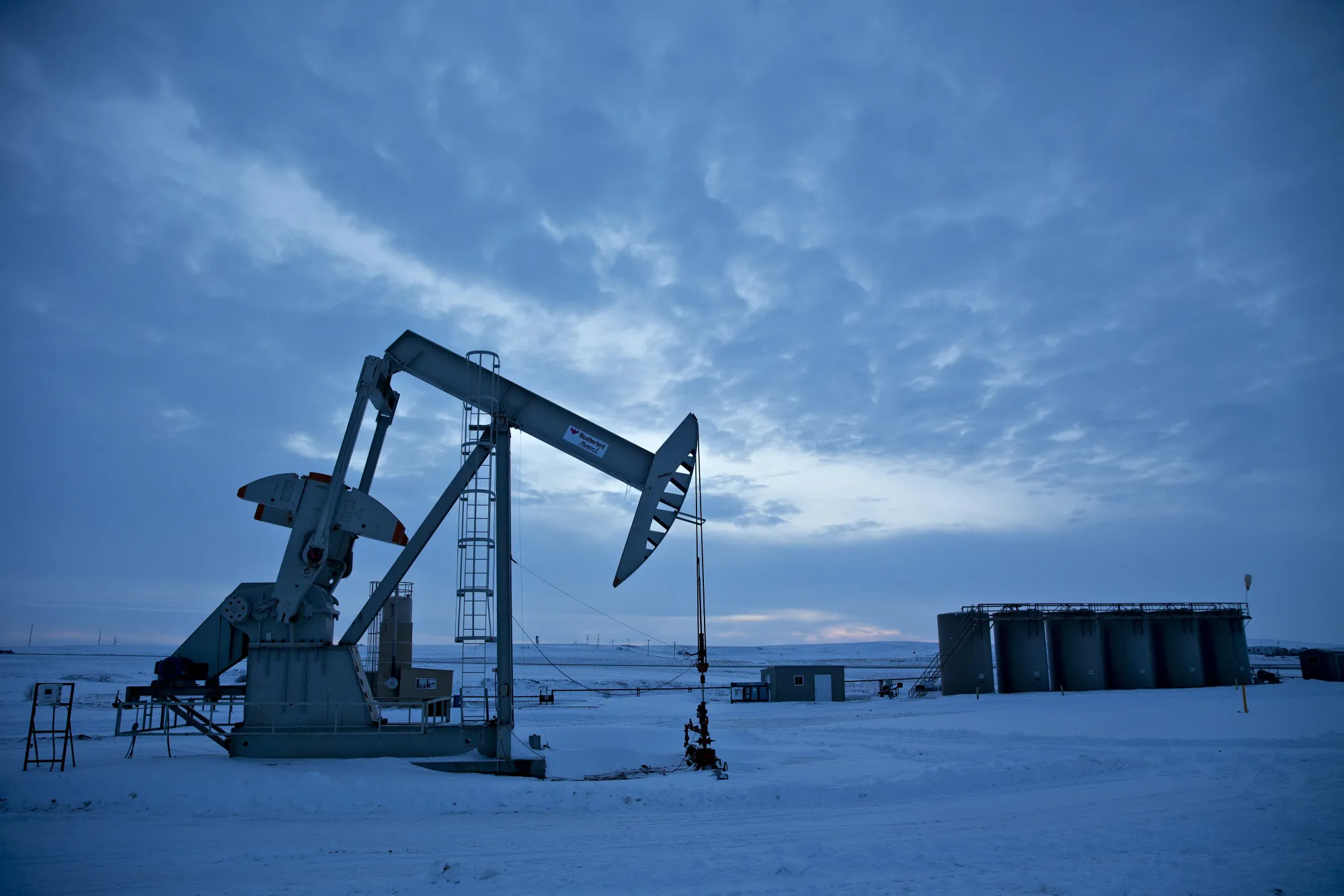
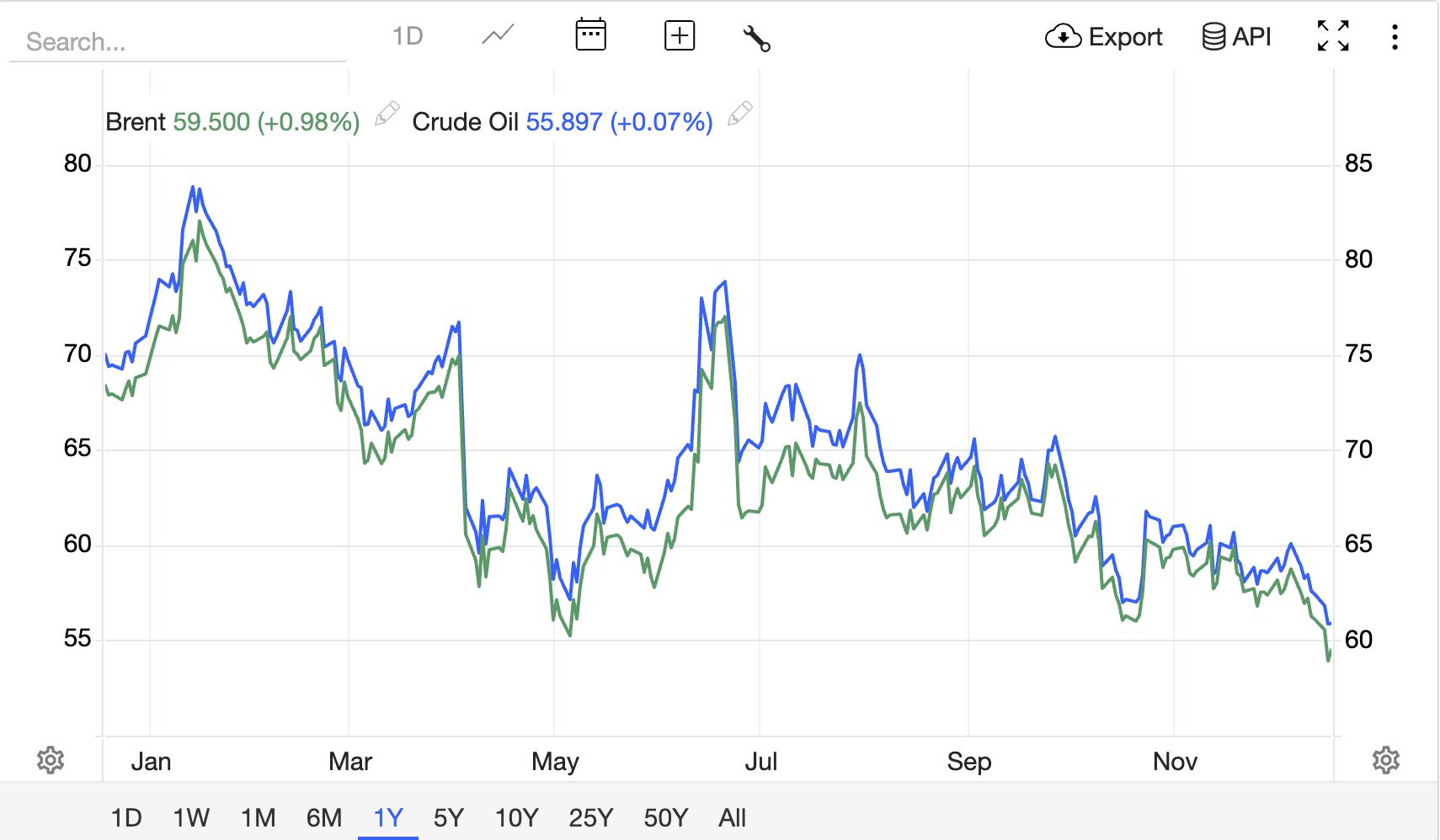
The global oil market is experiencing a seismic shift, with geopolitical negotiations and supply dynamics converging to create an unprecedented price environment. West Texas Intermediate (WTI) crude has plummeted to levels not seen since early 2021, settling around $55.27 per barrel, signaling a complex interplay of diplomatic developments and economic fundamentals.
The potential Russia-Ukraine peace talks are driving significant market uncertainty. Sanctions relief emerges as a critical pivot point, with analysts like Jorge Leon from Rystad Energy suggesting that a cease-fire could rapidly transform the global energy landscape. The U.S. has already signaled willingness to ease sanctions more quickly than European counterparts, creating a nuanced geopolitical recalibration of oil market access.
Simultaneously, demand signals are weakening. China's economic slowdown—with factory output at a 15-month low and retail sales stagnating—compounds the price pressure. The world's largest oil consumer is showing signs of structural transformation, accelerated by electric vehicle adoption and shifting manufacturing dynamics. This demand contraction intersects with an already oversupplied market, creating a perfect storm for price volatility.
The supply glut is particularly pronounced, with the International Energy Agency predicting the largest market oversupply since the pandemic. Seaborne oil cargoes are gradually entering transparent markets like the United States, and floating storage abundance is mitigating potential supply disruptions. Traders and analysts remain cautiously skeptical, remembering that previous peace negotiations have repeatedly stalled.
For international traders and logistics professionals, these developments signal a critical inflection point. Lower oil prices translate directly into reduced shipping and transportation expenses, potentially reshaping cross-border trade economics. However, the market's sensitivity to geopolitical developments demands continuous, adaptive strategic monitoring.
Questions 3
How might the potential Russia-Ukraine peace negotiations impact global oil prices?
The peace talks could trigger rapid U.S. sanctions removal, potentially flooding the market with Russian oil. This could further depress prices, with WTI and Brent crude potentially experiencing additional downward pressure, especially if European sanctions are also gradually lifted.
What are the implications for international logistics and shipping costs?
Lower oil prices typically translate to reduced fuel surcharges and more affordable international freight rates. Cross-border e-commerce sellers and logistics providers could see significant cost reductions, potentially making international shipping more economically viable.