


Geopolitical Chess in Eastern Congo: How Diplomatic Pressure Reshapes Regional Conflict Dynamics
- US Diplomatic Intervention Triggers Strategic Rebel Withdrawal and Mineral Resource Recalibration



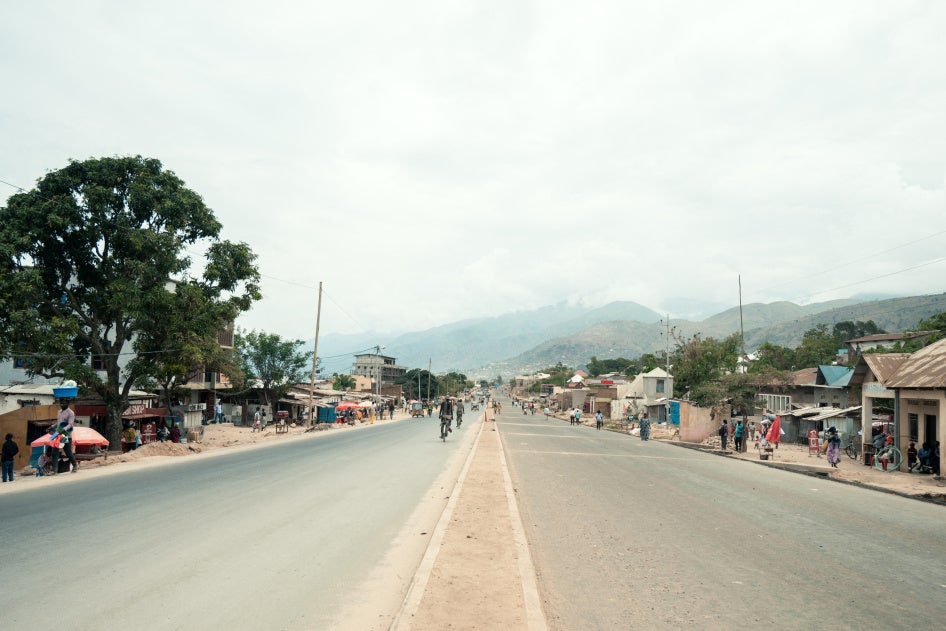


Overview
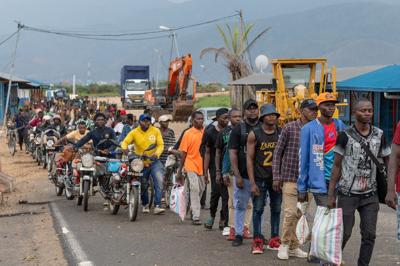
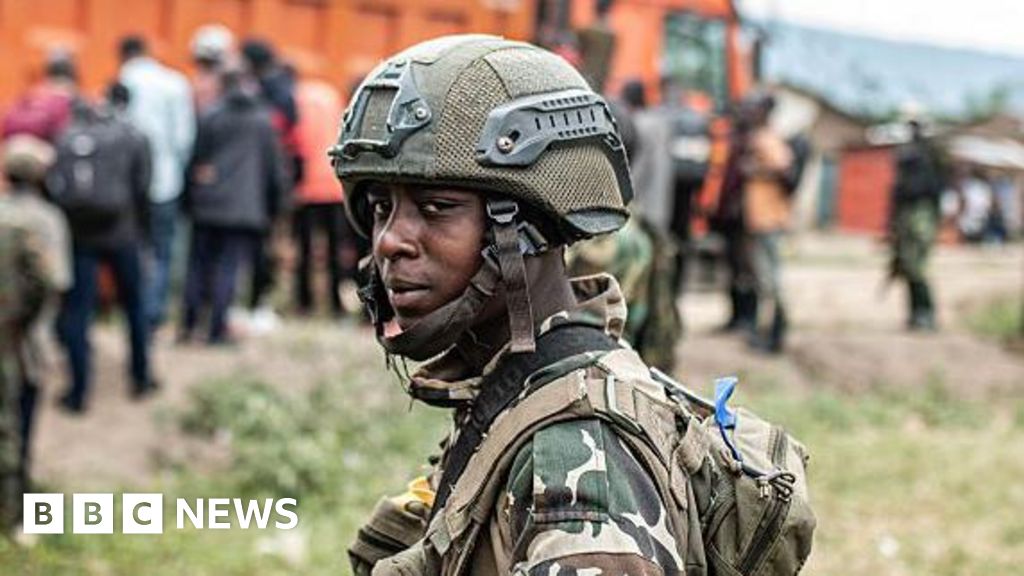
The escalating conflict in Eastern Democratic Republic of Congo reveals a complex geopolitical landscape where diplomatic pressure, mineral resources, and regional tensions intersect with profound strategic implications. With over 100,000 children displaced and approximately 200,000 people affected, the M23 rebel group's strategic movements have transformed the region into a critical geopolitical flashpoint.
US Diplomatic Leverage emerges as a pivotal force in this conflict. The United States has strategically maneuvered to create a diplomatic off-ramp, compelling the M23 rebels to withdraw from key territories like Uvira through calculated diplomatic pressure. This intervention is not merely humanitarian but carries significant economic undertones. The DRC's estimated $25 trillion in mineral reserves - including critical resources like cobalt, copper, and lithium - represents a strategic economic motivation behind US engagement.
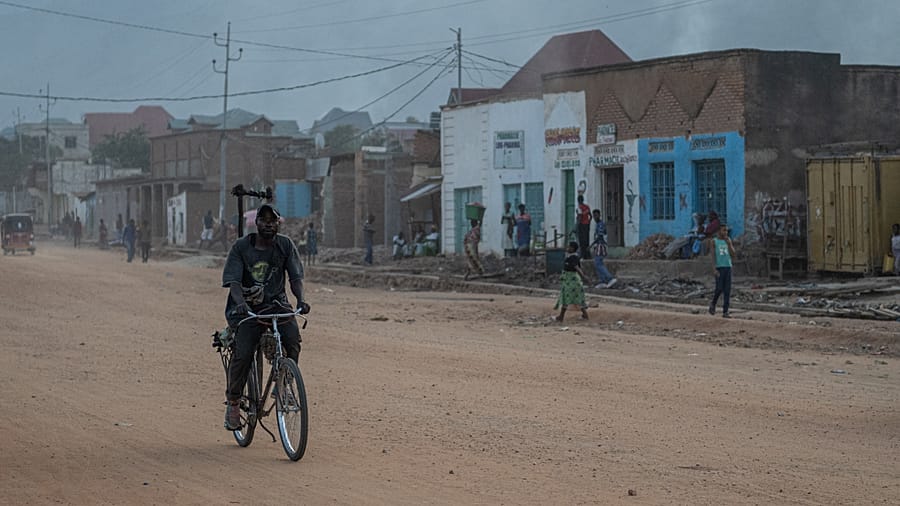
The conflict's multilayered complexity is evident in the intricate regional dynamics. Rwanda's denial of supporting M23 rebels contrasts with United Nations expert reports suggesting otherwise. The rebels' withdrawal, described as a "unilateral trust-building measure," highlights the delicate diplomatic negotiations mediated by international actors like the US and Qatar. Interestingly, local sentiment adds another layer of complexity - hundreds of Uvira residents even participated in a march thanking M23, revealing nuanced local perspectives that challenge simplistic narratives.
The strategic implications extend beyond immediate territorial control. This diplomatic intervention signals a broader shift in how regional conflicts are managed - through economic incentives, diplomatic pressure, and multilateral negotiation platforms. The Doha peace process and Washington Accords represent emerging mechanisms for conflict resolution that prioritize negotiation over military escalation.
For international stakeholders, this represents a critical moment to understand how diplomatic leverage can reshape regional conflicts. The DRC stands at a potential inflection point where strategic diplomatic interventions could transform a long-standing humanitarian crisis into an opportunity for regional stabilization and economic development.
Questions 4
What makes the M23 rebel withdrawal unique?
The M23 withdrawal is notable for being a 'unilateral trust-building measure' triggered by US diplomatic pressure, demonstrating a shift towards negotiated conflict resolution. This approach differs from traditional military interventions and shows the potential of diplomatic leverage in complex regional conflicts.
What are the long-term implications of this conflict for the region?
The conflict potentially sets the stage for an enduring regional fracture, with complex dynamics involving Rwanda, DRC, and international actors. The success of diplomatic processes like the Doha peace talks and Washington Accords will be crucial in determining whether the region moves towards stabilization or continued instability.