


Waymo's $15 Billion Bet: Autonomous Mobility's Trillion-Dollar Transformation
- Robotaxi Revolution Signals Massive Shift in Transportation Technology Investments













Overview
The autonomous vehicle landscape is experiencing a seismic transformation, with Waymo's potential $15 billion funding round signaling a pivotal moment in mobility technology's evolution. This unprecedented investment, potentially valuing the company at $110 billion, represents far more than a simple funding event—it's a strategic inflection point that could redefine urban transportation infrastructure.
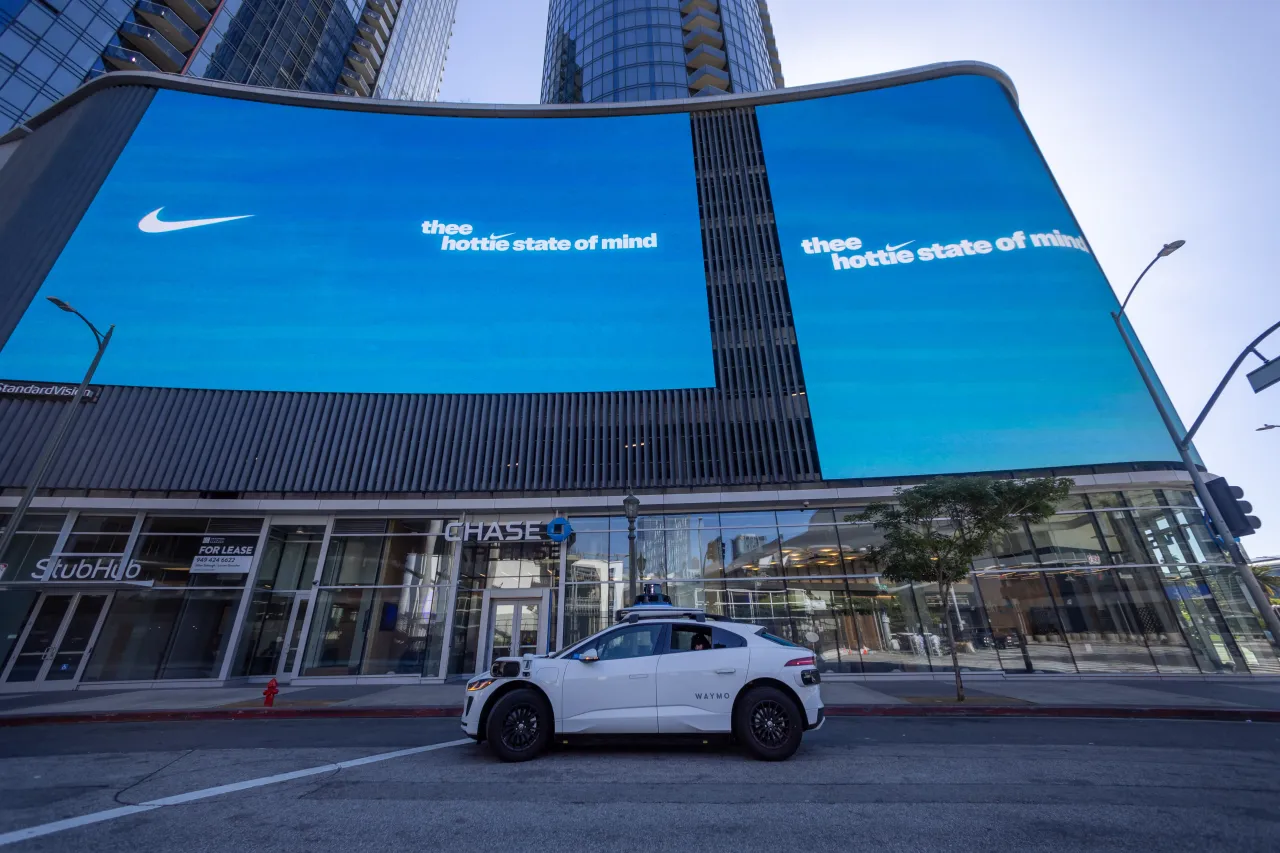
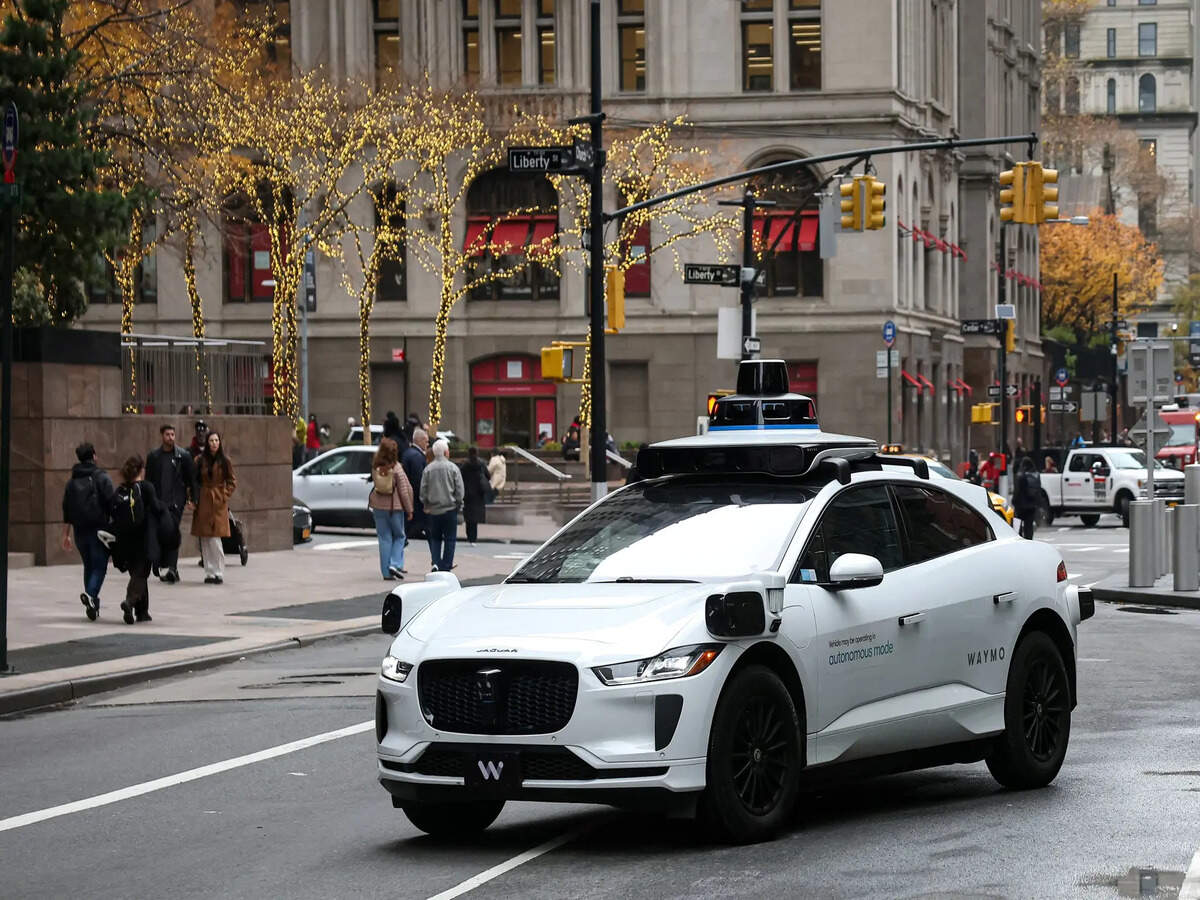
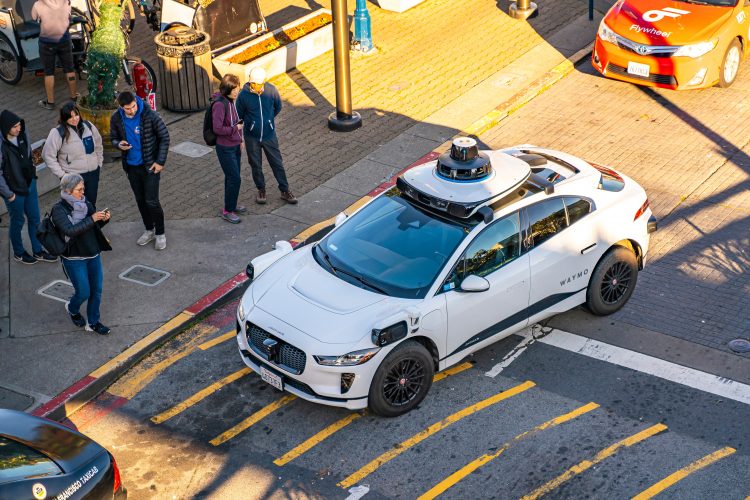
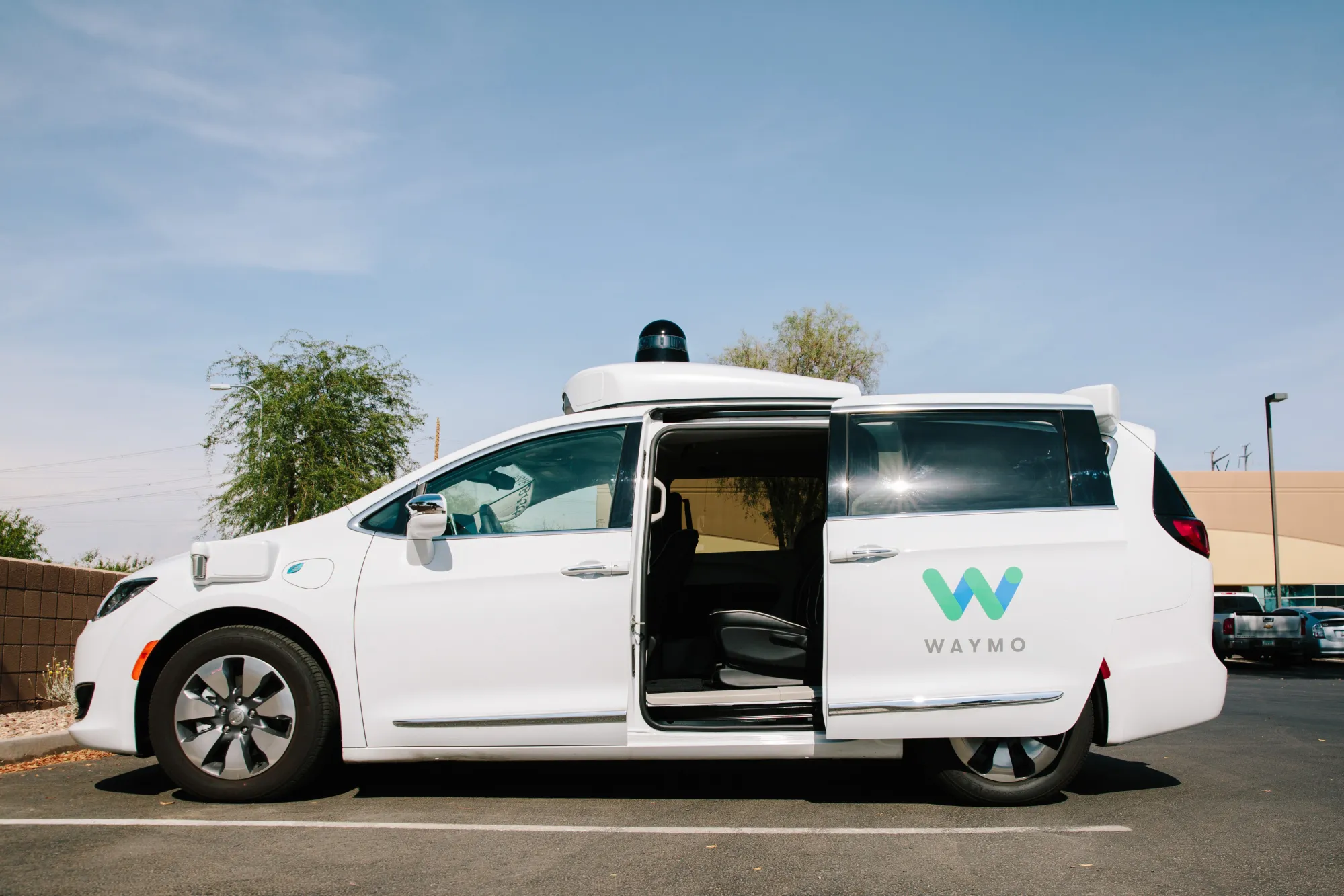
Waymo's current operational footprint provides critical context for understanding this massive investment. Operating in five U.S. markets and delivering approximately 450,000 weekly paid rides, the company has already demonstrated tangible proof of autonomous vehicle viability. The planned expansion to 11 additional U.S. cities and an international debut in London by 2026 reveals an aggressive, methodical scaling strategy that goes beyond technological experimentation.
The funding round's significance extends beyond Waymo itself, reflecting broader investor confidence in autonomous transportation technologies. While competitors like Amazon's Zoox and Tesla are entering the market, Waymo appears to be establishing a substantial first-mover advantage. Alphabet CEO Sundar Pichai's projection of meaningful financial contribution by 2027 suggests this isn't merely a speculative venture, but a calculated long-term strategic bet.
For technology investors and mobility ecosystem stakeholders, this funding round represents a critical signal: autonomous vehicles are transitioning from experimental technology to a scalable, economically viable transportation solution. The massive valuation—potentially exceeding $100 billion—indicates that institutional investors see autonomous mobility not as a futuristic concept, but as an imminent, transformative industry.
The strategic implications are profound. Autonomous vehicle technology is no longer about creating self-driving cars, but about reimagining entire transportation infrastructures. Waymo's approach demonstrates a comprehensive strategy: technological development, market expansion, and creating a new mobility paradigm that could fundamentally reshape urban transportation, logistics, and personal mobility.
Questions 4
What are the broader implications of this funding for the transportation industry?
This funding signals a fundamental transformation in transportation infrastructure. It suggests autonomous mobility is transitioning from a speculative technology to a viable, scalable service that could reshape urban transportation, logistics, and economic productivity.
What competitive advantages does Waymo have in the autonomous vehicle market?
Waymo appears to be the current market leader, with a first-mover advantage, proven technology, and a methodical expansion strategy. While competitors like Amazon's Zoox and Tesla are entering the market, Waymo has already established a significant operational footprint and investor confidence.