




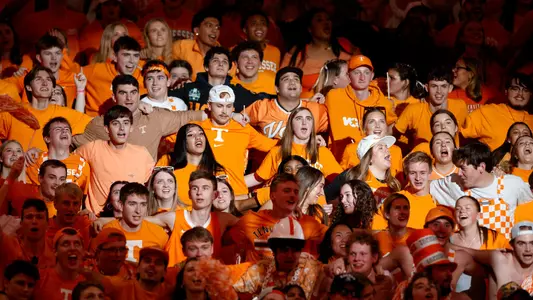
College Basketball Disruption Signals Deeper Performance Management Insights
- Unexpected Player Dynamics Reveal Critical Risk Management Strategies for Sports Ecosystem


























Overview
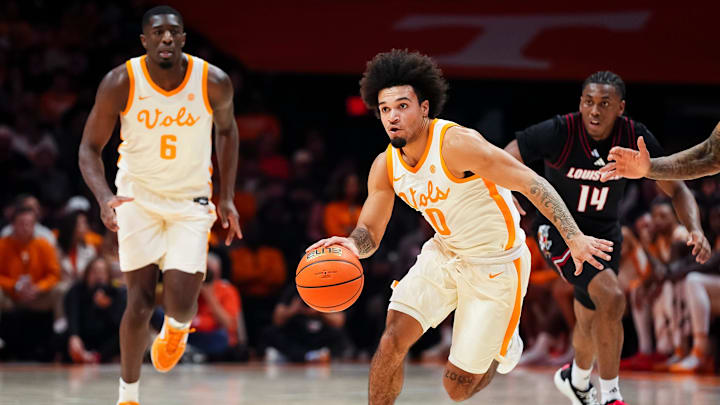
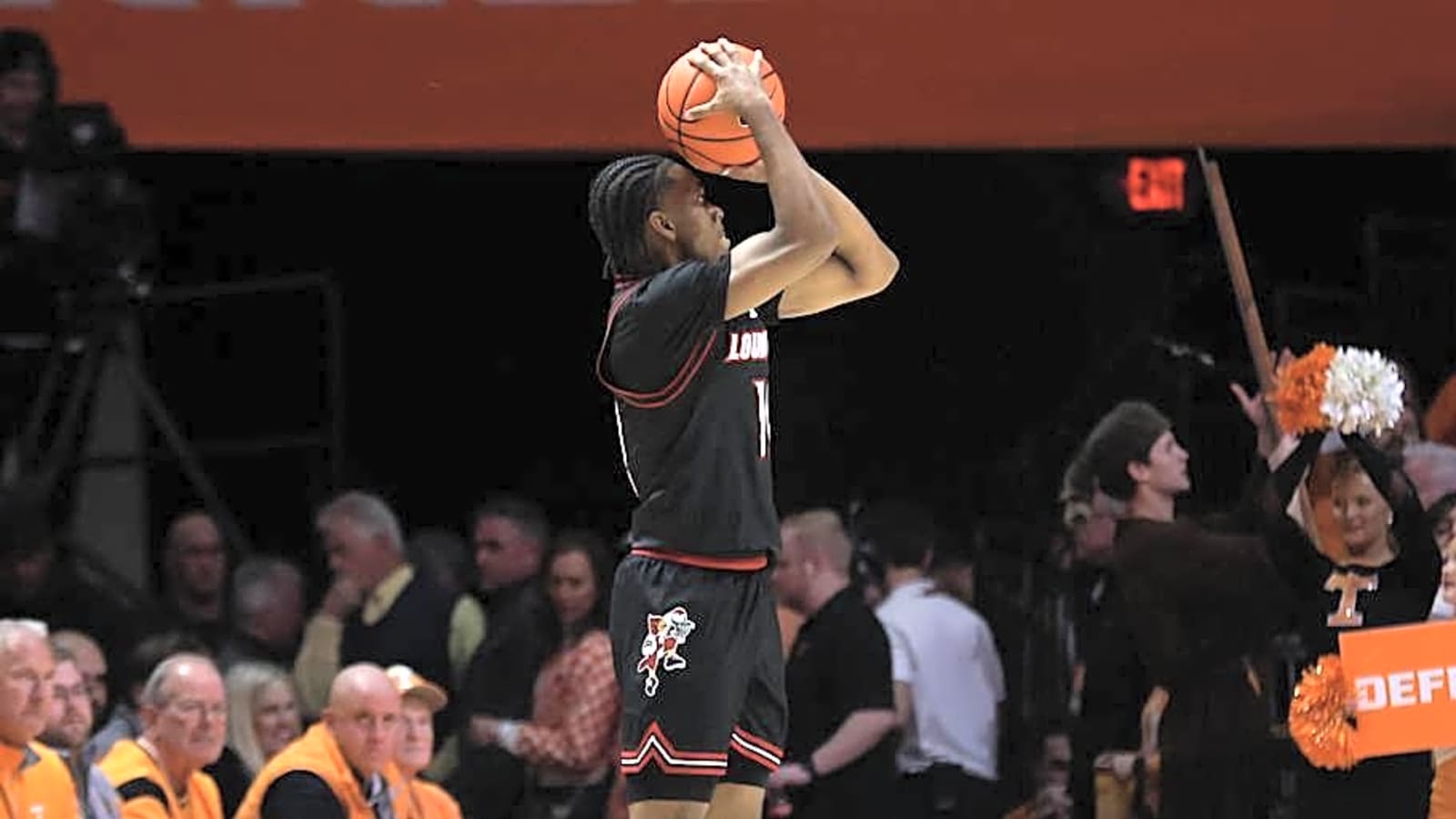
In the high-stakes world of collegiate athletics, performance volatility emerges as a critical lens for understanding systemic risks and strategic adaptability. The recent Louisville Cardinals basketball scenario provides a nuanced snapshot of how individual player availability can dramatically reshape team dynamics and competitive landscapes.
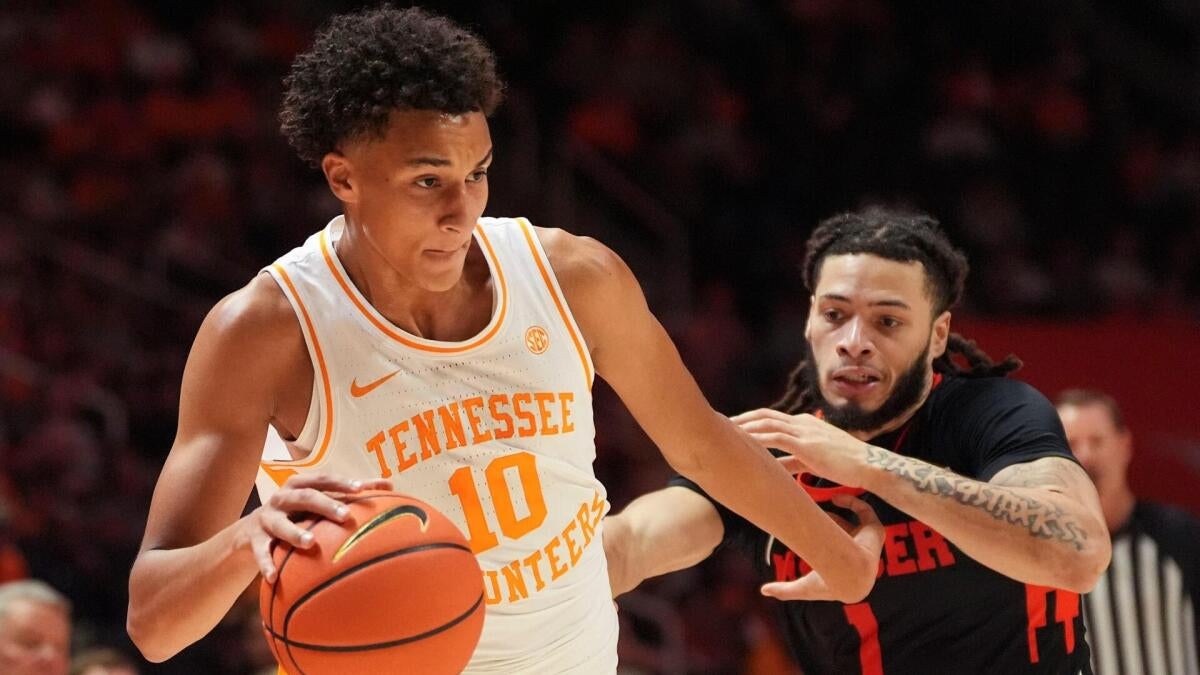
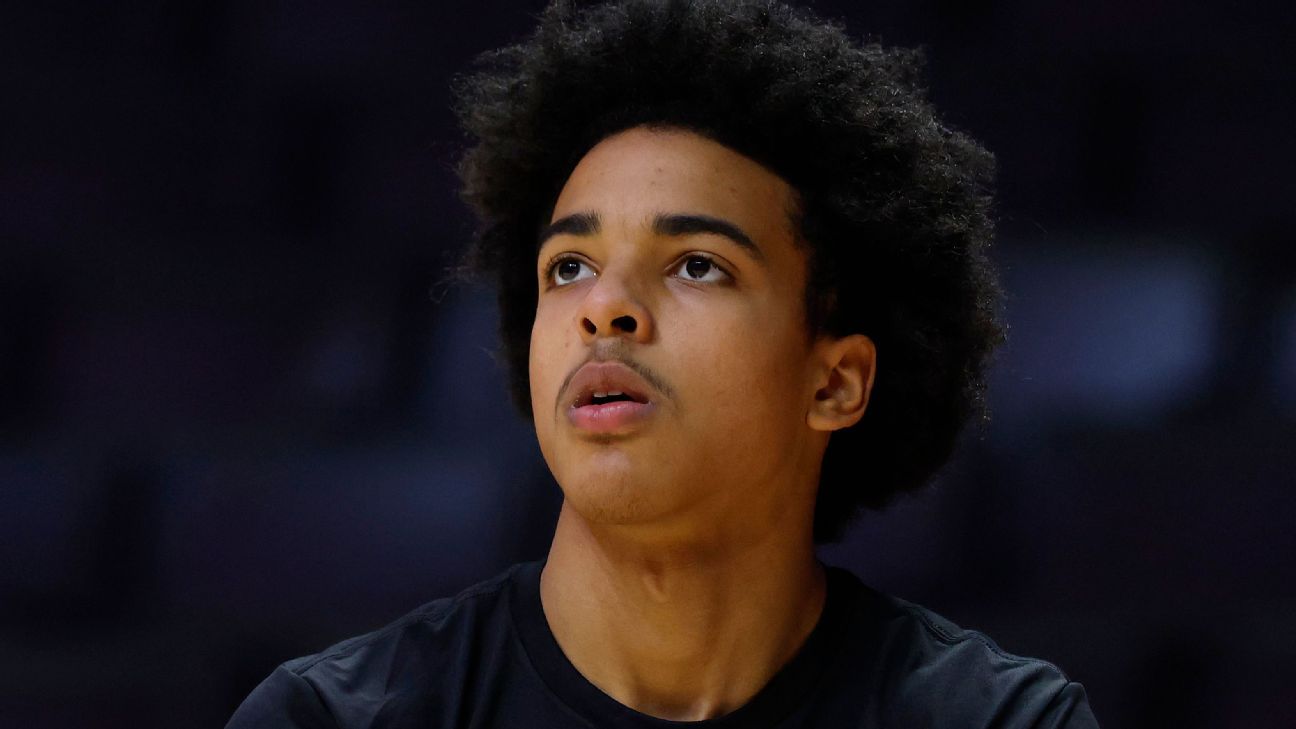
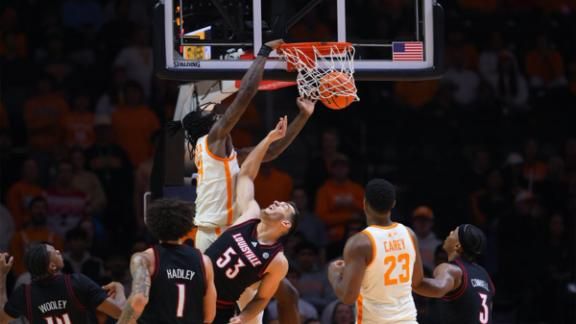
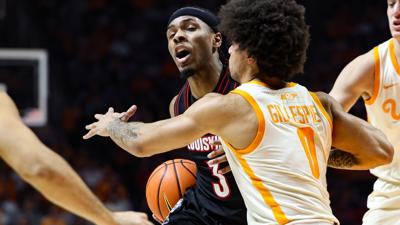
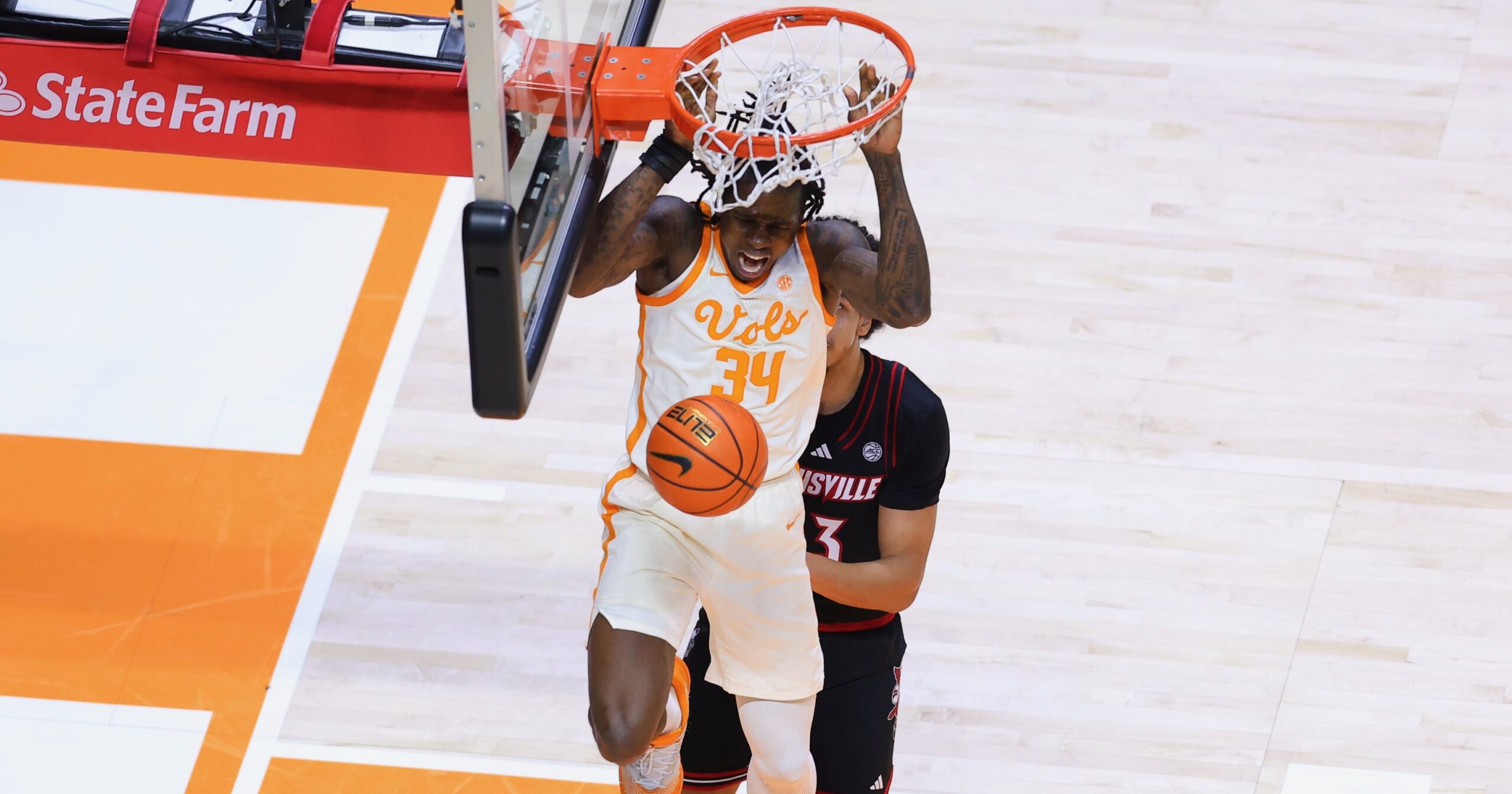
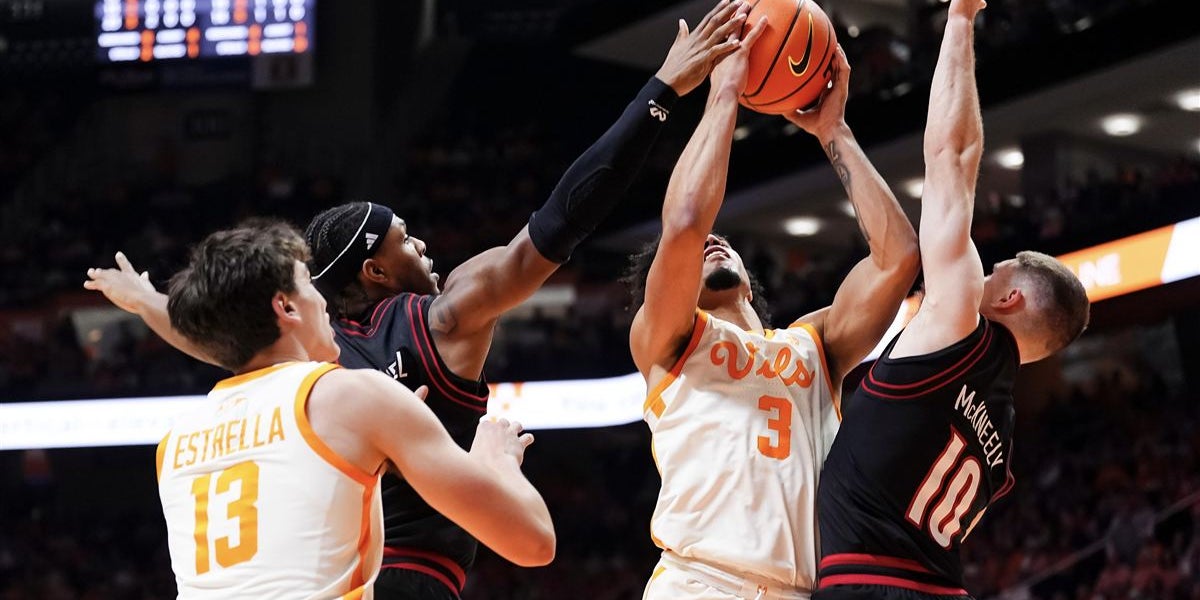
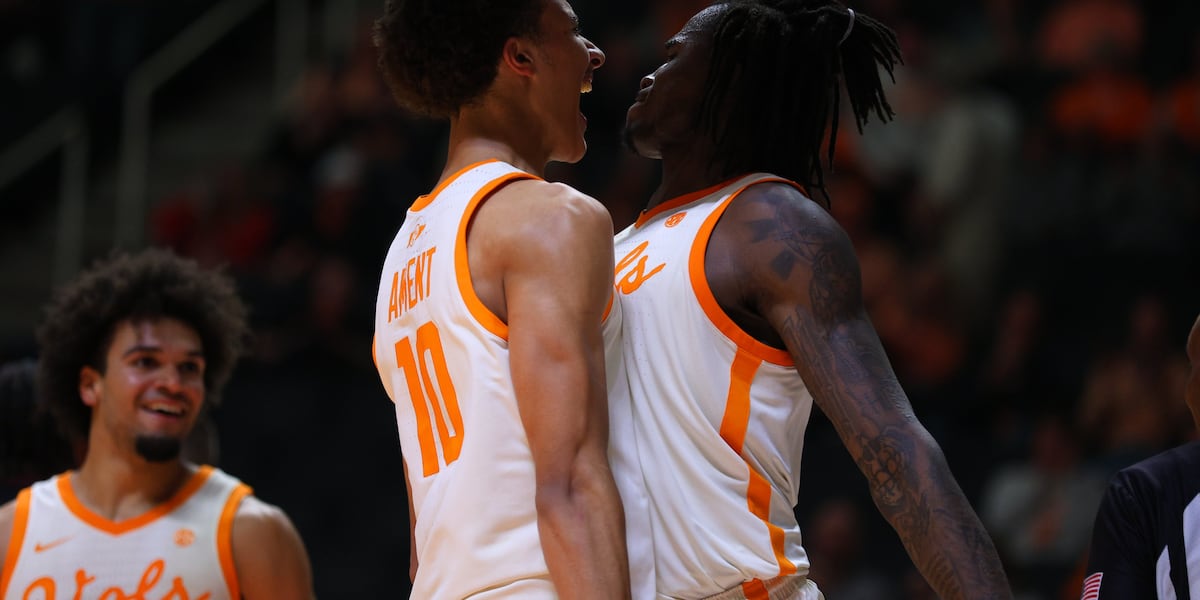
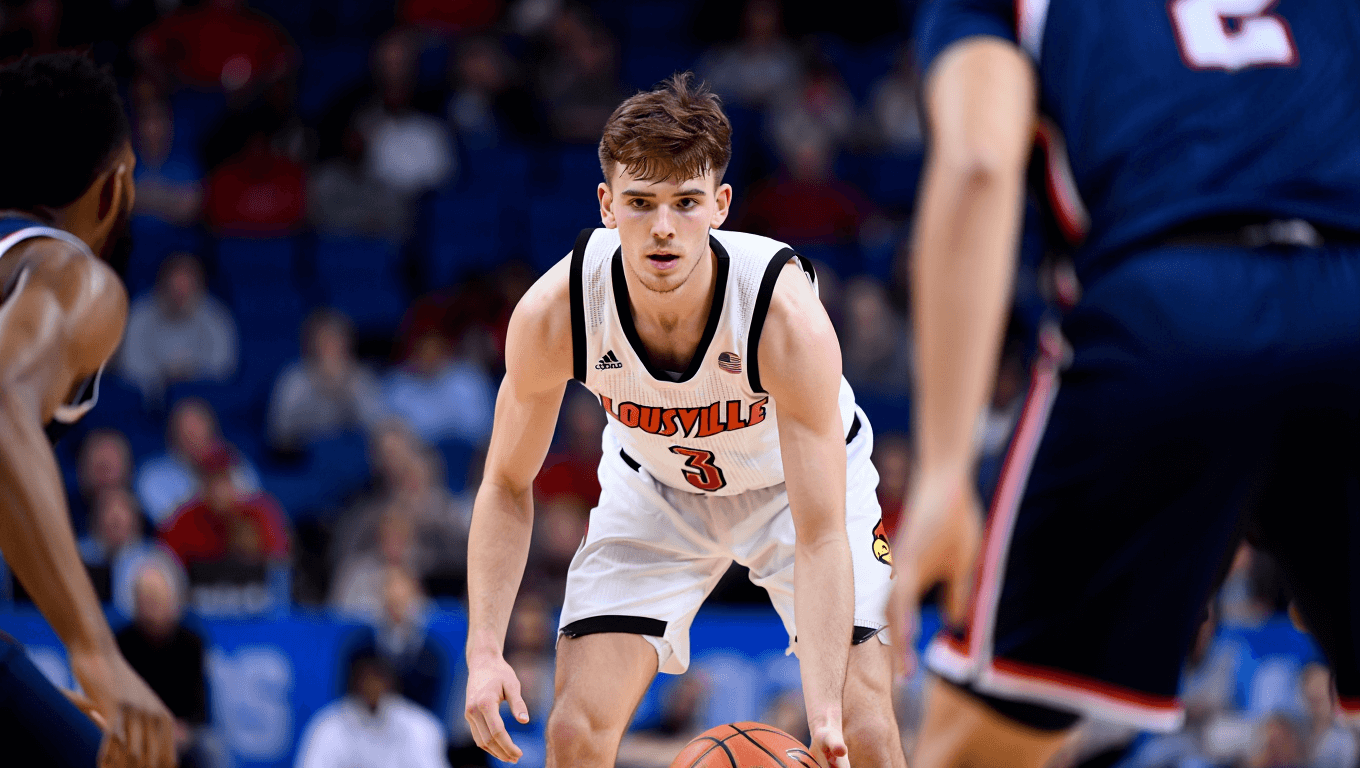
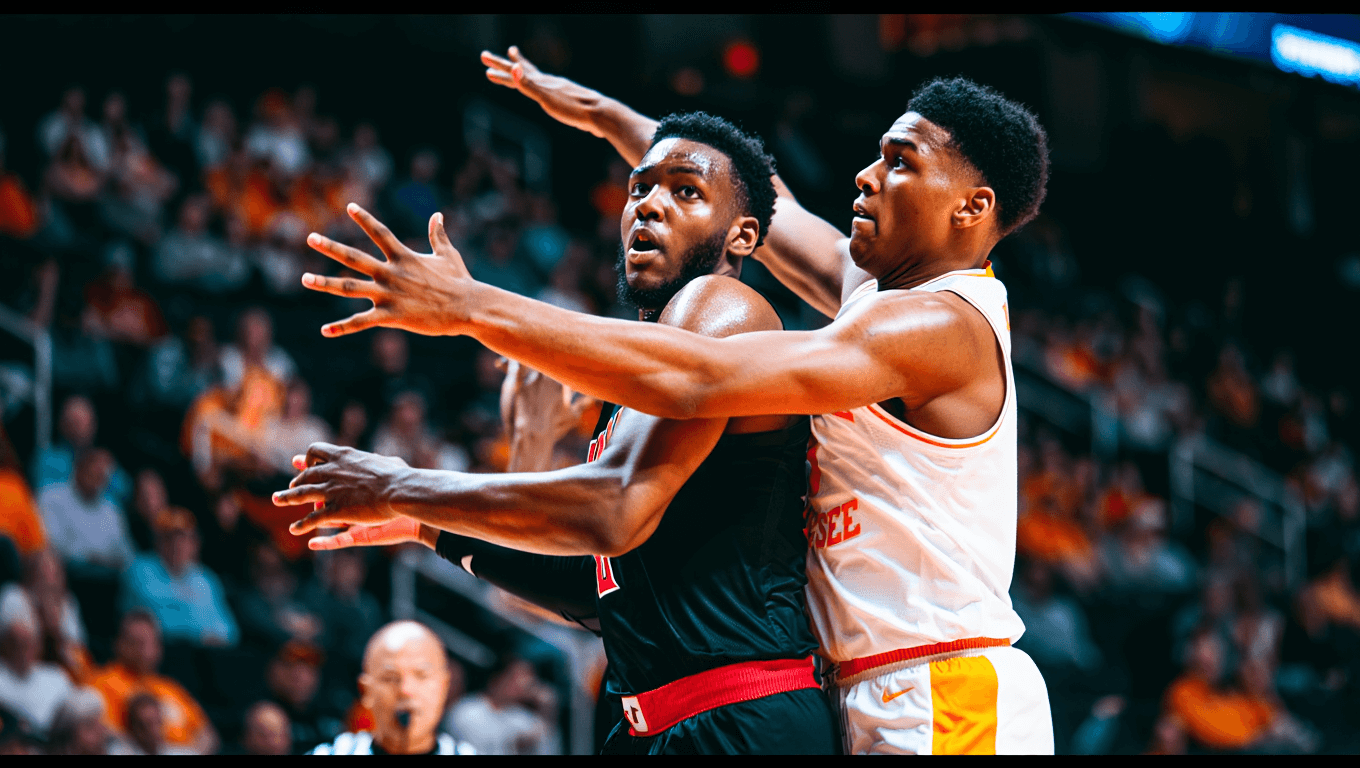
Player Availability as a Strategic Inflection Point becomes evident through Mikel Brown Jr.'s unexpected back injury during the Tennessee game. Despite being an elite freshman with impressive statistics—averaging 16.6 points, 3.0 rebounds, and 5.1 assists—Brown's sudden sidelining transformed the game's entire competitive narrative. The No. 11 ranked Louisville team suffered a decisive 83-62 loss, underscoring how a single player's absence can precipitate comprehensive performance collapse.
Tactical Resilience and Replacement Strategies come into sharp focus with Adrian Wooley's insertion into the starting lineup. Scoring 19 points as a Kennesaw State transfer, Wooley demonstrated the importance of roster depth and adaptable talent management. This microcosm reveals a broader organizational imperative: building robust systems that can absorb unexpected disruptions without complete systemic failure.
The incident transcends mere sports analytics, offering profound insights into risk management and contingency planning. For sports organizations, talent ecosystems, and even cross-market performance frameworks, the core lesson is clear: sustainable success requires anticipatory strategies that account for individual variability. The ability to rapidly recalibrate when key performers are unavailable separates resilient organizations from fragile ones.
Critically, this scenario illuminates the delicate balance between individual brilliance and collective performance. Brown's impressive season—including standout 29-point and 22-point performances—contrasts sharply with the team's sudden vulnerability, suggesting that star power alone cannot guarantee consistent outcomes.
For stakeholders across sports, entertainment, and performance-driven industries, the Louisville-Tennessee matchup serves as a compelling case study in adaptive capacity. The core message resonates beyond basketball: build systems that are flexible, have deep talent reserves, and can transform potential setbacks into opportunities for demonstrating organizational resilience.
Questions 3
How does a single player's injury impact overall team performance?
In the Louisville vs. Tennessee game, Mikel Brown Jr.'s back injury led to a significant 83-62 loss, demonstrating how key player unavailability can dramatically alter team dynamics. The replacement player Adrian Wooley scored 19 points, but couldn't fully compensate for Brown's usual 16.6-point average, highlighting the complex interplay between individual talent and team performance.
Can performance volatility be predicted or mitigated in sports?
While complete prediction is impossible, organizations can mitigate risks through comprehensive talent development, maintaining deep roster talent, implementing robust performance tracking systems, and creating flexible strategic frameworks that can quickly adapt to individual player unavailability.