


NFL Team Dynamics: Seller Insights from Chargers' Playoff Struggles
- Performance Challenges Impact Brand Strategy for 50K+ Sports Merchandise Sellers

.jpg)





















Overview
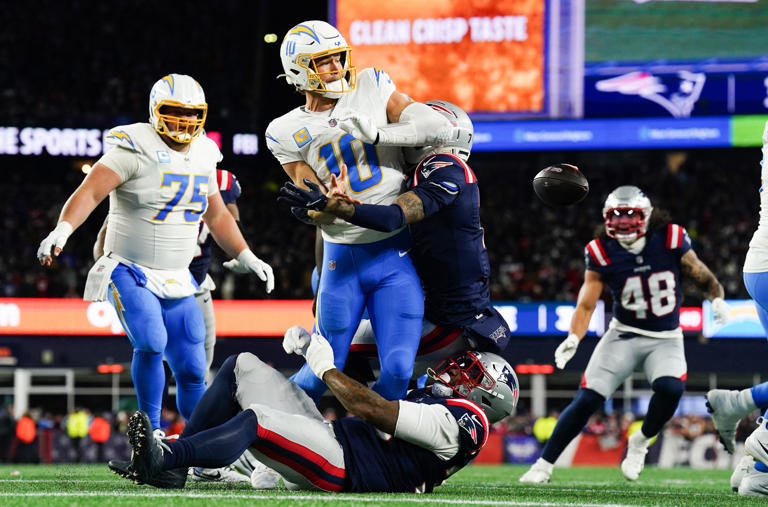
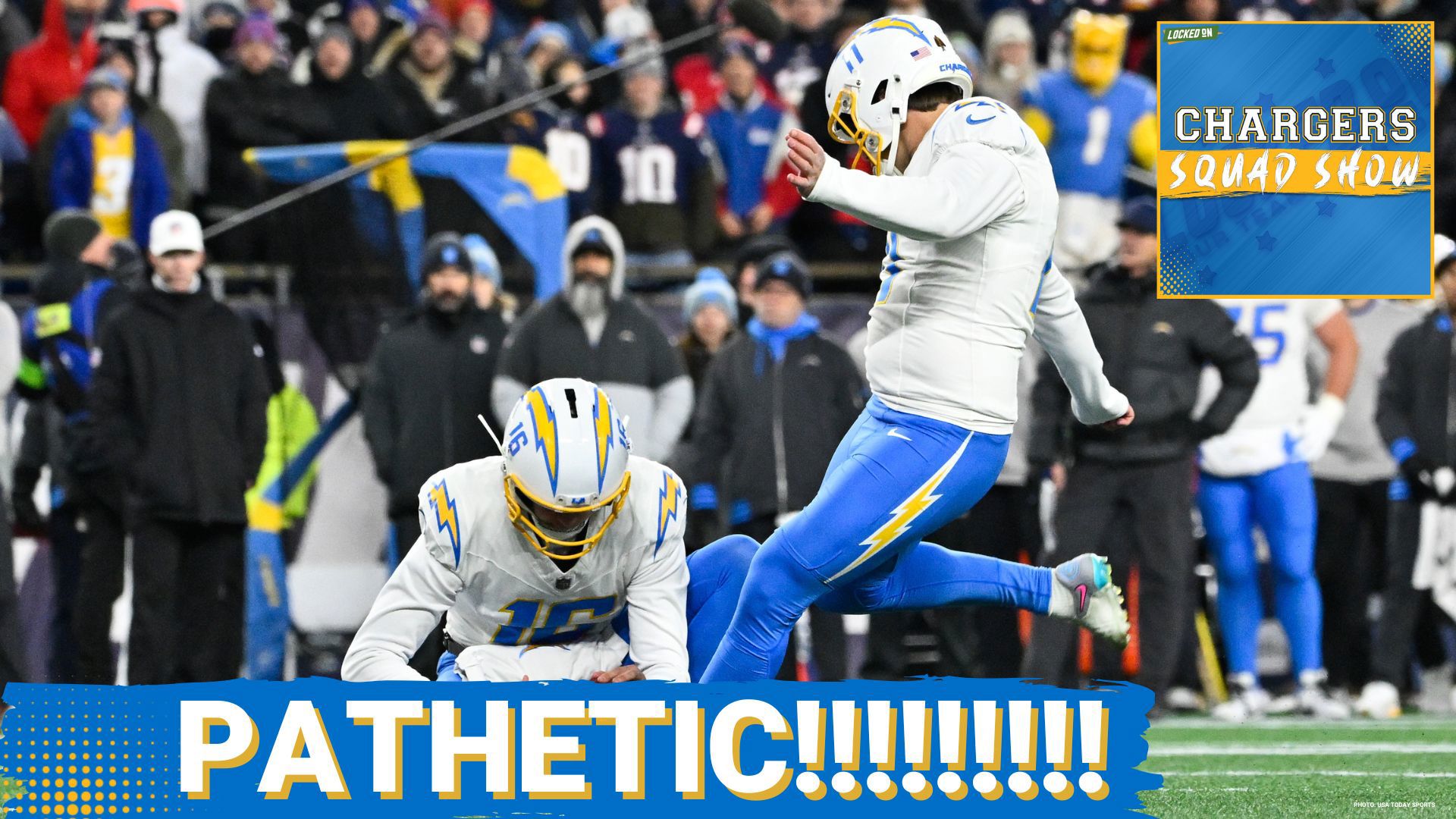
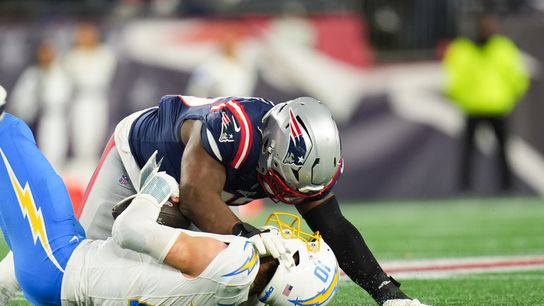
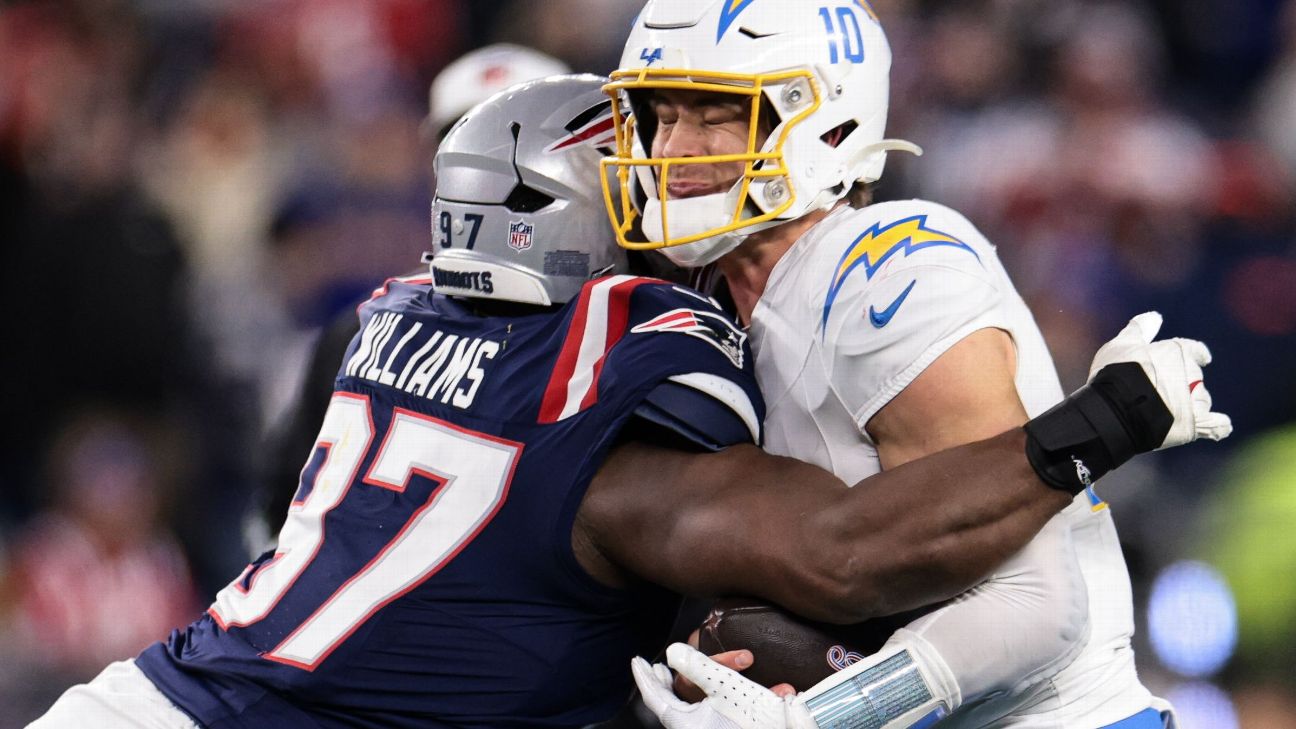
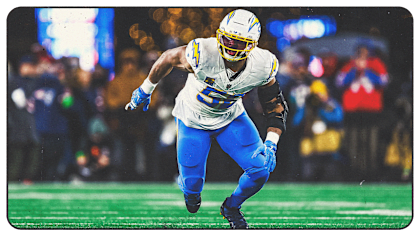
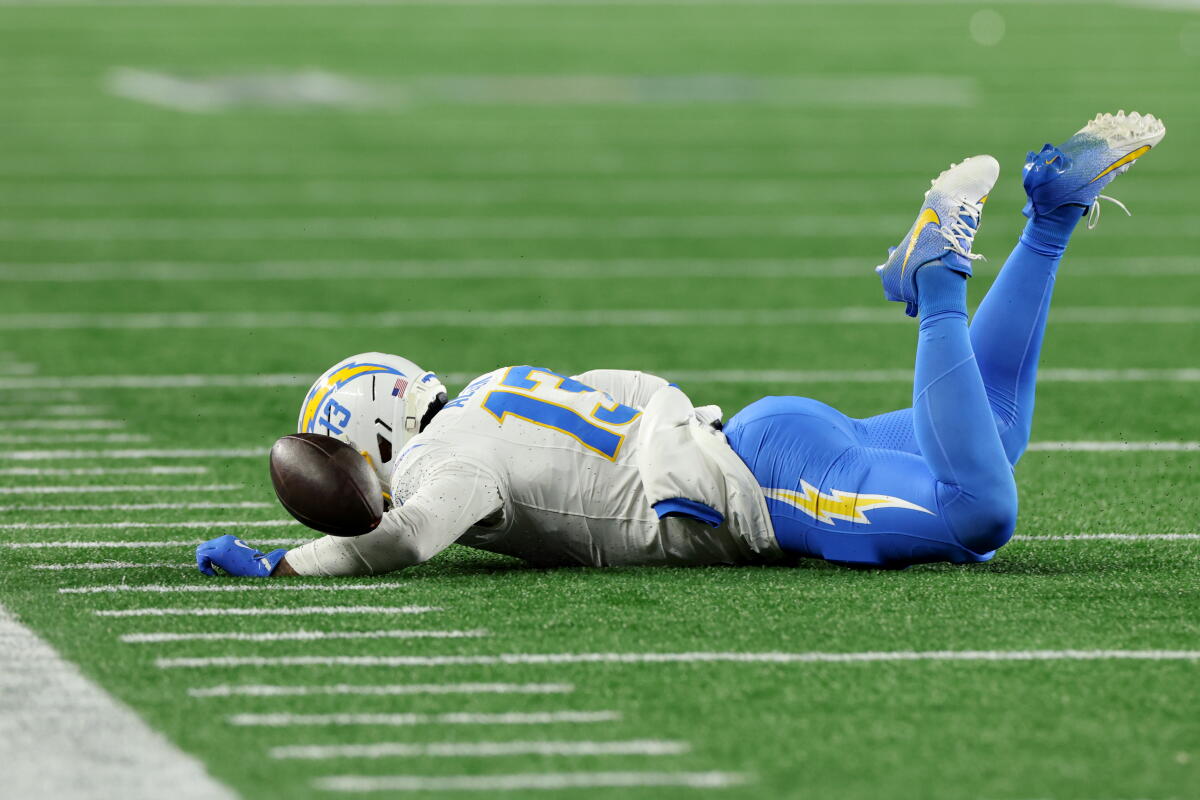
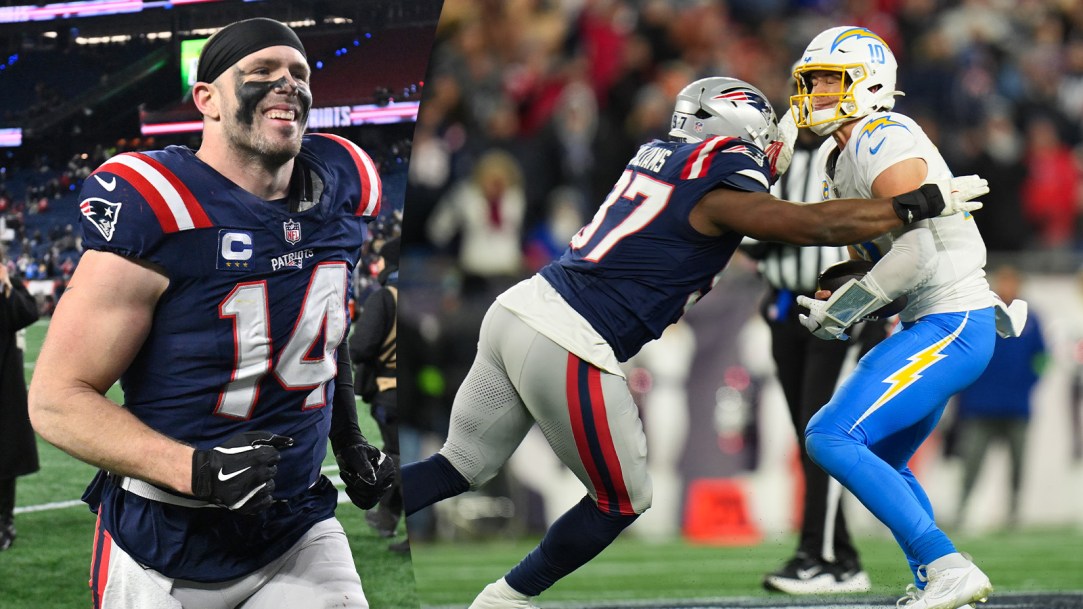
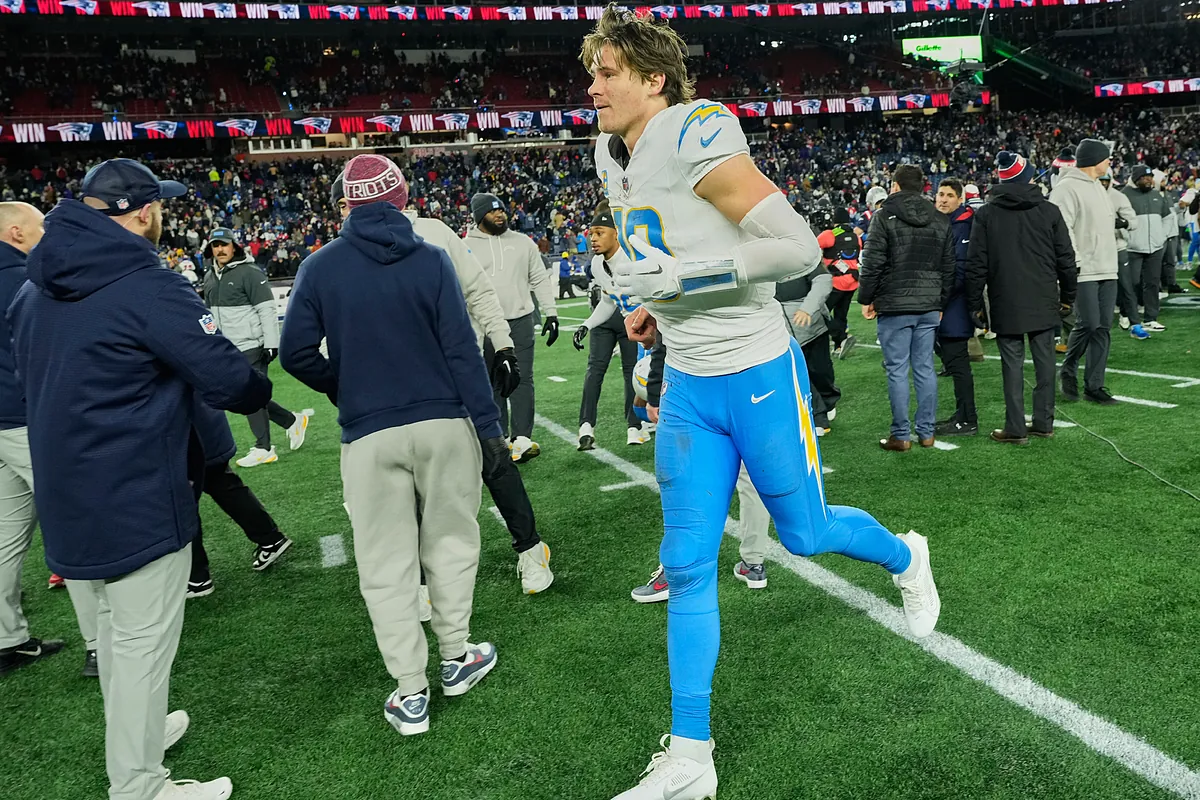
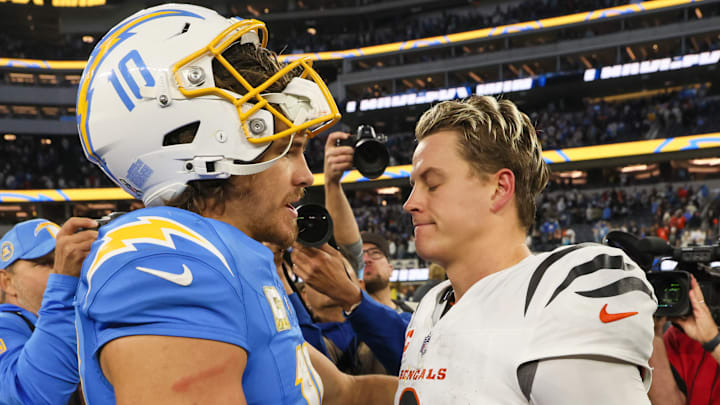
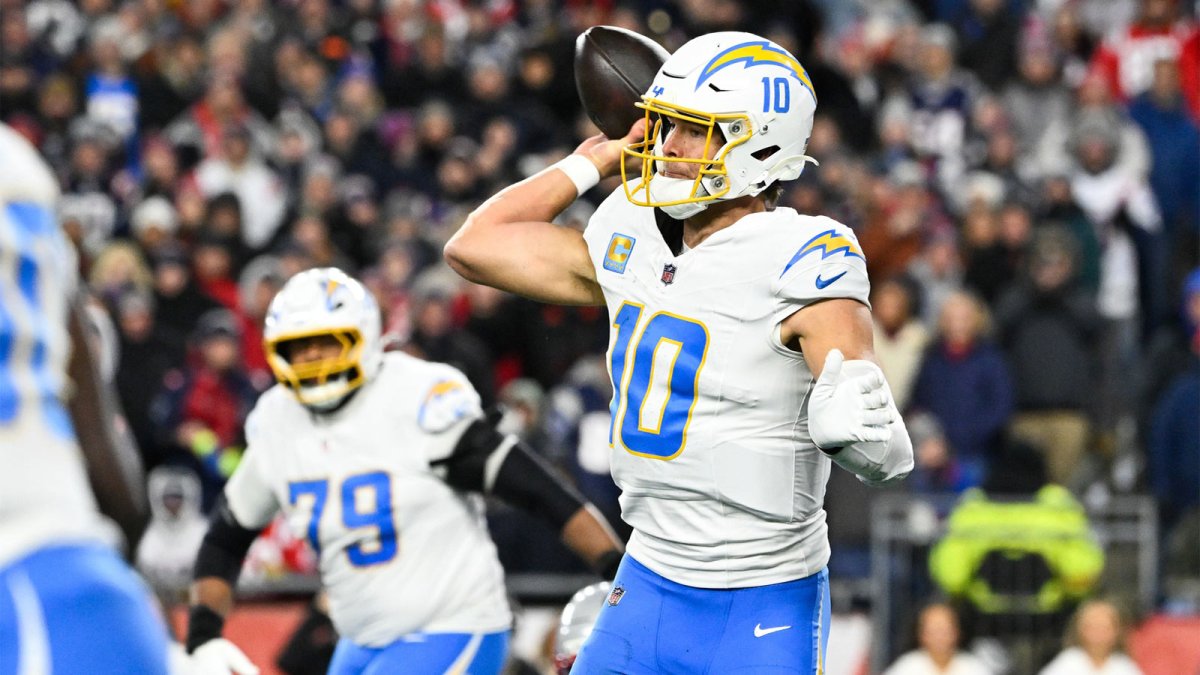
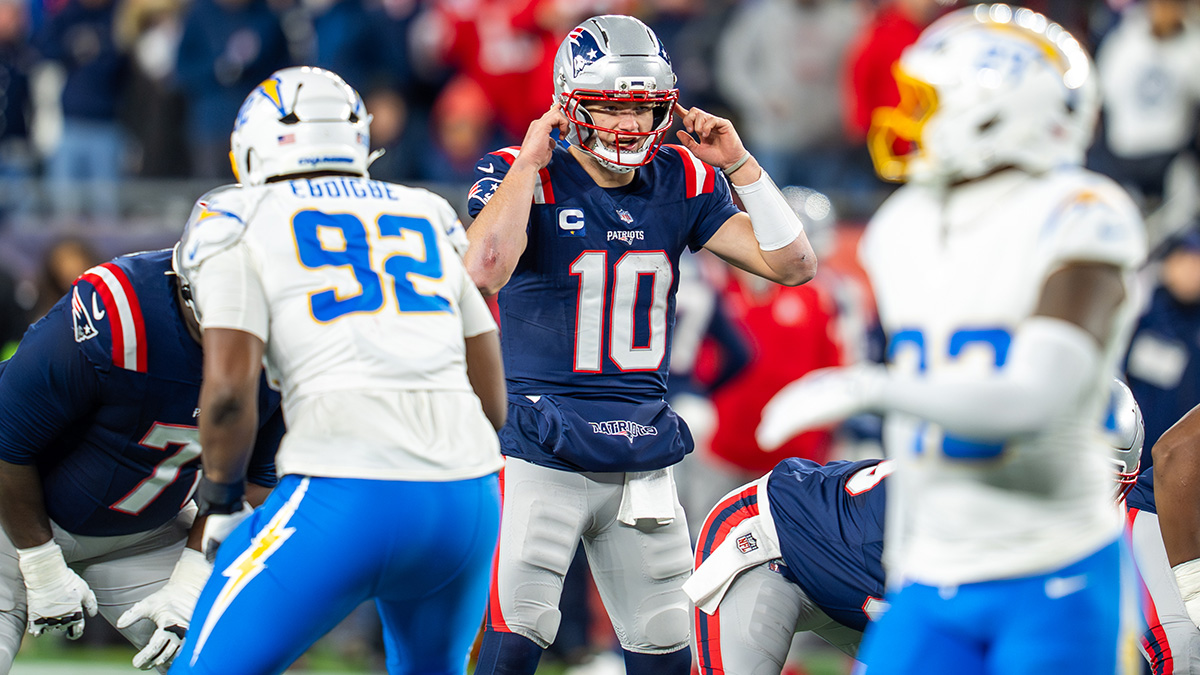
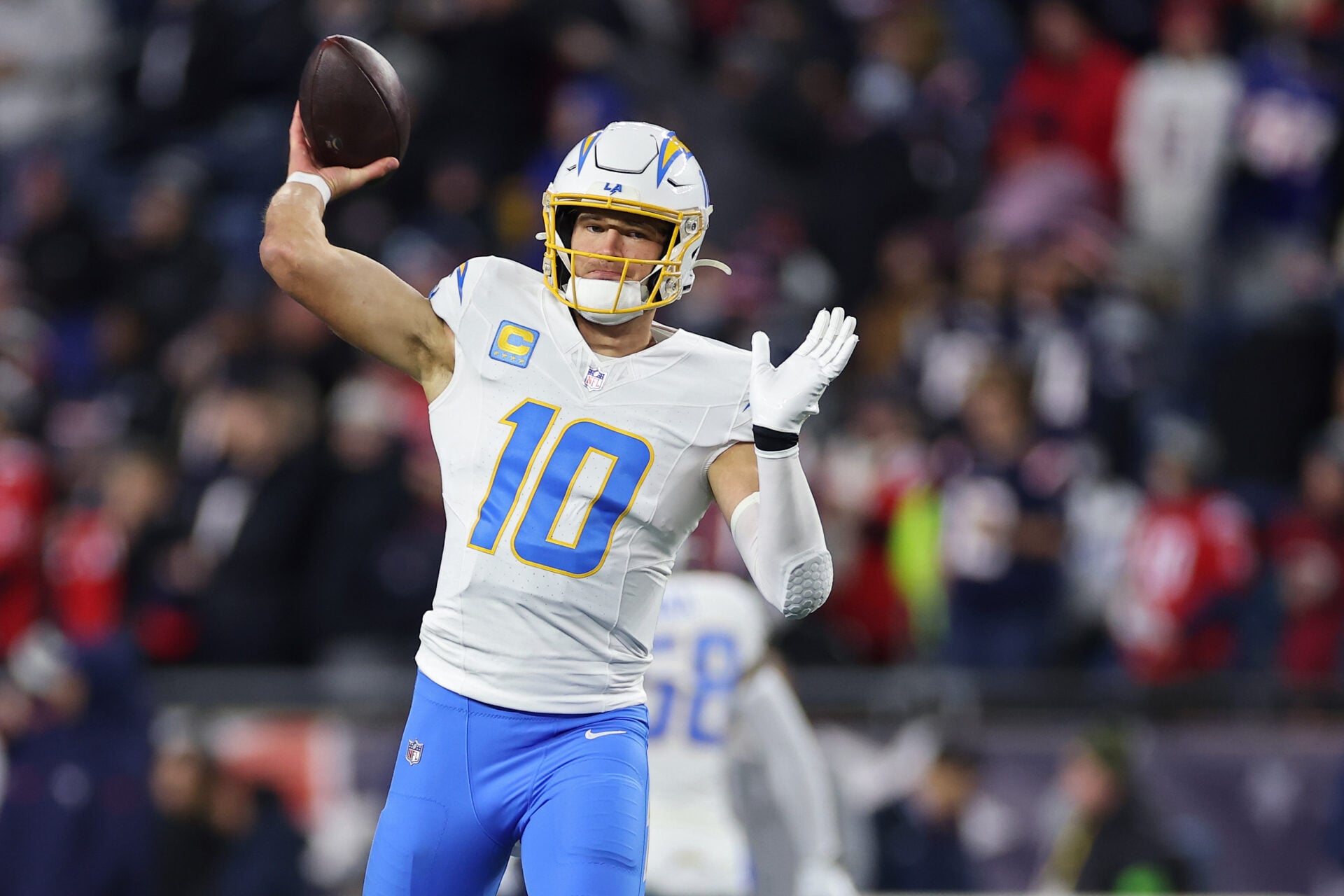
The Los Angeles Chargers' recent playoff performance reveals critical insights for e-commerce sellers in sports merchandise and digital branding strategies. The team's 16-3 loss to the New England Patriots highlights systemic challenges in leadership, performance management, and strategic decision-making that parallel critical considerations for online sellers.
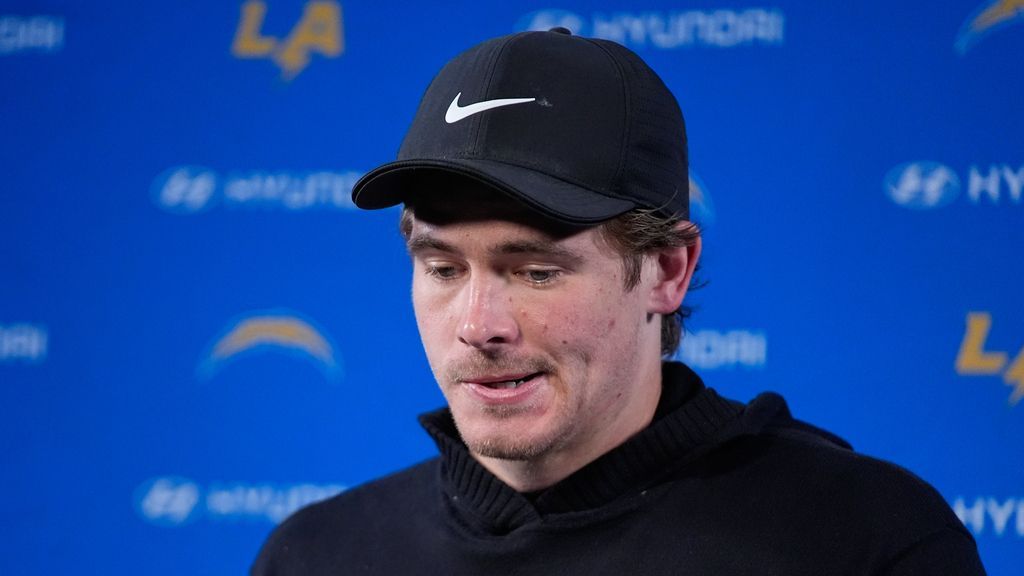
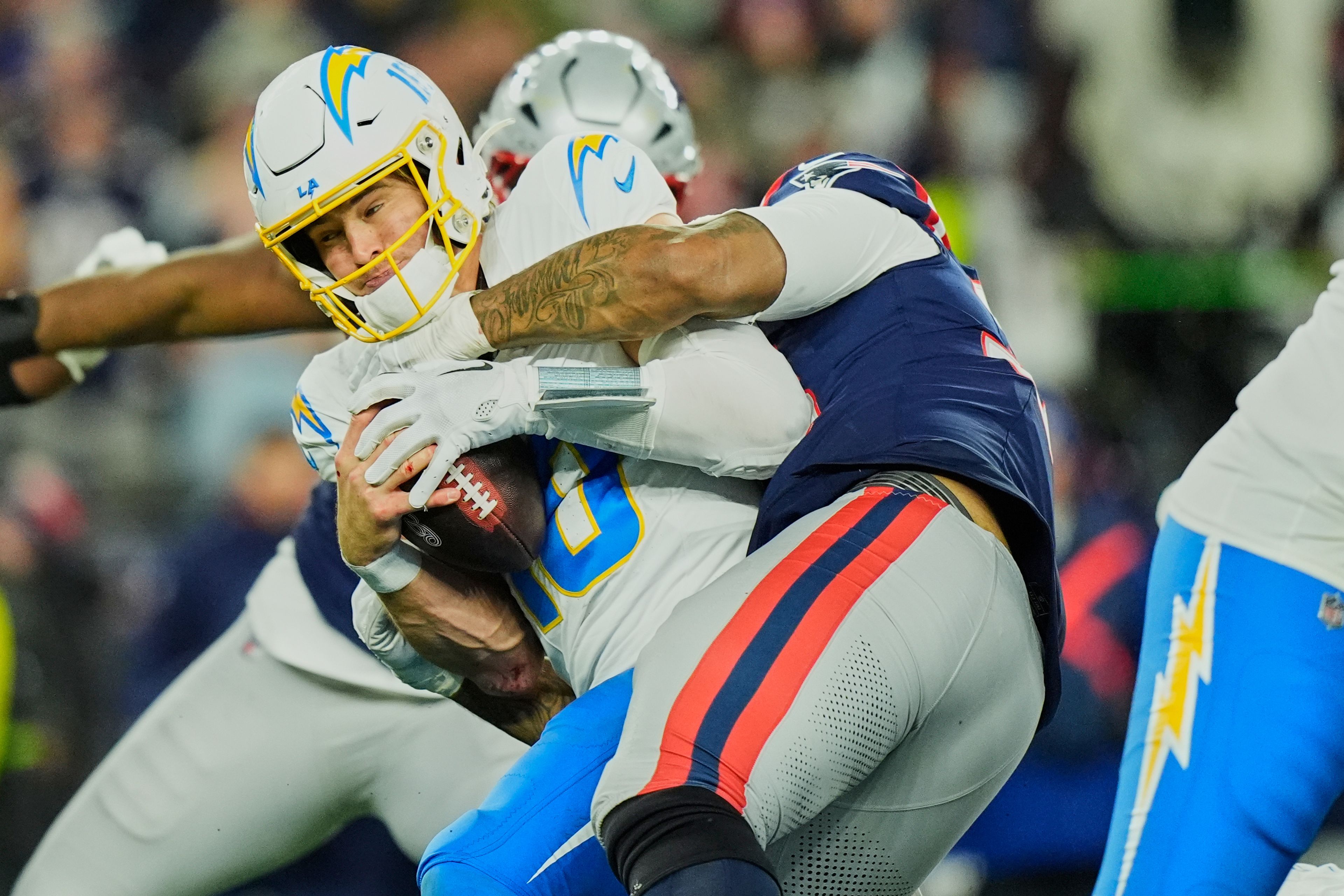
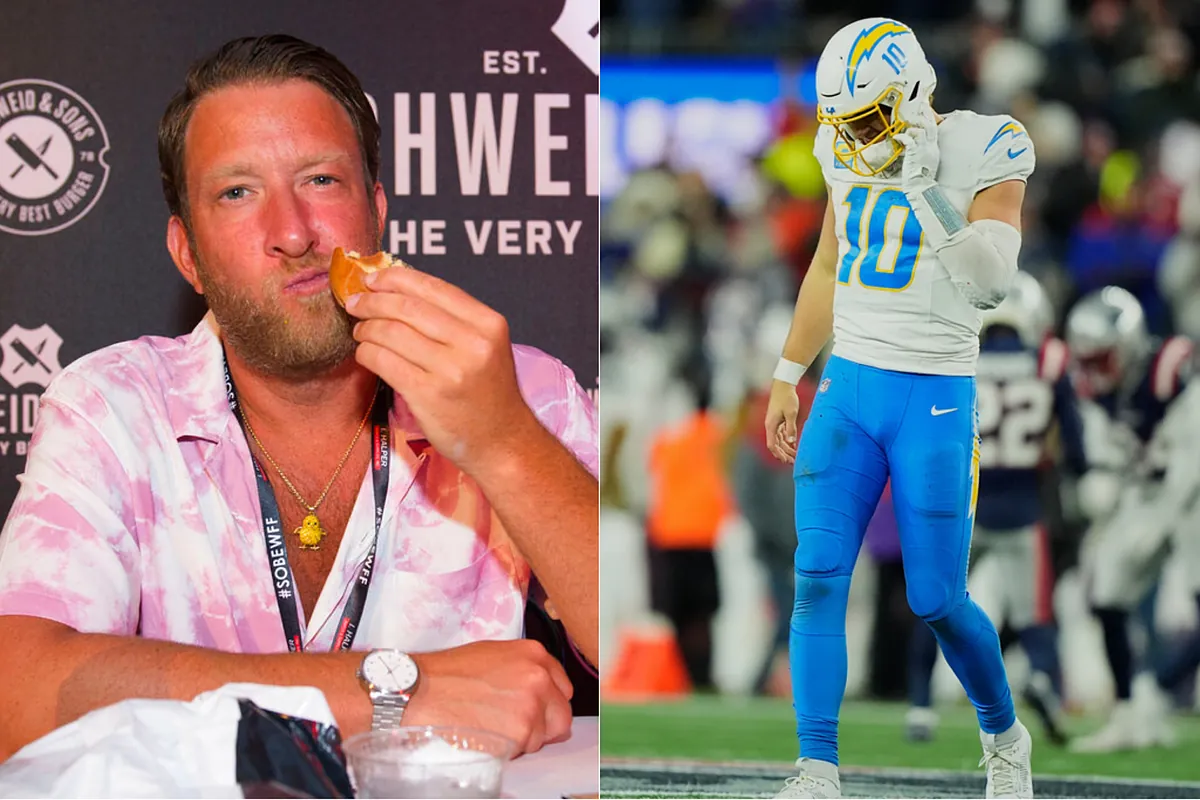
Key Performance Indicators (KPIs) demonstrate the importance of adaptability and leadership consistency. Justin Herbert's playoff struggles - with a 0-3 postseason record and statistically negative Expected Points Added (EPA) - mirror challenges faced by e-commerce brands in maintaining consistent performance. Just as the Chargers must reassess their offensive strategy, sellers must continuously optimize their marketplace approach, particularly in competitive categories like sports collectibles and fan merchandise.
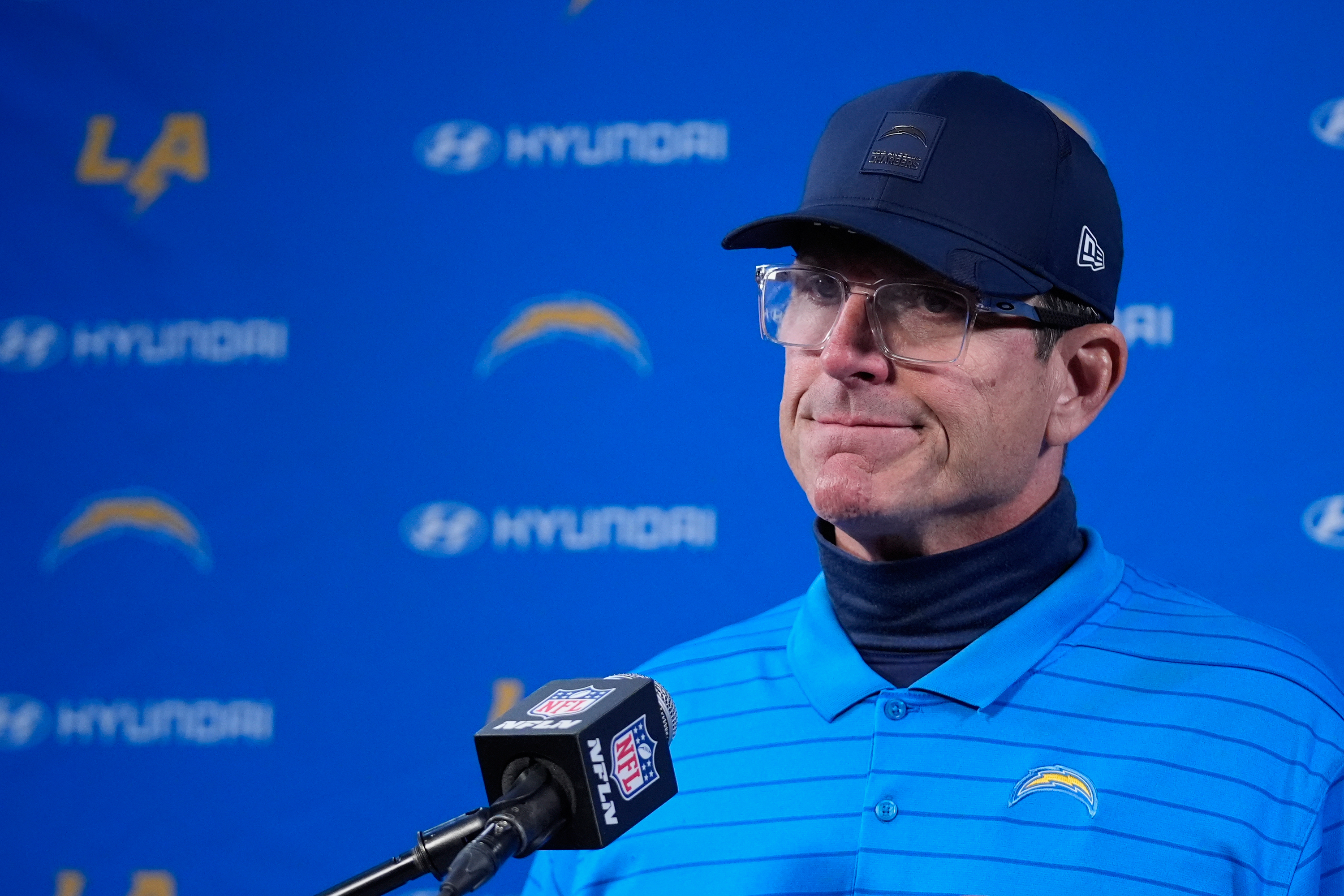
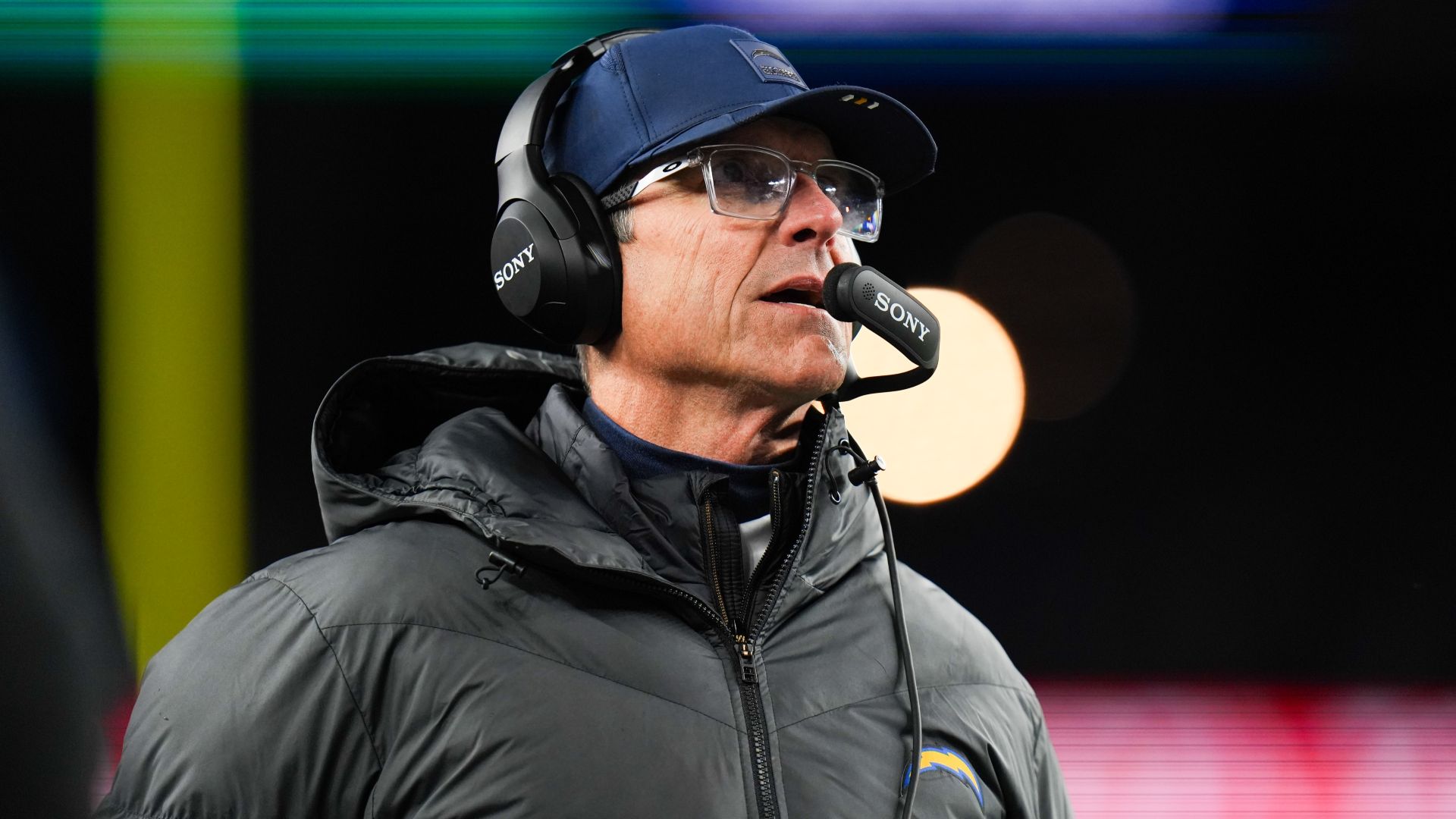
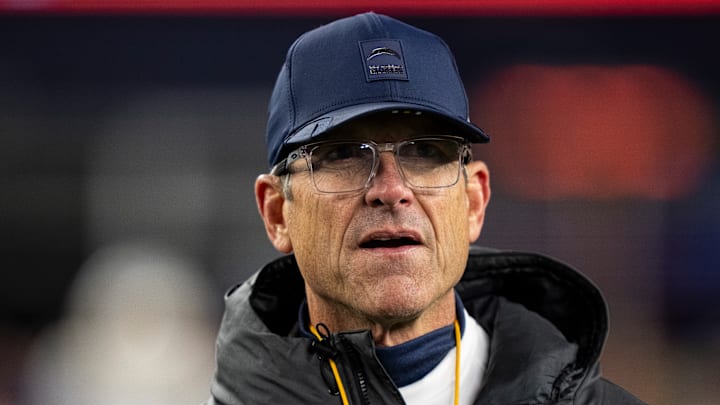
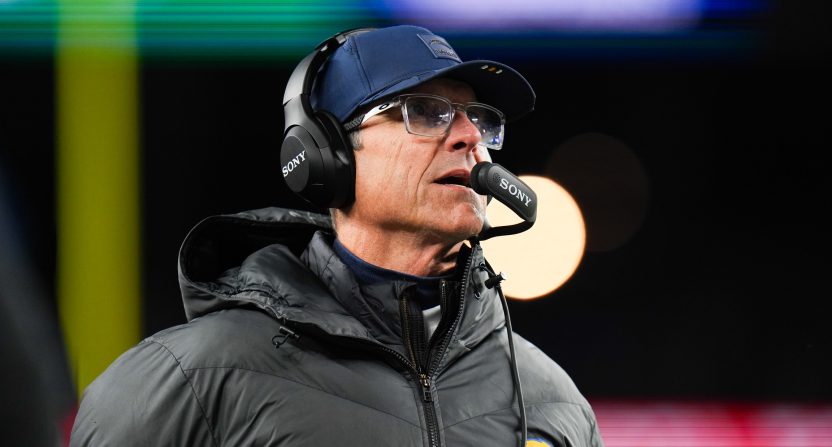
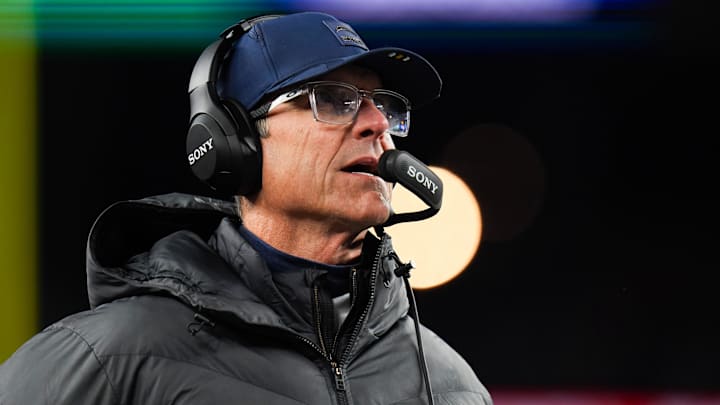
The organizational uncertainty surrounding Offensive Coordinator Greg Roman's future provides a strategic parallel for e-commerce brand management. Roman's 1-5 postseason record with multiple franchises underscores the critical nature of leadership stability. For online sellers, this translates to maintaining consistent product strategies, adapting marketing approaches, and making data-driven decisions about team (or seller) performance.
Khalil Mack's deliberative approach to career decisions also offers valuable insights. His measured reflection on potential retirement - prioritizing careful consideration over rushed choices - mirrors the strategic planning required in e-commerce. Sellers must similarly assess their product lines, marketplace positioning, and long-term growth strategies with similar thoughtfulness and strategic patience.
Actionable Insights for Sports Merchandise Sellers:
- Monitor team performance trends for merchandise demand
- Develop agile product strategies that adapt to team dynamics
- Invest in data-driven decision-making processes
- Create flexible inventory management approaches
- Develop marketing strategies that capitalize on team narratives and player branding
Questions 4
How do NFL team performance trends impact sports merchandise sales?
Team performance directly influences fan engagement and merchandise purchasing. Successful teams typically see 30-50% higher merchandise sales, while struggling teams may experience significant drops in fan product interest. Sellers should develop flexible inventory strategies that can quickly adapt to team performance dynamics.
What strategies can sports merchandise sellers use during team transitions?
Successful sellers diversify product lines, focus on player-specific merchandise, maintain lean inventory, and develop rapid marketing adaptation strategies. This might include creating flexible product lines that can quickly pivot based on team and player performance narratives.