



Hidden Infections and Genetic Clues Unravel the Long COVID Puzzle
- Emerging Research Reveals Complex Immunological Mechanisms Driving Persistent Post-COVID Symptoms







Overview
The landscape of long COVID research is undergoing a transformative shift, with groundbreaking studies unveiling the intricate biological mechanisms behind this complex post-viral condition. Emerging scientific evidence suggests that long COVID is far more than a simple viral aftermath—it's a sophisticated interplay of hidden infections, genetic predispositions, and chronic inflammatory responses.
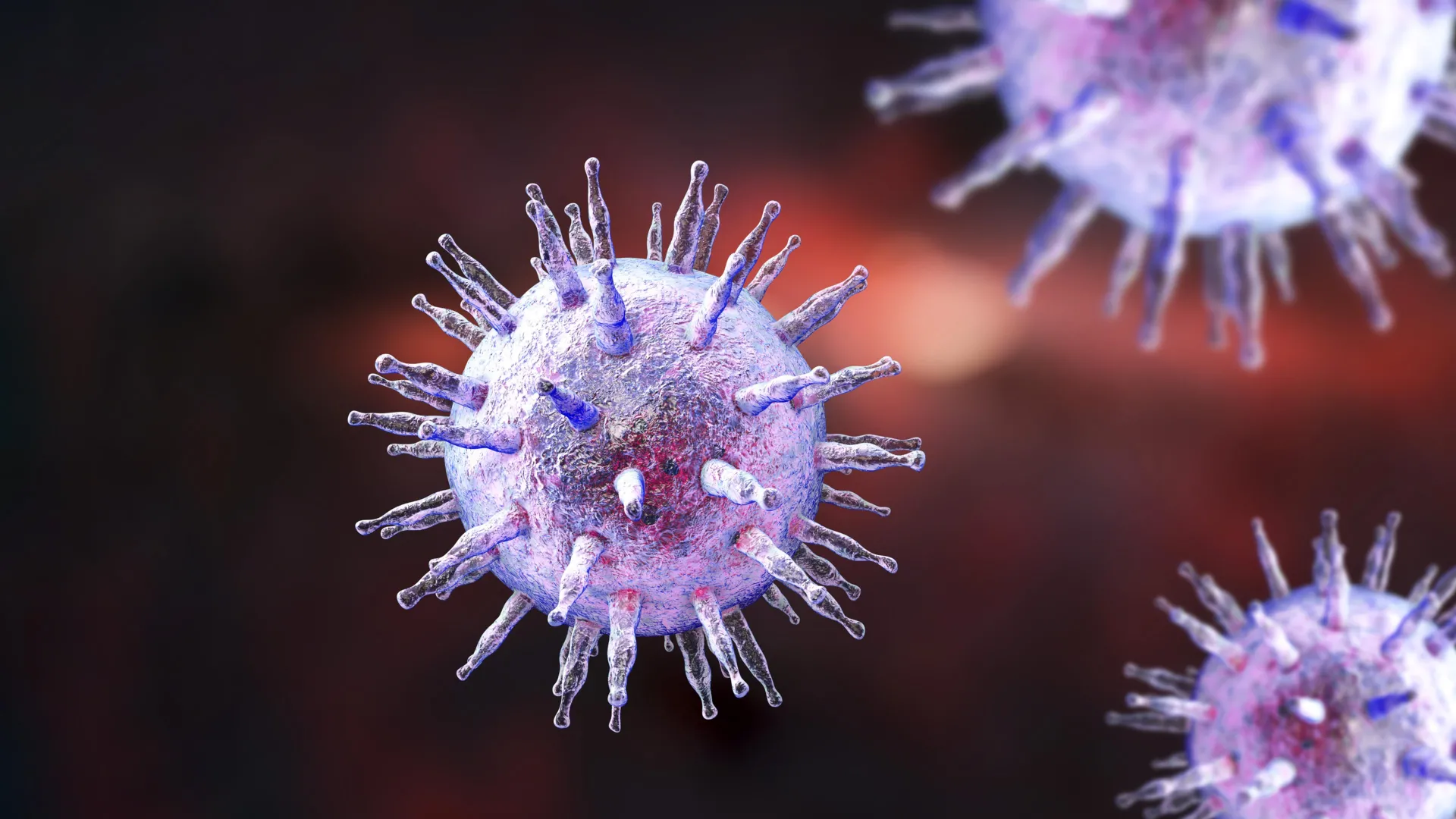
Multiple research initiatives have converged on a critical insight: long COVID's persistence is likely driven by complex immunological disruptions. A pivotal study by 17 microbiologists revealed that approximately two-thirds of long COVID patients show signs of recent Epstein-Barr virus (EBV) activity, with higher antibody levels correlating directly to symptom severity. This suggests that pre-existing or concurrent viral infections might significantly compromise the immune system's ability to recover from COVID-19.
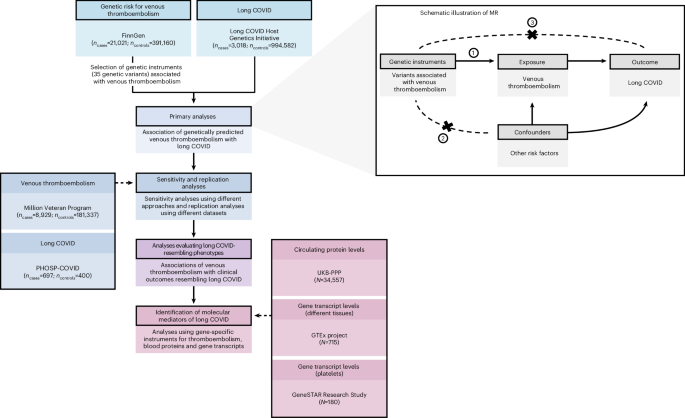
Genetic research adds another layer of complexity. Genome-wide association studies have uncovered significant genetic overlap between long COVID symptoms and thrombotic complications, particularly in individuals of European ancestry. The research highlights a genetic architecture that predisposes some patients to prolonged inflammatory responses. Notably, individuals with the most significant inflammation at infection's onset were more likely to experience lingering symptoms, indicating that the initial immune response might be a critical predictor of long-term health outcomes.
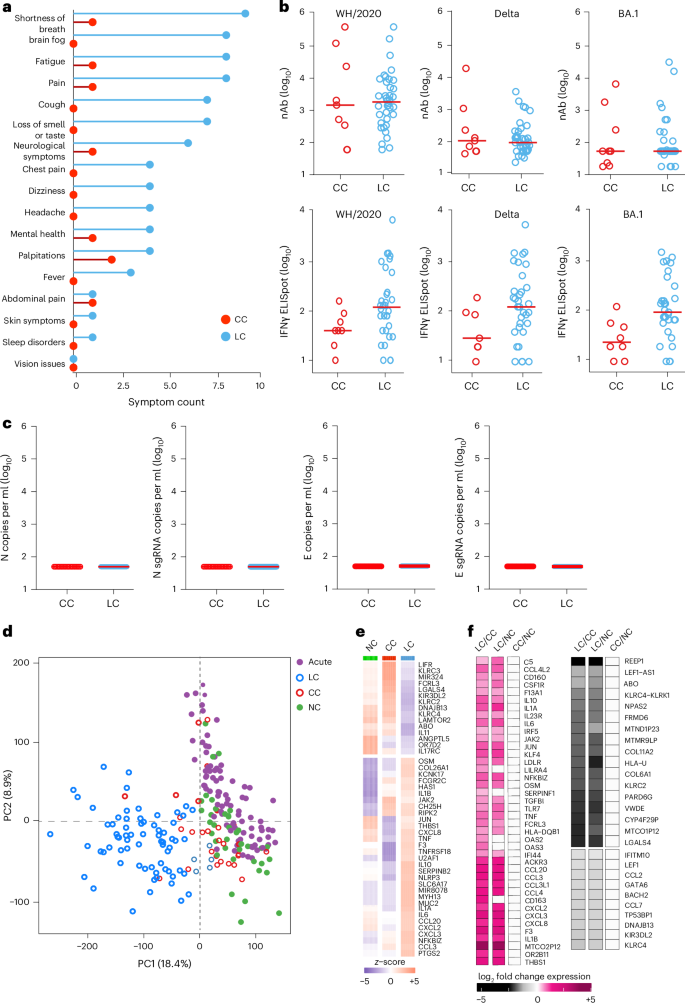
The Harvard and Beth Israel Deaconess Medical Center study provides perhaps the most comprehensive view, integrating multi-omic data to create a detailed profile of the immune system during long COVID. Their findings point to chronic inflammation, immune system depletion, and disrupted cellular metabolism as key markers. With an estimated 15 million Americans affected, these insights are not just academic—they represent a potential roadmap to understanding and potentially treating a condition that has mystified medical professionals.
The implications extend far beyond individual health. Long COVID represents a significant workforce and economic challenge, potentially impacting productivity, healthcare systems, and broader economic recovery strategies. As researchers continue to unravel this complex condition, the emerging narrative is clear: long COVID is a multifaceted phenomenon requiring sophisticated, personalized approaches to diagnosis and treatment.
Questions 3
What are the most promising research directions for long COVID treatment?
Current research focuses on three key areas: identifying specific inflammatory proteins as potential therapeutic targets, developing personalized genetic screening methods, and exploring treatments that can modulate the immune system's chronic inflammatory response. The multi-omic approach, which integrates immune responses, viral markers, and gene expression, shows particular promise.
What makes long COVID different from typical viral recovery?
Unlike standard viral recovery, long COVID involves persistent inflammation, immune system disruption, and potential reactivation of dormant viruses like Epstein-Barr. Research shows that two-thirds of long COVID patients exhibit ongoing viral activity, suggesting a complex immunological response that extends far beyond the initial infection.