


Geopolitical Chess: Europe's High-Stakes Gambit with Frozen Russian Assets
- A Pivotal Moment in Financial Warfare and International Sanctions Strategy






Overview
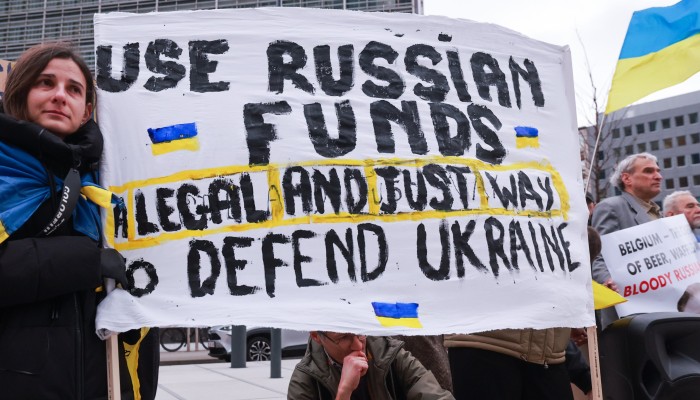
The European Union stands at a critical geopolitical crossroads, contemplating an unprecedented financial maneuver that could fundamentally reshape international asset management and sanctions enforcement. At the epicenter of this strategic confrontation is Euroclear, the Belgian financial institution holding approximately 210 billion euros in frozen Russian central bank assets, now poised to become a key instrument in supporting Ukraine's economic and military resilience.
Fitch Ratings has signaled the high-stakes nature of this decision by placing Euroclear on 'rating watch negative', highlighting the complex legal and financial risks inherent in repurposing sovereign assets. The proposed plan involves using these frozen funds as collateral for loans to Kyiv, effectively transforming economic sanctions into a proactive financial weapon. This is not merely a technical financial transaction, but a sophisticated geopolitical strategy that challenges traditional international banking norms.
The Russian response has been swift and multifaceted. By filing a 230 billion euro lawsuit against Euroclear and engaging in a multipronged intimidation strategy—including legal challenges, potential cyber provocations, and diplomatic pressure—Moscow is attempting to prevent the asset reallocation. Belgium, hosting these frozen funds, finds itself at the epicenter of potential retaliation, with security officials already reporting multiple drone incursions attributed to Russian destabilization efforts.
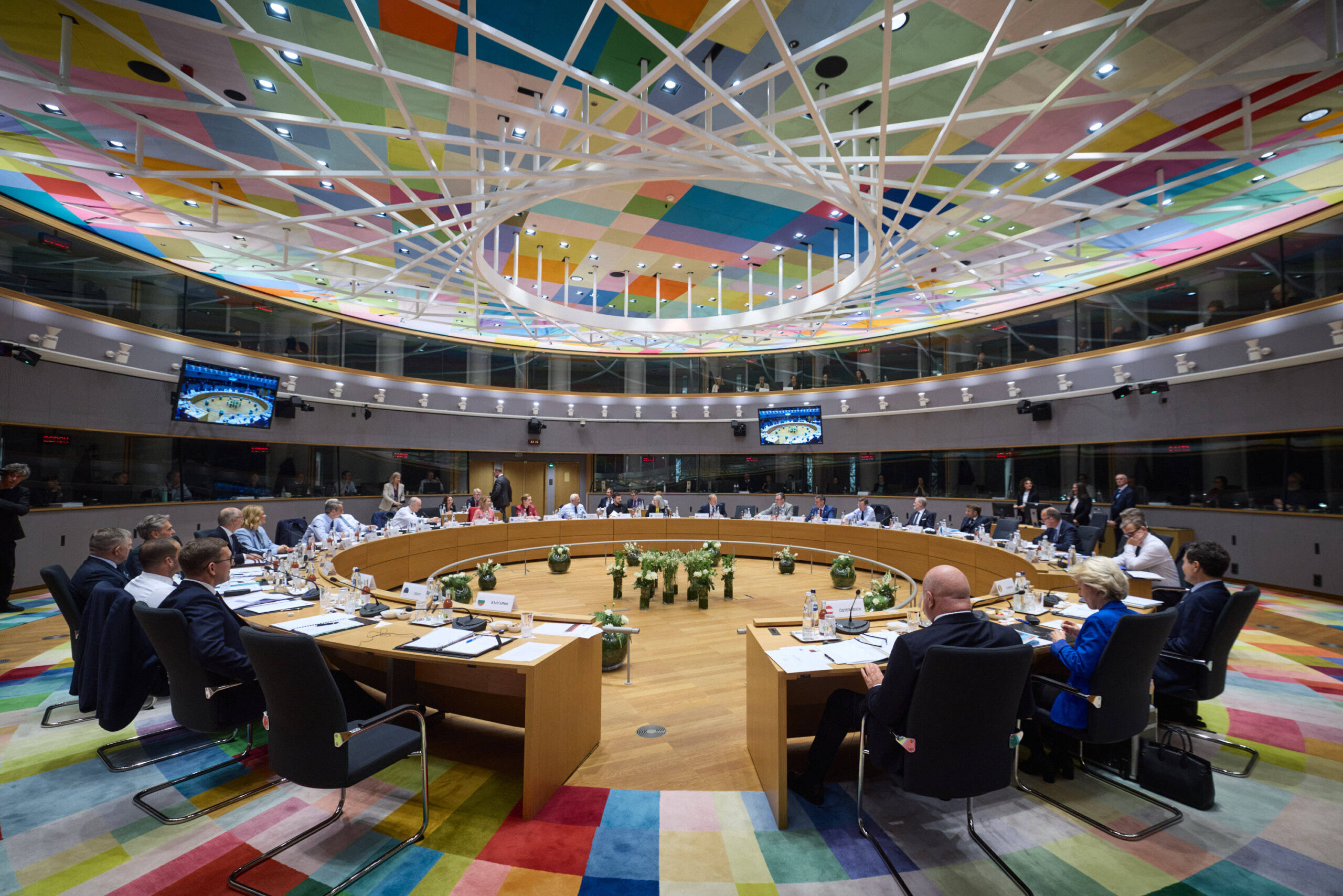
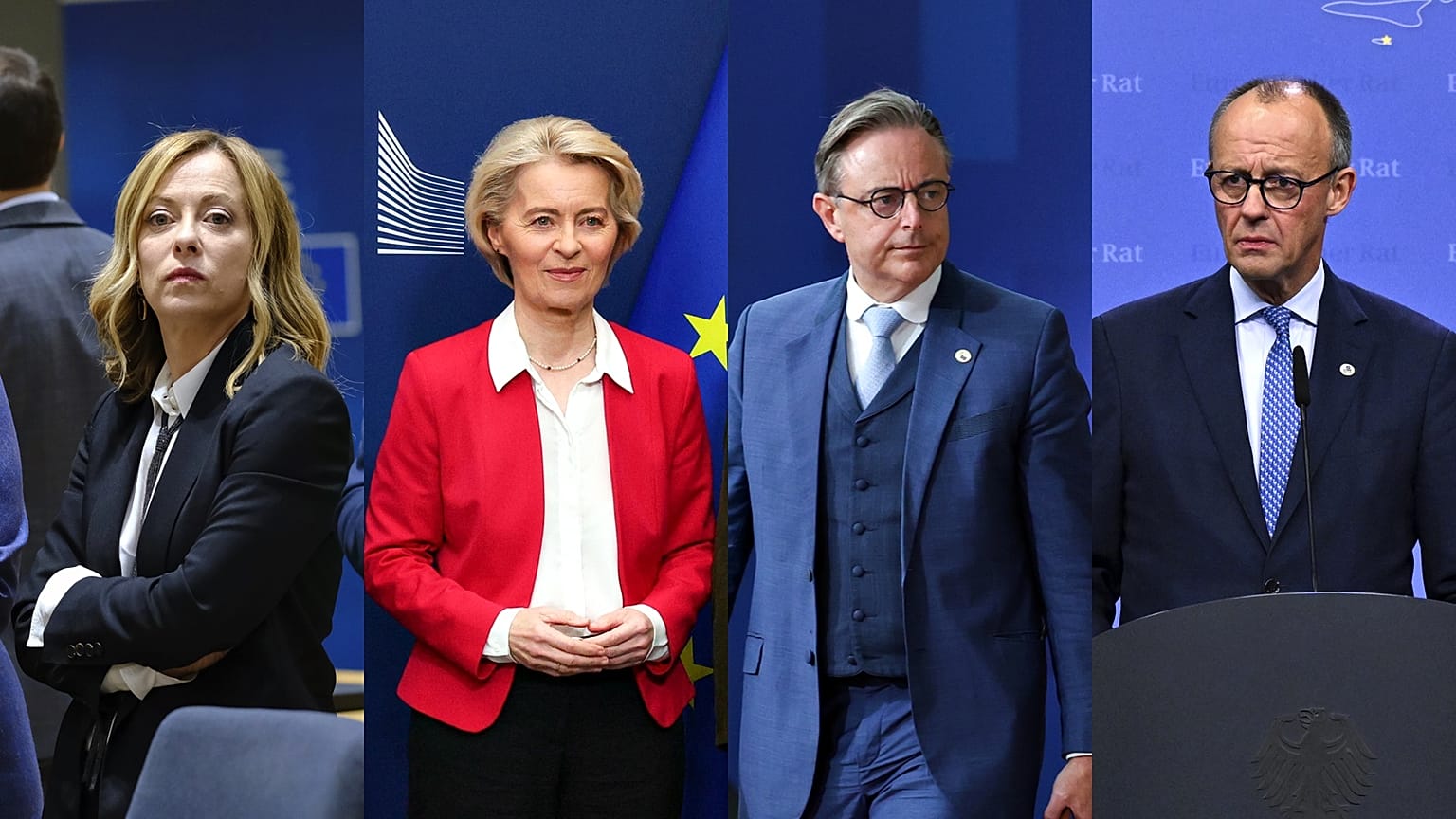
The internal EU dynamics add another layer of complexity. Countries like Italy, Bulgaria, and Malta express hesitation, while Hungary and Slovakia have outright rejected the proposal. This fragmentation reveals the delicate balance between solidarity with Ukraine and individual member states' economic and political calculations. The upcoming EU summit will be a critical inflection point, potentially determining not just the financial support for Ukraine, but the very cohesion of European geopolitical strategy.
Critically, this maneuver transcends a simple financial transaction. It represents a new paradigm of economic statecraft, where frozen assets become instruments of geopolitical pressure and support. The outcome will likely establish a precedent for how international financial institutions can leverage sanctions as proactive policy tools, fundamentally altering the landscape of global economic diplomacy.
Questions 3
What are the potential legal risks for Euroclear in this asset reallocation?
Fitch Ratings has placed Euroclear on 'rating watch negative' due to potential legal and liquidity risks. The bank could face significant challenges in defending against the Russian central bank's 230 billion euro lawsuit, with potential implications for its financial stability and international reputation.
How might this asset seizure impact EU-Russia relations?
The proposed asset reallocation represents a major escalation in economic tensions. Russia has already responded with legal challenges, diplomatic pressure, and potential destabilization tactics like drone incursions, signaling a significant deterioration in diplomatic relations and potential long-term geopolitical consequences.