




NBA Cup Victory Reveals Strategic Playbook for Competitive Excellence
- Lessons in Goal-Setting and Performance Optimization for High-Stakes Environments

















Overview
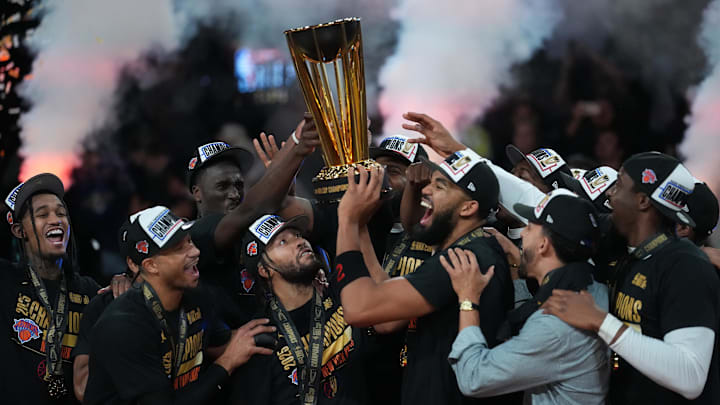
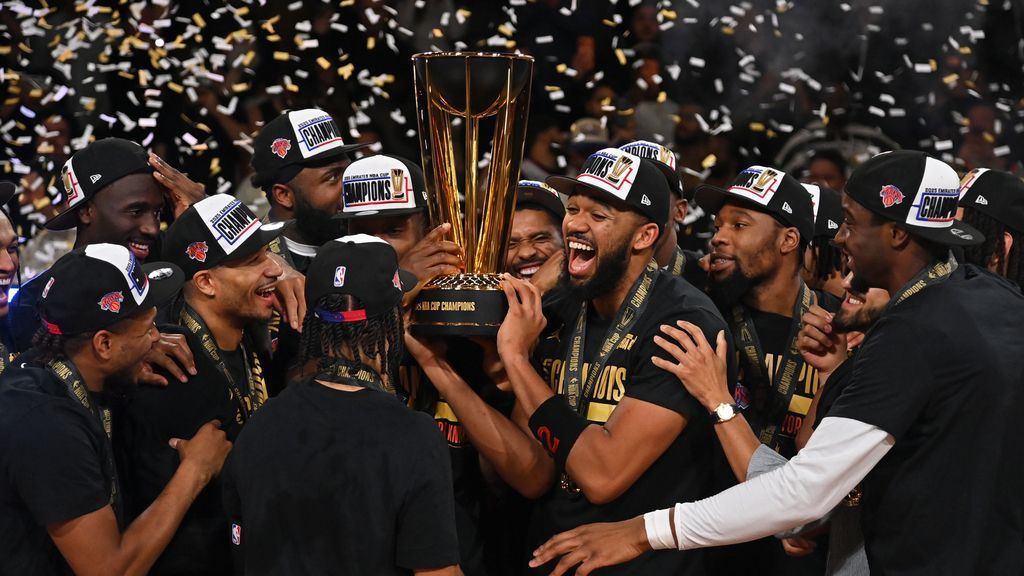
In the high-stakes world of professional sports and competitive strategy, the New York Knicks' recent NBA Cup triumph offers a compelling narrative of strategic focus and incremental achievement. While the basketball context might seem distant from broader business insights, the team's approach provides a powerful metaphor for organizational excellence.
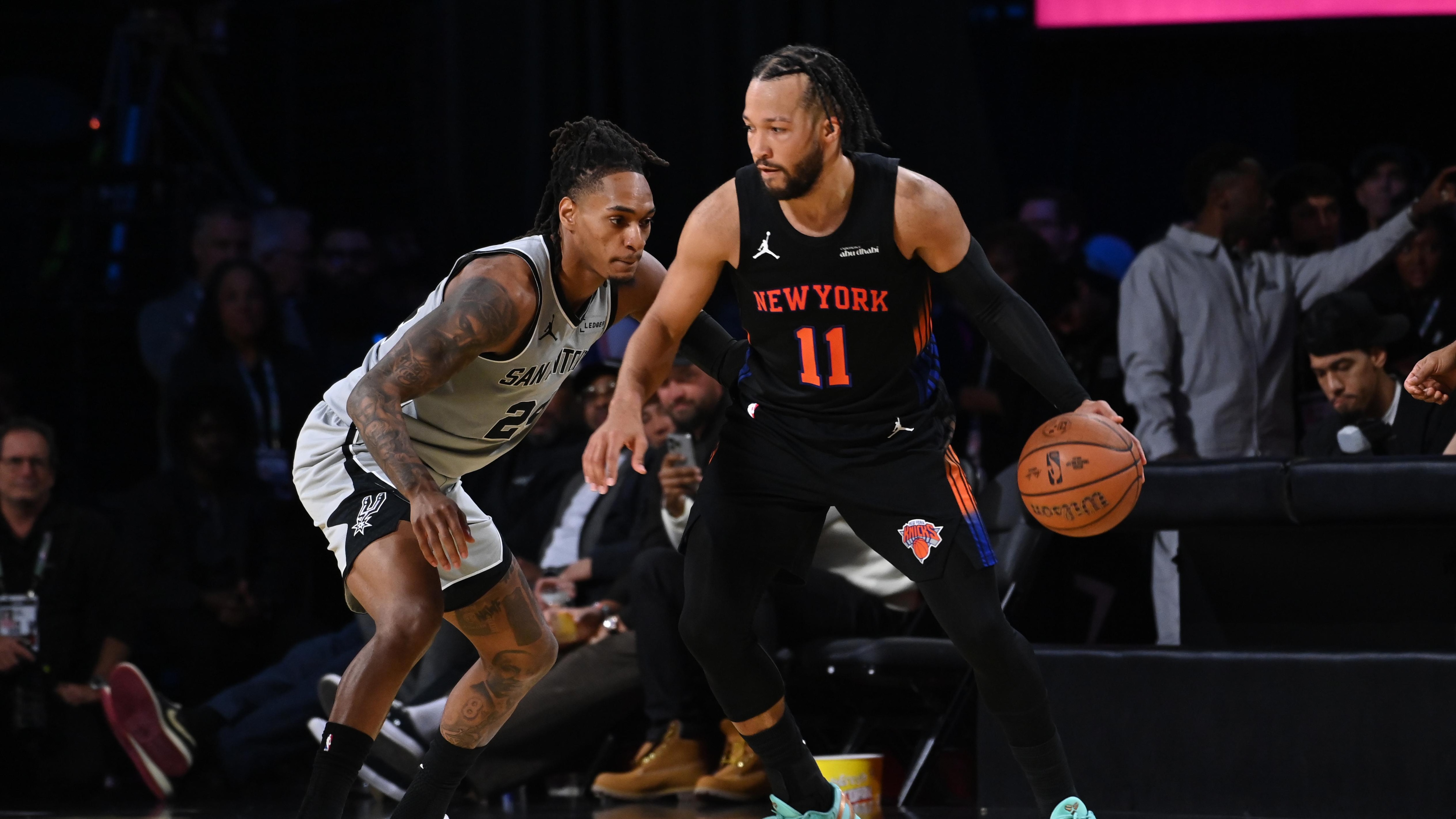
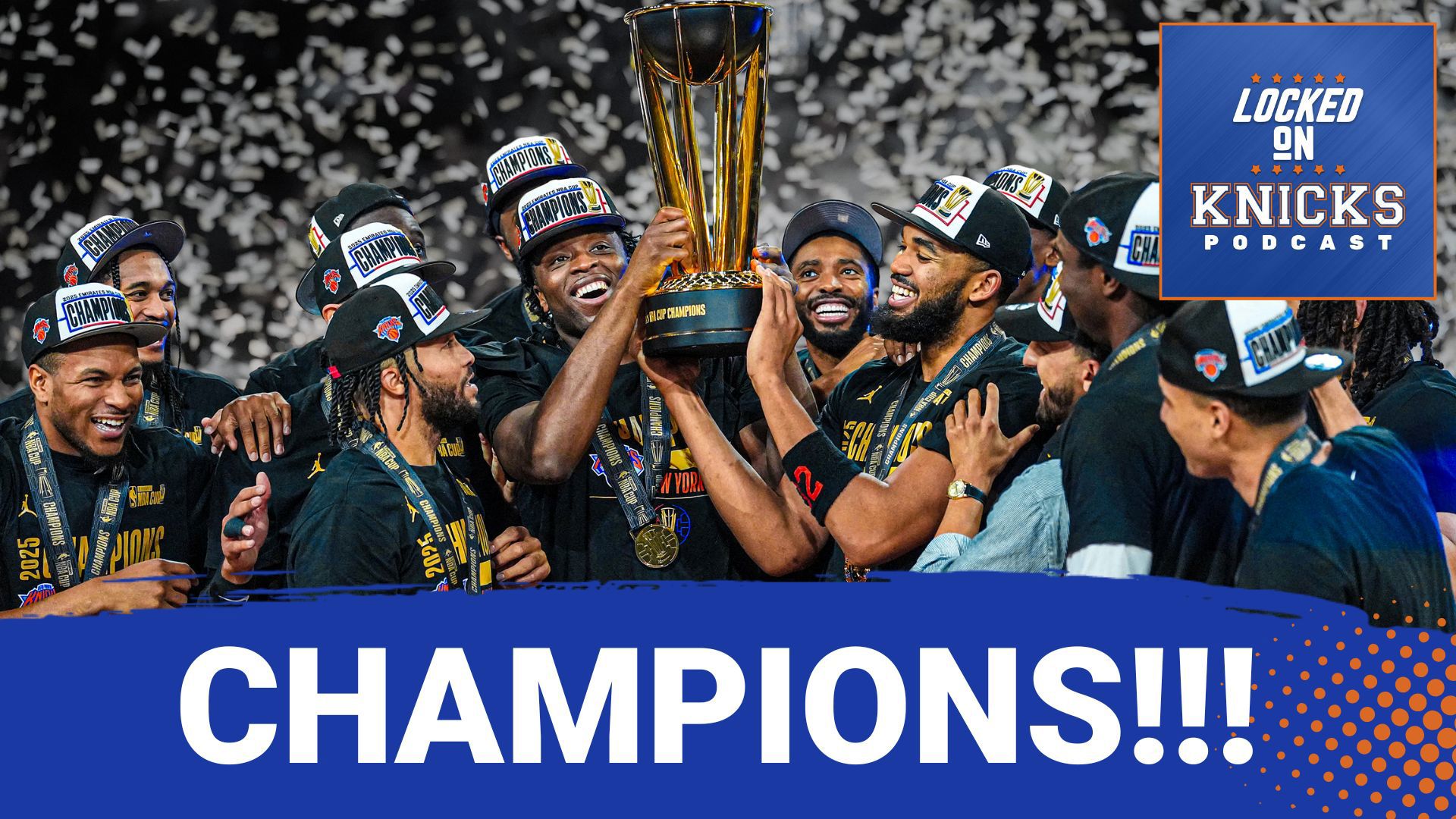
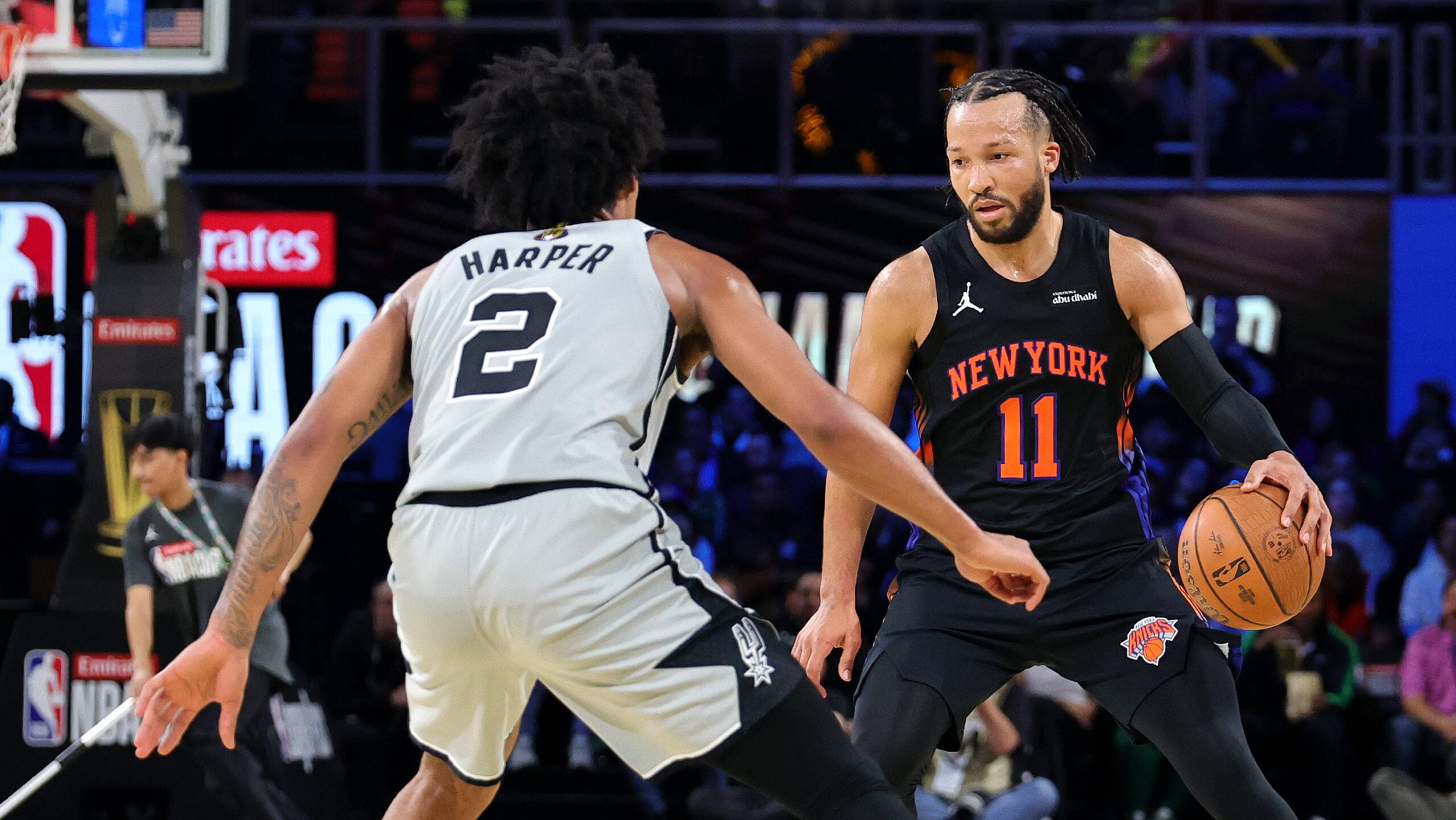
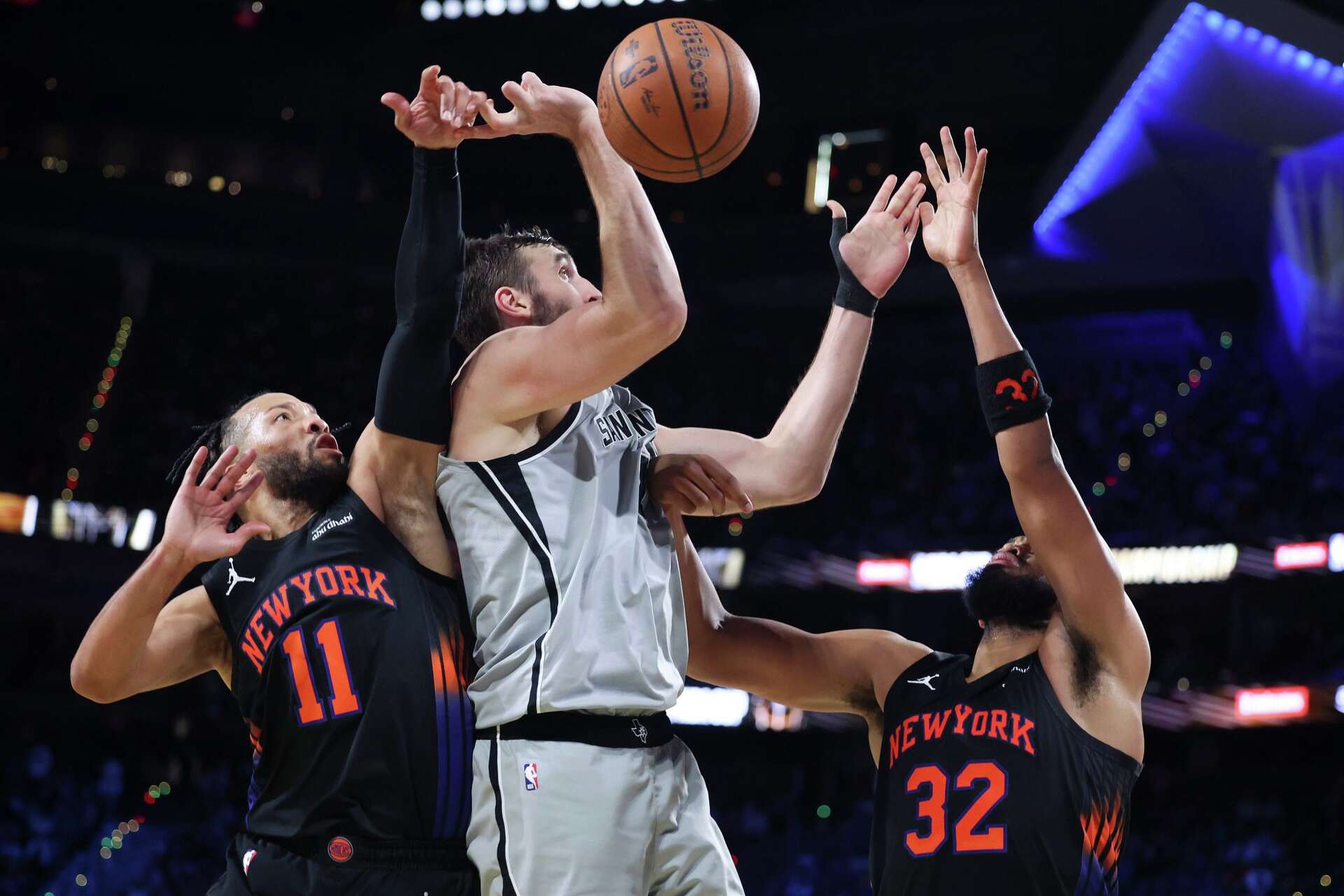
Strategic Milestone Management emerges as the key takeaway from the Knicks' performance. Winning the NBA Cup with a 124-113 victory against the San Antonio Spurs represents more than just a tournament win—it symbolizes a calculated step toward a larger championship goal. Each player's $530,933 prize money underscores the tangible rewards of intermediate victories, a principle directly applicable to business strategy.
Adaptive Leadership is another critical insight demonstrated by the Knicks' recent coaching change. By replacing Tom Thibodeaux after reaching the conference finals, the organization signals a ruthless commitment to continuous improvement. This mirrors successful corporate strategies where leadership is constantly realigned to match evolving competitive landscapes. The willingness to make difficult personnel decisions when performance plateaus is a hallmark of high-performing teams across domains.
The tournament's location at T-Mobile Arena in Las Vegas and the participation of players like Jalen Brunson, OG Anunoby, and Victor Wembanyama highlight the importance of talent ecosystem and strategic positioning. Just as these athletes represent carefully curated talent designed to create synergistic performance, businesses must similarly construct teams that can execute complex, multi-stage objectives.
Center Karl-Anthony Towns' statement that the Cup win is merely a stepping stone toward the ultimate NBA championship perfectly encapsulates a growth mindset. This perspective—viewing current achievements as platforms for future ambitions—is universally applicable across competitive environments, whether in sports, technology, or global commerce.
Ultimately, the Knicks' journey illustrates that success is not about isolated victories but about maintaining a clear, ambitious long-term vision while executing strategically at each intermediate stage. Organizations that can balance immediate performance with sustained strategic momentum are the ones most likely to achieve transformative success.
Questions 3
What does the Knicks' coaching change reveal about effective organizational strategy?
It demonstrates the importance of being willing to make tough personnel decisions when current leadership cannot drive the team to its ultimate objectives. Continuous evaluation and adaptation are crucial for maintaining competitive edge.
Why is the 'growth mindset' important in high-performance environments?
A growth mindset allows organizations to view challenges as opportunities for development, maintain motivation through incremental achievements, and stay focused on long-term strategic goals rather than getting stuck in short-term setbacks.