



Iran's Escalating Crackdown: Nobel Laureate's Arrest Reveals Deepening Human Rights Suppression
- Systematic Persecution of Activists Signals Intensifying State Repression Against Civil Society







Overview
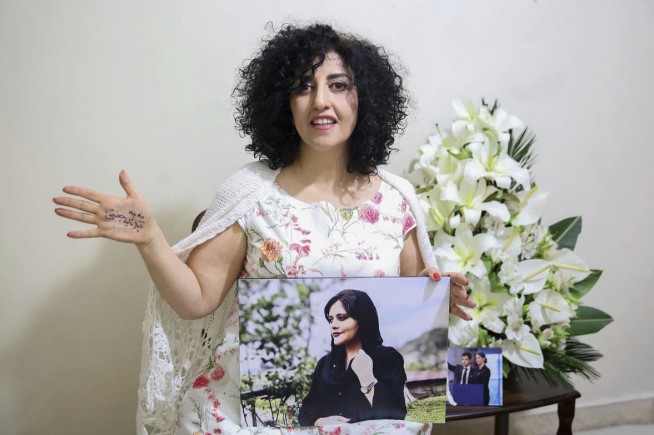
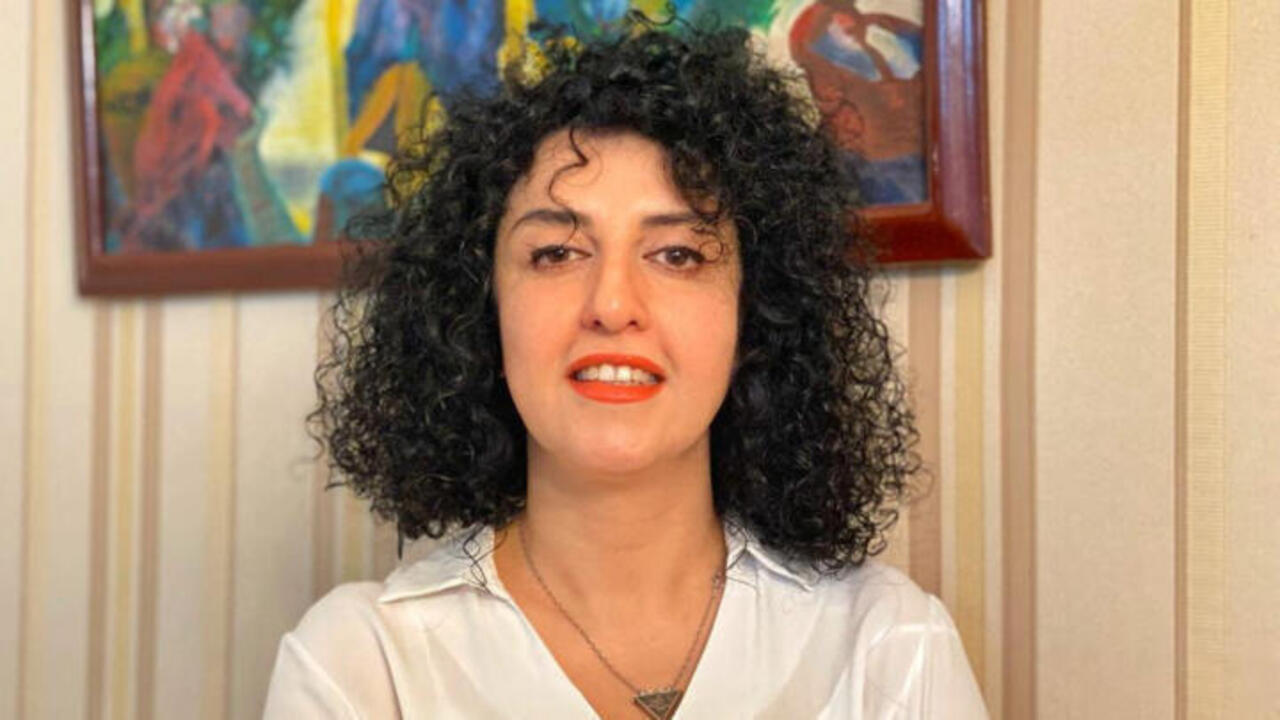
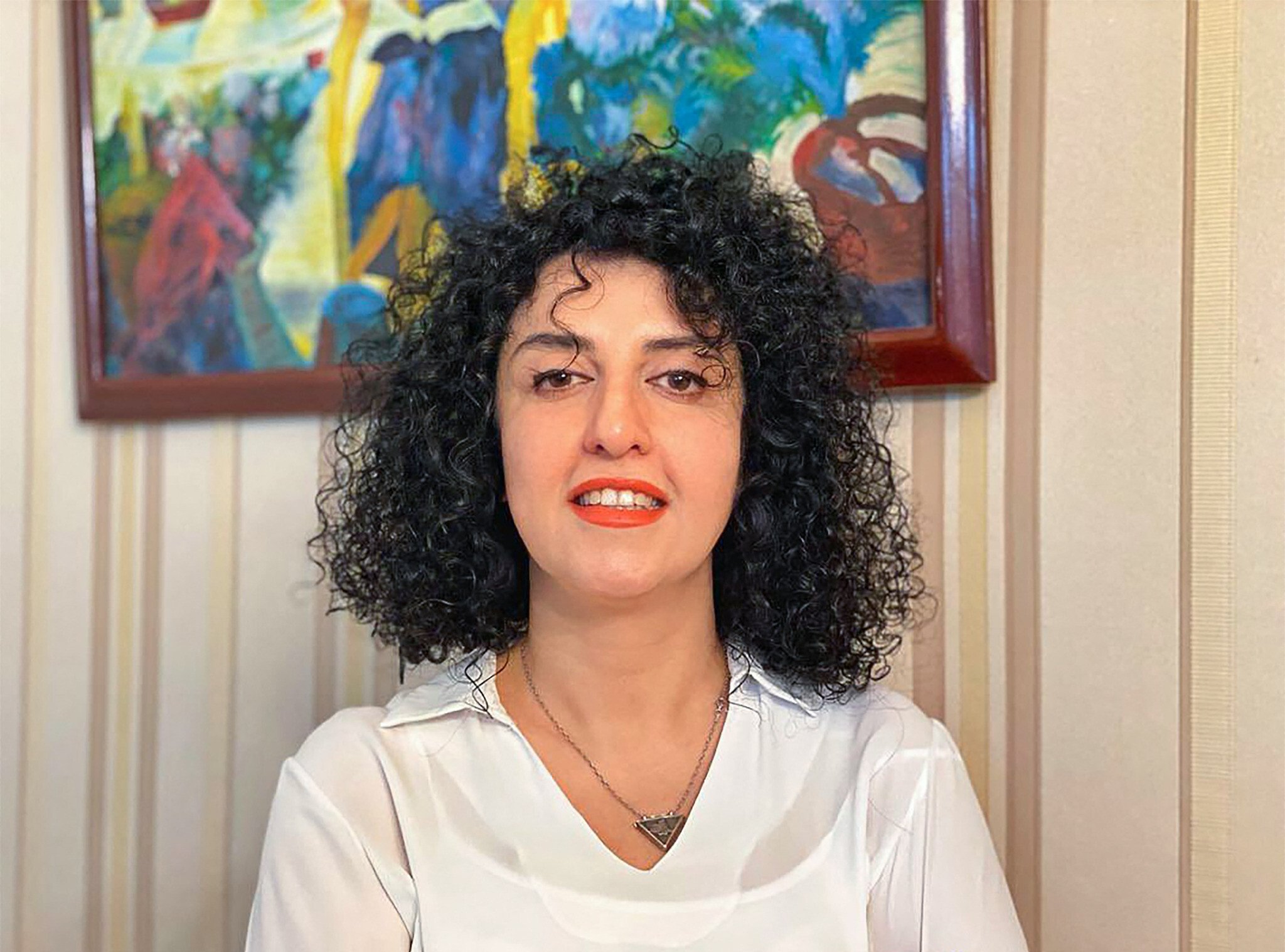
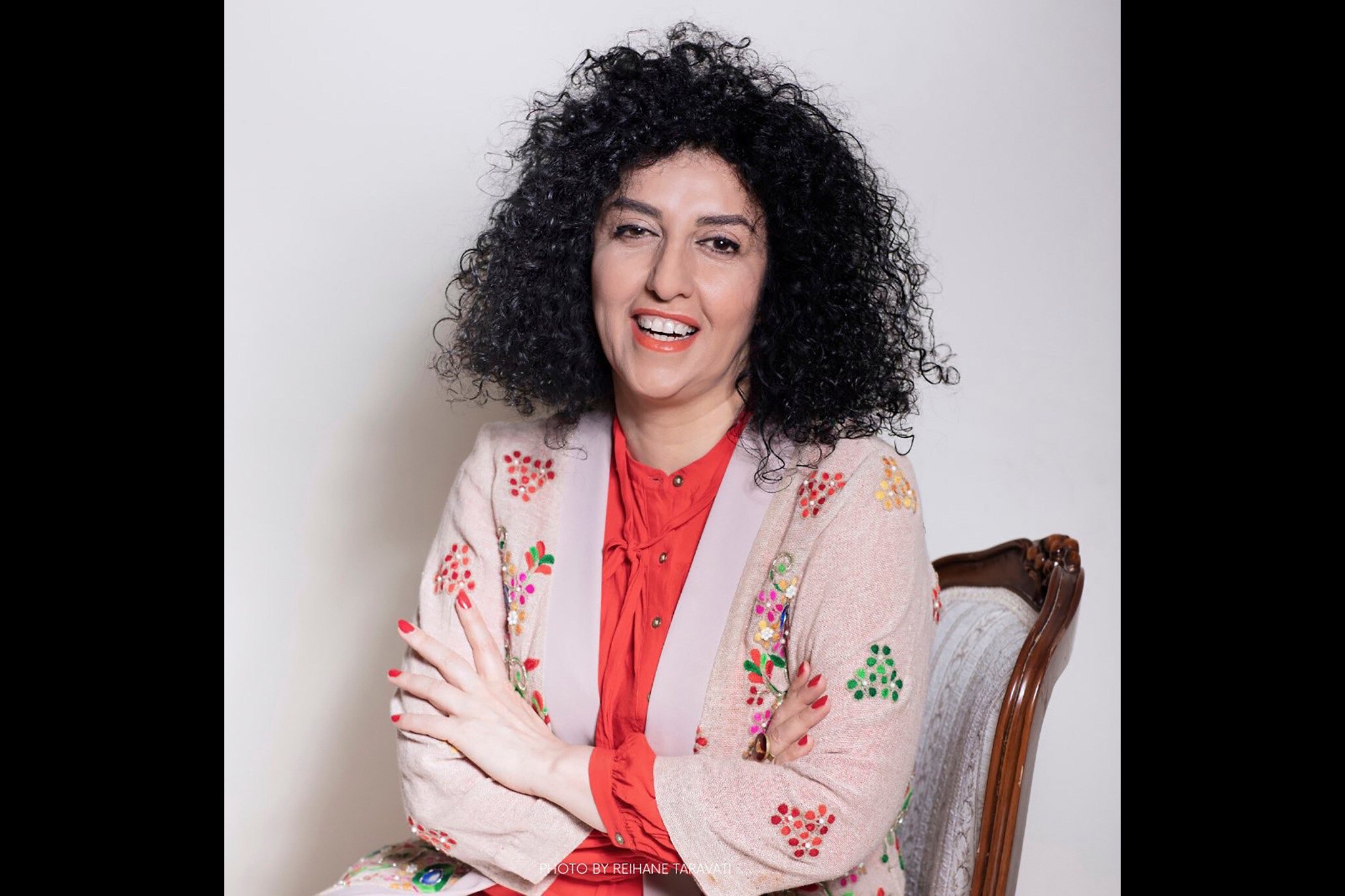
The violent arrest of Nobel Peace Prize laureate Narges Mohammadi represents a critical inflection point in Iran's ongoing struggle between state authority and civil liberties. On Friday, security forces unleashed a brutal crackdown that goes far beyond a single arrest, revealing a systematic strategy of intimidation targeting human rights defenders.
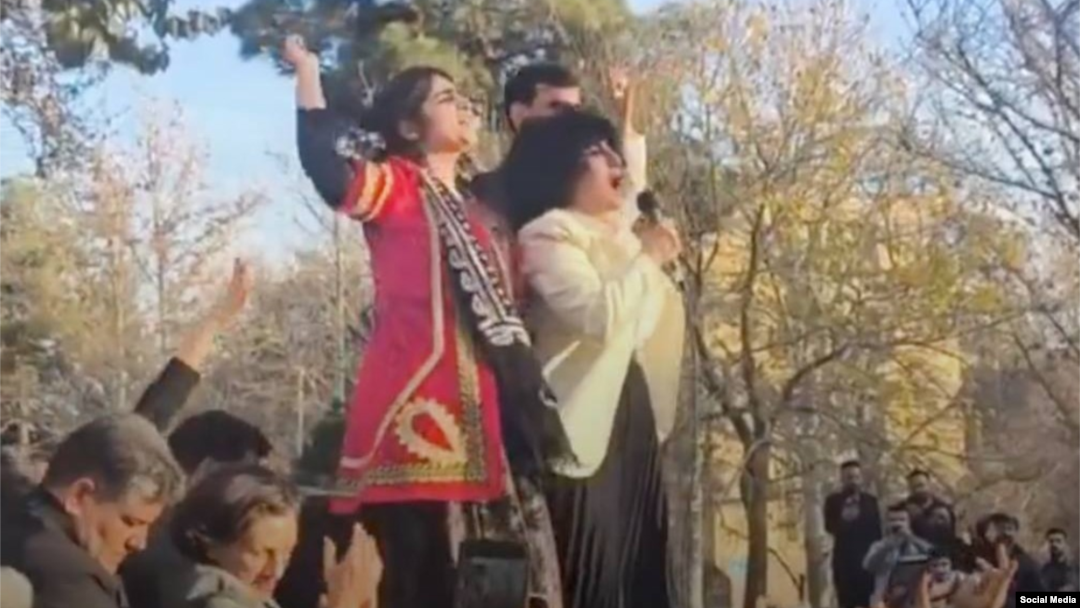
Escalating State Repression: Mohammadi's detention epitomizes the Iranian government's increasingly aggressive approach to silencing dissent. Beaten by approximately 15 plainclothes agents during a memorial service, she was hospitalized after suffering repeated strikes to her head and neck—a calculated act of physical and psychological intimidation. Her arrest, occurring in the context of heightened tensions following a brief conflict with Israel, demonstrates the regime's expanding tactics of political suppression.
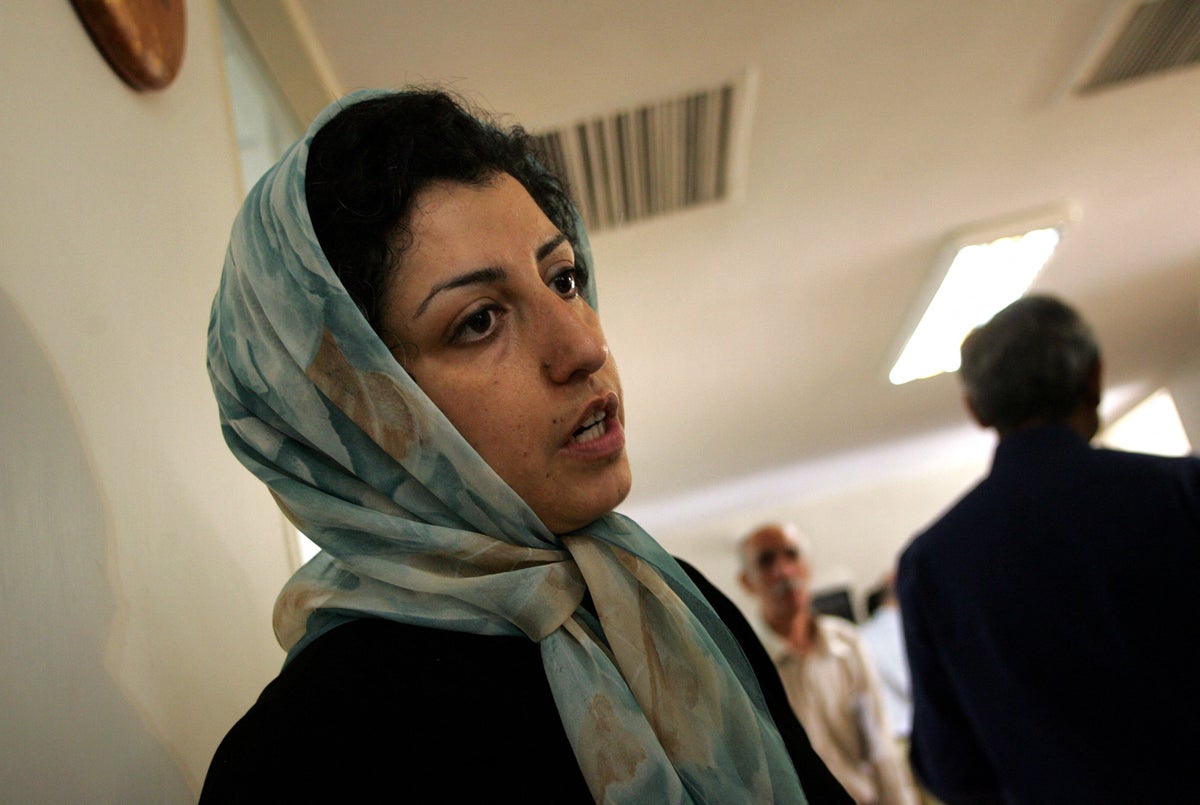
International Significance: The incident transcends an individual arrest, representing a broader pattern of state-sponsored violence against activists. Mohammadi, who has spent over a decade in prison and was awarded the 2023 Nobel Peace Prize for her work against female oppression, symbolizes the resilience of Iran's human rights movement. Her accusation of being threatened for "cooperating with the Israeli government" reveals the regime's complex geopolitical paranoia and its use of national security rhetoric to justify political persecution.
Strategic Implications: This crackdown signals a dangerous escalation in the Iranian government's approach to civil society. By targeting high-profile activists like Mohammadi, the state is sending a clear message: dissent will be met with swift, violent consequences. The involvement of multiple security agents and the public nature of the assault suggest a deliberate, orchestrated strategy of intimidation designed to suppress emerging social movements.
The international community's response—including condemnations from the Norwegian Nobel Committee, human rights groups, and the European Union—underscores the global significance of this moment. However, the Iranian authorities' unapologetic stance, with the Mashhad prosecutor claiming the arrest was lawful, indicates a deeply entrenched system resistant to external pressure.
Questions 3
What are the broader implications of this arrest for Iranian civil society?
The violent arrest signals an escalating crackdown on activists, demonstrating the regime's intent to suppress dissent through physical intimidation. It suggests that the Iranian government is becoming more aggressive in silencing voices of opposition, particularly those advocating for women's rights and democratic freedoms.
How has the international community responded to Mohammadi's arrest?
The Norwegian Nobel Committee, human rights groups, the European Union, and fellow activists have strongly condemned the arrest, calling it a 'brutal' action that reflects the poor state of freedom and security in Iran. This unified international response highlights the global significance of Iran's ongoing human rights violations.