


Apple's Manufacturing Renaissance: Transforming US Small Business Through Tech Transfer
- A strategic blueprint for revitalizing domestic manufacturing through knowledge-driven innovation








Overview
Apple's Manufacturing Academy represents a groundbreaking approach to industrial ecosystem regeneration, strategically positioning itself as a catalyst for technological democratization in the US manufacturing landscape. By investing over $600 billion in domestic manufacturing capabilities, Apple is doing far more than corporate philanthropy—it's engineering a systematic revival of small-scale manufacturing through targeted technological knowledge transfer.
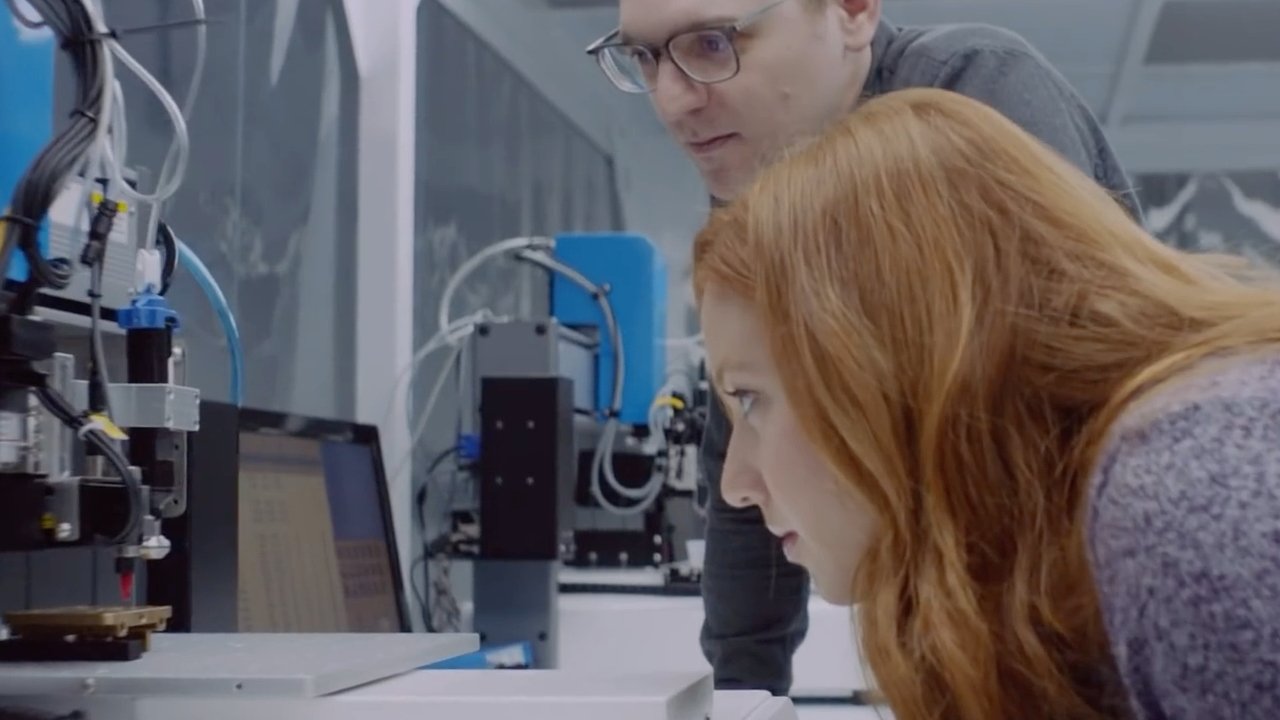
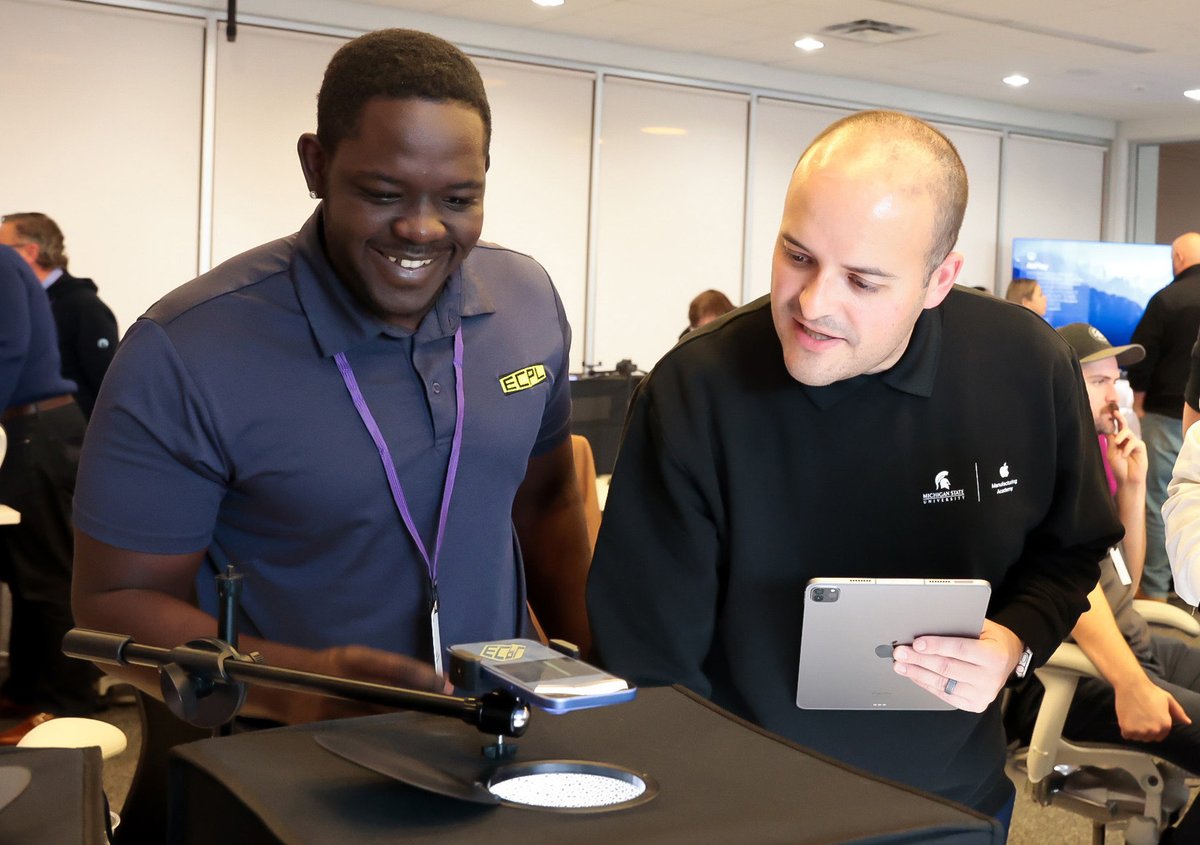
The initiative's core innovation lies in its hands-on approach to technological skill development. Take the ImageTek case study: Apple engineers didn't just provide generic training but developed a sophisticated computer vision system that solved a specific color detection challenge in label printing. This granular, problem-solving methodology transforms abstract technological potential into concrete operational improvements for small manufacturers.
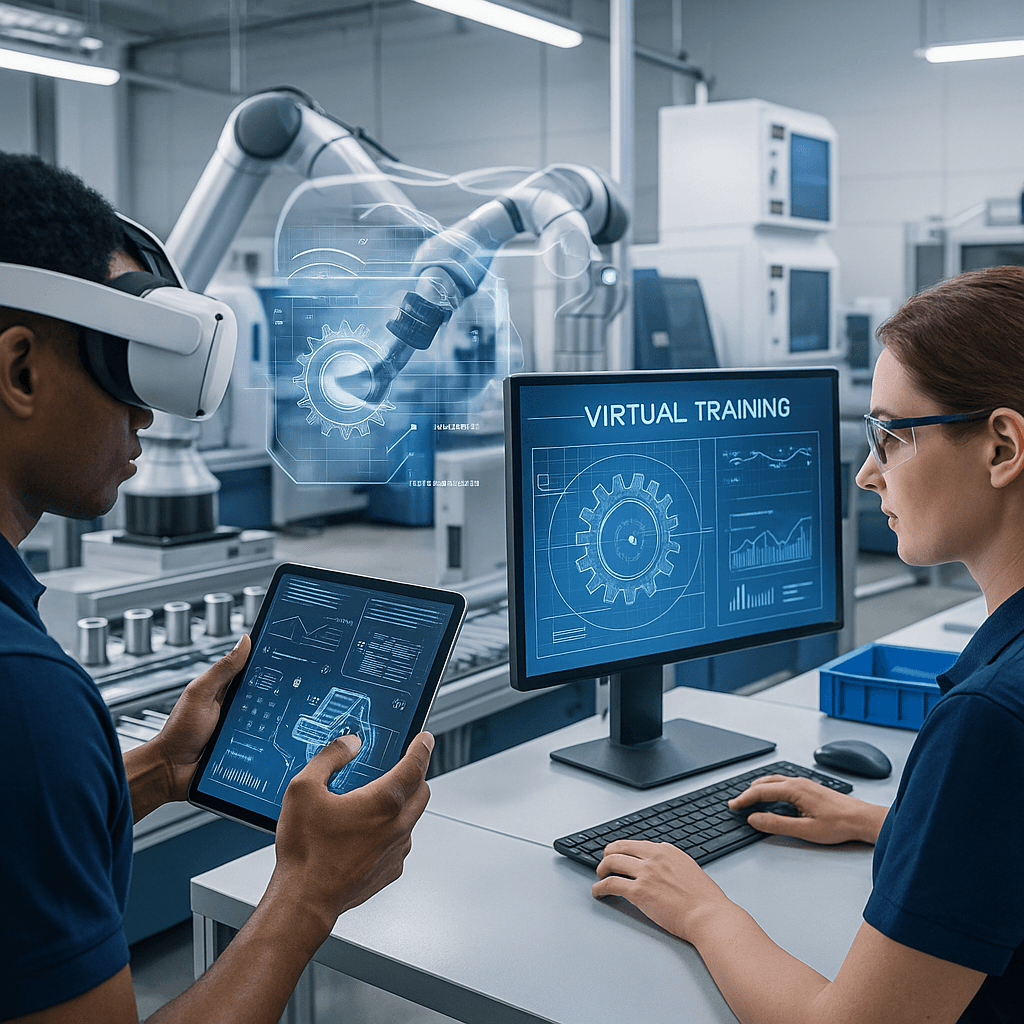
What distinguishes this program is its scalable knowledge infrastructure. By partnering with Michigan State University and launching virtual training platforms, Apple has created a replicable model of technological skill dissemination. The program has already trained over 80 businesses across five states, addressing the critical skills gap in advanced manufacturing. The virtual format allows for unprecedented reach, potentially democratizing access to high-end manufacturing techniques that were previously accessible only to large corporations.
The strategic brilliance emerges in how Apple frames technological knowledge transfer. By sharing insights from past challenges like the 'bendgate' iPhone design issue, the company transforms historical product failures into learning opportunities. This approach not only builds trust but also provides small manufacturers with rare, insider perspectives on complex technological problem-solving.
Critically, this isn't a one-way knowledge transfer but a collaborative ecosystem. Apple employees gain opportunities to experiment with innovative solutions, while small manufacturers receive transformative technological guidance. The program represents a symbiotic innovation model that could fundamentally reshape the US manufacturing landscape, turning technological expertise into a shared, scalable resource.
Questions 3
How does Apple's Manufacturing Academy differ from traditional corporate training programs?
Unlike typical training initiatives, Apple provides hands-on, problem-specific engineering support. They develop custom technological solutions for each manufacturer, such as creating a computer vision system for ImageTek's label printing, which goes far beyond generic workshops.
What are the potential long-term impacts of this manufacturing knowledge transfer program?
The program could systematically elevate US manufacturing capabilities by democratizing advanced technological knowledge. By training over 80 businesses and offering virtual platforms, Apple is creating a scalable model for technological skill development that could help rebuild manufacturing expertise across multiple industries.