




The Art of Strategic Exit: Lessons from Terence Crawford's Undefeated Retirement
- A Masterclass in Peak Performance and Calculated Withdrawal for Competitive Professionals


















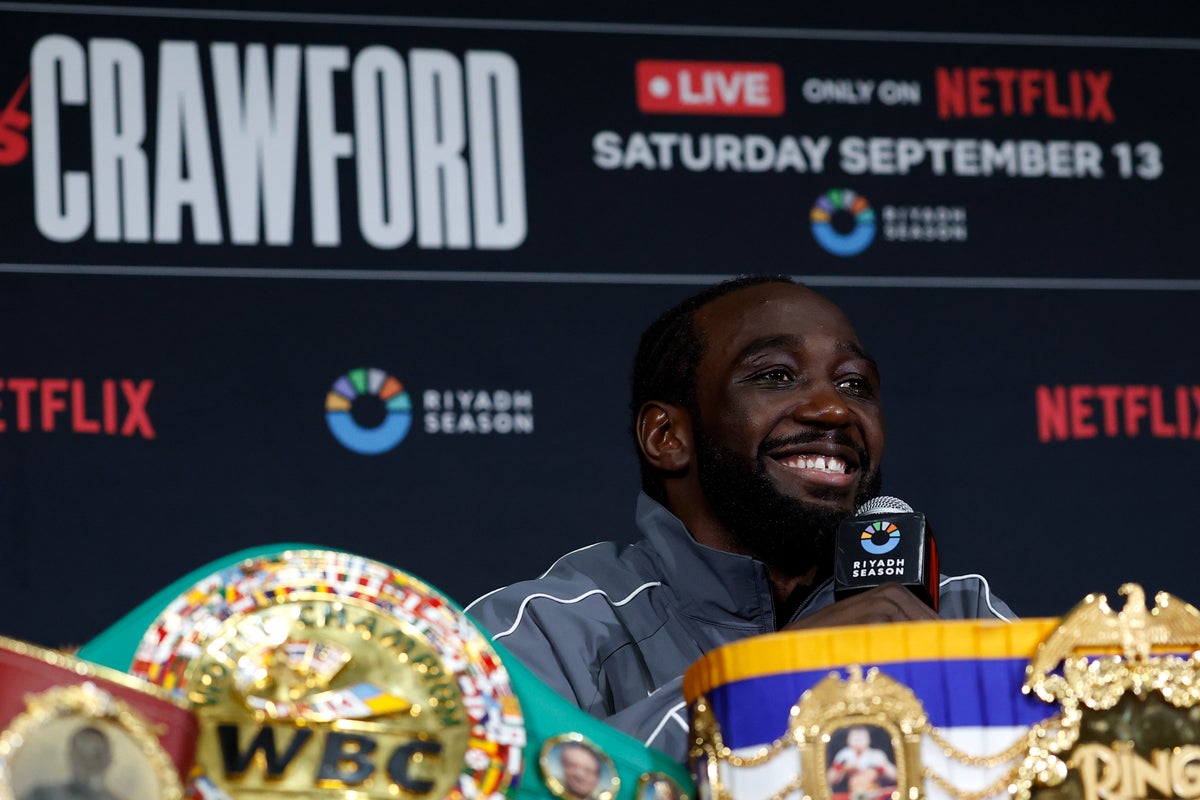






Overview
In the high-stakes world of professional competition, strategic timing can be more valuable than prolonged engagement. Terence Crawford's retirement at the pinnacle of his boxing career offers a profound narrative of knowing when to exit—not through defeat, but through deliberate, calculated choice.
Peak Performance Signals emerge clearly in Crawford's remarkable journey. With an unprecedented 42-0 record spanning three decades, he exemplifies a career defined by consistent excellence and strategic progression. His retirement isn't a surrender, but a statement—demonstrating that true mastery involves recognizing one's zenith and making a calculated withdrawal.
The deeper insight lies in Crawford's motivational framework. His retirement announcement emphasized personal fulfillment over external validation: proving doubters wrong, honoring family, and pursuing childhood dreams. This transcends sports, offering a universal blueprint for professionals across domains. The ability to exit on one's own terms, having achieved unprecedented success, represents a form of ultimate victory that goes beyond mere statistical achievements.
Critically, Crawford's retirement highlights the importance of strategic positioning. Despite being recently stripped of the WBC super middleweight belt due to a sanctioning fee dispute, he maintained his legacy through an unbroken record of 18 world titles across five weight classes. This resilience demonstrates how professionals can navigate institutional challenges while preserving their core value proposition.
For competitive professionals, Crawford's trajectory offers key strategic lessons:
- Recognize your peak performance window
- Prioritize personal narrative over institutional constraints
- Exit with dignity, not through external pressure
- Let your accumulated achievements speak louder than ongoing engagements
The most profound competitive advantage often emerges not from continuous struggle, but from knowing precisely when to conclude one's journey—with reputation intact and future possibilities open.
Questions 3
How does Crawford's retirement approach differ from typical professional exits?
Unlike many athletes who continue competing past their prime, Crawford strategically withdrew while undefeated, prioritizing personal narrative and legacy over continued institutional engagement. He emphasized proving doubters wrong and honoring personal dreams.
What broader professional lessons can be learned from Crawford's career?
Crawford's journey illustrates the importance of recognizing one's peak performance window, maintaining personal integrity, and understanding that true success isn't about continuous struggle but about strategic positioning and calculated withdrawal.