

Drone Warfare Escalates: Ukraine's Strategic Maritime Disruption in the Black Sea Region
- Emerging technological conflict transforms maritime security and cross-border trade dynamics






-21efbd7e12752333175b770c5dc3a6c1.jpeg)







Overview
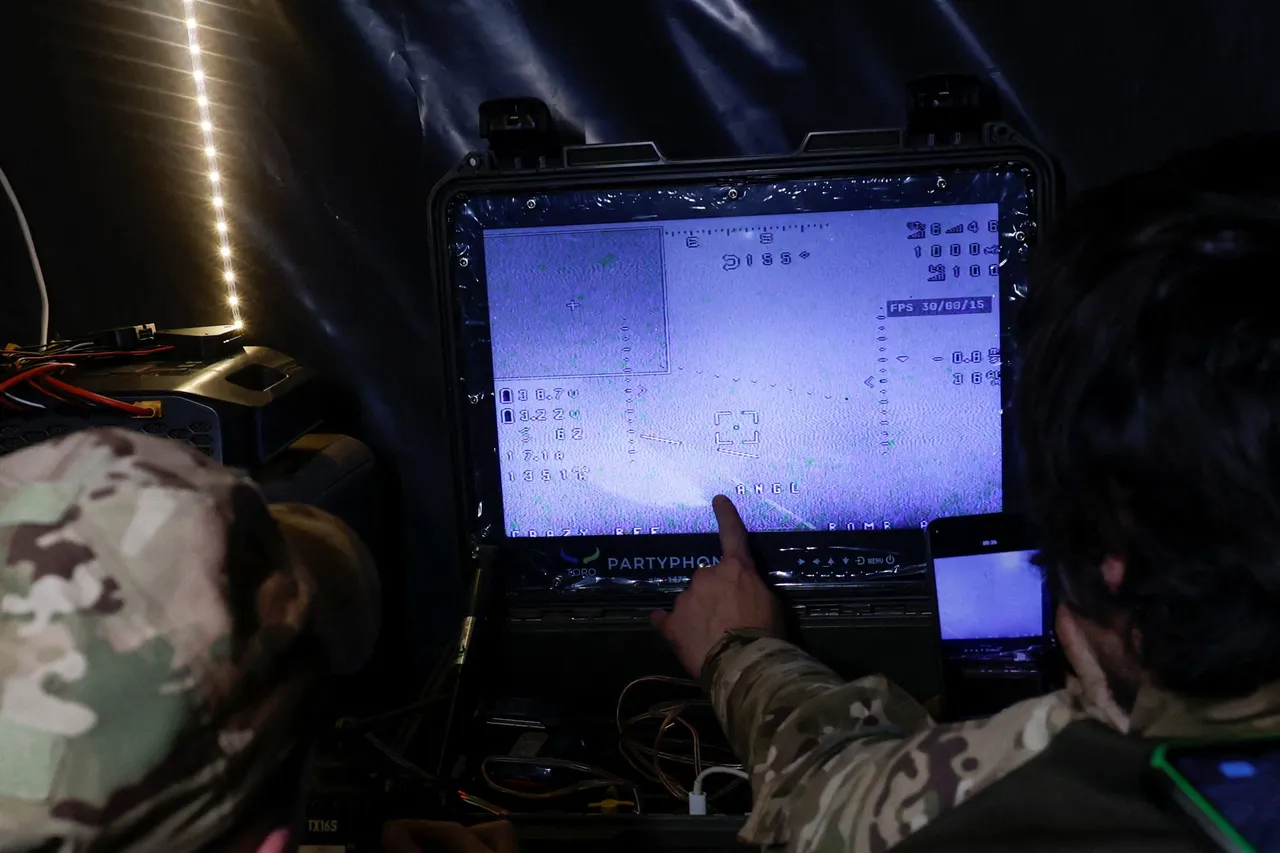
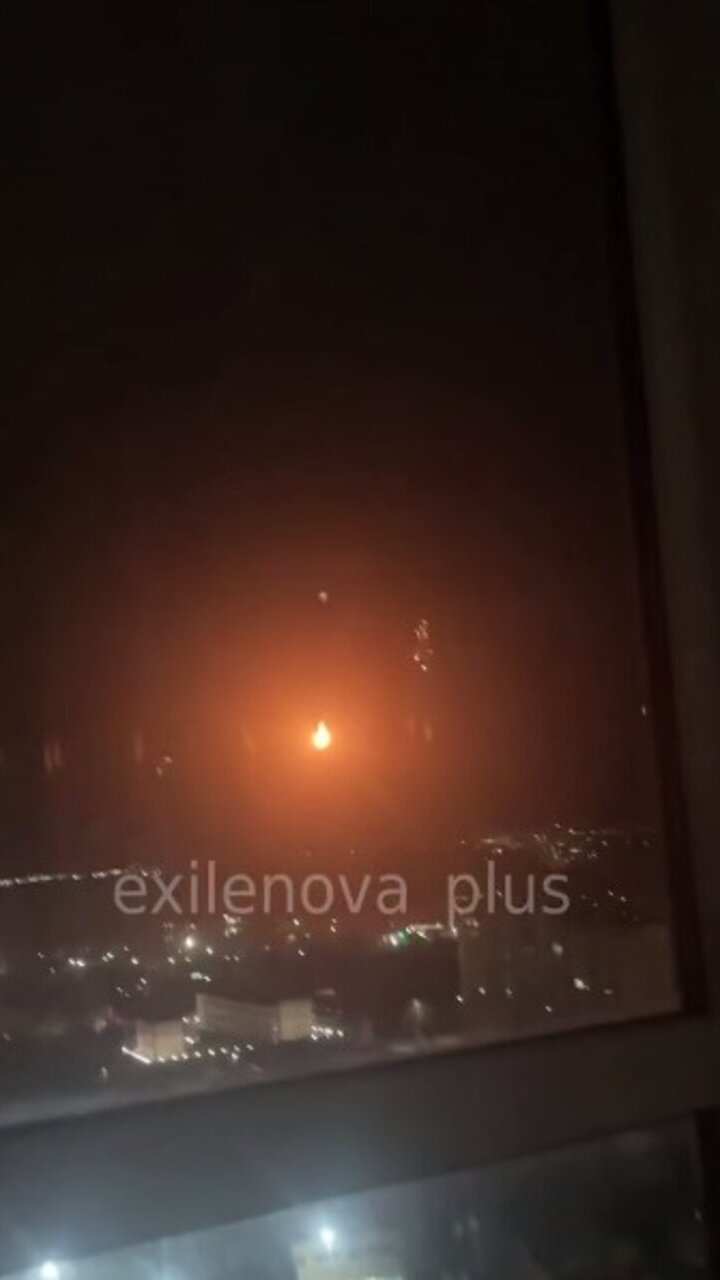
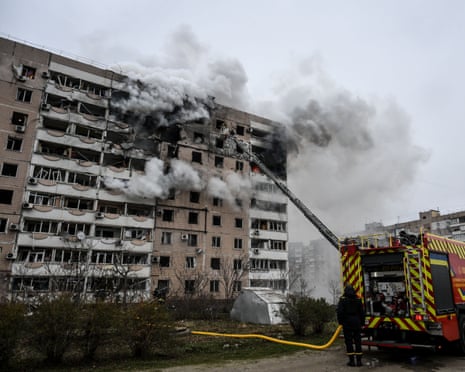
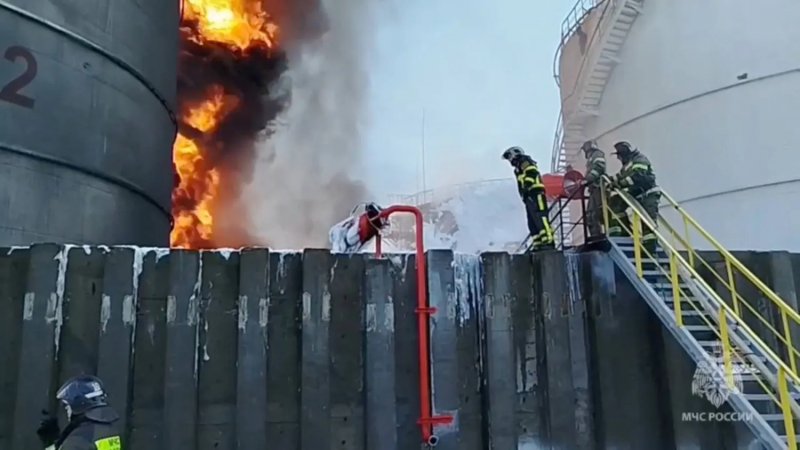
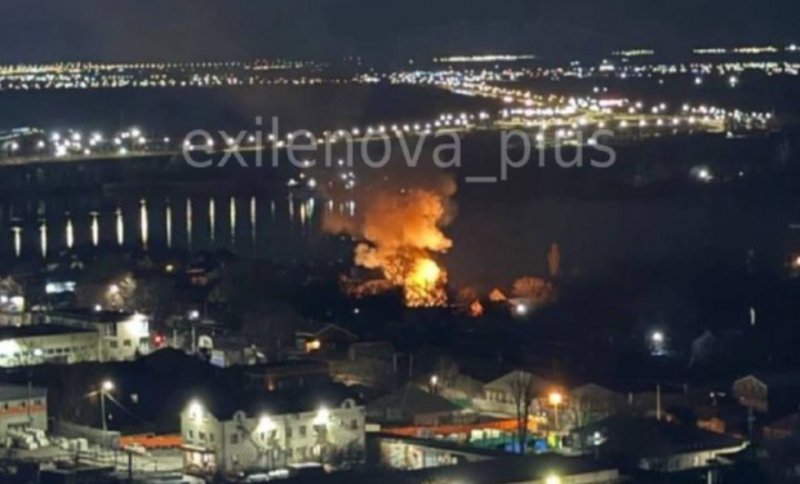
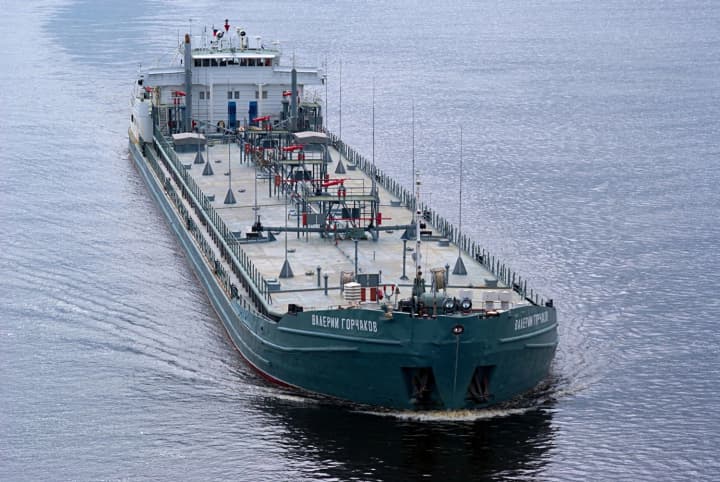
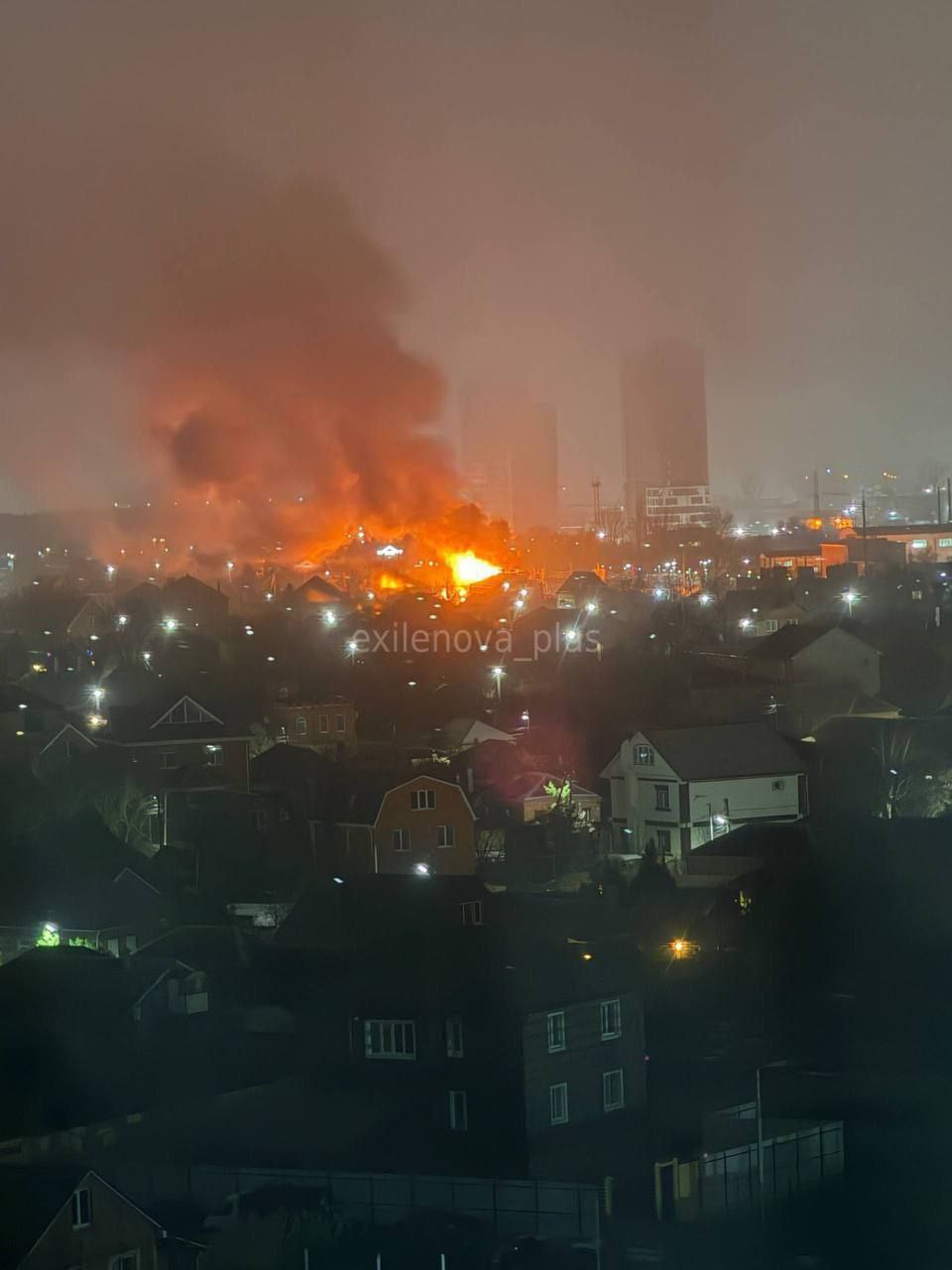
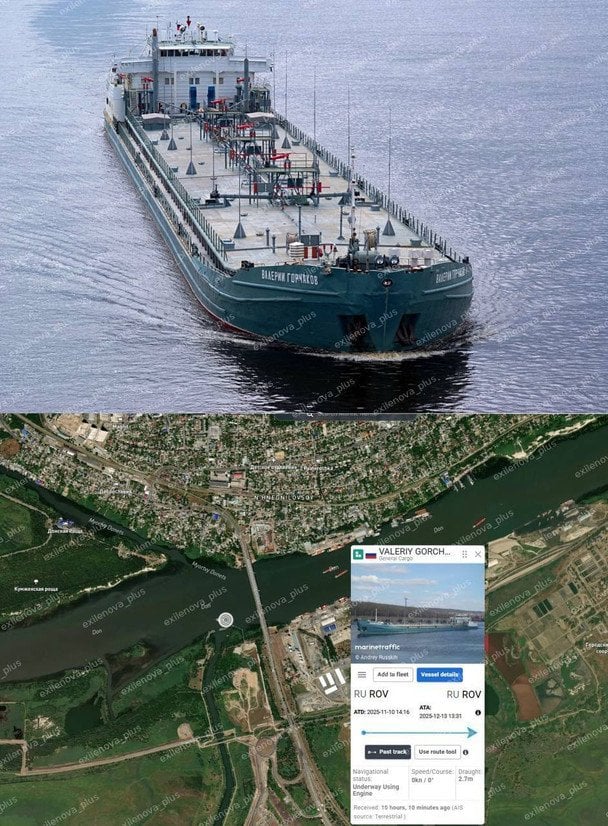
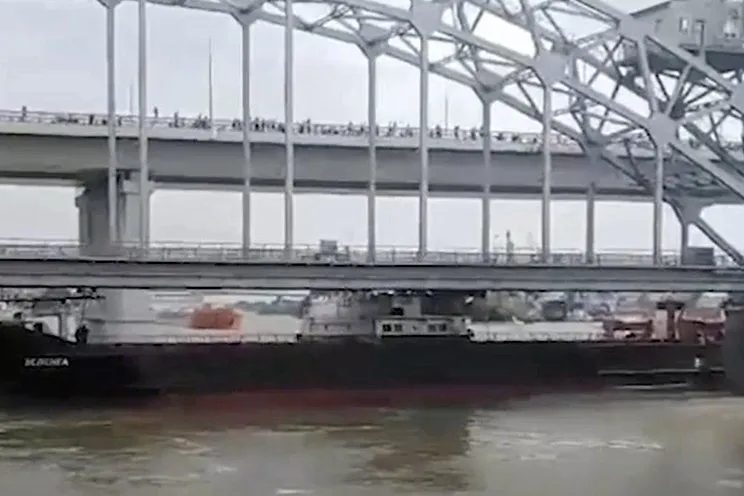
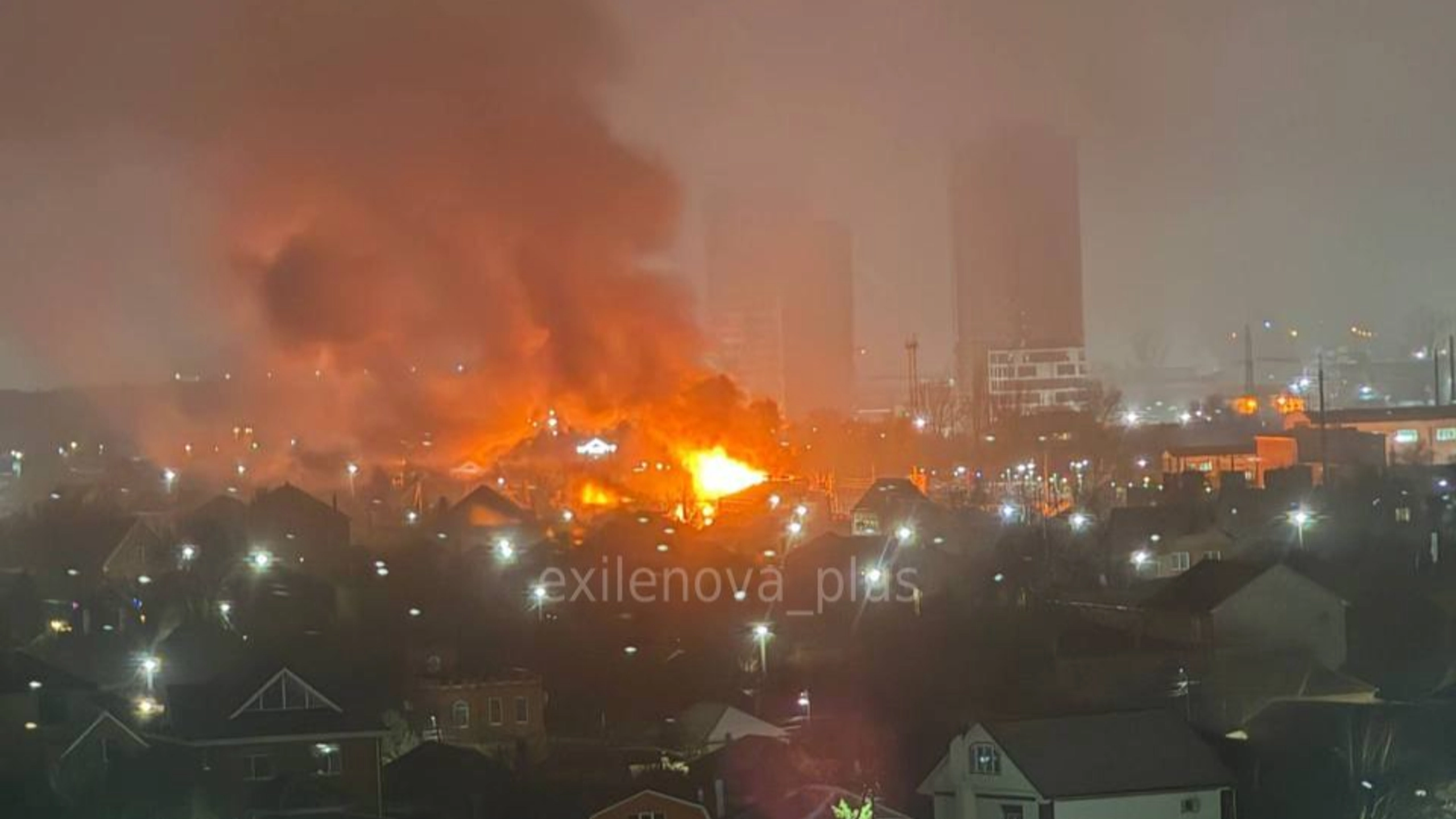
The ongoing Russia-Ukraine conflict has entered a critical phase of technological warfare, with drone attacks emerging as a pivotal strategic instrument that fundamentally reshapes maritime security and regional geopolitical tensions. In a series of calculated strikes targeting the Russian port of Rostov-on-Don, Ukrainian forces demonstrated an unprecedented capability to disrupt maritime infrastructure, causing significant damage and casualties that extend far beyond traditional military confrontations.
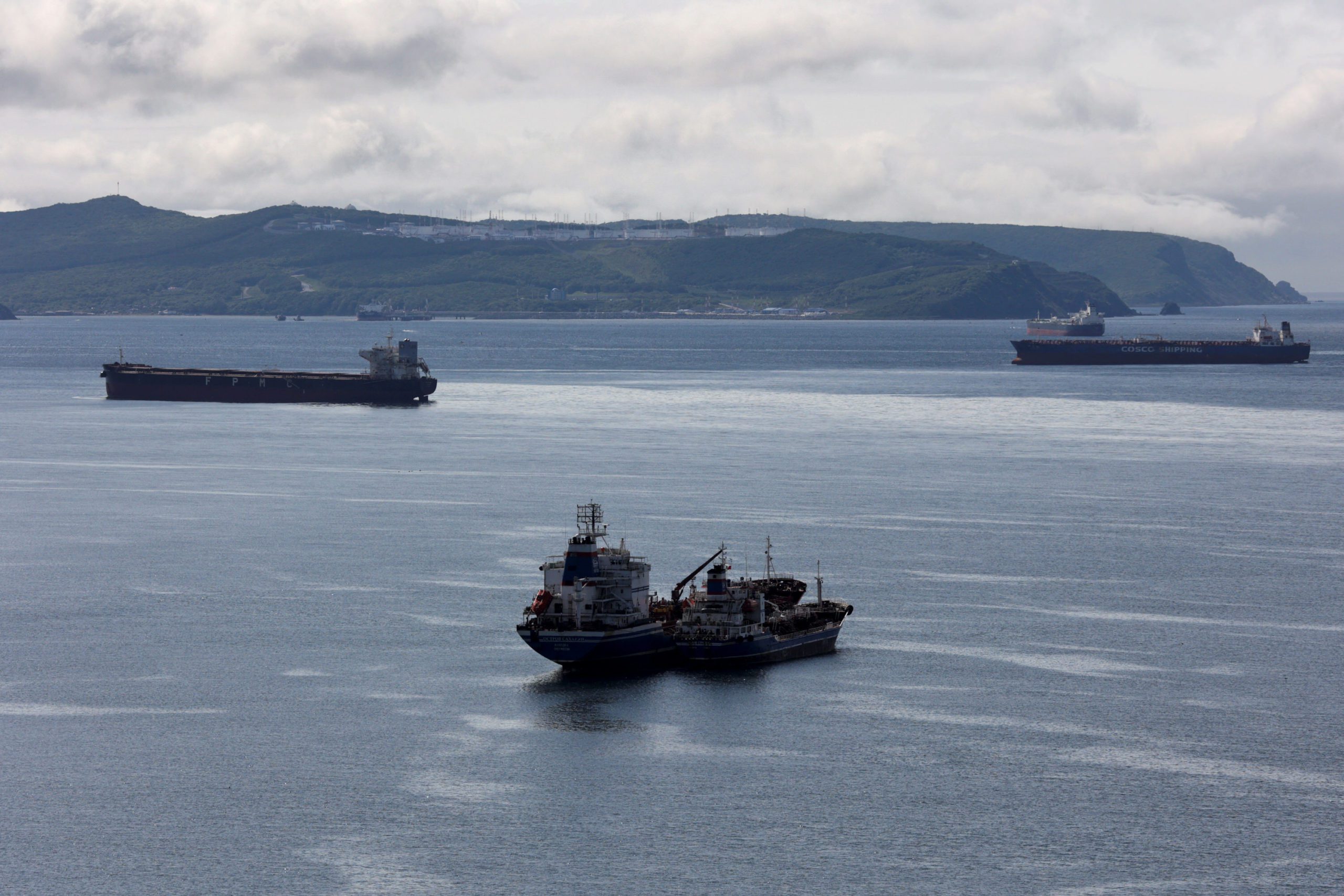
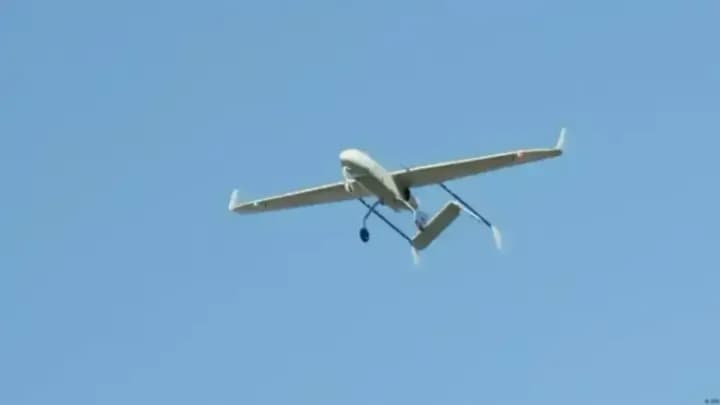
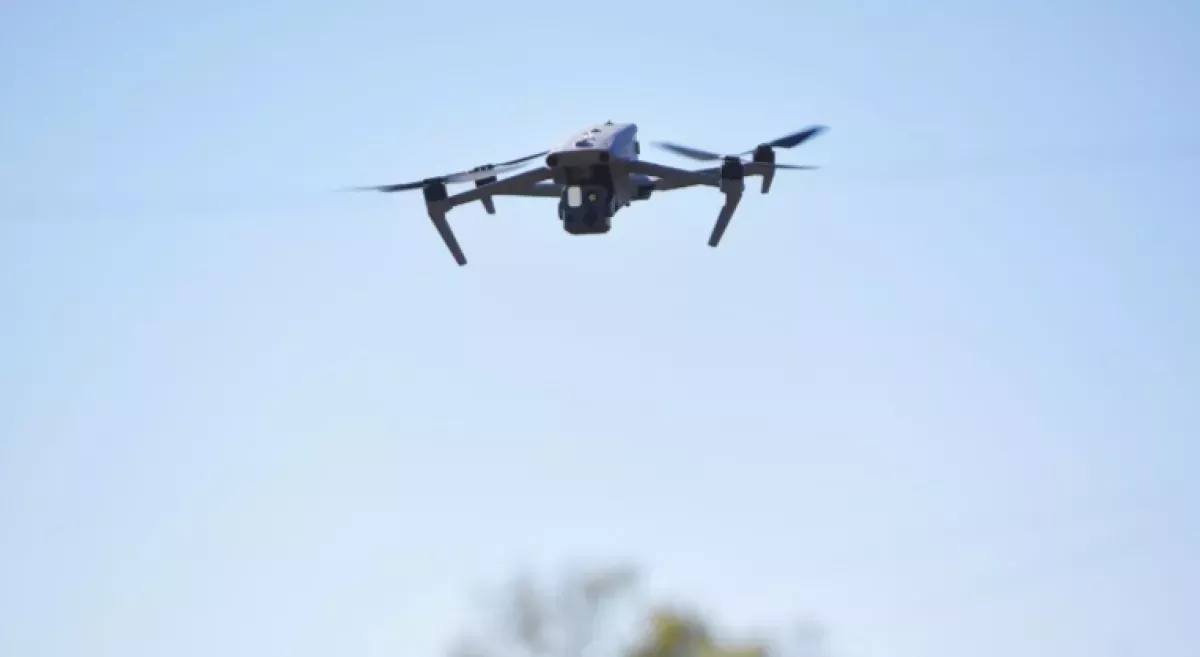
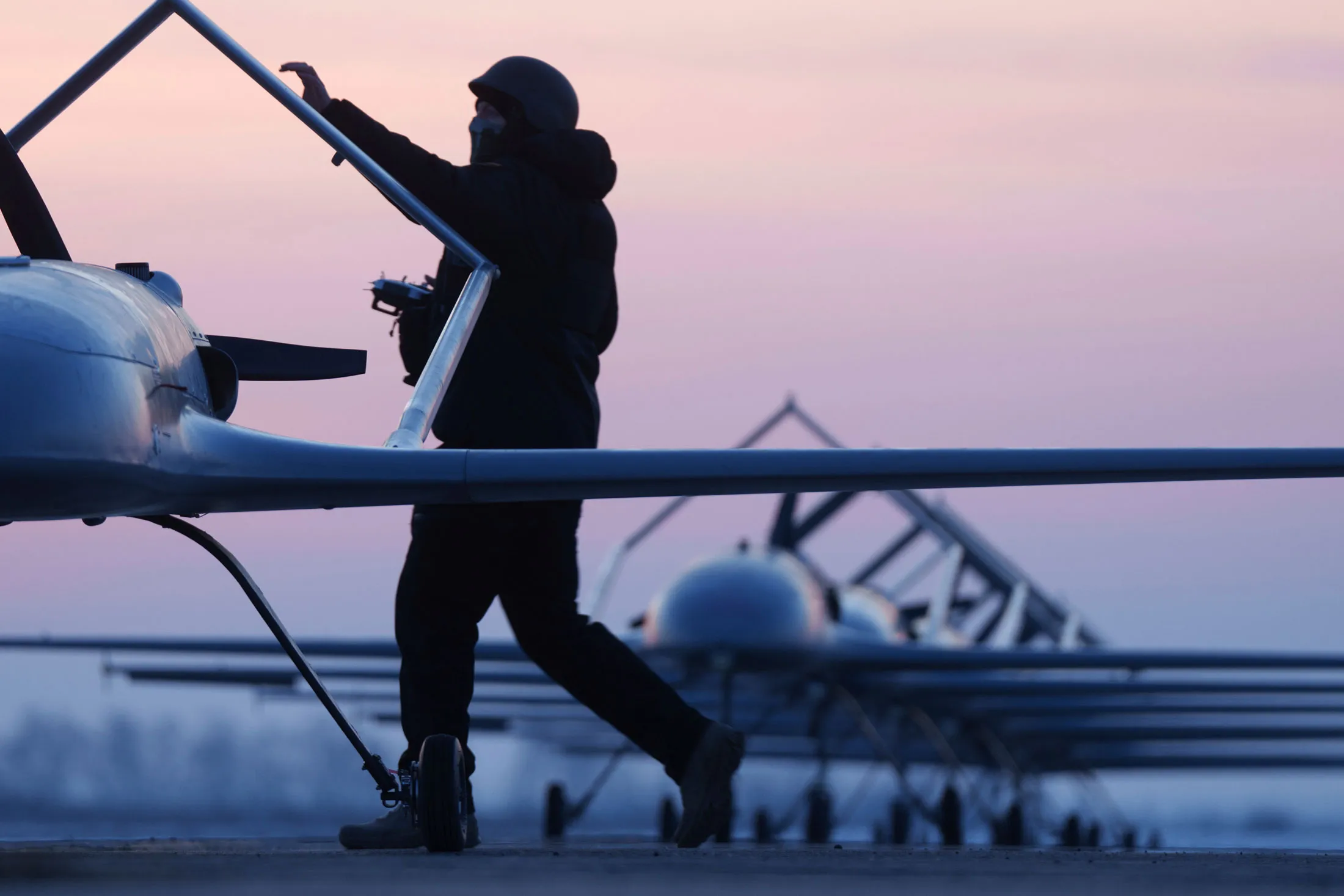
The attacks reveal a sophisticated evolution of modern conflict, where unmanned aerial vehicles transform from supplementary tactical tools to primary strategic weapons. During a single overnight operation, Ukrainian forces reportedly launched multiple drone strikes, damaging cargo vessels and causing three fatalities, while the Russian Defense Ministry claimed interception of 47 drones across multiple oblasts. This represents a quantum leap in asymmetric warfare capabilities, allowing smaller forces to inflict substantial economic and psychological damage with minimal direct risk.
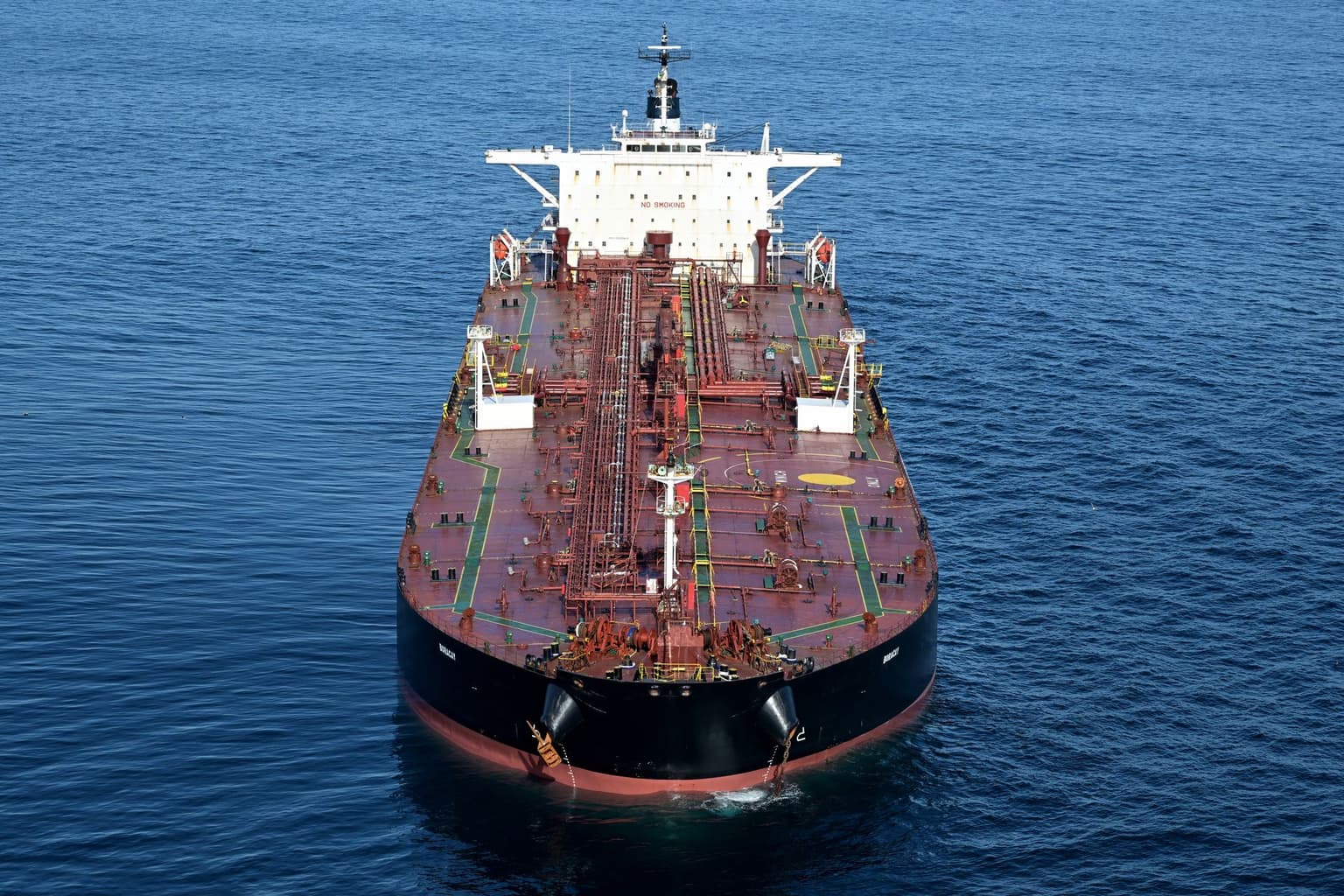
The strategic implications are profound for international trade and maritime operations. Shipping routes in the Black Sea region now face dramatically increased risk profiles, with potential consequences including elevated insurance costs, complex route reconfigurations, and heightened security requirements. Cross-border businesses must now factor in these technological warfare risks when designing supply chain and logistics strategies.
Simultaneously, the geopolitical landscape is experiencing complex diplomatic maneuvers. Ukrainian President Volodymyr Zelenskyy is actively pursuing €210 billion in frozen Russian assets to fund war efforts, while navigating intricate European Union negotiations. Russian President Vladimir Putin, meanwhile, signals preparation for prolonged conflict through 2026, suggesting these technological disruption strategies are likely to persist.
The drone warfare phenomenon represents more than a tactical development—it signals a fundamental transformation in international conflict resolution, where technological innovation can create strategic leverage that traditional military metrics cannot easily quantify or counteract.
Questions 3
How are drone attacks changing maritime conflict strategies?
Drone warfare allows smaller forces to conduct precision strikes with minimal personnel risk, transforming maritime security by enabling targeted disruptions of shipping infrastructure. The attacks on Rostov-on-Don demonstrate how unmanned vehicles can cause significant economic and strategic damage without traditional military engagement.
What are the immediate risks for international shipping in the Black Sea region?
Shipping companies now face increased insurance costs, potential route disruptions, and heightened security requirements. The drone strikes suggest maritime corridors are no longer safe from technological warfare, requiring comprehensive risk reassessment and potentially significant logistical redesigns.