



Antisemitism and Community Resilience in the Shadow of Tragedy
- Examining the Societal Implications of the Bondi Beach Terrorist Attack on Minority Communities





Overview
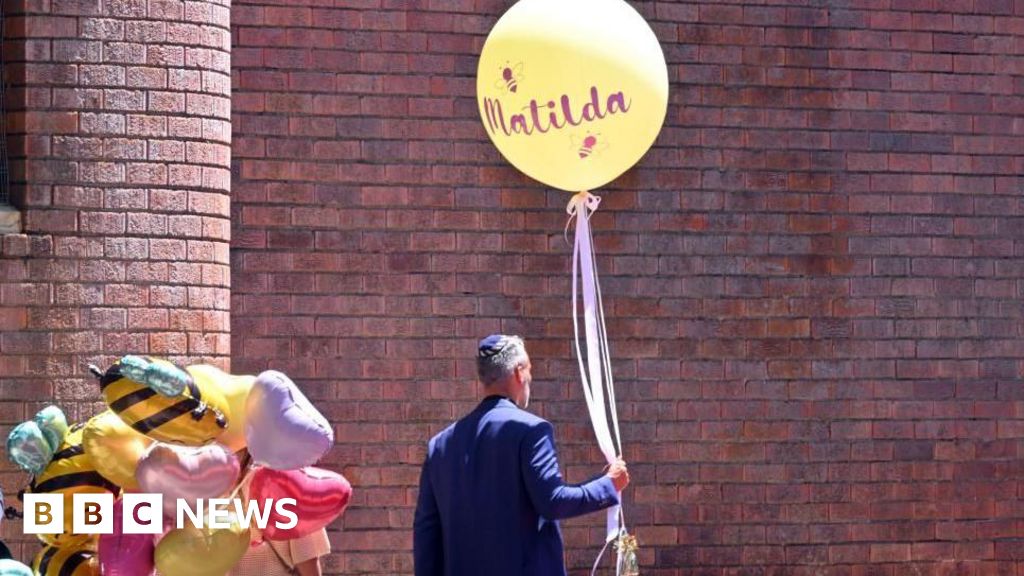
The Bondi Beach shooting represents a critical inflection point in Australia's ongoing struggle with community safety and ideological violence. On a tragic Sunday, a terrorist attack during a Hanukkah festival claimed 15 lives, including 10-year-old Matilda Bee, exposing deep-seated tensions in a multicultural society grappling with rising antisemitism.
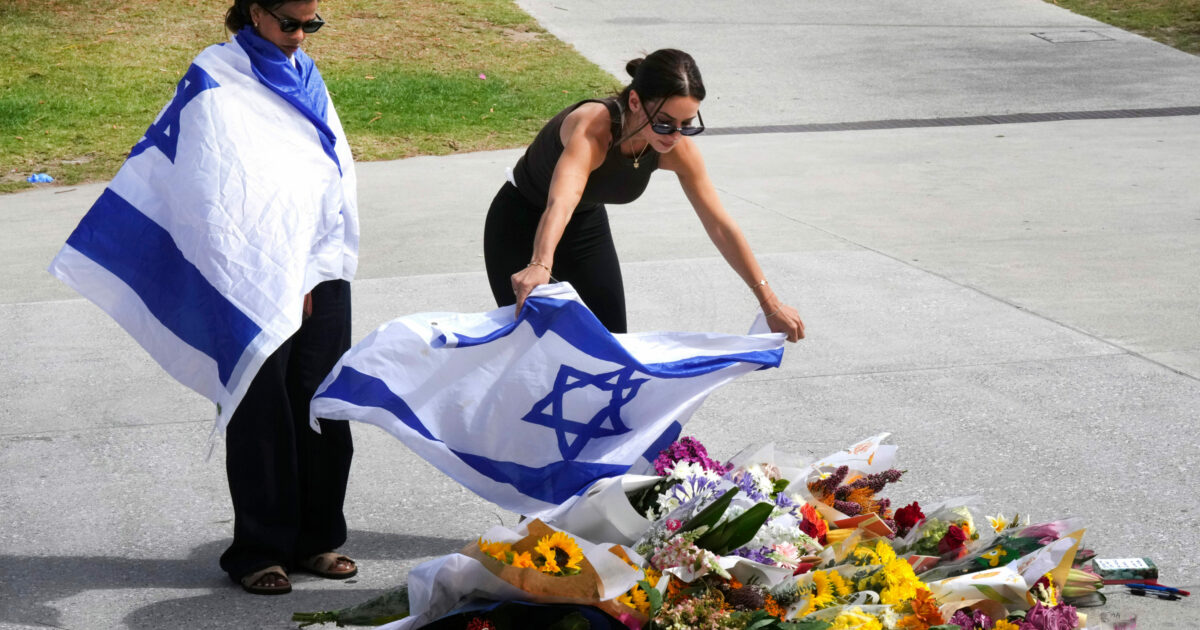
Systemic Vulnerability Revealed: The attack, allegedly motivated by Islamic State ideology, highlights the precarious position of minority communities. The targeting of a Jewish community gathering demonstrates the persistent threat of ideologically driven violence. The fact that the attack occurred in a country traditionally viewed as a safe haven for immigrants underscores the global nature of extremist ideologies.
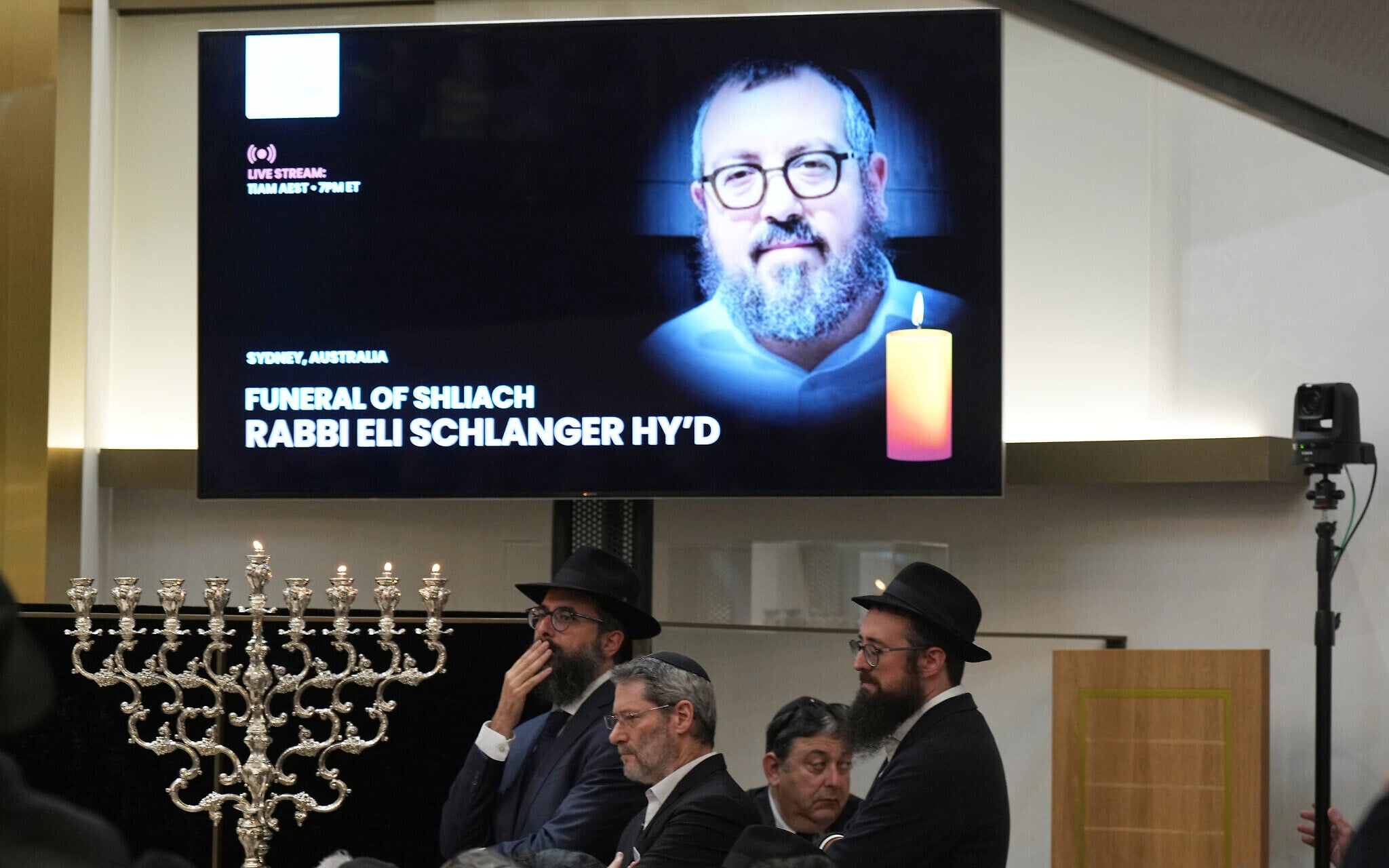
Institutional Response and Resilience: The Australian government's immediate response—announcing plans to strengthen anti-hate legislation, including visa cancellation powers based on antisemitism—signals a proactive approach to combating radical ideologies. The presence of prominent figures at Matilda Bee's funeral, including the Governor General and New South Wales premier, demonstrates a unified national stance against hate.
Community Healing and Resistance: Perhaps most striking is the response of Matilda's family, Ukrainian immigrants who emphasized spreading love rather than anger. This remarkable resilience in the face of unimaginable tragedy represents a powerful counter-narrative to the attackers' intent. Their message of unity and love becomes a form of resistance against the divisive forces of extremism.
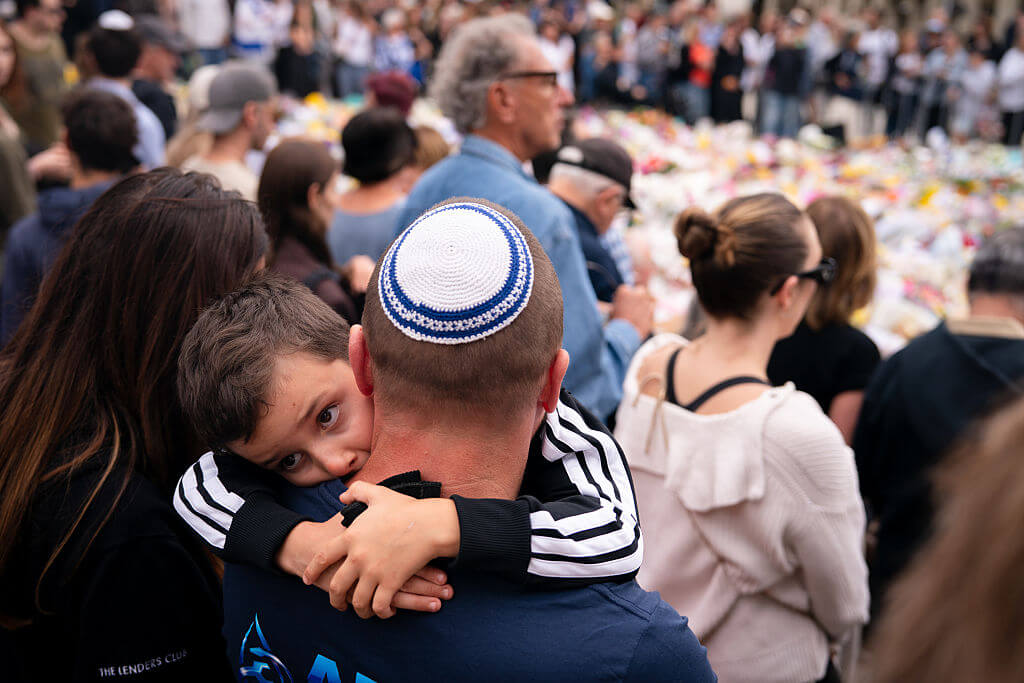
The incident exposes critical fault lines in social cohesion while simultaneously revealing the strength of community bonds. It demands a nuanced approach to community protection that balances security measures with interfaith dialogue and social understanding. The tragedy is not just about the immediate loss but about the broader challenge of maintaining social fabric in an increasingly complex, multicultural world.
Questions 3
How did the Australian government respond to the terrorist attack?
The government announced plans to strengthen anti-hate legislation, including introducing visa cancellation powers based on antisemitism, demonstrating a proactive approach to combating radical ideologies and protecting minority communities.
What role does community resilience play in responding to terrorist attacks?
Community resilience, as exemplified by Matilda's family choosing love over anger, serves as a powerful counter-narrative to extremist intentions. It helps maintain social fabric, resist division, and prevent the perpetuation of hate cycles.