
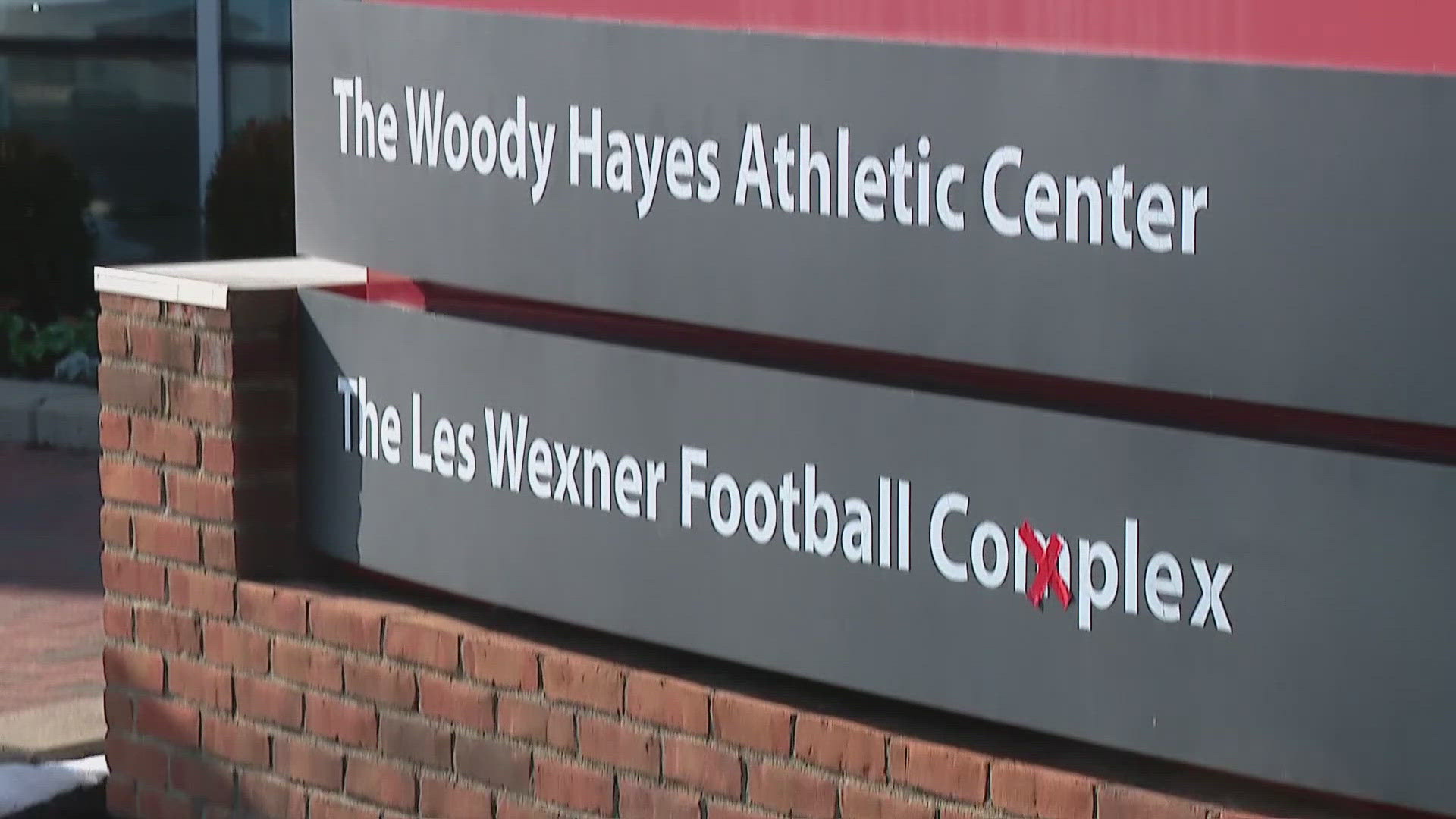


Institutional Accountability Meets Athletic Legacy at Ohio State
- Naming Rights Controversy Exposes Deeper Institutional Governance Challenges




Overview
The Les Wexner name controversy at Ohio State University reveals a critical inflection point in institutional accountability and legacy management. At the heart of this dispute lies a complex intersection of athletic reputation, donor relationships, and institutional integrity surrounding sexual abuse allegations against former university physician Dr. Richard Strauss.
Institutional Reputation Under Scrutiny emerges as the central narrative. The demand by former athletes to remove Wexner's name from the Woody Hayes Athletic Center represents more than a symbolic gesture—it's a profound challenge to how universities manage donor legacies and institutional memory. With Ohio State already settling $60 million in claims for 296 survivors, the stakes extend far beyond a single facility's naming rights.
The nuanced legal landscape is particularly compelling. Ohio Attorney General Dave Yost's defense of Wexner, citing no direct depositions suggesting involvement, contrasts sharply with survivor Mike DiSabato's aggressive push for accountability. Critically, the naming rights were funded through two controversial financial channels: the Wexner Charitable Foundation and a foundation connected to Jeffrey Epstein, adding layers of complexity to the institutional decision-making process.
Governance Mechanisms in Focus The removal process itself highlights sophisticated institutional protocols. A formal advisory committee must evaluate "substantial evidence of misconduct harmful to Ohio State's reputation"—a standard that transforms this from a personal dispute into a structured institutional review. This approach suggests universities are developing more systematic frameworks for addressing historical reputational challenges.
The broader implications are profound. This case represents a watershed moment where athletic institutions must reconcile historical donor relationships with contemporary ethical standards. It signals an emerging paradigm where institutional legacies are no longer immutable but subject to ongoing ethical reassessment.
Questions 3
How do sexual abuse settlements impact university donor relationships?
The $60 million settlement demonstrates that universities are increasingly prioritizing survivor support over protecting donor relationships. This signals a fundamental shift in institutional accountability, where ethical considerations now outweigh traditional donor preservation strategies.
What makes the Wexner naming rights case unique?
The complexity stems from multiple factors: connections to Jeffrey Epstein, ongoing sexual abuse allegations, and the intersection of athletic legacy with institutional ethics. The case represents a broader challenge in how institutions manage historical donor relationships in light of emerging ethical standards.