



Android's User Experience Revolution: How Google is Reimagining Mobile Interface Design
- Pixel's strategic UI customization signals a new era of adaptive smartphone experiences









Overview
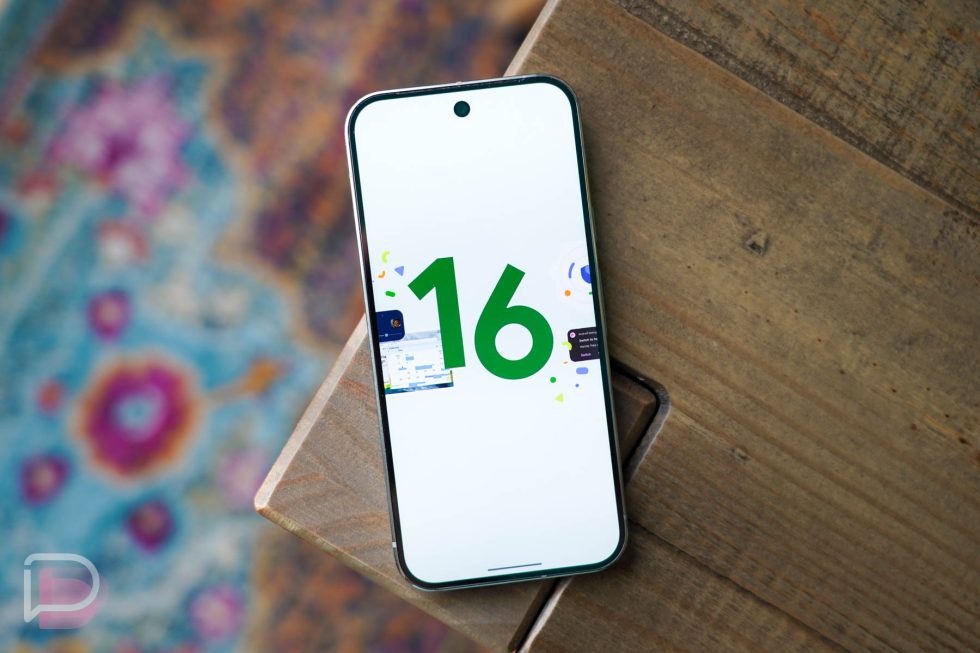
Google's Android 16 QPR3 Beta 1 represents a pivotal moment in mobile user interface design, demonstrating an unprecedented level of user-centric flexibility and cross-manufacturer learning. The update reveals a profound shift from rigid interface standards to adaptive, personalized smartphone experiences that prioritize user muscle memory and interaction preferences.
Micro-customization is becoming the new competitive battlefield in mobile design. By introducing Samsung's navigation button layout as an optional configuration for Pixel devices, Google is signaling a radical departure from the traditional one-size-fits-all approach. This seemingly minor adjustment represents a strategic acknowledgment that user comfort transcends brand-specific design conventions. The ability to switch navigation button orders reflects a deeper understanding that smartphone interactions are deeply personal and shaped by years of individual device usage.
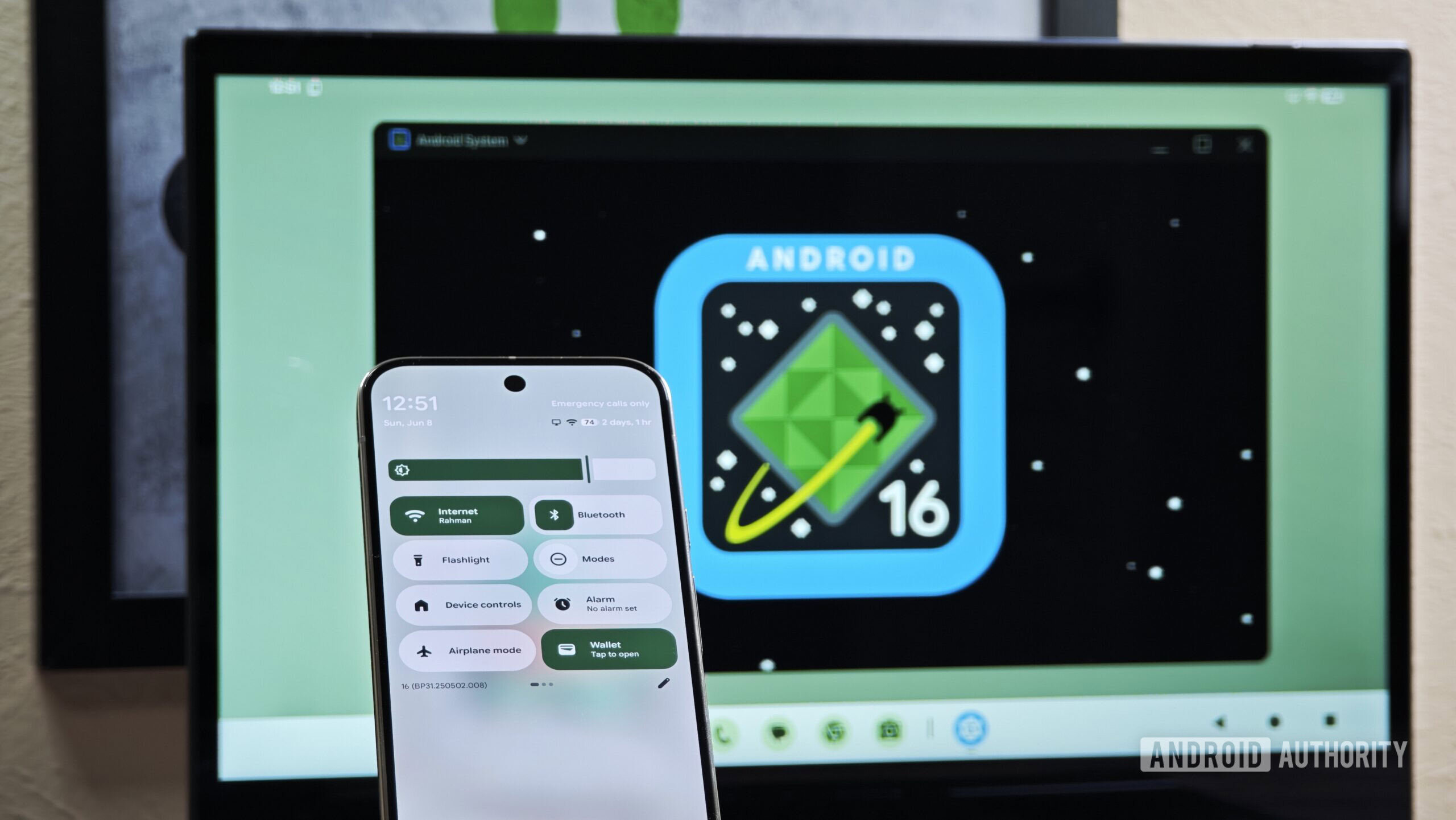
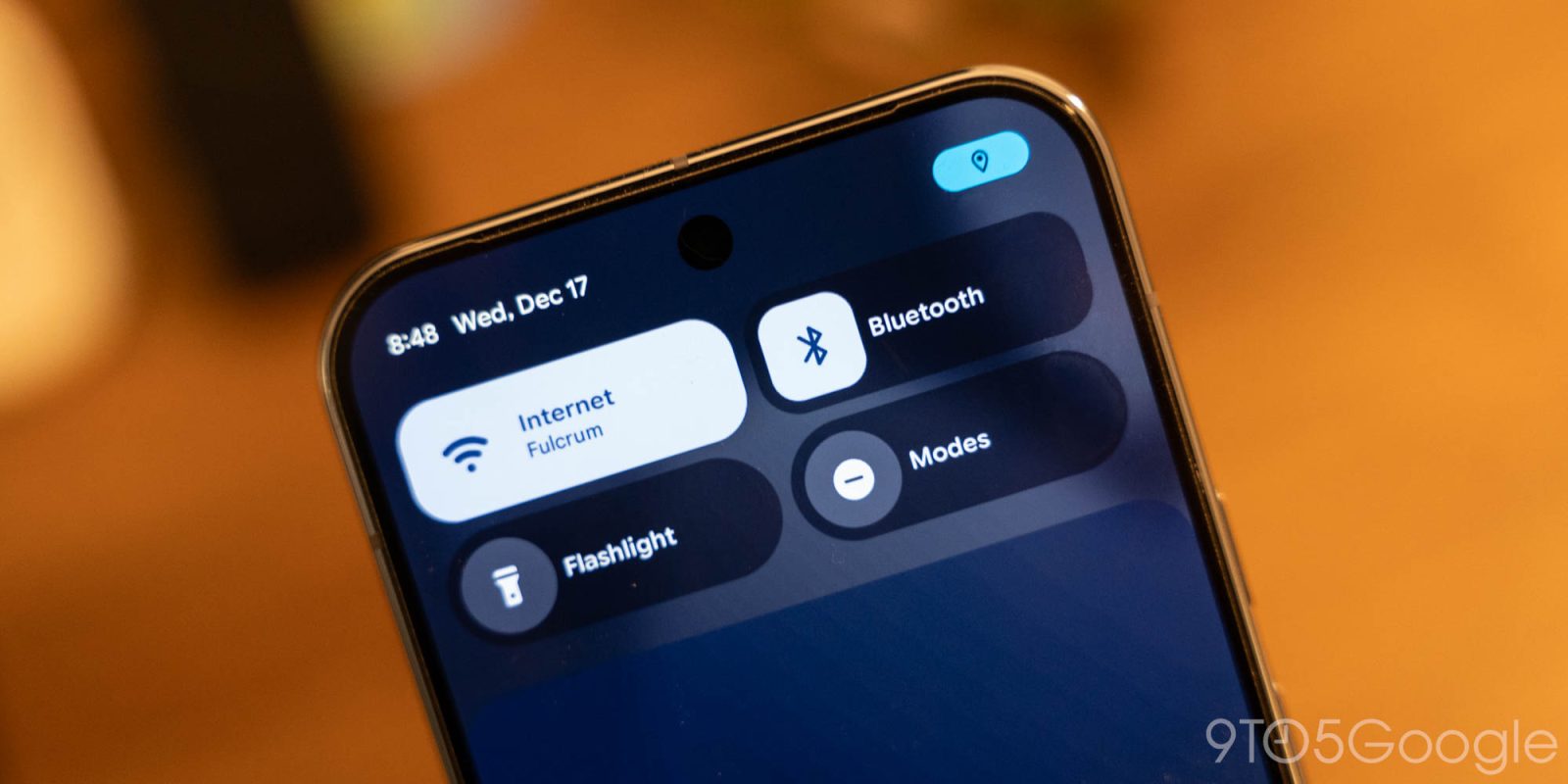
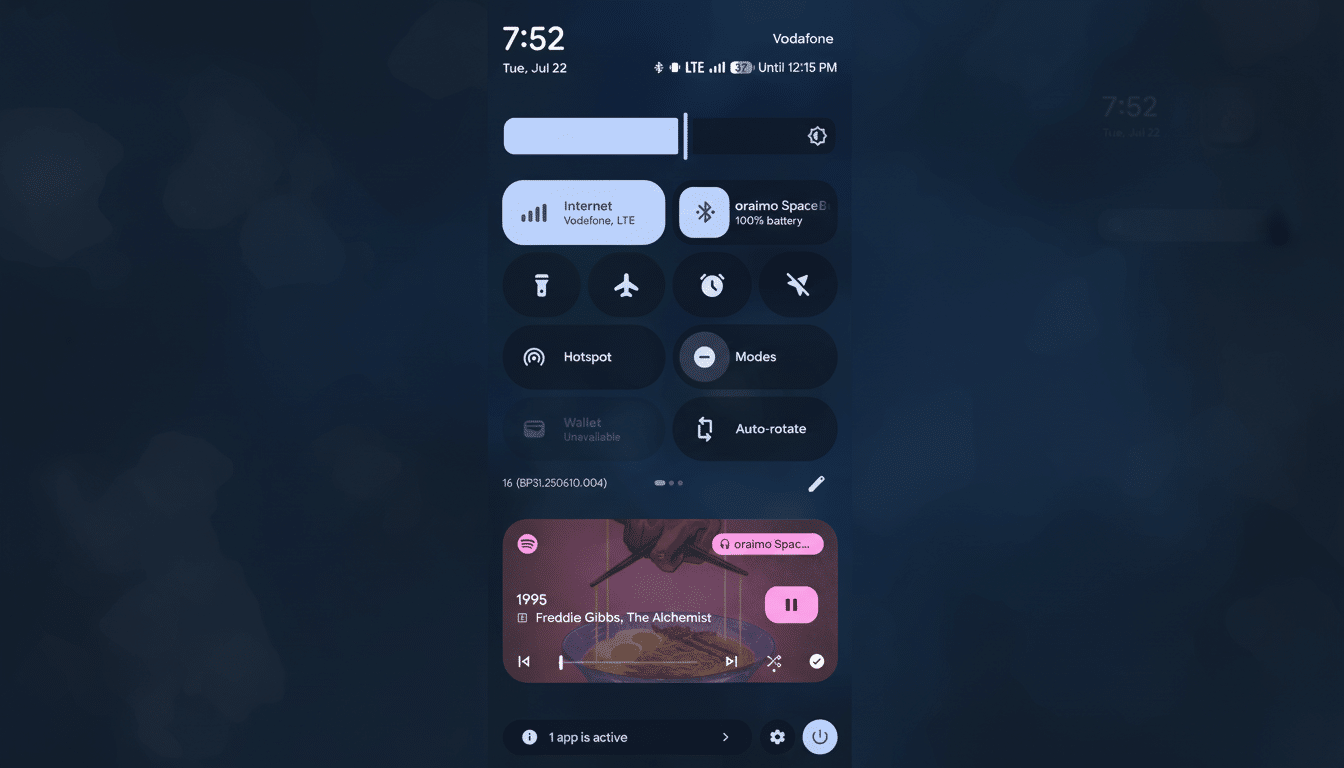
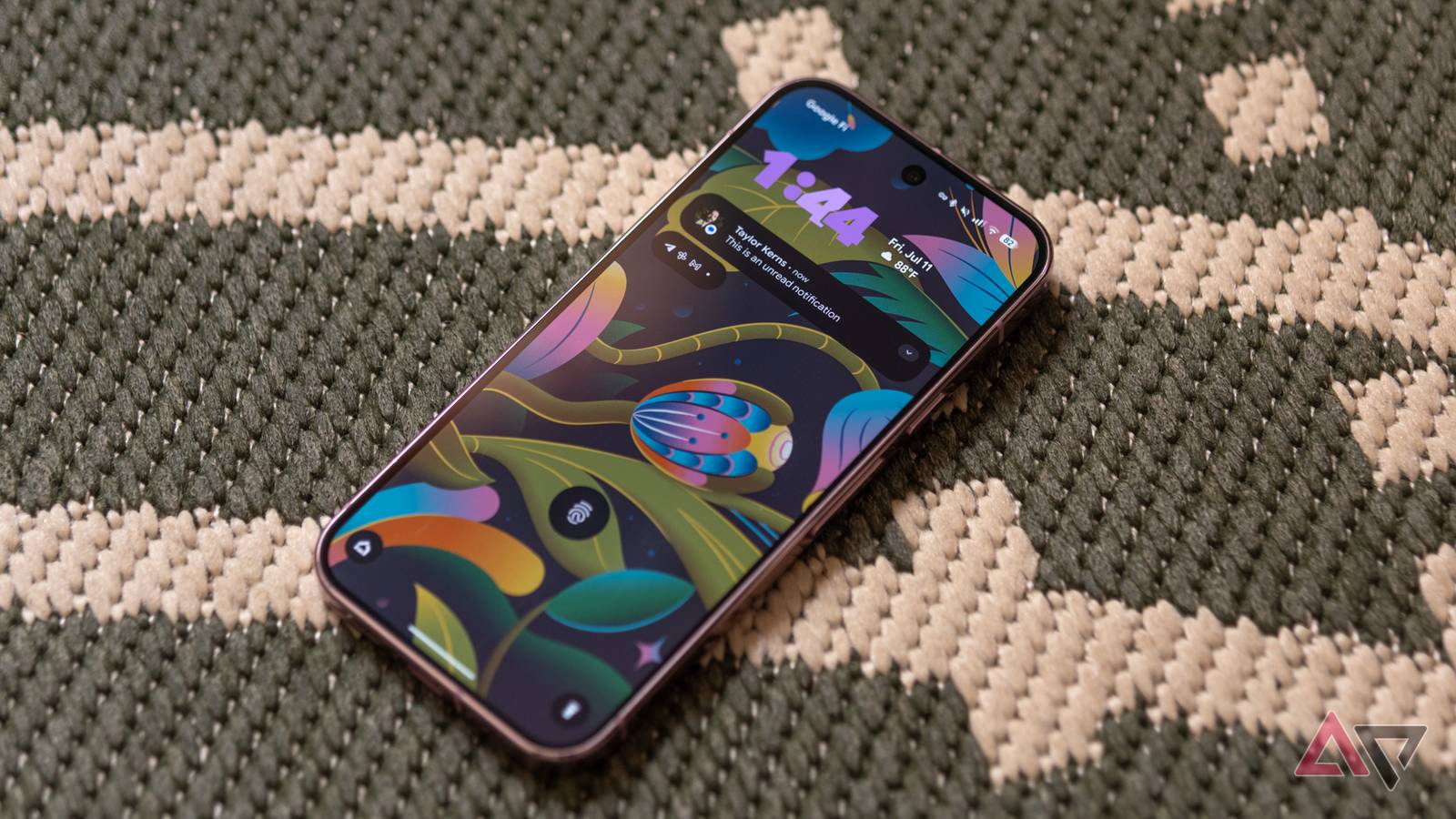
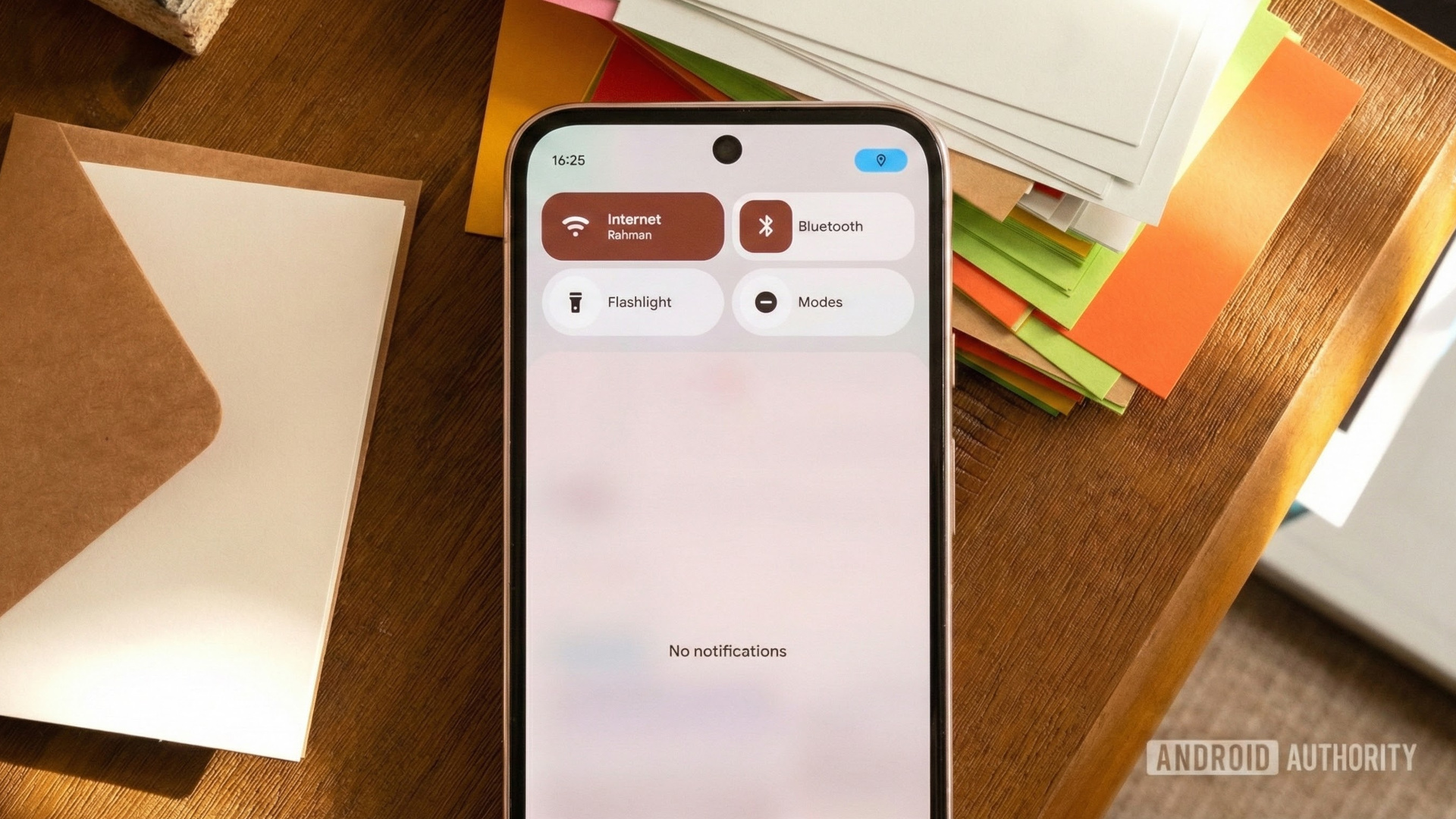
The beta update's incremental changes—from folder animations to themed icon modifications and lockscreen tweaks—paint a broader picture of continuous, data-driven interface refinement. Google is essentially treating the Android user interface as a living, breathing ecosystem that can be dynamically adjusted based on user feedback and cross-platform insights. Features like adjustable flashlight strength and potential At a Glance lockscreen modifications demonstrate a granular approach to user experience optimization.
This strategy represents more than just technical updates; it's a competitive intelligence approach to interface design. By observing and incorporating navigation patterns from manufacturers like Samsung, Google is creating a more inclusive, adaptable platform. The move suggests that future smartphone interfaces will be less about brand-specific rigidity and more about providing users with unprecedented customization and comfort.
For developers, designers, and technology strategists, this signals a critical shift: user experience is no longer about imposing a design, but about creating flexible frameworks that adapt to individual user preferences. The Android 16 QPR3 Beta 1 is not just an update—it's a manifesto of user-centric design philosophy.
Questions 3
What makes the Android 16 QPR3 Beta 1 update significant for user experience?
The update introduces unprecedented UI customization, allowing users to adopt navigation button layouts from different manufacturers. This signals a shift towards more flexible, user-centric mobile interfaces that prioritize individual comfort and muscle memory over rigid design standards.
How does Google's approach differ from traditional smartphone interface design?
Unlike traditional approaches that enforce a single, brand-specific interface, Google is creating an adaptive framework that allows users to personalize their experience. By incorporating design elements from other manufacturers like Samsung, they're breaking down brand-specific design barriers.