


NFL's Hidden Broadcast Strategy Reveals Deeper Market Dynamics
- Emerging Teams Struggle for National Recognition Despite Performance













Overview
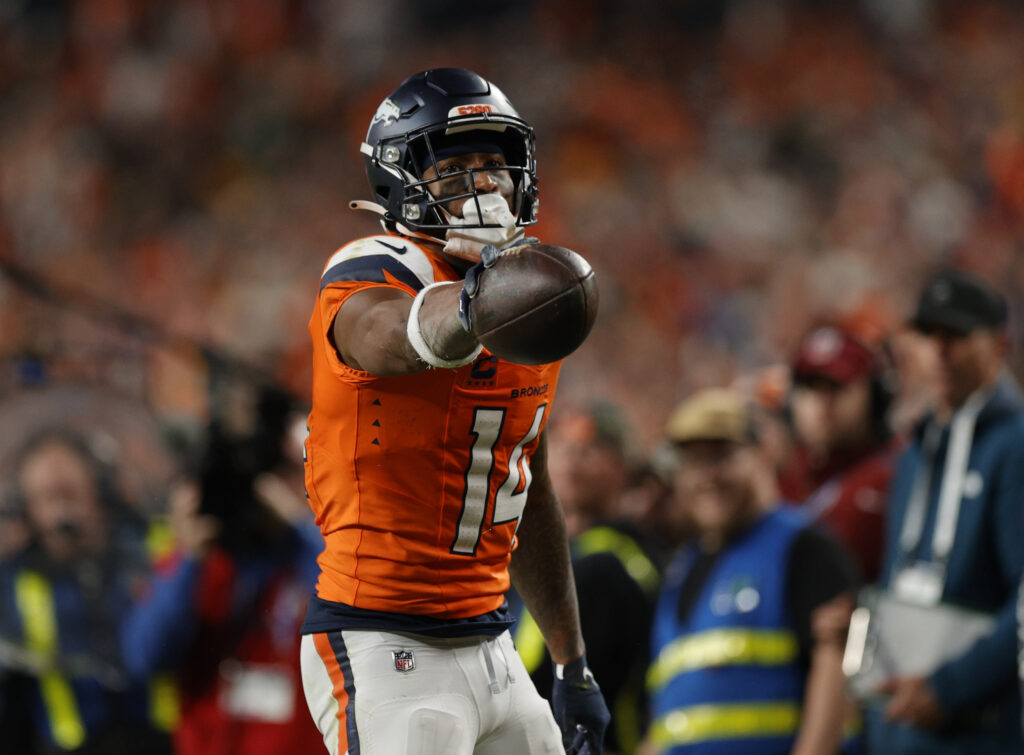
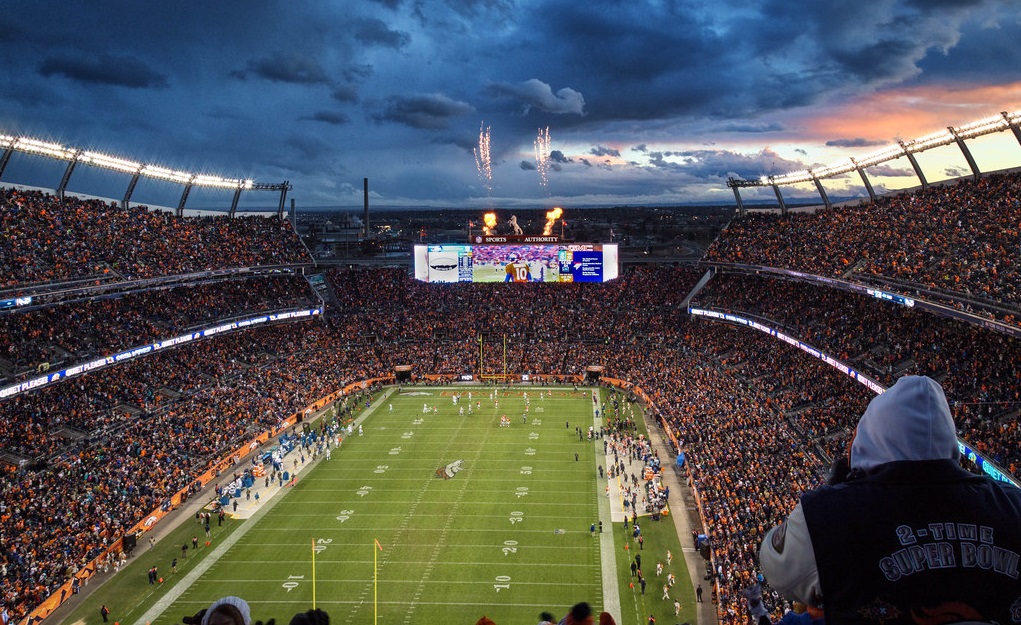
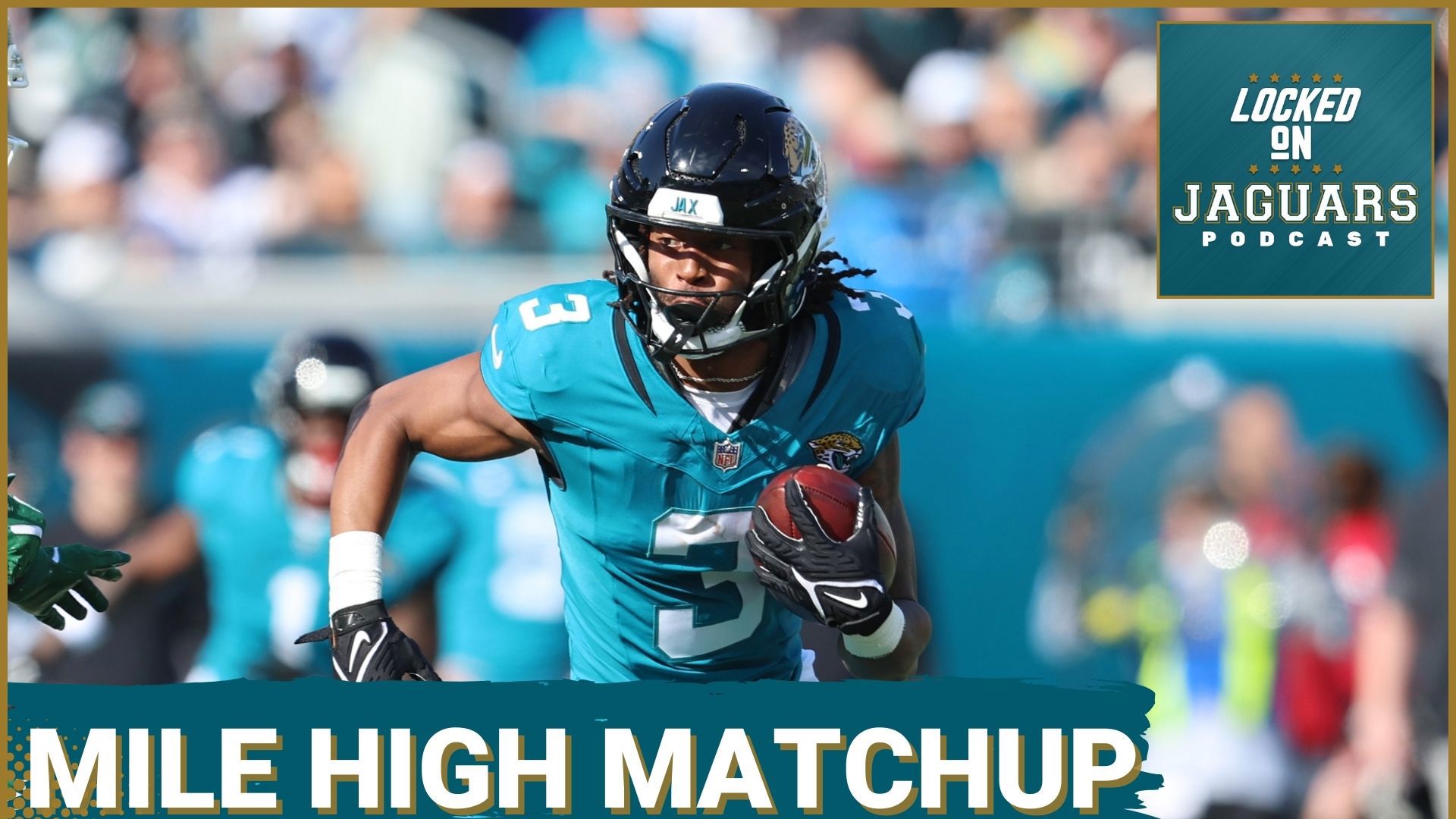
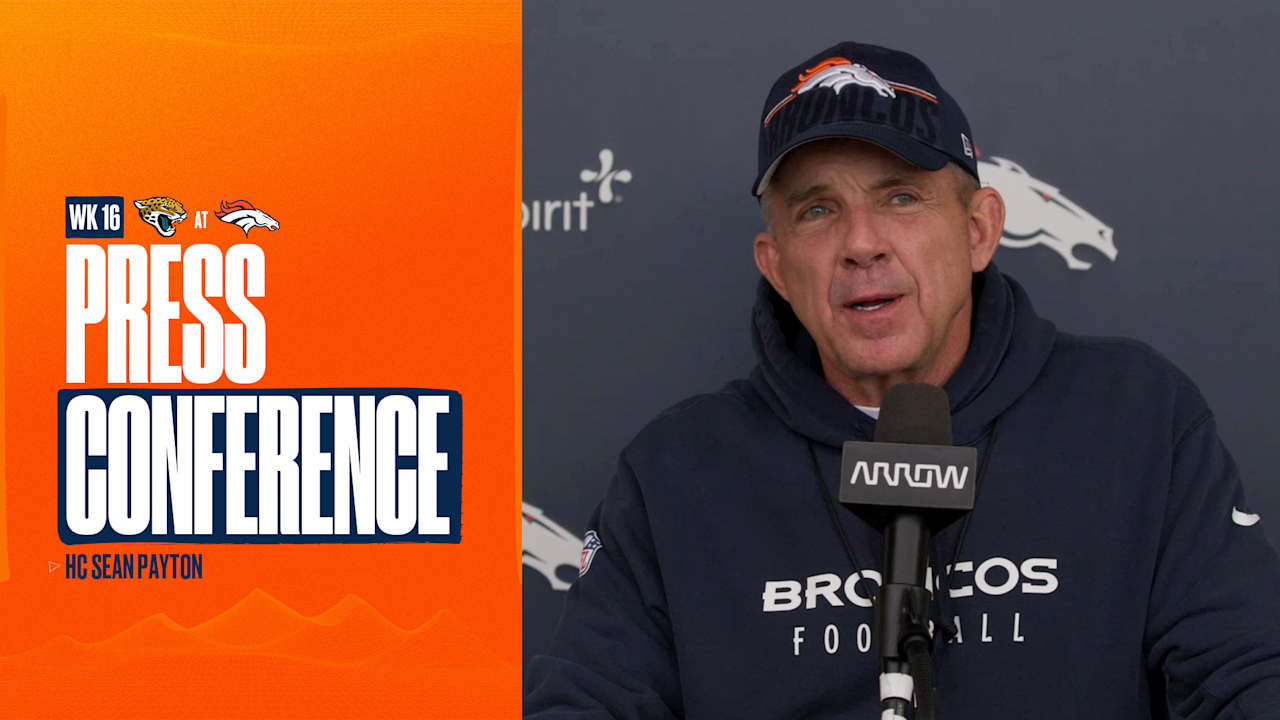
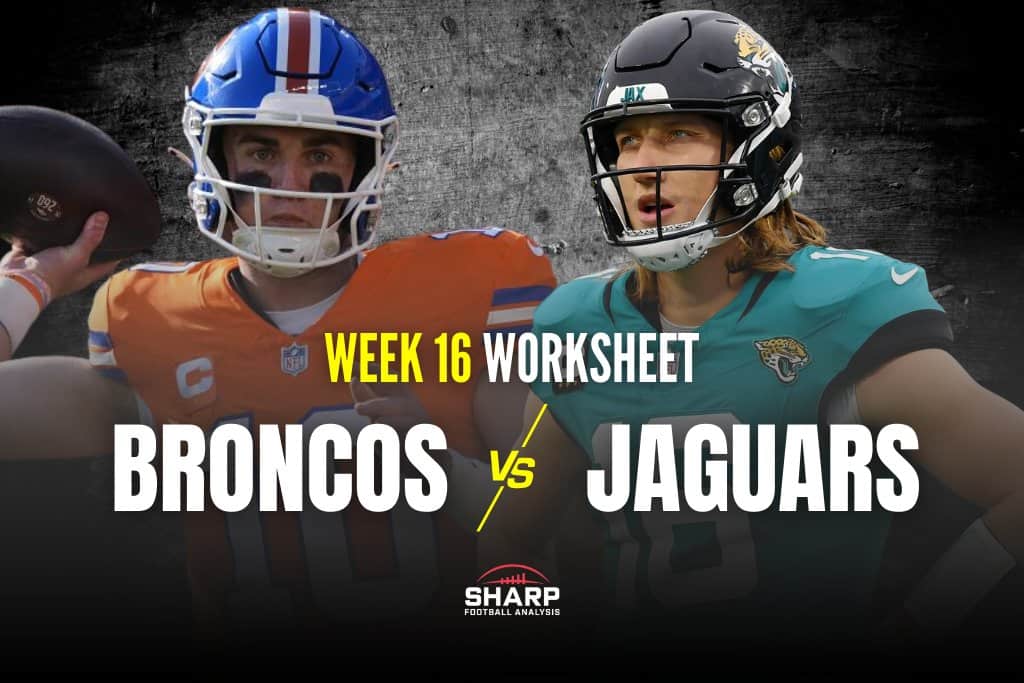
In the intricate landscape of sports media and market perception, the upcoming Denver Broncos versus Jacksonville Jaguars matchup unveils a fascinating narrative about brand visibility and national appeal. Despite both teams demonstrating exceptional performance—the Broncos with a remarkable 12-2 record and the Jaguars holding a solid 10-4 standing—they find themselves marginalized in the national broadcast ecosystem.
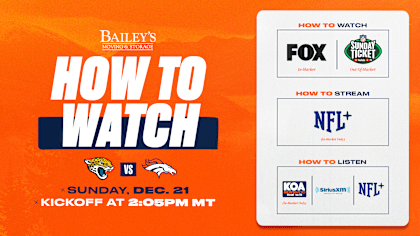
The core insight lies in the NFL's strategic calculus of team marketability. Even with impressive win-loss records, these teams haven't transcended regional boundaries to capture widespread fan imagination. The regional broadcast decision for what could be one of the weekend's most competitive matchups signals a deeper phenomenon: success on the field doesn't automatically translate to national recognition.
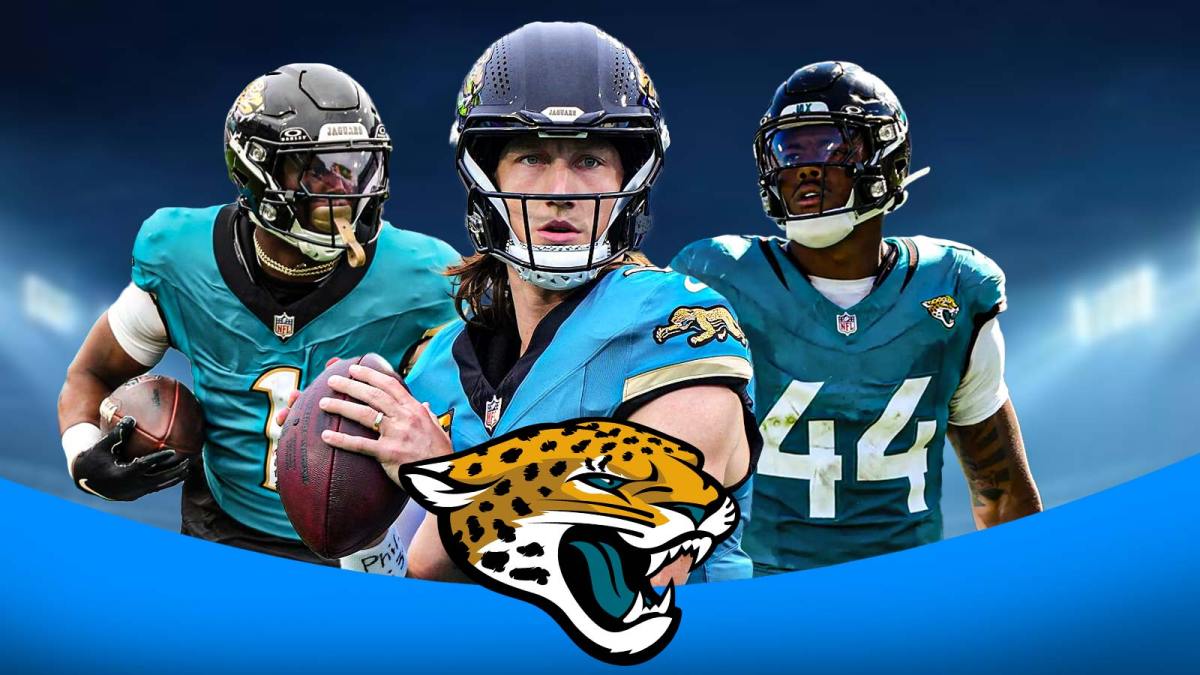
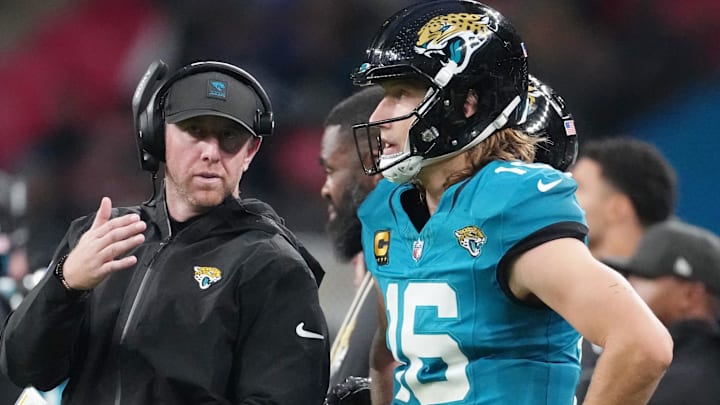
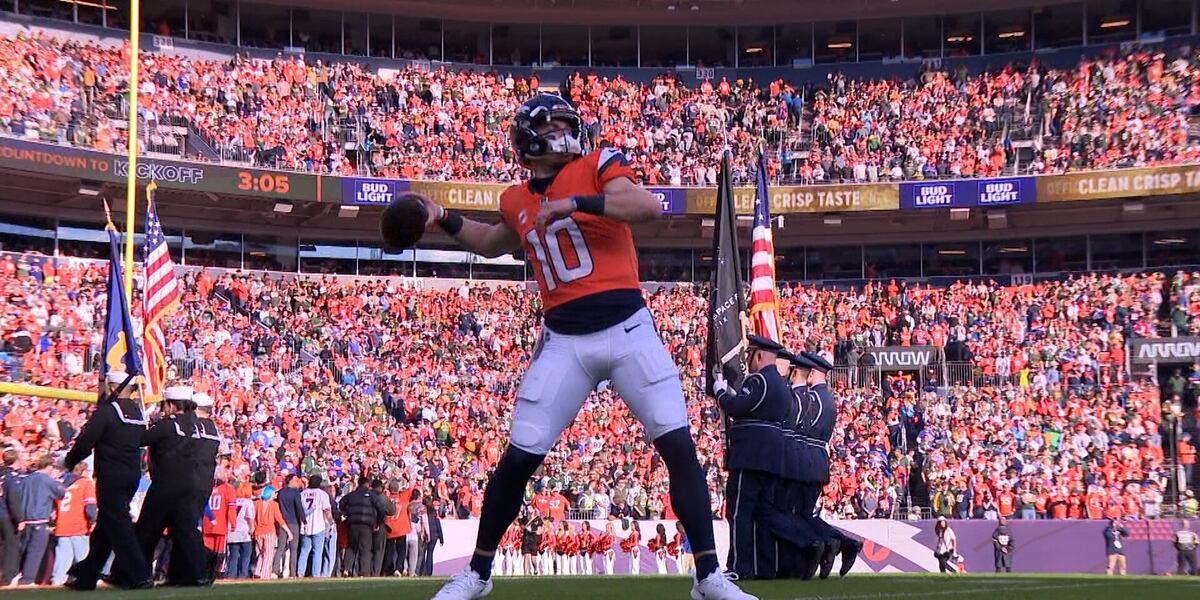
Quarterback dynamics play a crucial role in this narrative. Bo Nix for the Broncos and Trevor Lawrence for the Jaguars, despite their individual talents, haven't yet developed the star power that commands nationwide attention. This reveals a critical market mechanism where personal brand and media narrative are as important as athletic performance.
The scheduling choice exposes an intriguing market segmentation strategy. By limiting broadcast reach, the NFL implicitly suggests that not all competitive matchups are created equal. Some teams must first build narrative momentum before receiving premium exposure. For emerging franchises, this means investing not just in athletic performance, but in crafting a compelling media persona that resonates beyond local fan bases.
Strategically, this reflects broader trends in media consumption where storytelling and personal branding increasingly determine visibility. Teams are no longer just judged by their win-loss records, but by their ability to generate compelling narratives that capture national imagination.
Questions 3
What strategic implications does this broadcast decision have for emerging NFL teams?
Teams must invest not just in athletic performance, but in developing strong media narratives, personal quarterback brands, and storytelling that can capture national imagination and drive broader fan engagement.
How does team marketability differ from on-field performance?
Marketability involves creating a compelling narrative and personal brand that transcends local fan bases. While the Broncos and Jaguars have impressive win-loss records, they haven't yet generated the media storylines that command nationwide interest.