





Australia Rewrites National Security Playbook in Response to Extremist Threat
- Comprehensive regulatory overhaul targets hate speech and gun proliferation in multicultural society























)













































Overview
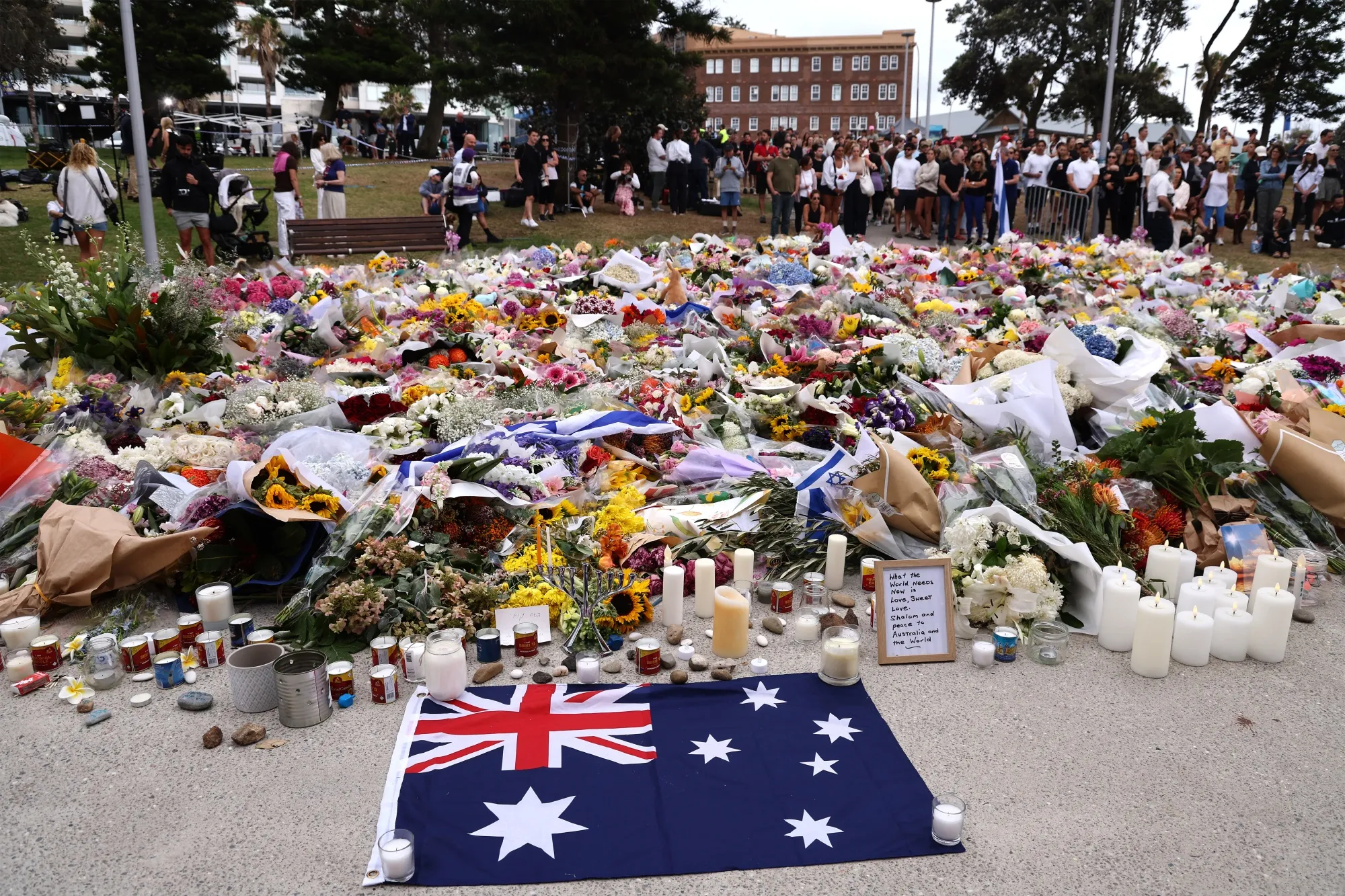
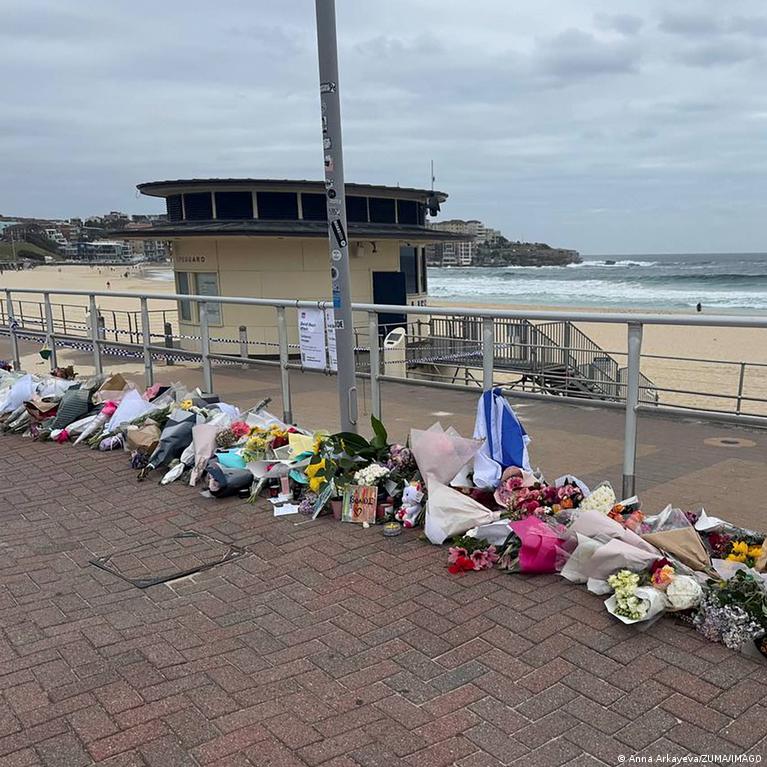
The Bondi Beach terror attack has triggered a profound regulatory transformation in Australia, revealing a strategic pivot in national security and social cohesion management. Regulatory compliance is now emerging as the primary mechanism for combating extremism, with Prime Minister Anthony Albanese implementing an unprecedented two-pronged approach targeting both hate speech and firearms accessibility.
The government's response represents a sophisticated regulatory strategy that goes beyond traditional law enforcement. By introducing comprehensive legislative reforms, Australia is essentially creating new compliance barriers that directly address emerging societal tensions. The proposed hate speech legislation will establish a formal regime for listing organizations engaging in divisive rhetoric, effectively weaponizing regulatory frameworks to prevent potential violence.
Simultaneously, the national gun buyback scheme signals a proactive risk mitigation approach. With approximately four million firearms in circulation—more than during the 1996 Port Arthur massacre—the government is implementing stringent control measures. Key interventions include purchasing surplus firearms, imposing ownership limits, and making Australian citizenship a prerequisite for firearm licenses. This represents a systemic approach to reducing potential security risks by dramatically narrowing the legal pathways for weapon acquisition.
The regulatory response is particularly noteworthy for its multi-layered strategy. By combining hate speech legislation with firearms control, the government is addressing both ideological radicalization and potential violent manifestations. The measures specifically target extremist preachers, organizations promoting racial hatred, and individuals with potential terrorist connections.
Critically, these reforms emerge from a complex geopolitical context, including rising antisemitism following the October 7th Hamas attacks and ongoing tensions in multicultural Australian society. The government's approach demonstrates a nuanced understanding that regulatory frameworks can be powerful tools for managing community tensions and preventing potential violence.
Questions 3
What are the long-term implications of these regulatory changes?
These changes signal a fundamental shift towards using regulatory compliance as a primary mechanism for managing social cohesion, potentially establishing a new model for addressing extremism in multicultural societies by creating structural barriers to hate and violence.
What specific regulatory changes are being implemented in response to the Bondi Beach attack?
The Australian government is introducing comprehensive hate speech legislation that allows listing organizations promoting division, empowers the home affairs minister to cancel visas for hate speech promoters, and implements a massive gun buyback scheme targeting approximately 4 million firearms in circulation.