



Resilience Rising: How Community Solidarity Transforms Tragedy into Hope
- A Profound Exploration of Collective Healing and Unity in the Face of Antisemitic Violence
















Overview
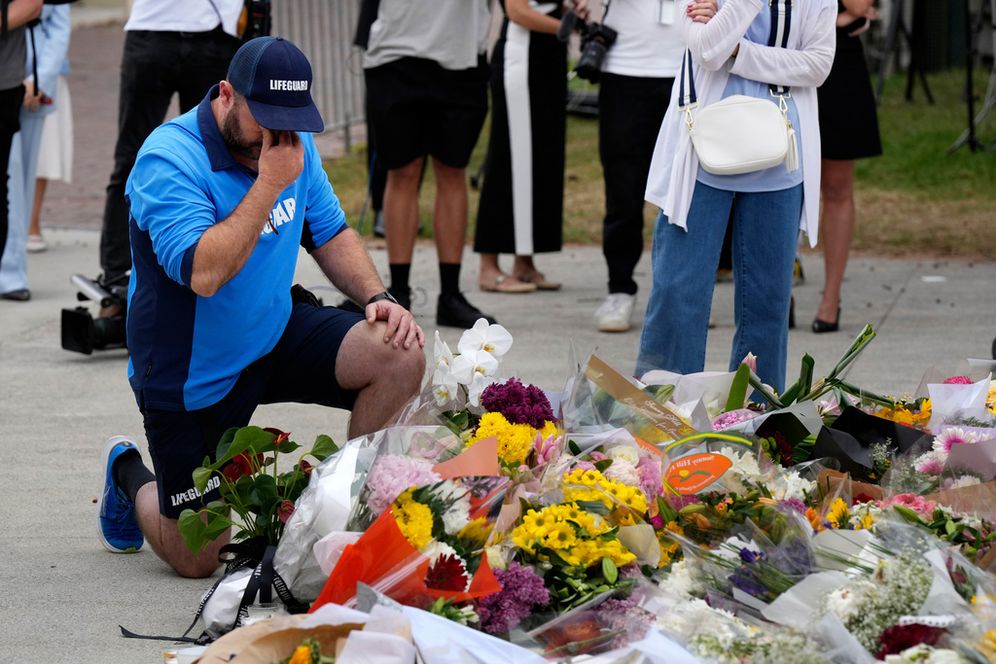
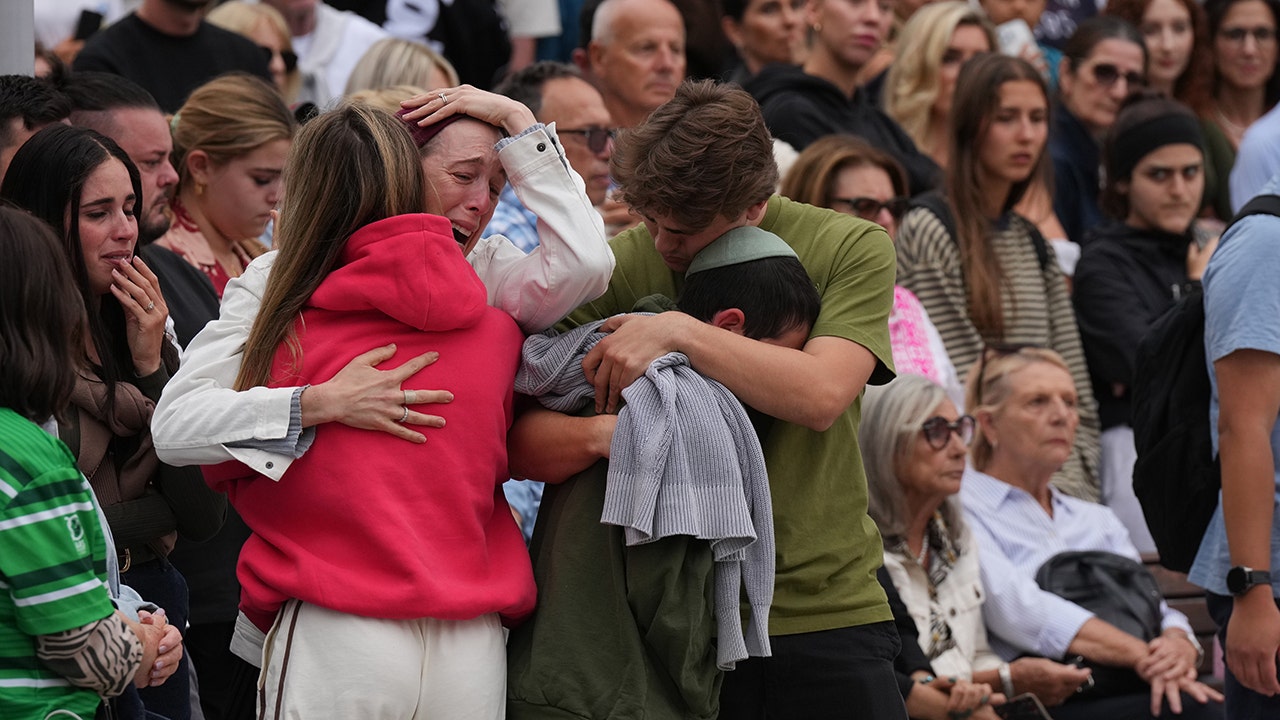
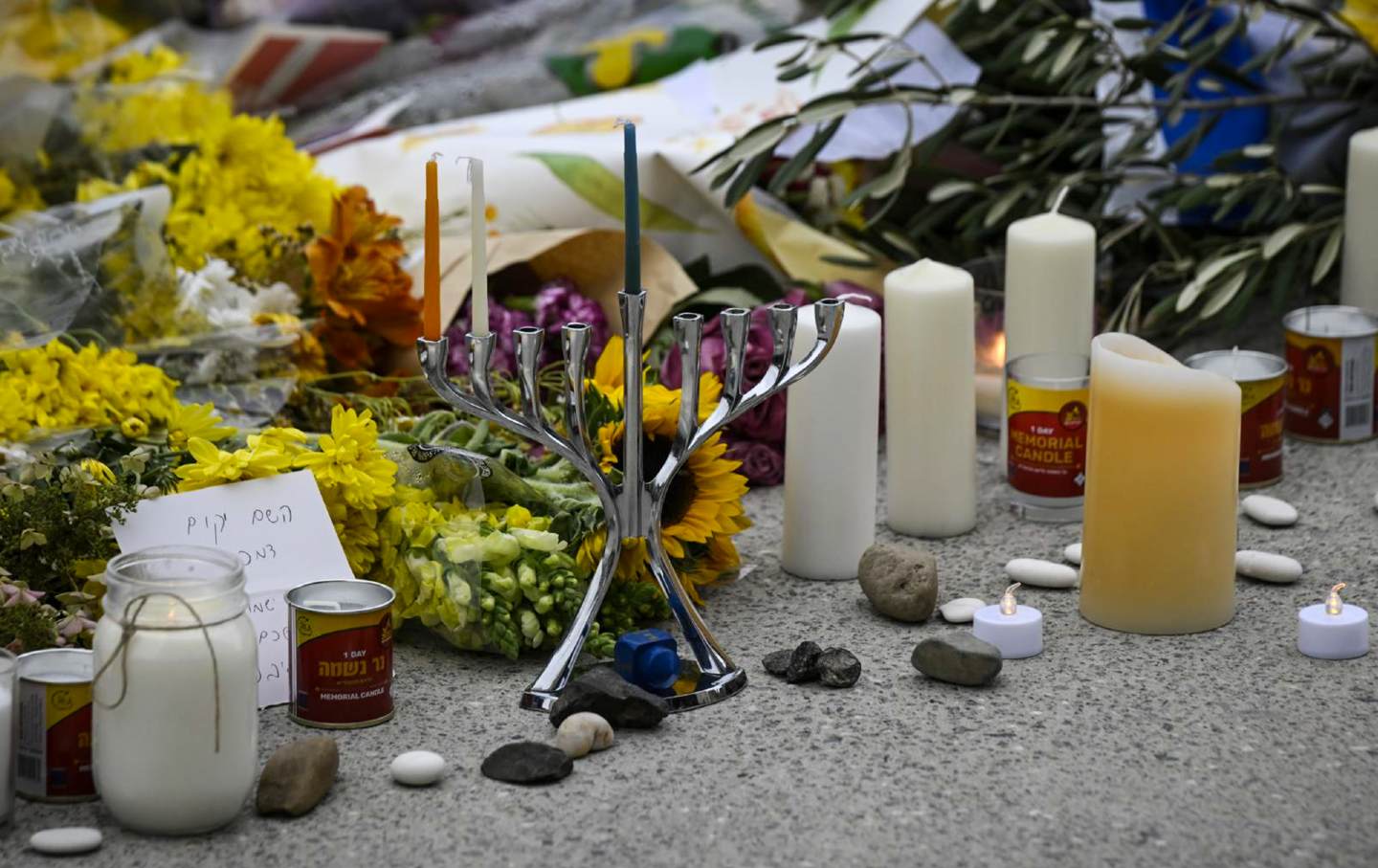
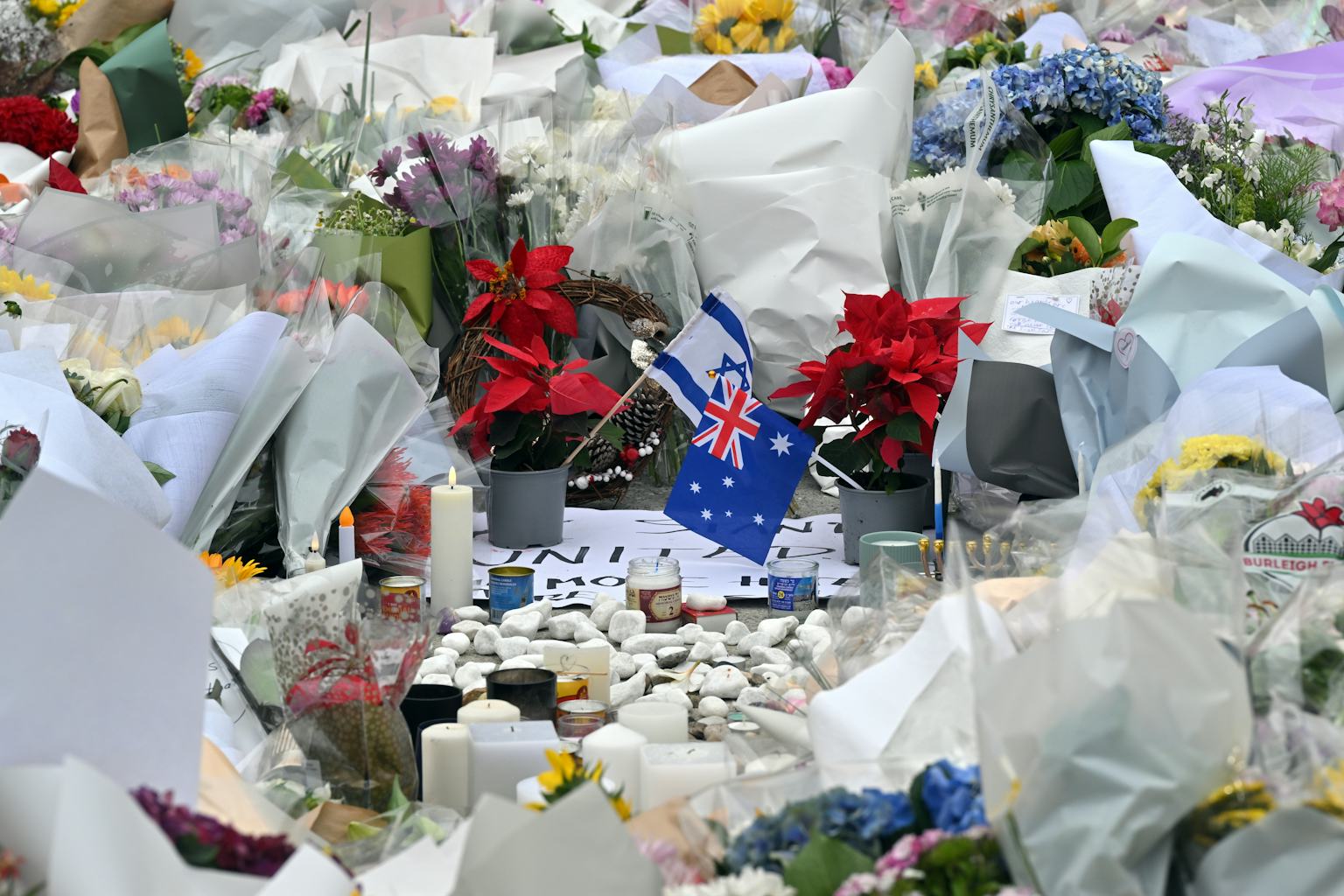
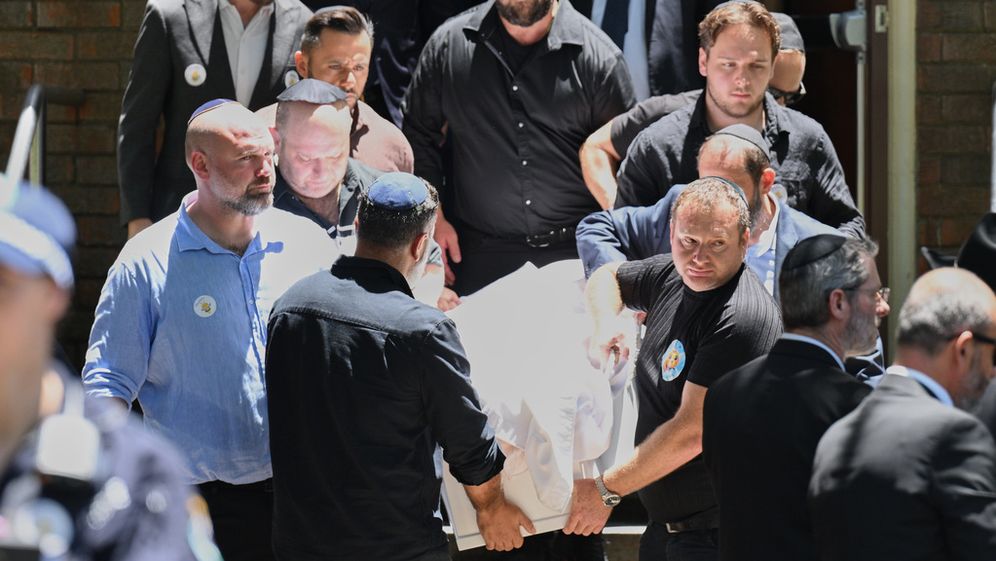
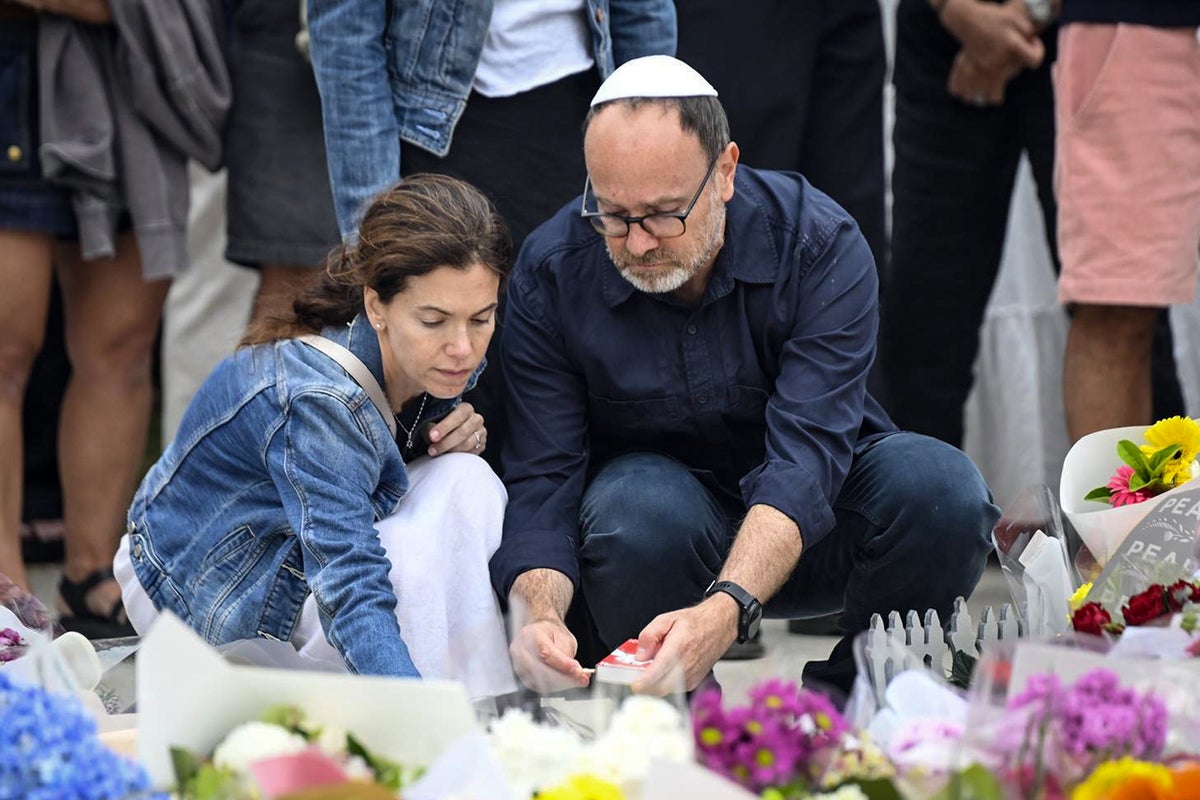
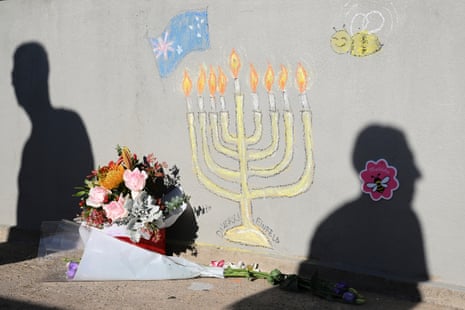
The Bondi Beach tragedy represents a pivotal moment of collective human resilience, where a community's response to senseless violence transcends grief and transforms potential division into a powerful narrative of unity and hope. Antisemitic violence struck at the heart of Sydney's Jewish community during a Hanukkah celebration, claiming 15 lives and leaving deep emotional scars. Yet, the remarkable response reveals a profound societal strength that goes far beyond the immediate tragedy.
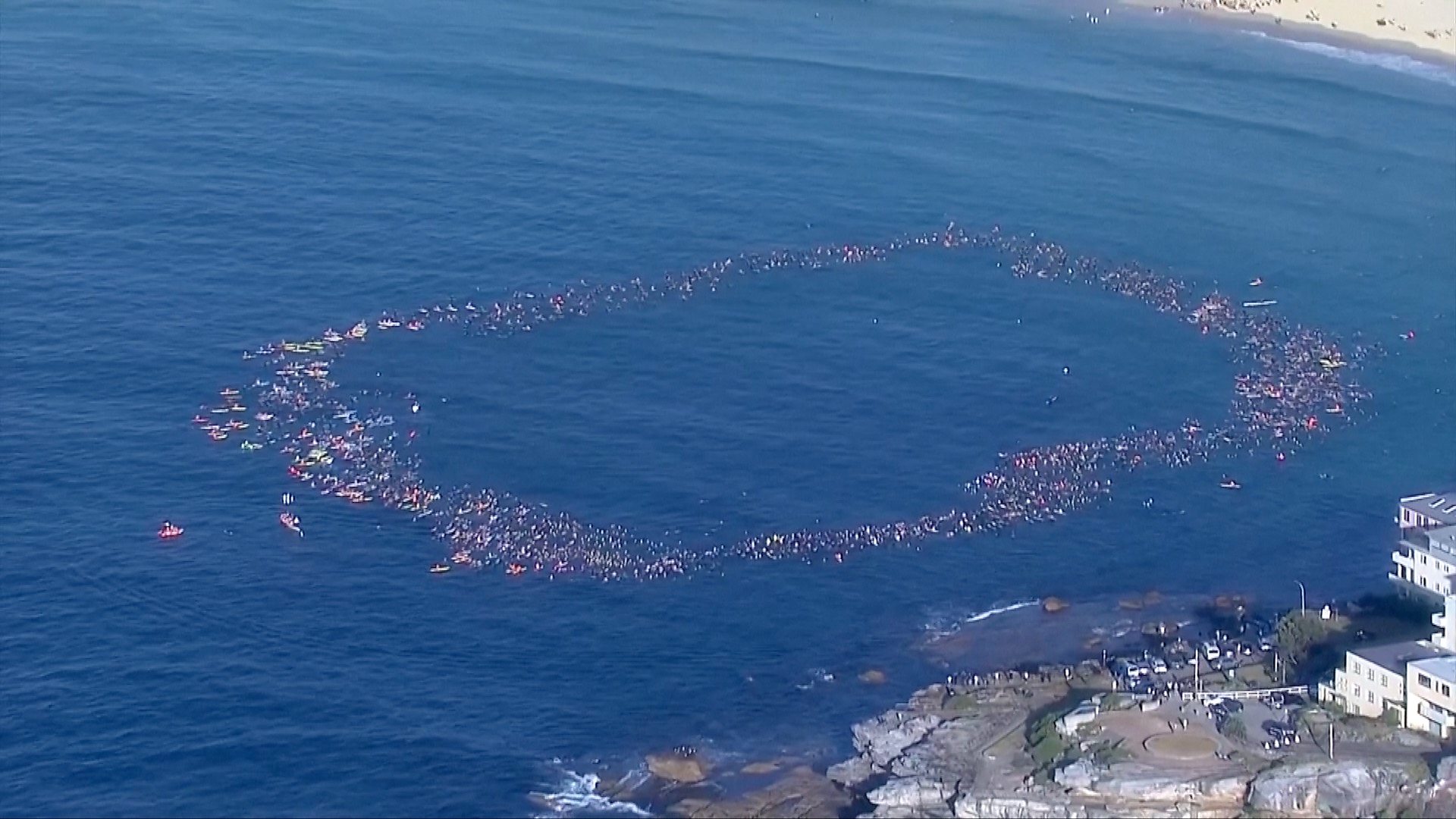
The community's reaction was nothing short of extraordinary. Over 5 million dollars were donated across fundraisers from more than 60 countries, demonstrating a global solidarity that refuses to be fractured by hate. The paddle-out memorial, where hundreds of surfers, paddleboarders, and swimmers formed a massive ocean circle, symbolized a collective healing process that turns mourning into a powerful statement of mutual respect and understanding.
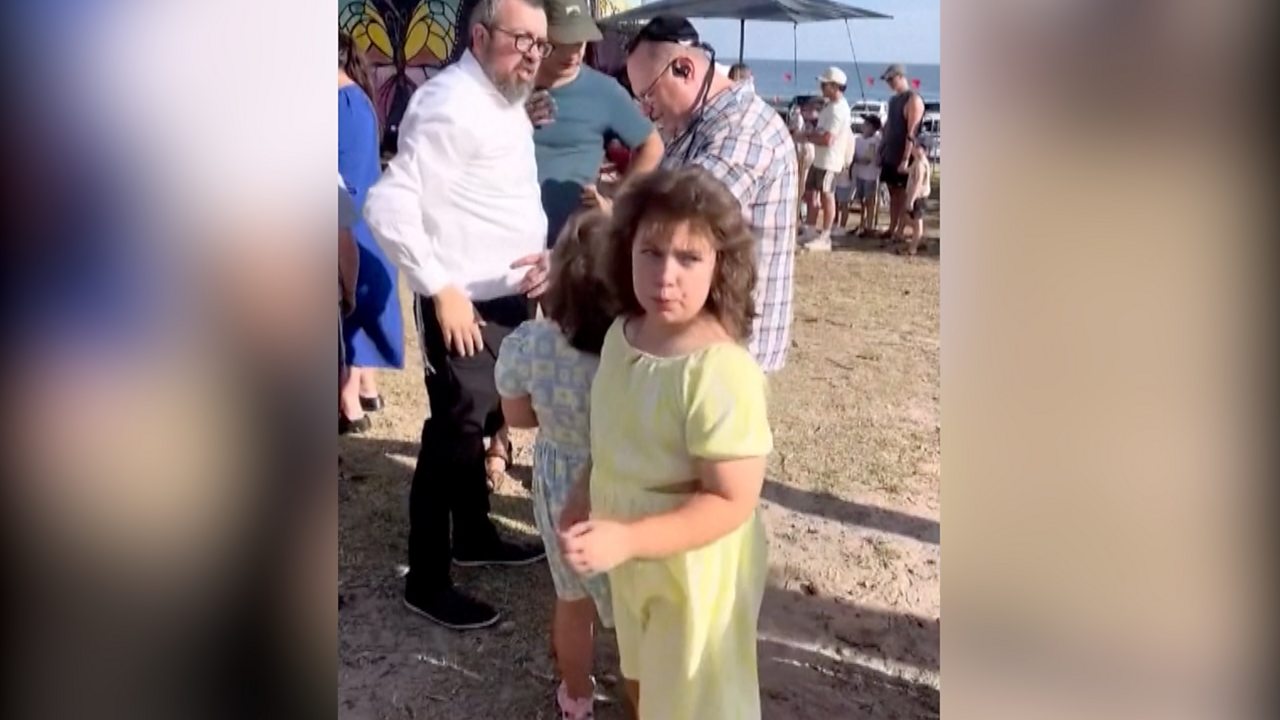
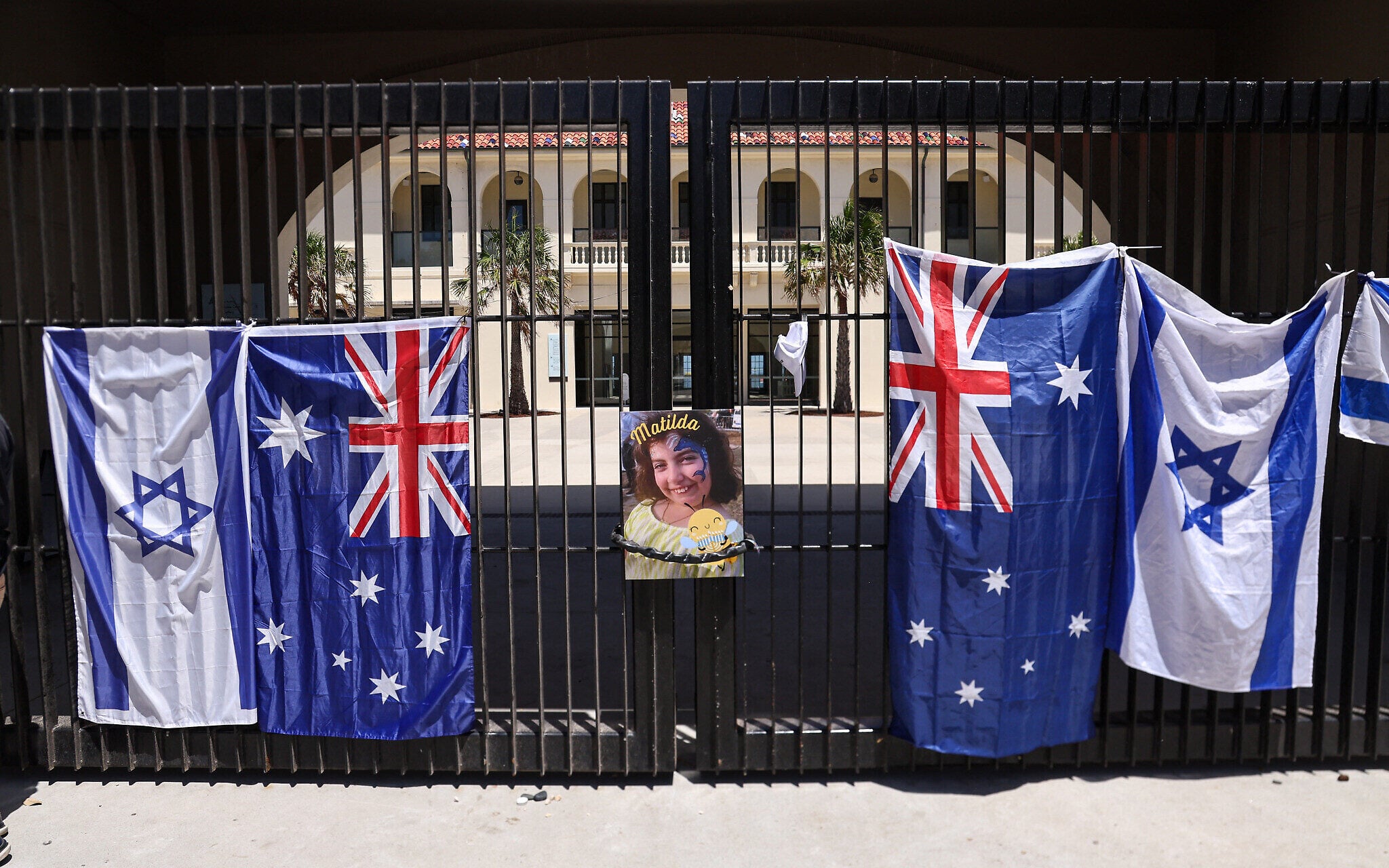
A particularly poignant moment emerged through Matilda's family, whose 10-year-old daughter was the youngest victim. Instead of succumbing to anger, they chose a message of "happiness and love", transforming personal tragedy into a universal call for compassion. This response epitomizes a deeper societal resilience—the ability to confront hatred without being consumed by it.
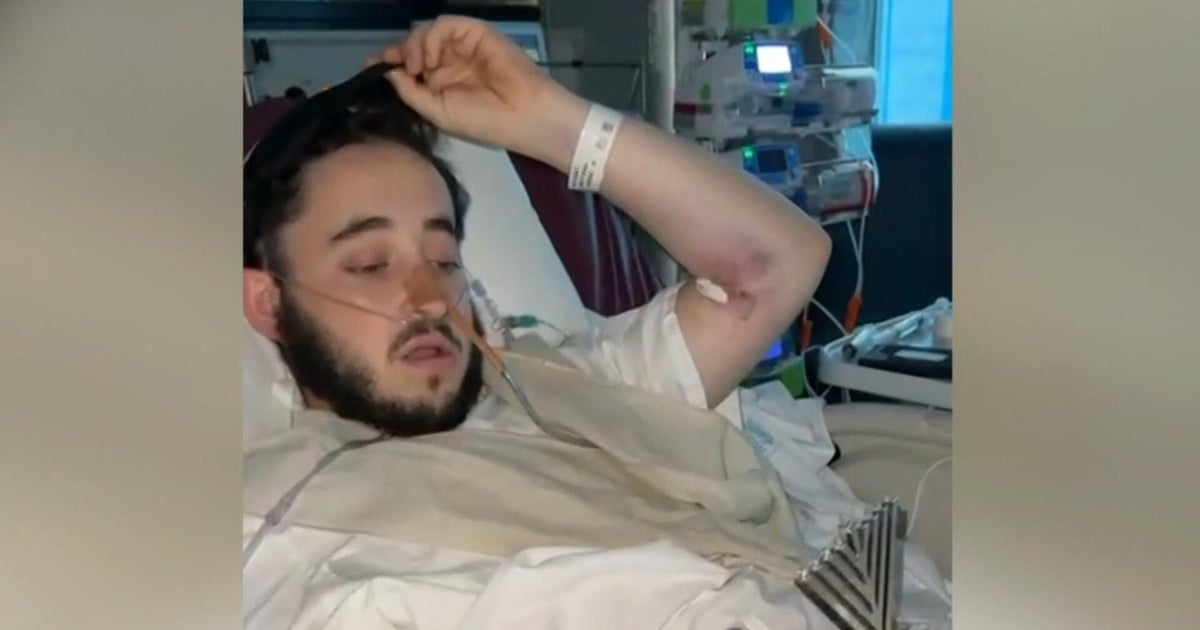
The recognition of Ahmed al-Ahmed, a hero who wrestled a firearm from one of the gunmen despite being shot twice, further illustrates the community's spirit. His platform became not just a celebration of individual courage, but a call for global unity, urging people to "stand with each other" and "save lives". The subsequent 25,000 blood donations and nearly 90,000 Lifeblood appointments across Australia represent a tangible manifestation of this solidarity.
Critically, the mourners' public criticism of leadership signals a turning point in confronting systemic prejudice. By demanding more proactive responses to rising antisemitism, the community is not just seeking justice, but actively reshaping the social dialogue around religious tolerance and community safety.
This tragedy, while devastating, has unveiled a profound human capacity to transform pain into purpose, hatred into hope, and individual suffering into collective strength.
Questions 3
What made the community's response to the Bondi Beach tragedy unique?
The response was characterized by extraordinary solidarity, with over 5 million dollars raised from 60 countries, 25,000 blood donations, and a powerful paddle-out memorial. Instead of responding with more hatred, the community chose messages of love, unity, and collective healing.
How did individual stories contribute to the broader narrative of resilience?
Stories like Ahmed al-Ahmed's heroism in wrestling a gunman and Matilda's family's message of 'happiness and love' transformed personal tragedy into a universal call for compassion and understanding, demonstrating how individual actions can reshape collective trauma.