



EU's Diplomatic High-Wire Act: Financing Ukraine Without Crossing Russia's Red Lines
- A Landmark Financial Maneuver Reveals the Delicate Balance of Supporting Ukraine While Avoiding Escalation




















Overview
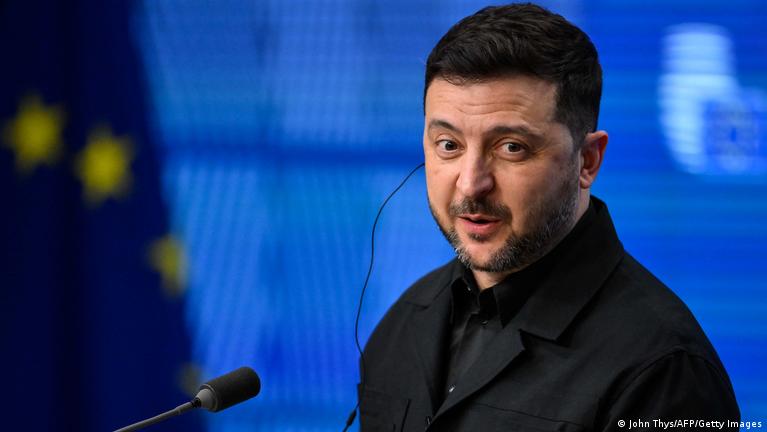
The European Union has engineered a complex financial solution that epitomizes modern geopolitical diplomacy: providing critical support to Ukraine while meticulously avoiding direct confrontation with Russia. At the heart of this intricate negotiation lies a €90 billion loan that represents far more than a simple monetary transaction—it's a strategic chess move in the ongoing conflict.
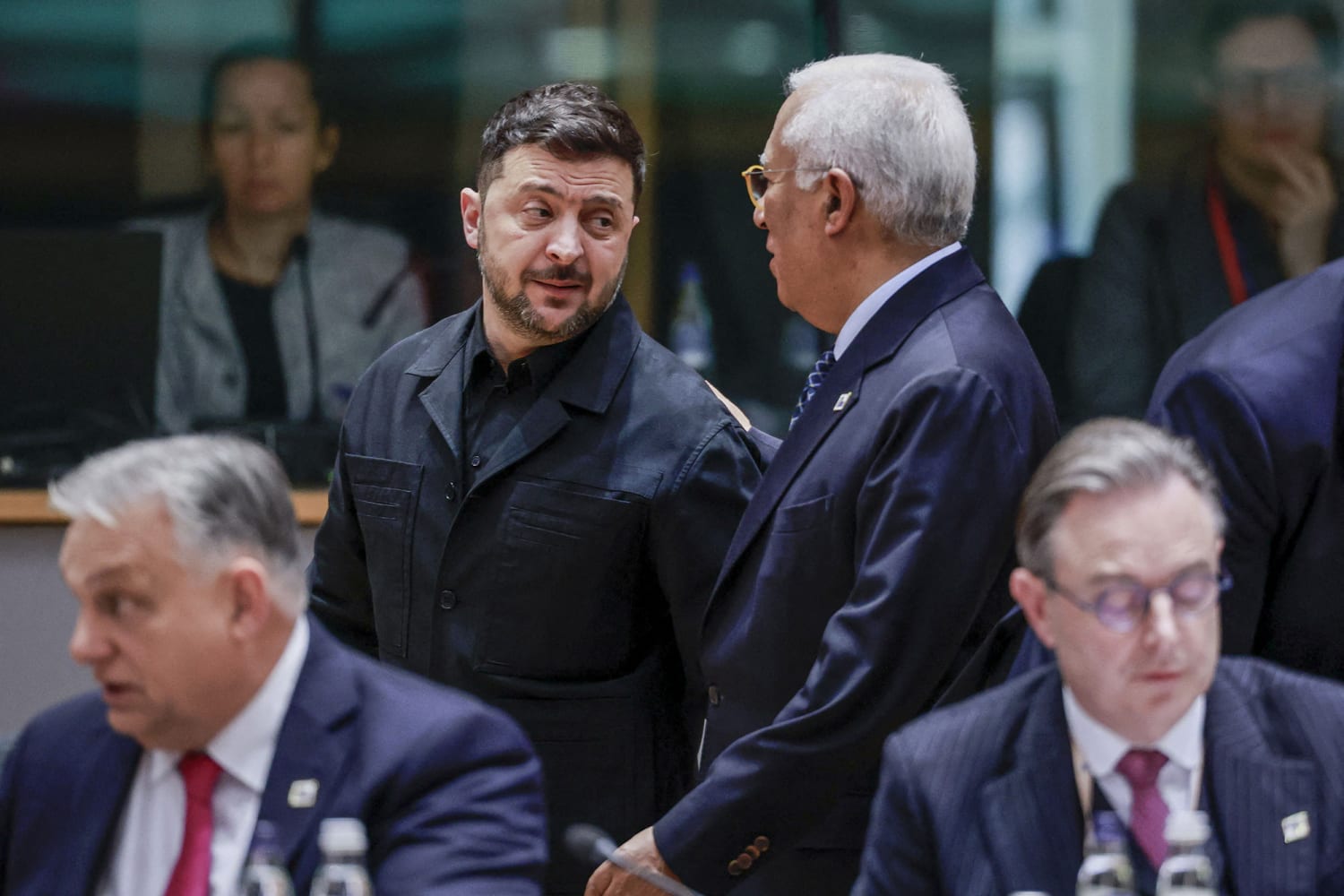
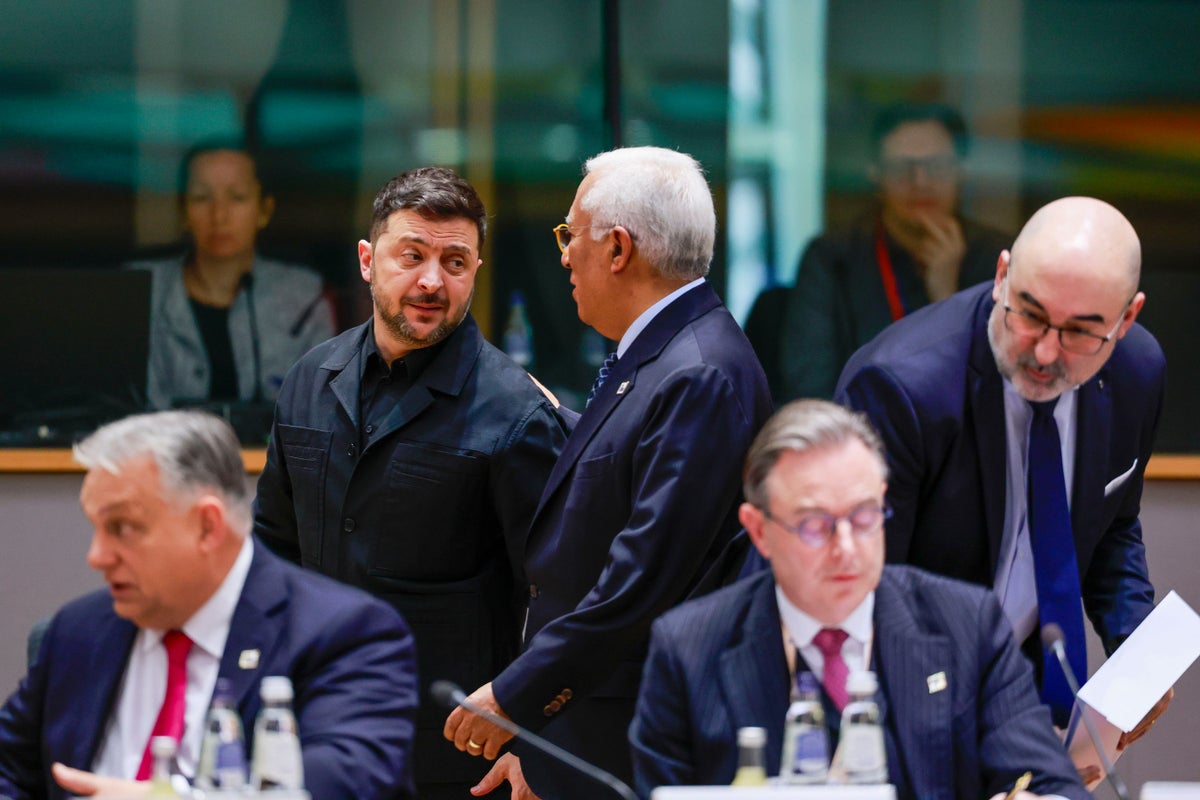
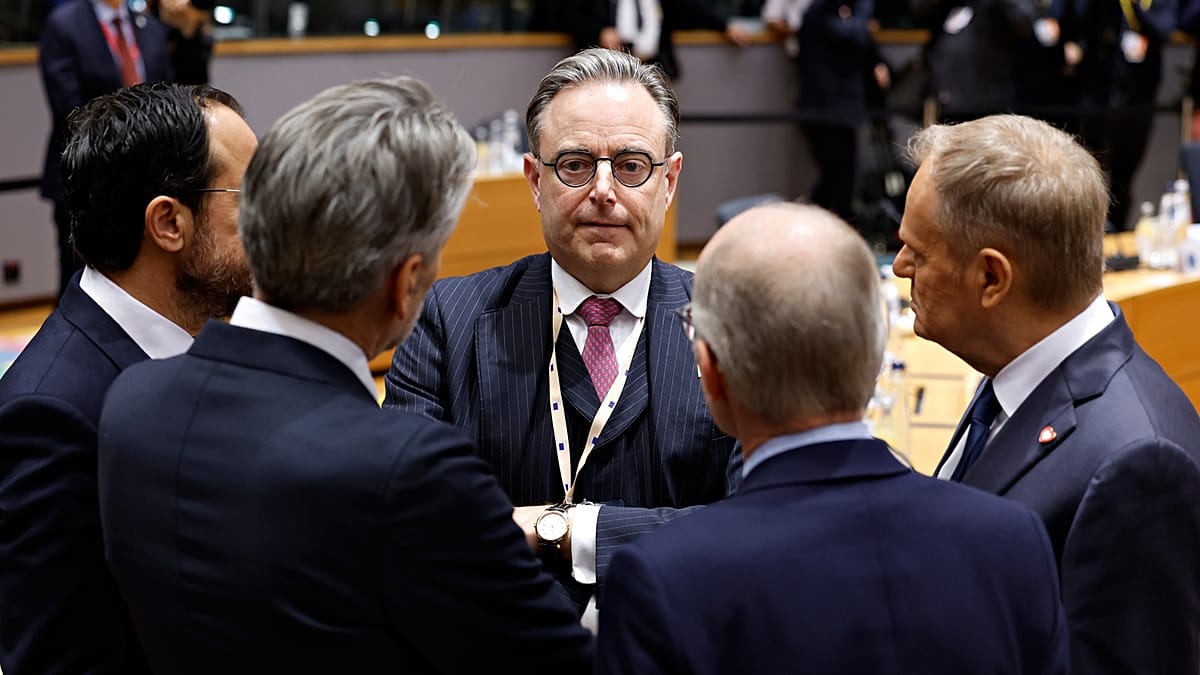
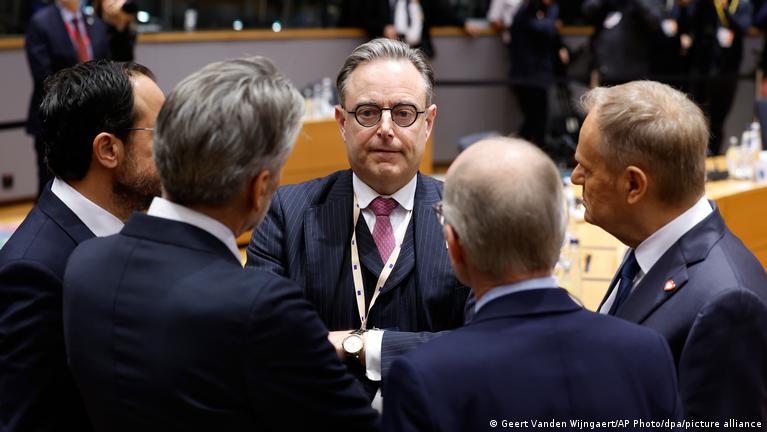
The breakthrough emerged after intense deliberations that exposed the EU's internal tensions and external constraints. Belgium's resistance became a pivotal moment, symbolizing the broader hesitation around using frozen Russian assets. By ultimately choosing to borrow through the EU budget rather than directly seizing Russian reserves, European leaders demonstrated a nuanced approach to financial warfare.
The loan's structure reveals sophisticated risk management. German Chancellor Friedrich Merz's condition that Ukraine would only repay if Russia pays war reparations creates a clever financial mechanism that maintains legal and diplomatic flexibility. This approach allows the EU to support Ukraine while preserving a potential future claim on Russian assets—a strategy that balances immediate needs with long-term strategic positioning.
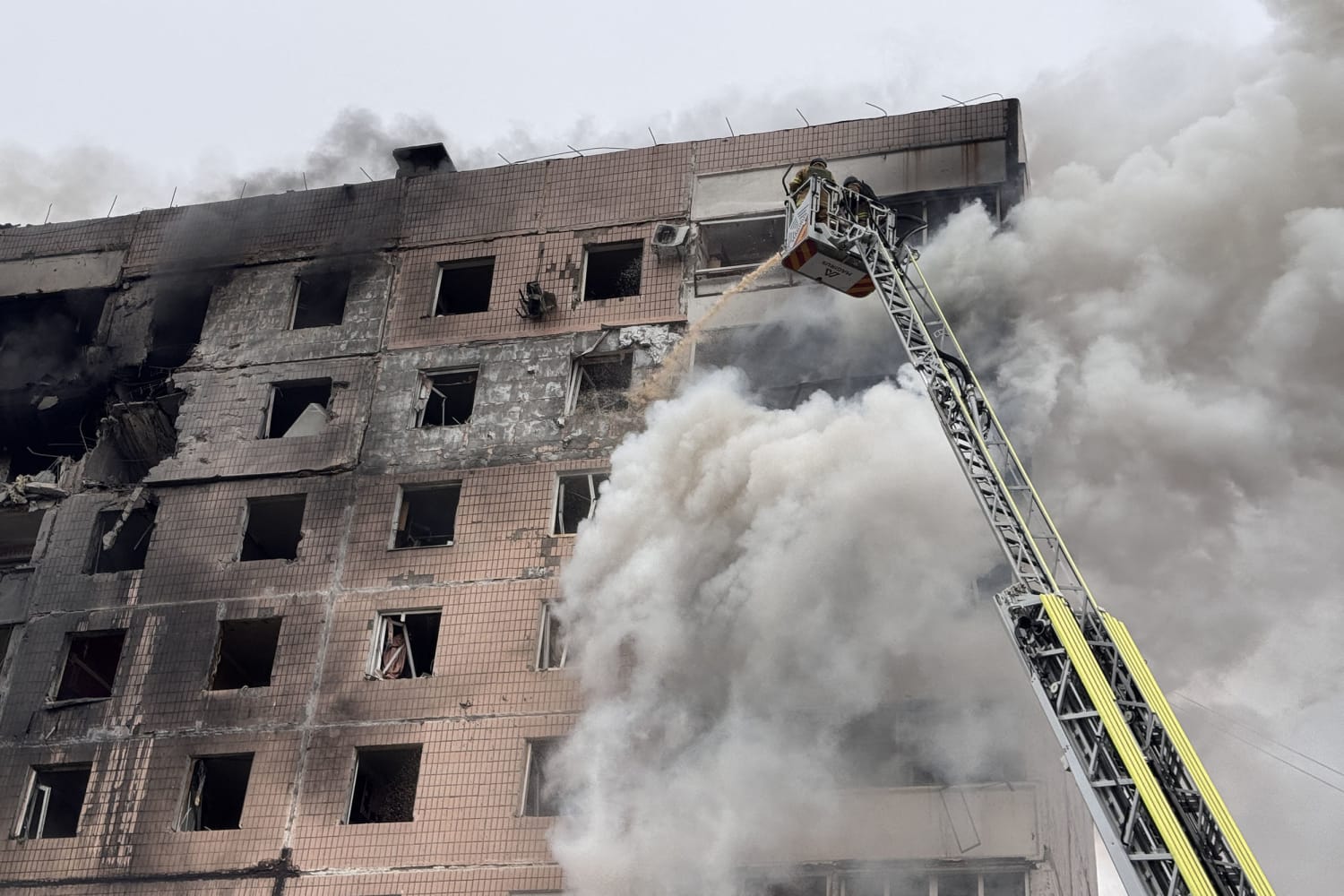
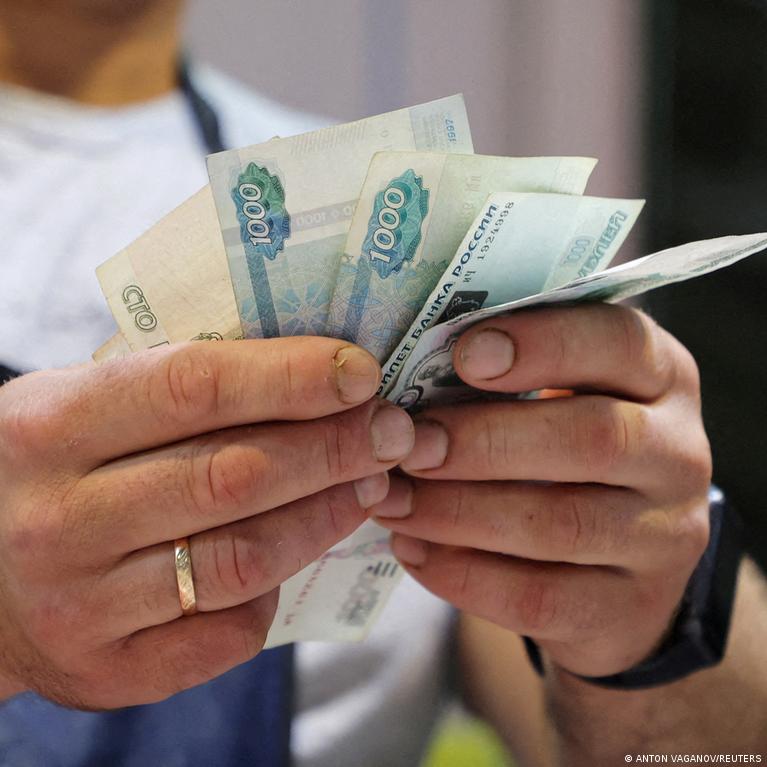
Critically, the €524 billion total reconstruction cost for Ukraine underscores the massive economic challenge ahead. The EU's current €90 billion represents approximately 17% of the total estimated reconstruction needs, highlighting the ongoing commitment required to support Ukraine's resilience. The time-sensitive nature of this funding—with Ukraine potentially running out of money by April 2025—adds urgency to the diplomatic negotiations.
The most significant subtext is the emerging blueprint for handling state assets in conflict scenarios. By creating a loan mechanism that doesn't directly appropriate Russian reserves but leaves future options open, the EU is establishing a potential precedent for international financial diplomacy. This approach demonstrates how economic tools can be wielded with surgical precision, avoiding direct confrontation while maintaining strategic pressure.
Questions 4
What are the long-term implications of this financial approach?
This approach sets a potential precedent for handling state assets in conflict scenarios, demonstrating how economic tools can apply strategic pressure without direct confrontation. It shows how financial diplomacy can be used as a nuanced instrument of international relations.
How does this loan impact the broader reconstruction efforts for Ukraine?
The loan covers a significant portion of Ukraine's estimated €524 billion reconstruction needs, providing approximately one-sixth of the total required funds. It offers a crucial financial lifeline that supports Ukraine's military and economic resilience during the ongoing conflict.