

EU's Mercosur Trade Deal Hangs in the Balance Between Diplomatic Ambition and Domestic Resistance
- A high-stakes negotiation revealing the complex tensions between trade expansion and national protectionism for cross-border sellers






























Overview
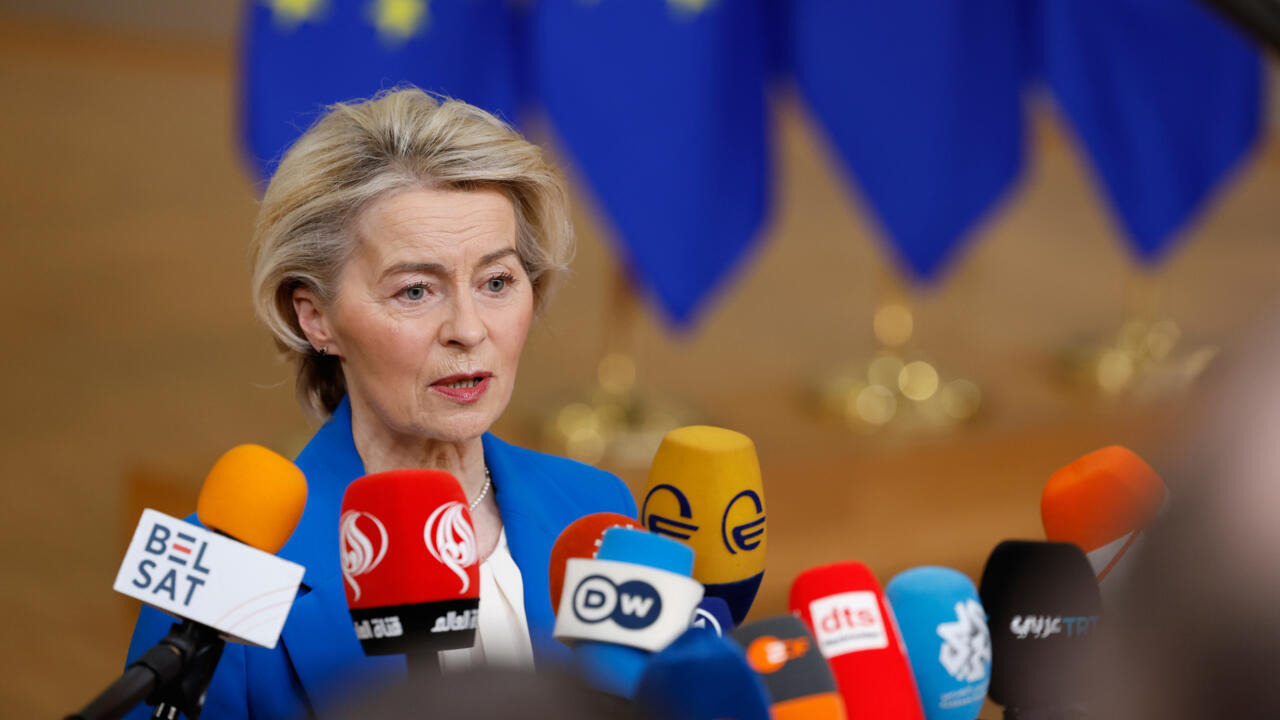
The Mercosur trade deal represents a pivotal moment in international economic diplomacy, where geopolitical ambition collides with domestic political resistance. At the heart of this complex negotiation is European Commission President Ursula von der Leyen, who is pushing for a landmark agreement that would create one of the world's largest free-trade areas, spanning 780 million people and representing a quarter of global GDP.
The deal's strategic significance cannot be overstated. By establishing a comprehensive trade framework between the European Union and South American Mercosur nations (Brazil, Argentina, Uruguay, and Paraguay), the agreement promises to reduce trade barriers, simplify cross-border commerce, and create substantial market opportunities. However, the path to ratification is fraught with challenges that reveal deeper structural tensions in international trade.
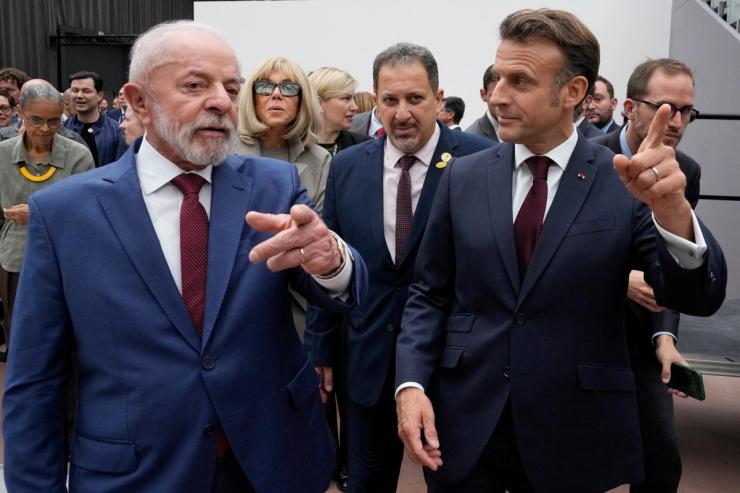
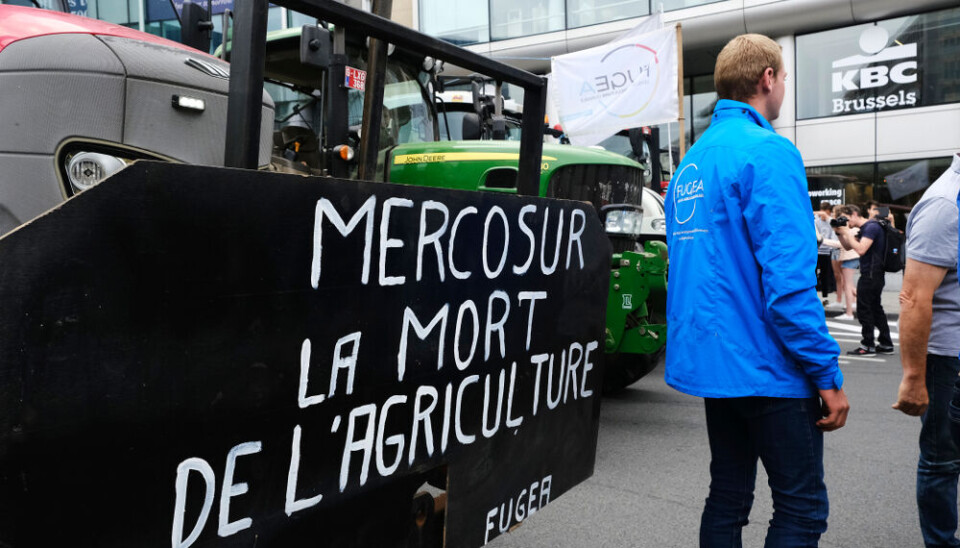
Political fragmentation emerges as the primary obstacle. France and Italy have explicitly rejected the current agreement, with French President Emmanuel Macron coordinating a bloc of countries including Poland, Belgium, Austria, and Ireland to potentially block the pact. This resistance is not merely bureaucratic—it reflects profound concerns about agricultural competition, environmental standards, and domestic economic protection.
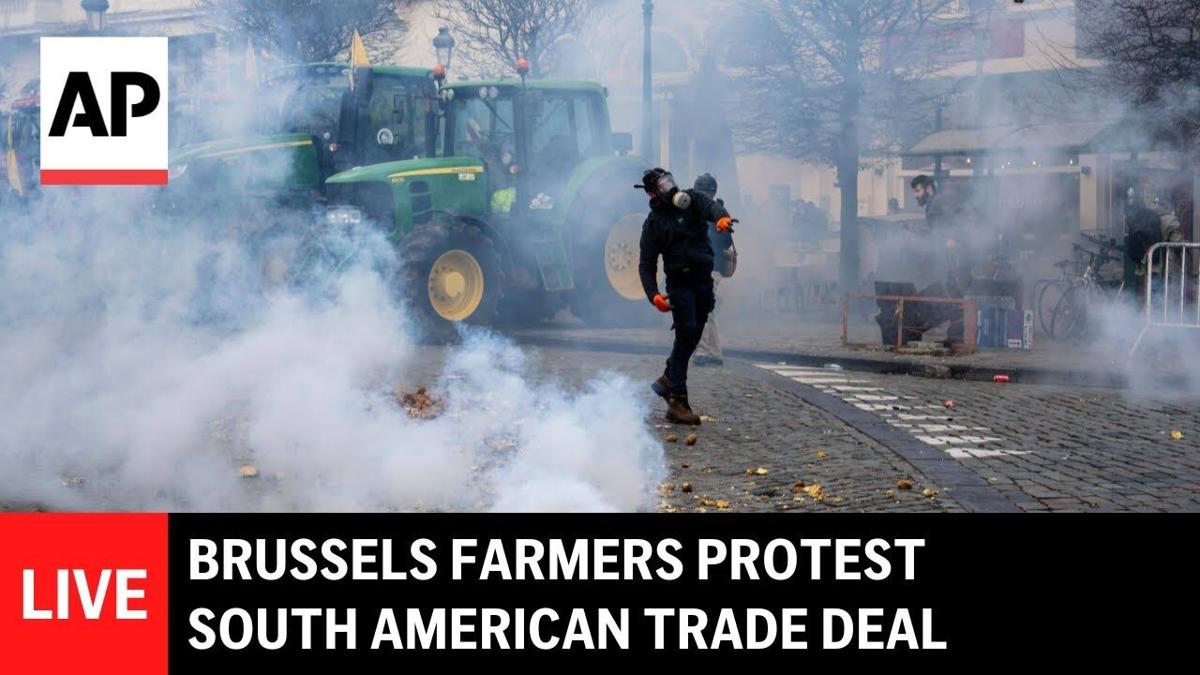
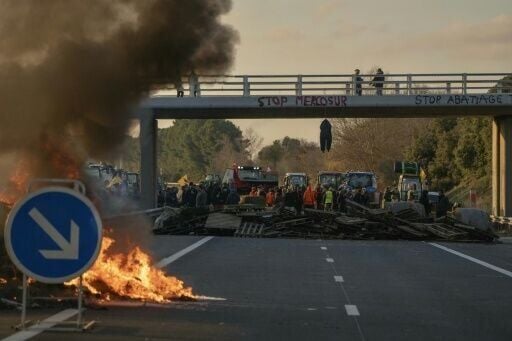
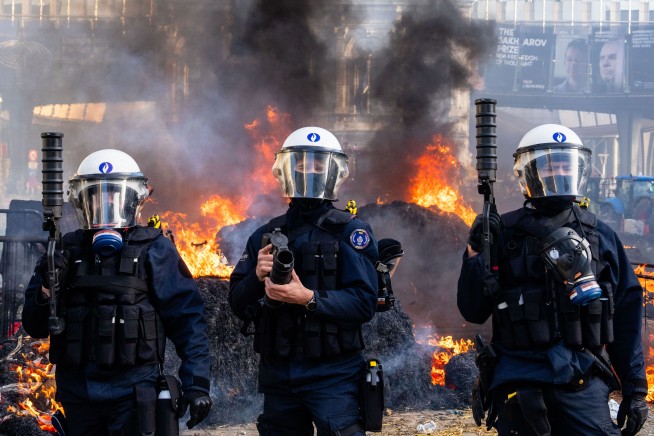
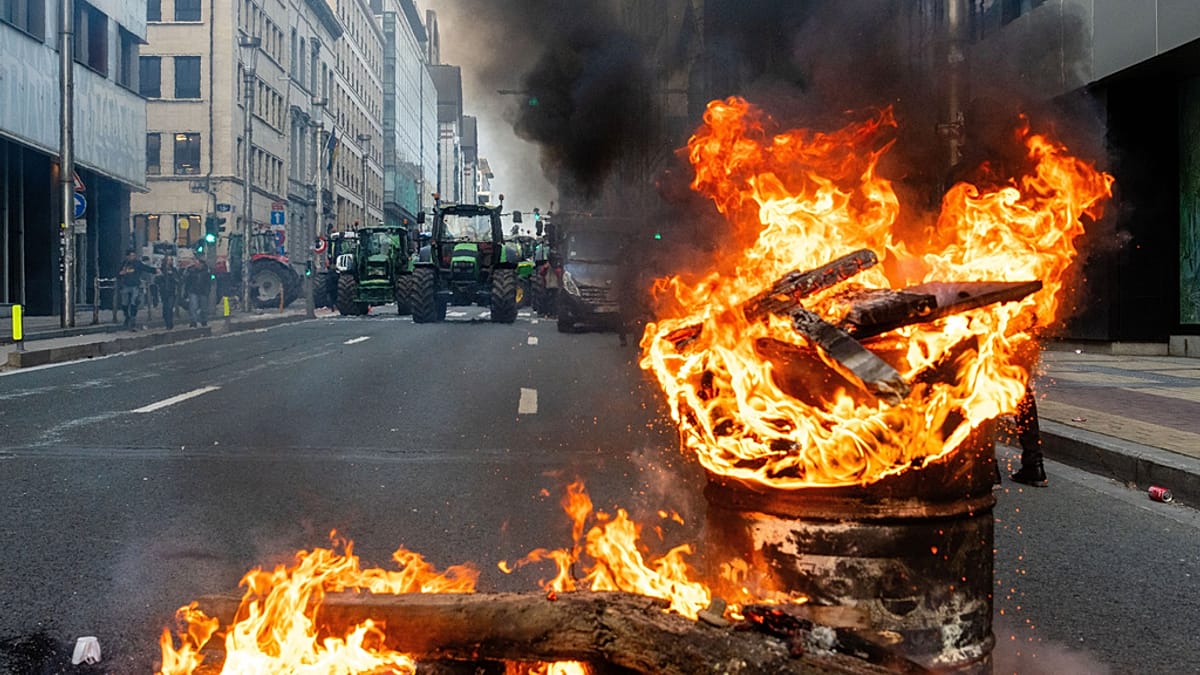
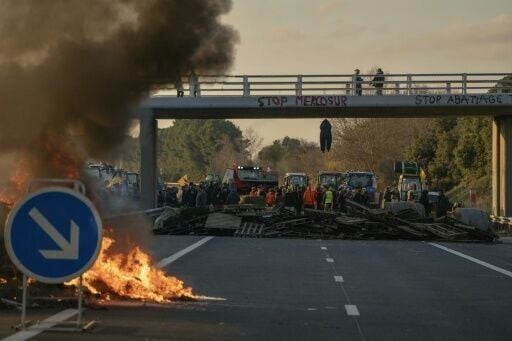
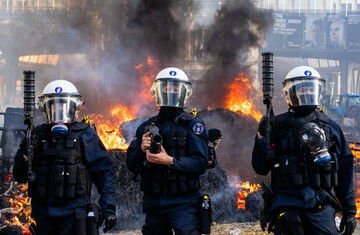
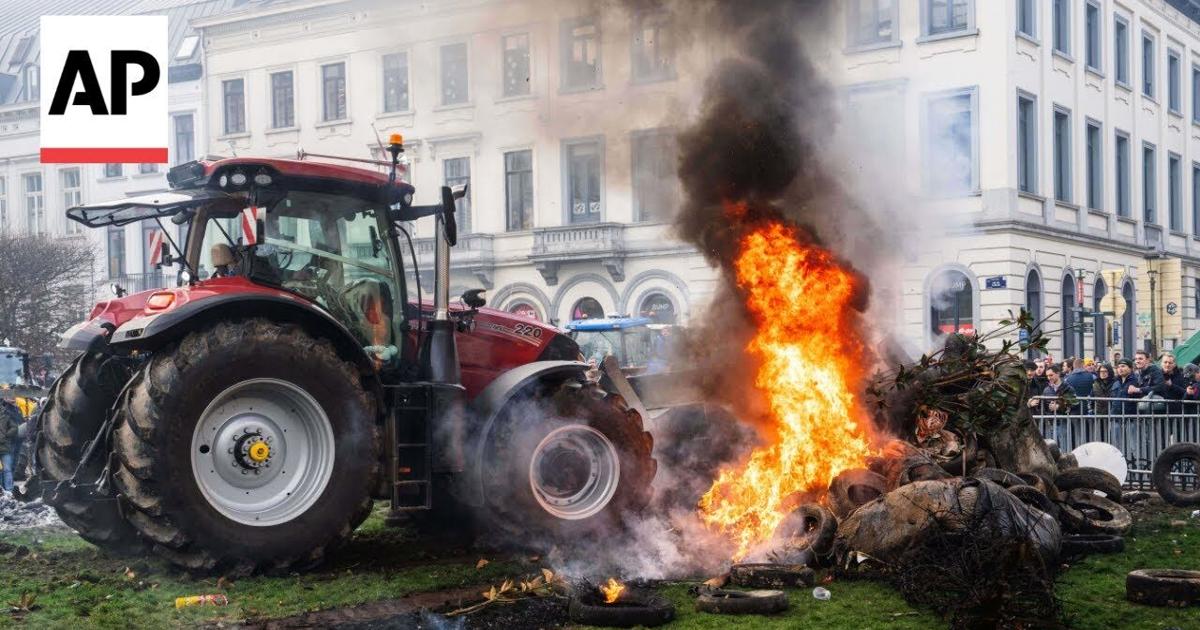
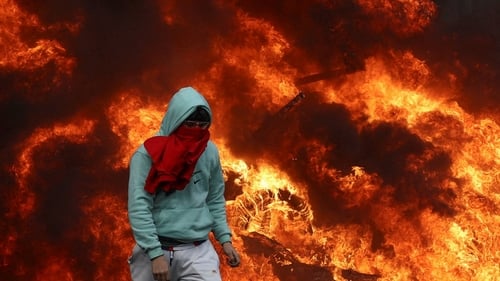
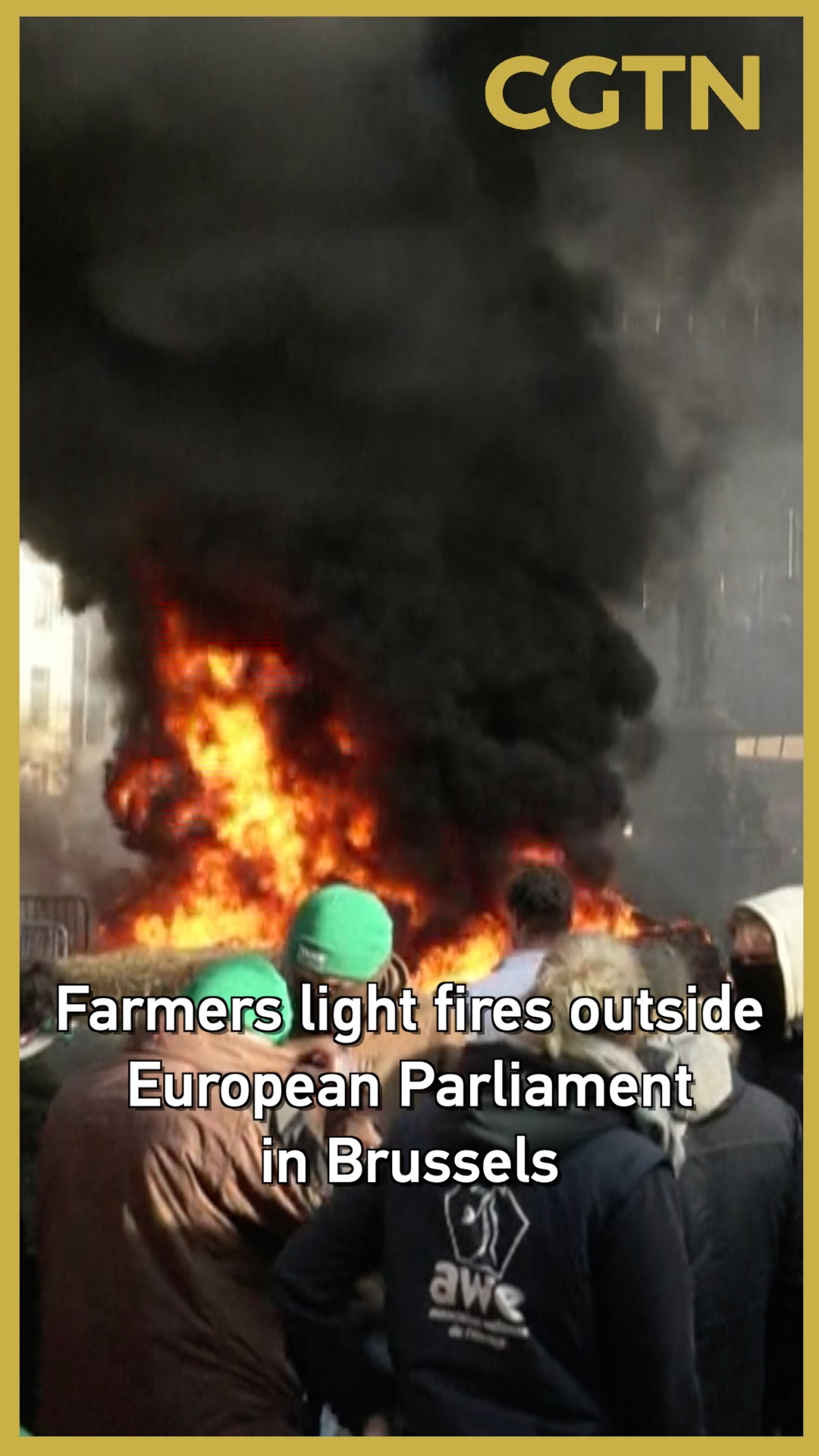
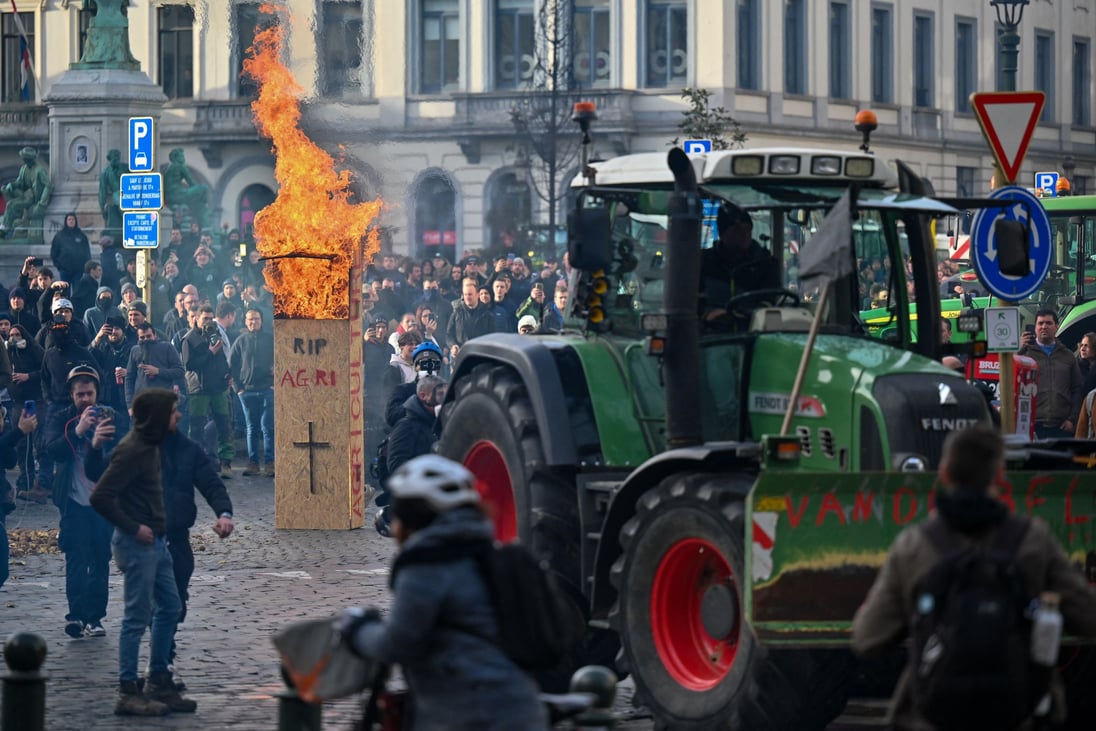
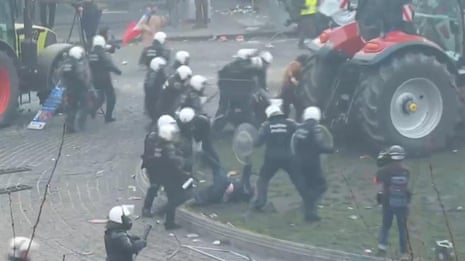
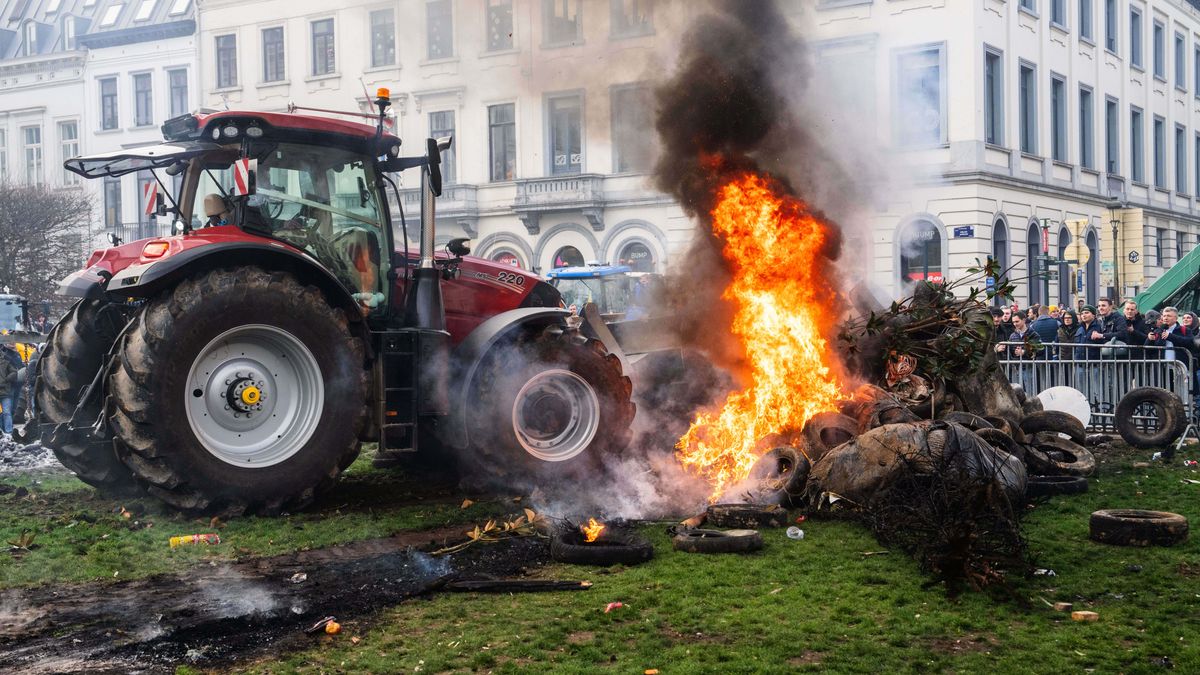
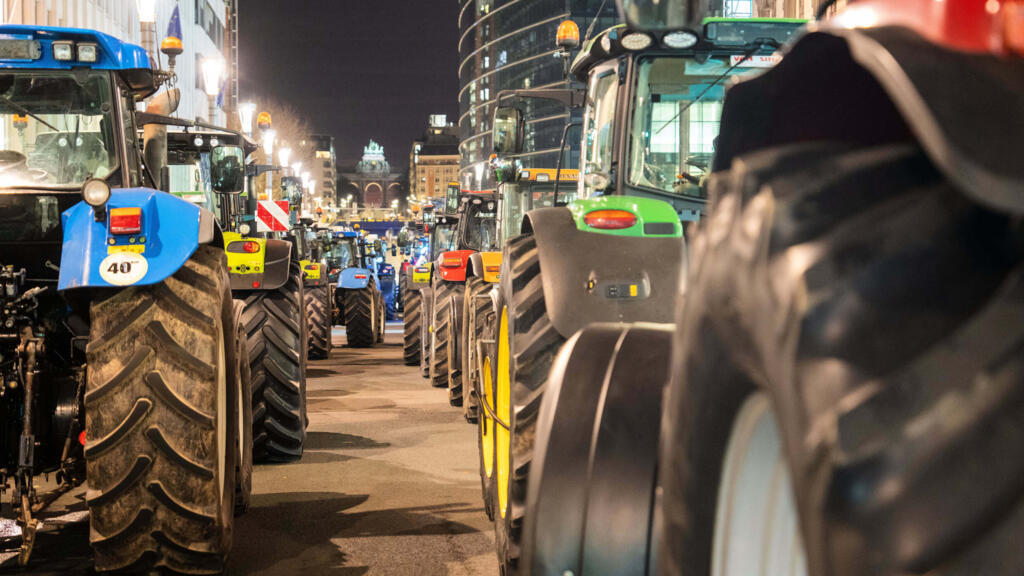
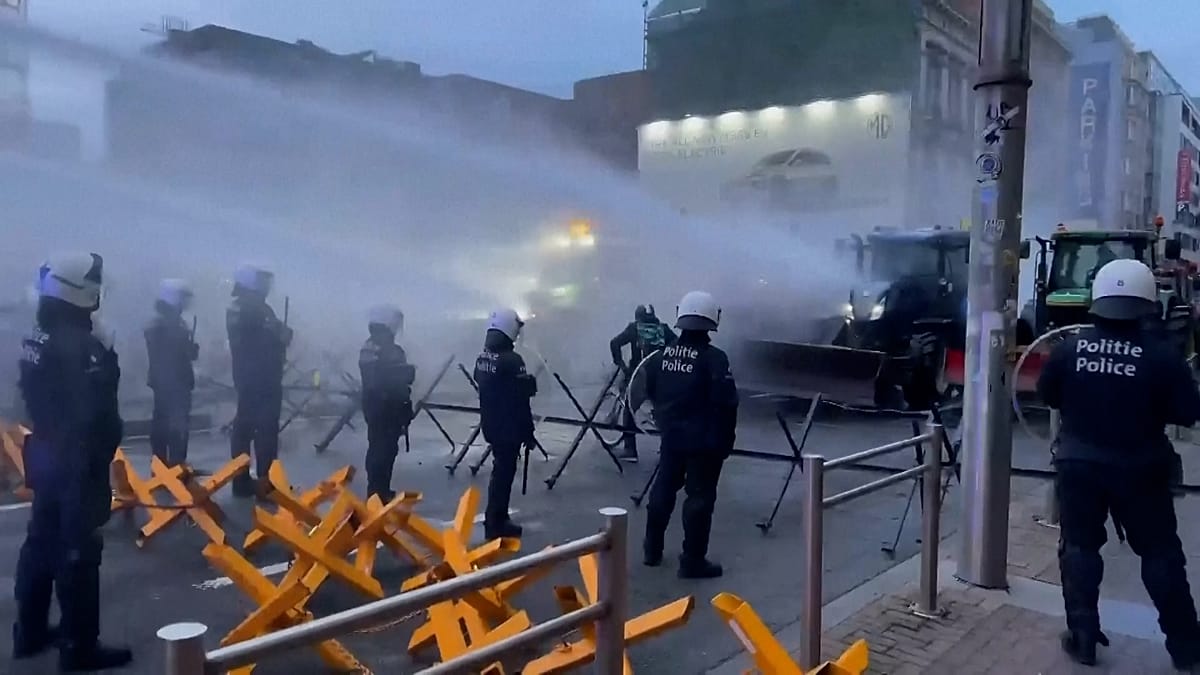
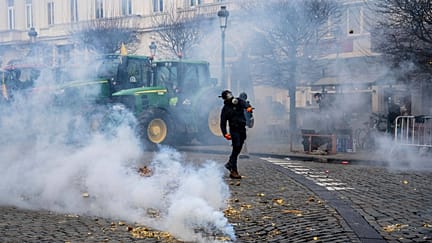
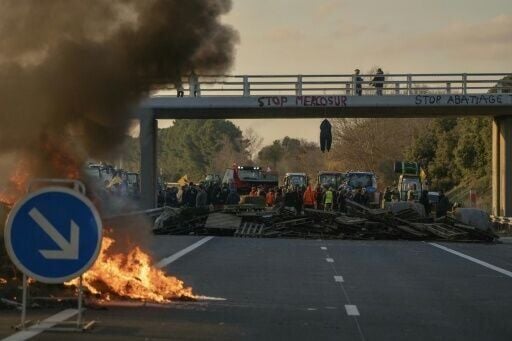
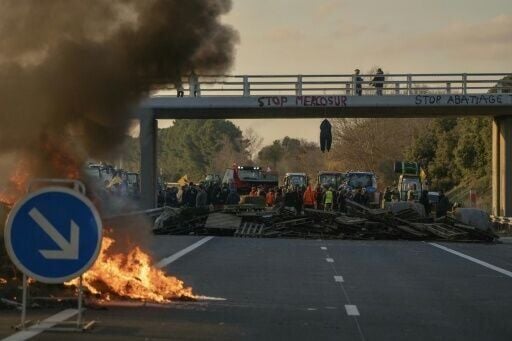
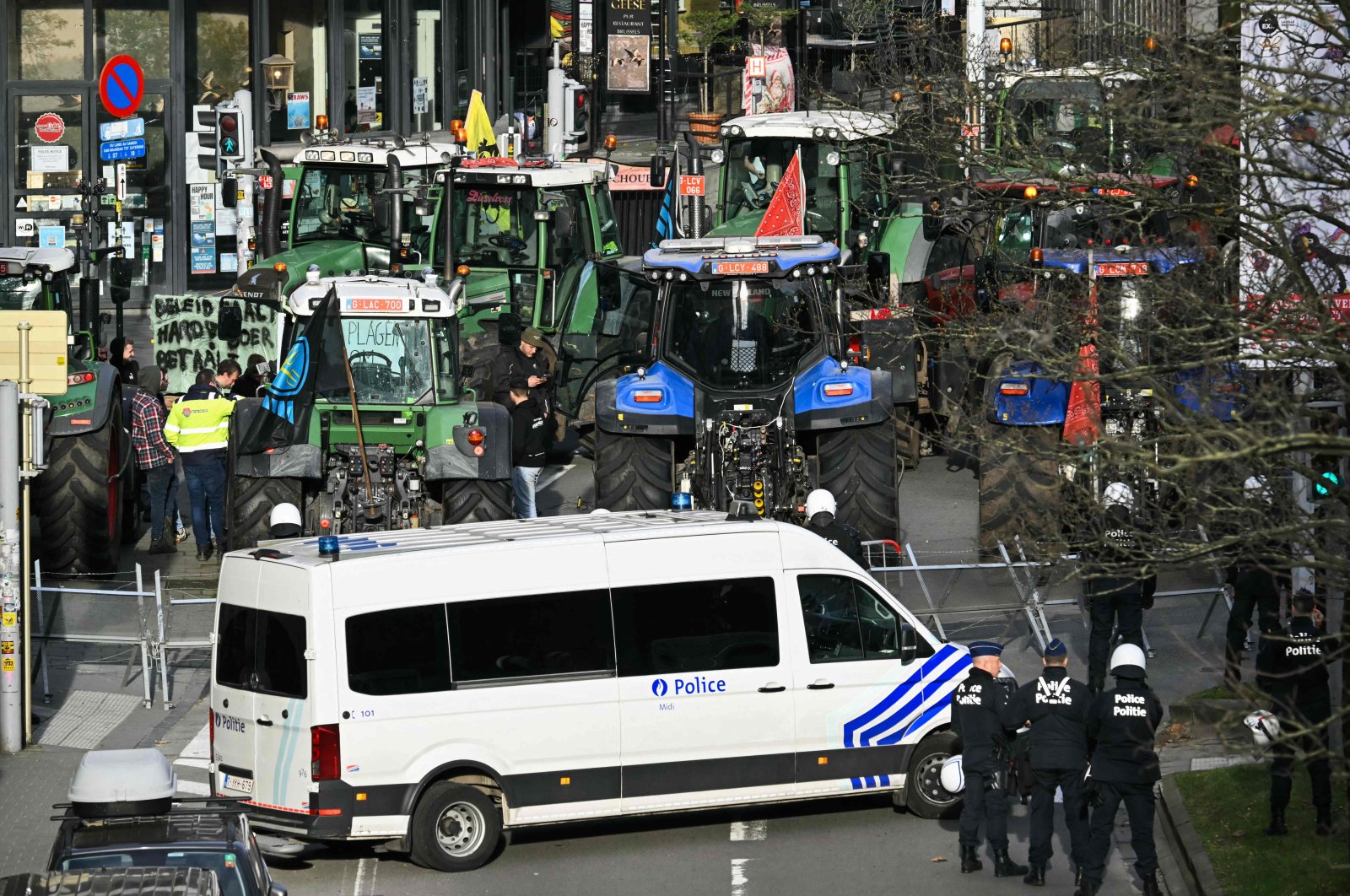
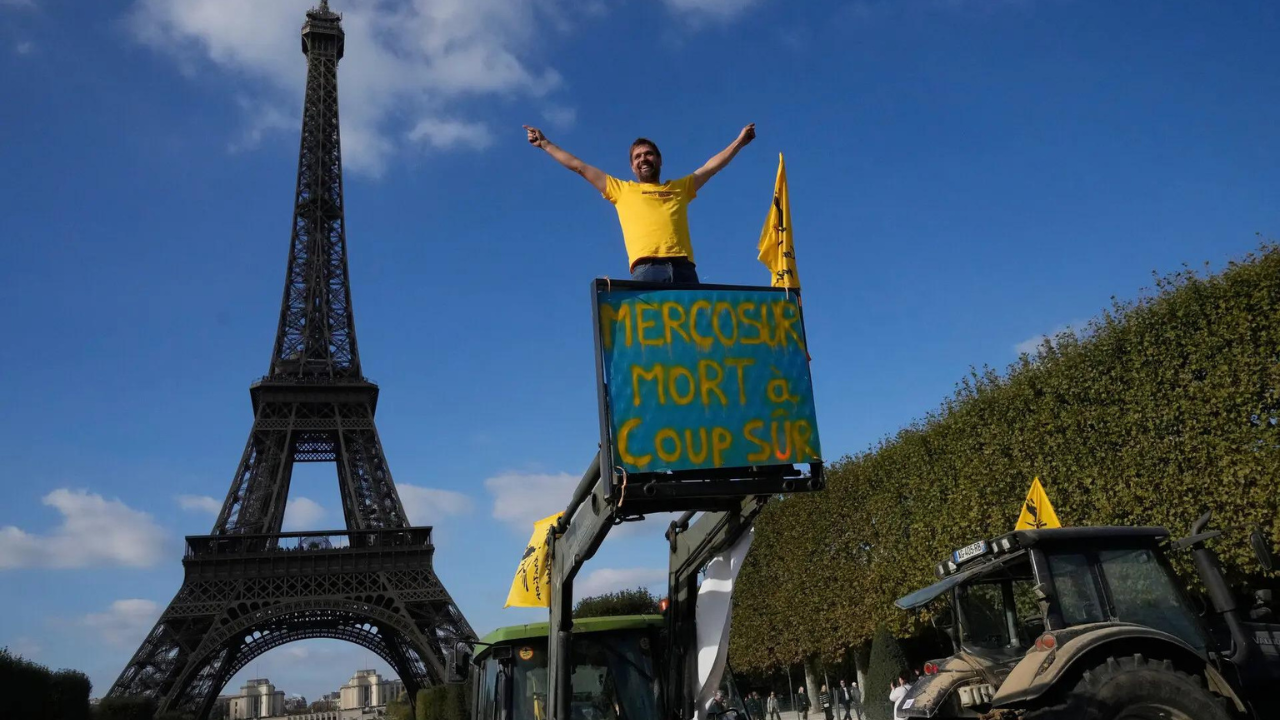
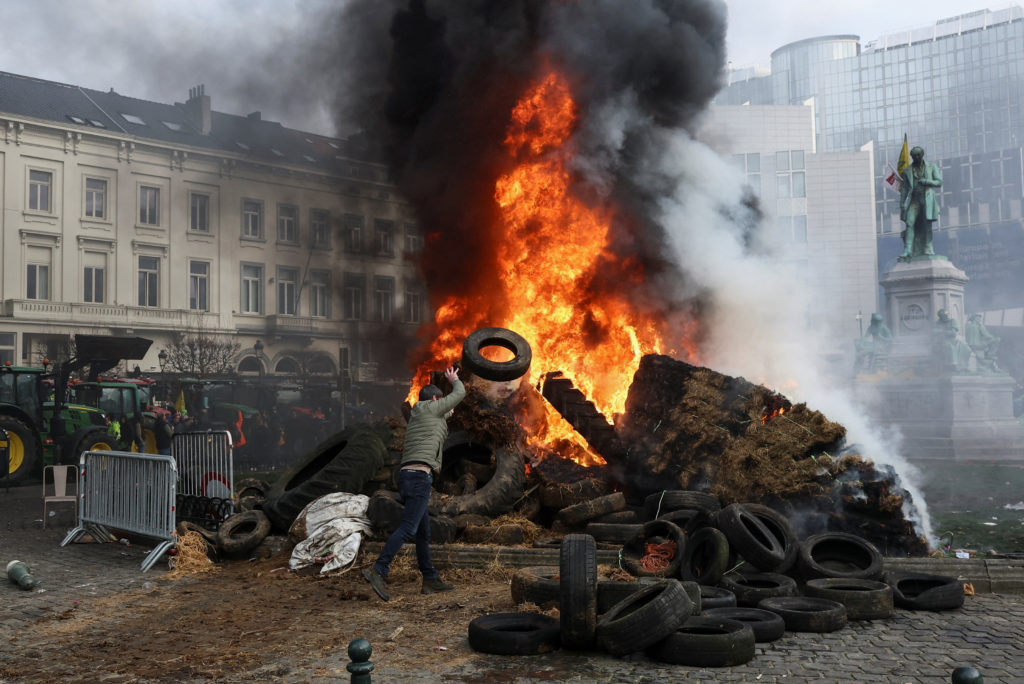
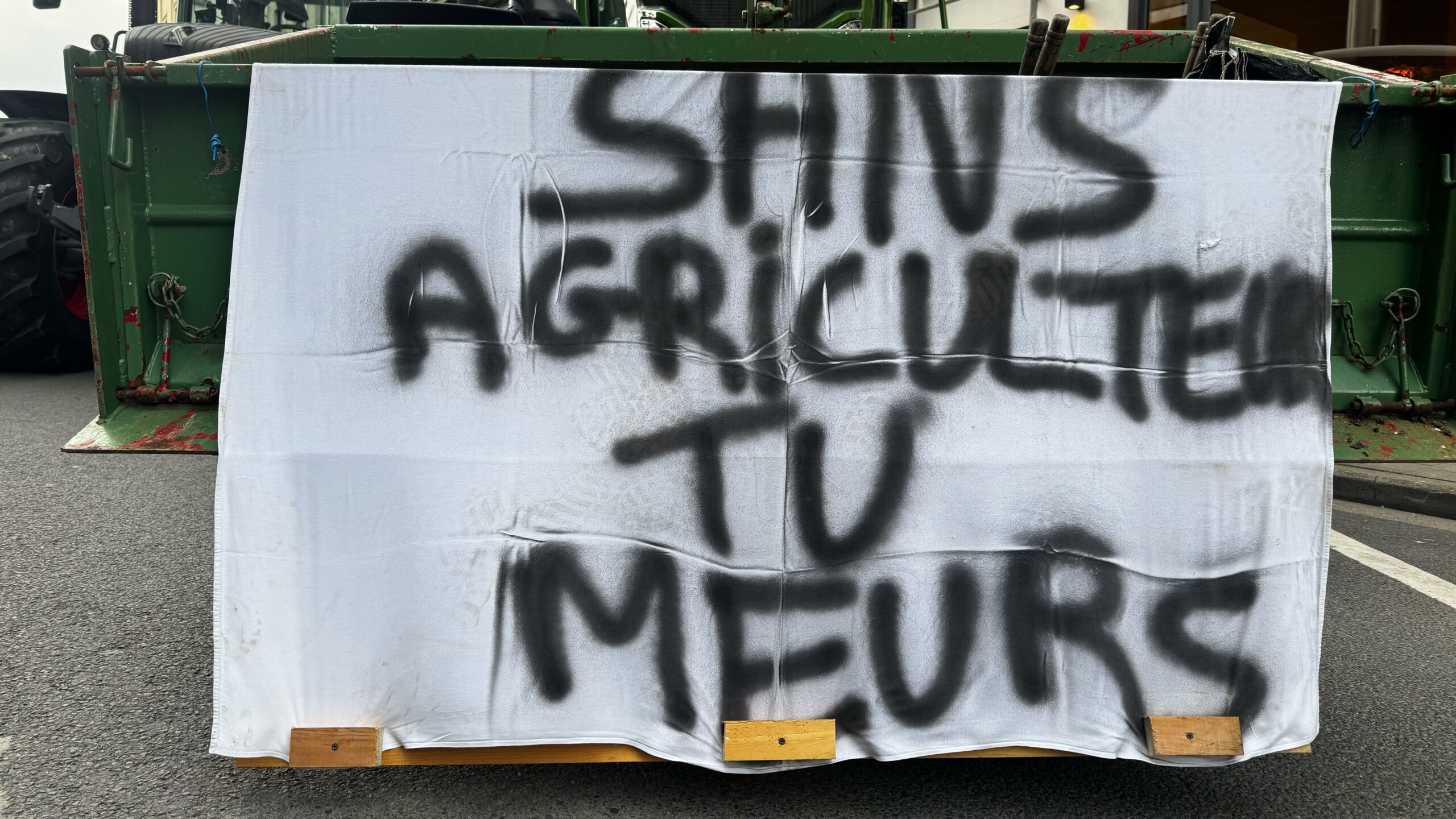
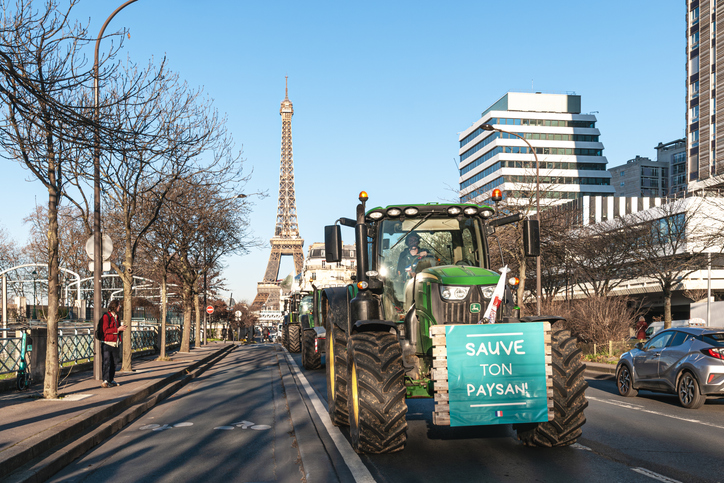
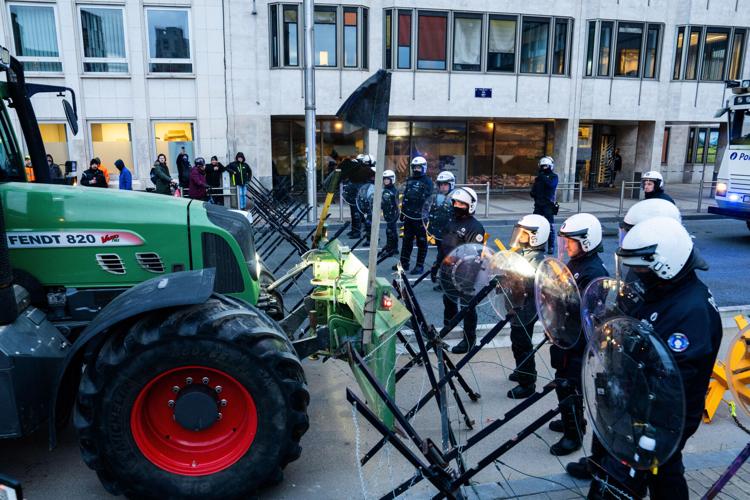
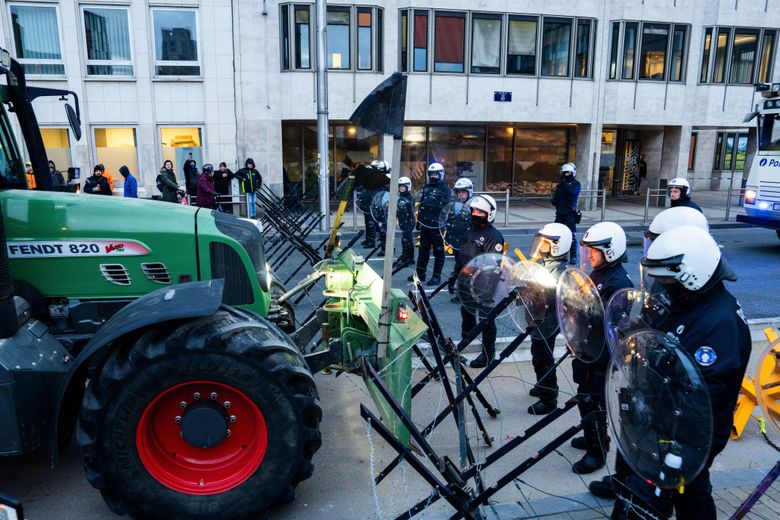
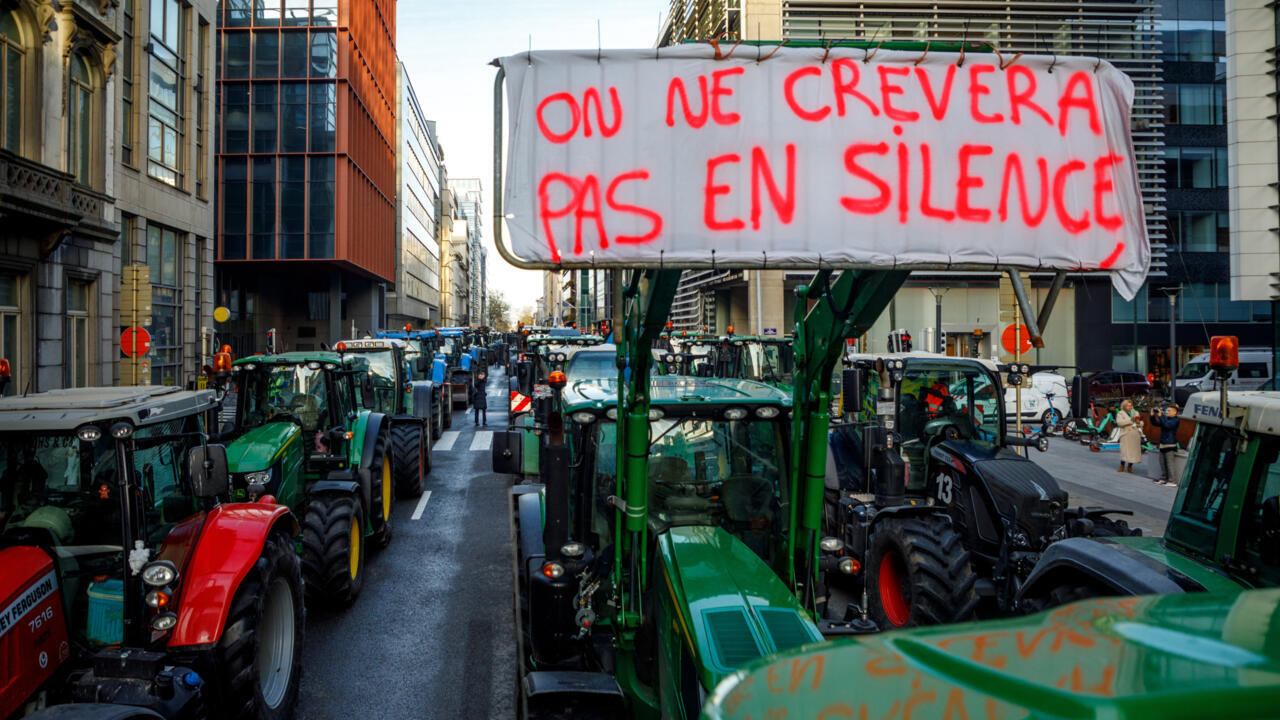
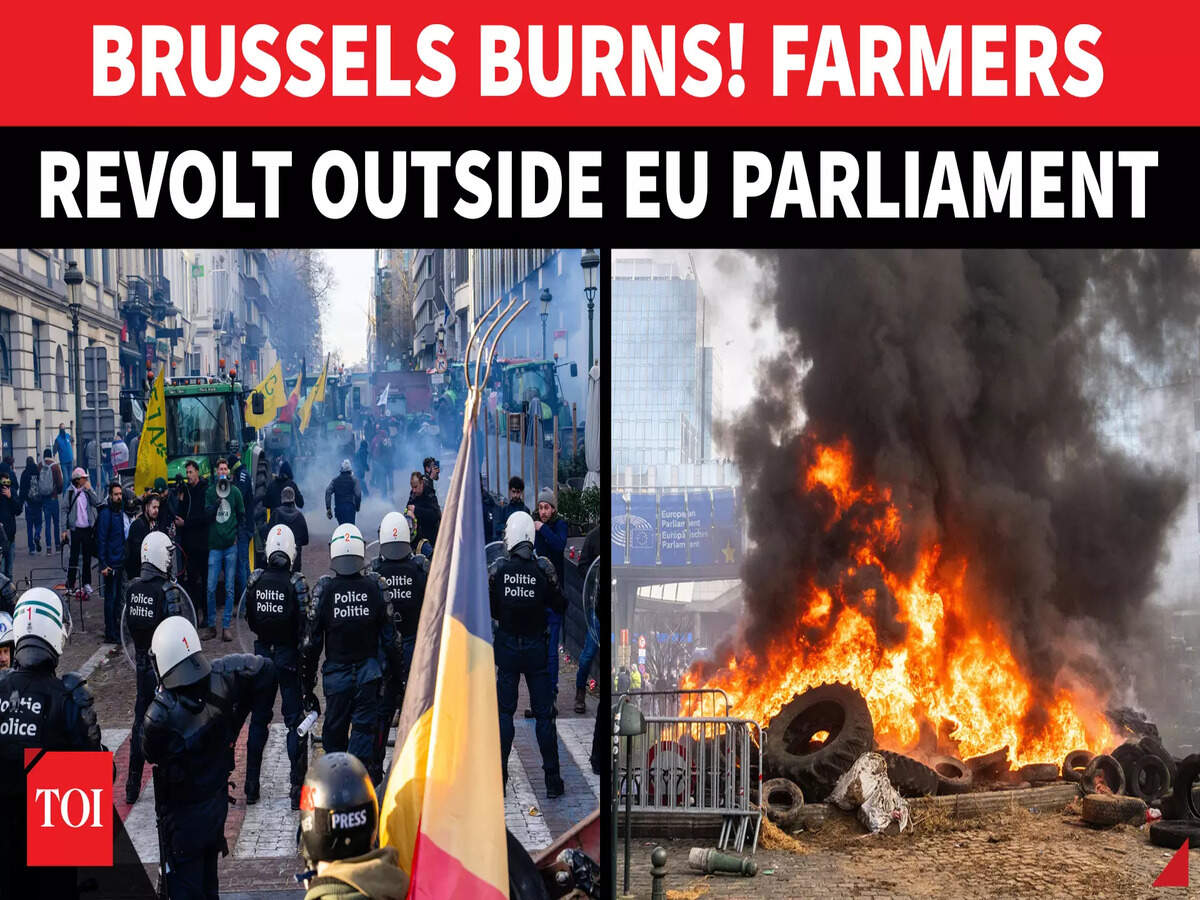
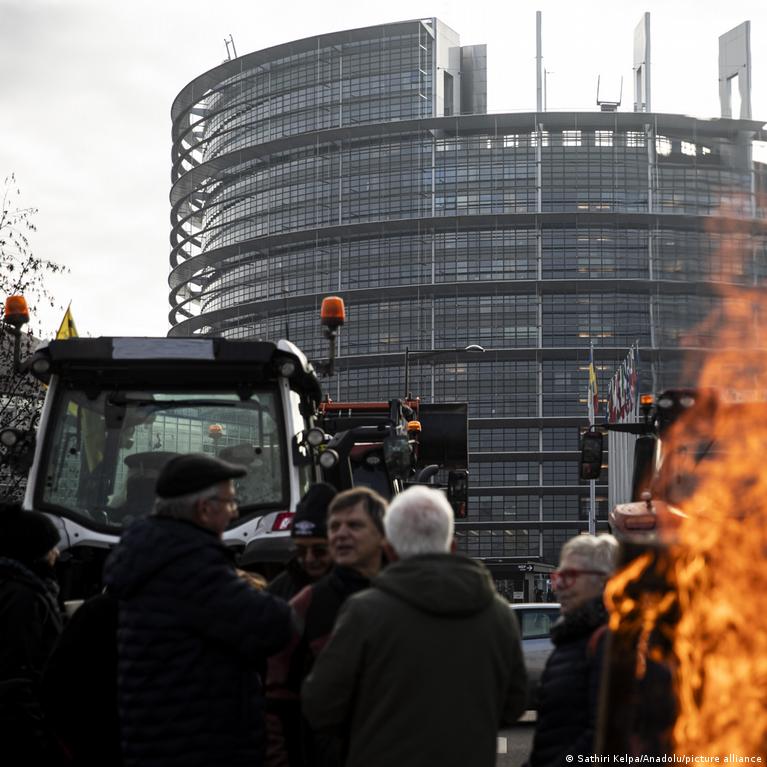
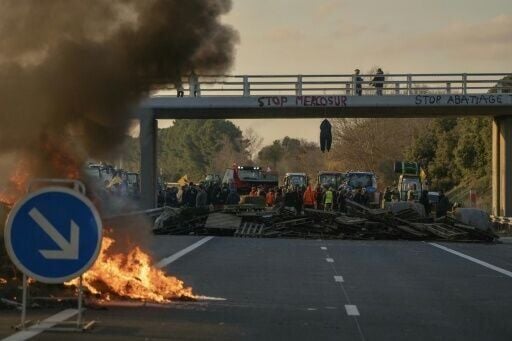
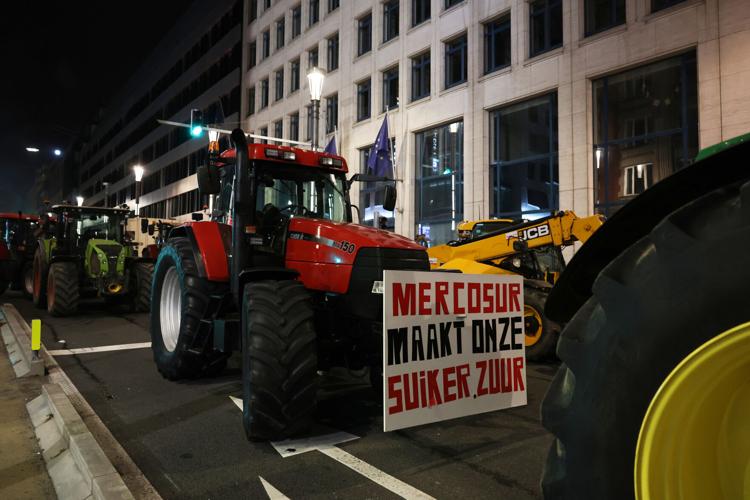
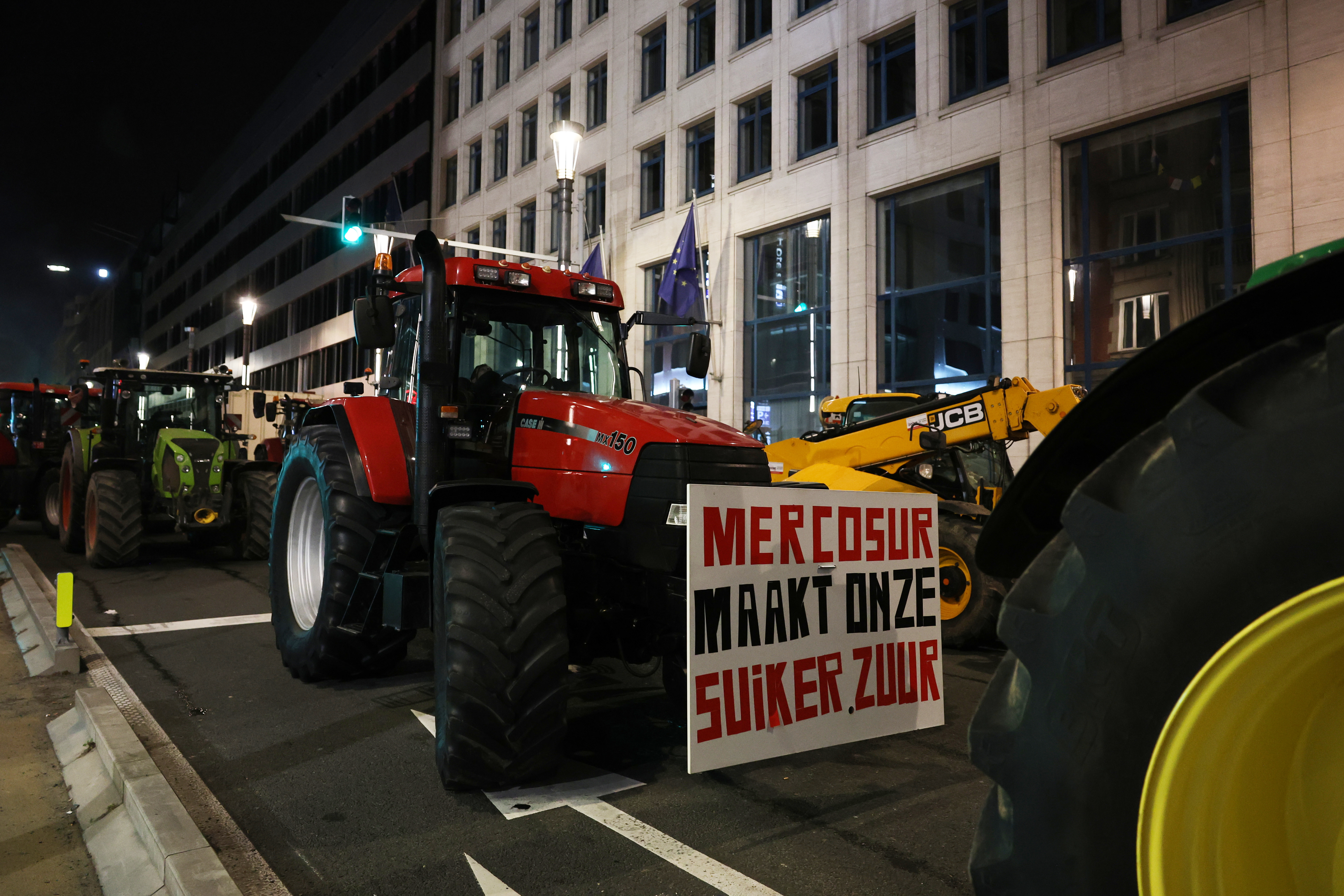
The farmer protests in Brussels dramatically illustrate these tensions. On December 18, 2025, approximately 10,000 protesters with 150 tractors blockaded the city, symbolizing deep anxieties about potential imports of beef, sugar, rice, honey, and soya beans from Brazil. These agricultural producers argue that South American products face less stringent regulations, particularly regarding pesticide use, which could undermine European farming livelihoods.
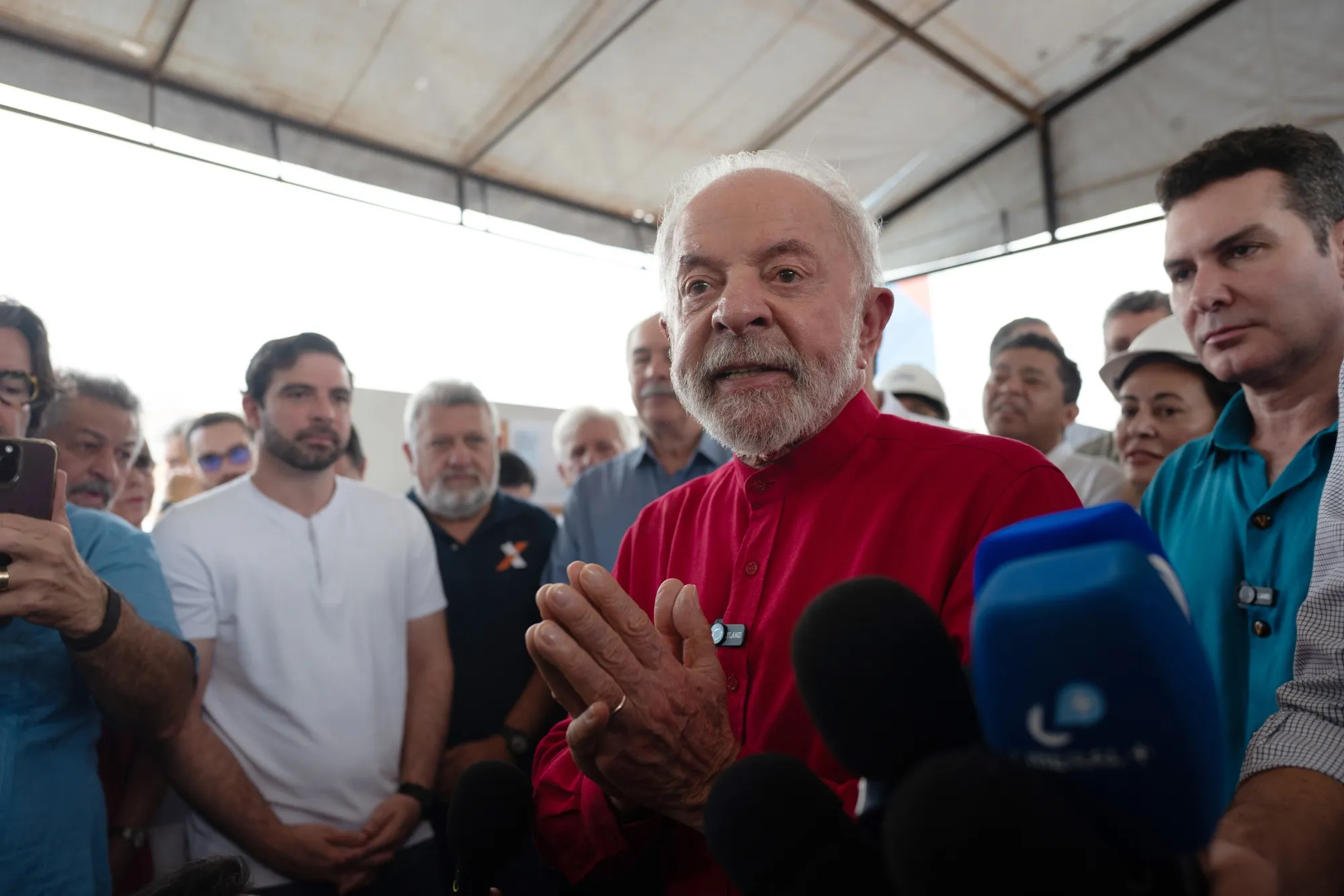
Simultaneously, the deal's supporters argue it offers a strategic counterweight to China, potentially boosting European exports of vehicles, machinery, and wines. Brazilian President Luiz Inacio Lula da Silva has issued an ultimatum, warning that the current moment represents a "now or never" opportunity for the agreement.
Von der Leyen requires backing from at least two-thirds of EU nations, making the current diplomatic maneuvering crucial. The ultimate approval will demand nuanced negotiations that balance economic opportunities with domestic protectionist concerns.
Questions 3
How might this trade deal impact cross-border e-commerce sellers?
If approved, the Mercosur deal could create substantial new market opportunities by reducing trade barriers, simplifying customs procedures, and establishing comprehensive trade frameworks between European and South American markets. Sellers should closely monitor negotiations, as the final terms could significantly impact cross-border commerce strategies.
What strategic significance does this trade deal hold beyond economic exchange?
The Mercosur agreement represents more than an economic partnership—it's a potential geopolitical counterweight to China's global influence. By creating one of the world's largest free-trade areas, the EU aims to establish deeper economic connections and strategic alignment with South American nations.