



AI Infrastructure Investments Hit Reality Check: From Hype to Rational Strategy
- Market Signals a Strategic Pivot in Technology Investment Landscape for Tech Giants and Emerging Players









































Overview
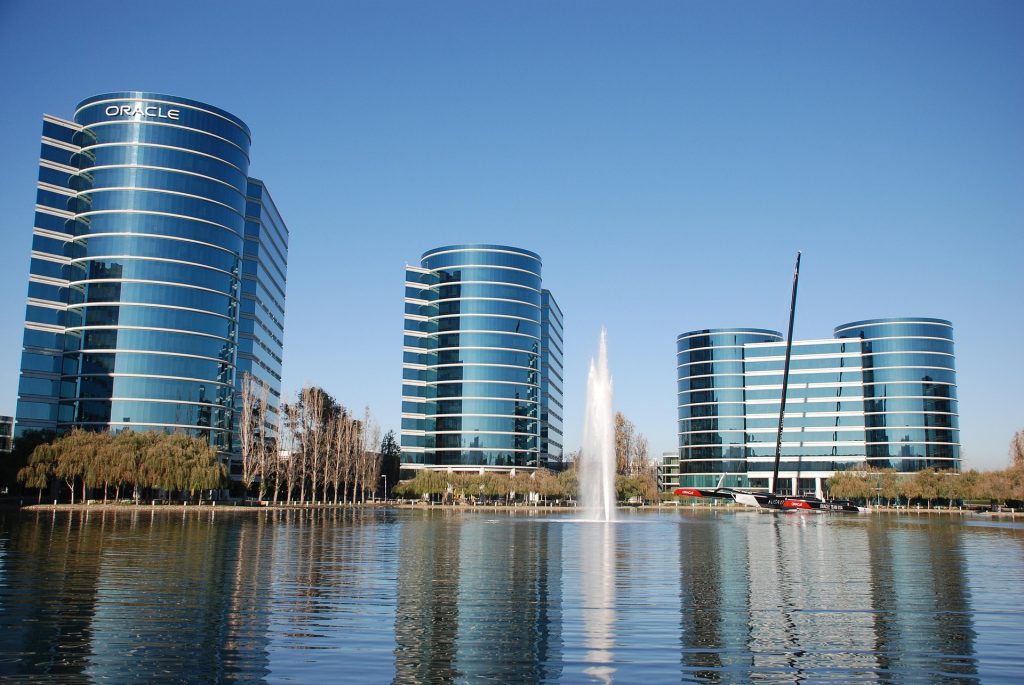
The artificial intelligence investment ecosystem is experiencing a critical inflection point, transitioning from unbridled enthusiasm to a more measured, strategic approach. Oracle's recent AI infrastructure investments have become a bellwether for this emerging trend, revealing the complex dynamics of emerging technology investments where infrastructure development does not automatically translate to immediate financial returns.
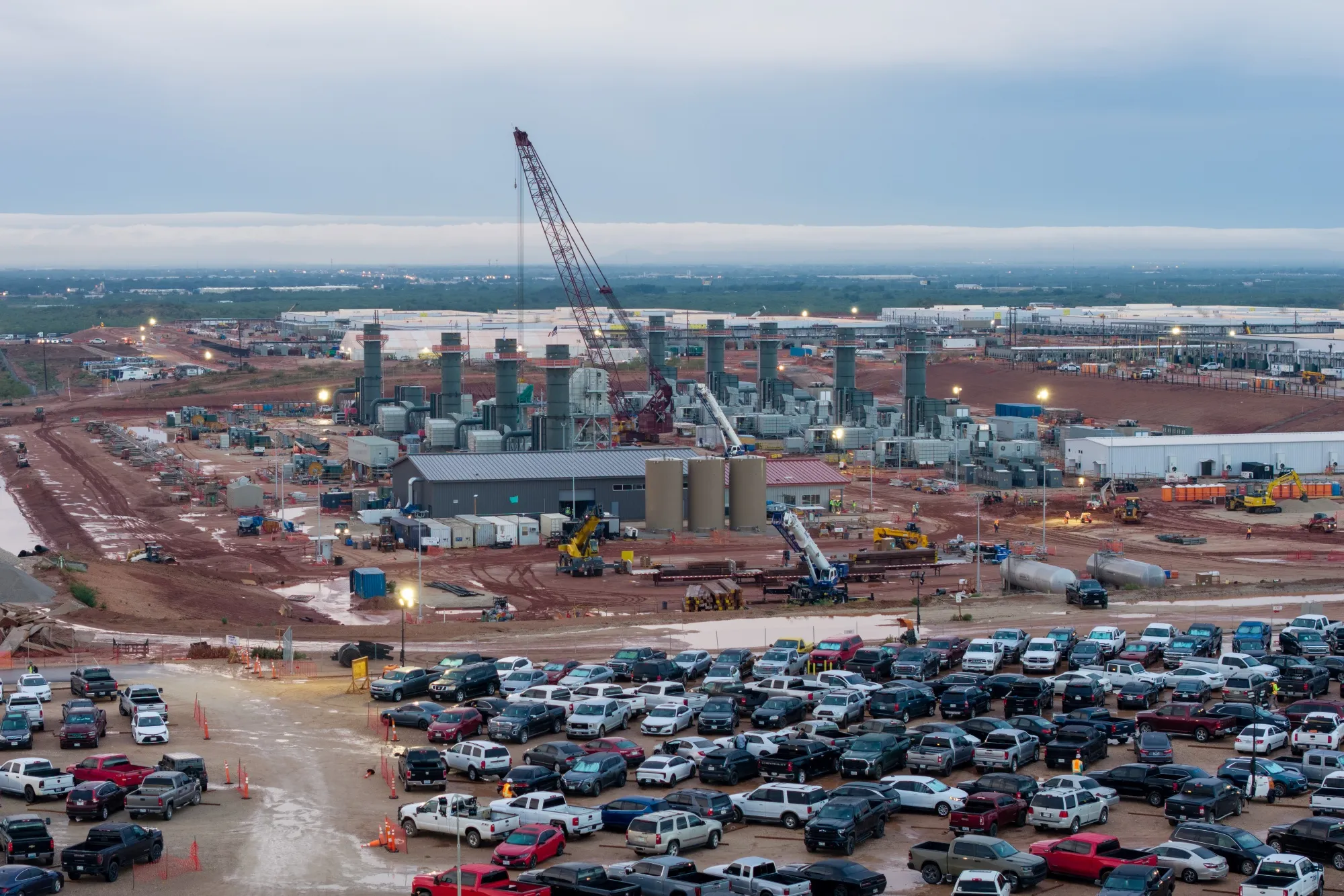
The $700 billion AI infrastructure investment landscape is now facing unprecedented scrutiny. Analysts like Gil Luria suggest this market skepticism is actually healthy, indicating a move towards more rational investment strategies. The market is recalibrating its expectations, with investors becoming increasingly cautious about speculative infrastructure projects that lack clear near-term monetization strategies.
Key indicators of this shift include Oracle's stock dropping 5.4% and Blue Owl Capital walking away from investment discussions for the Stargate project with OpenAI. This signals a potential 'repricing of risk' in the AI investment landscape. The parallel drawn to the 19th-century railroad boom is particularly telling—infrastructure development requires not just capital, but a clear path to operational and financial viability.
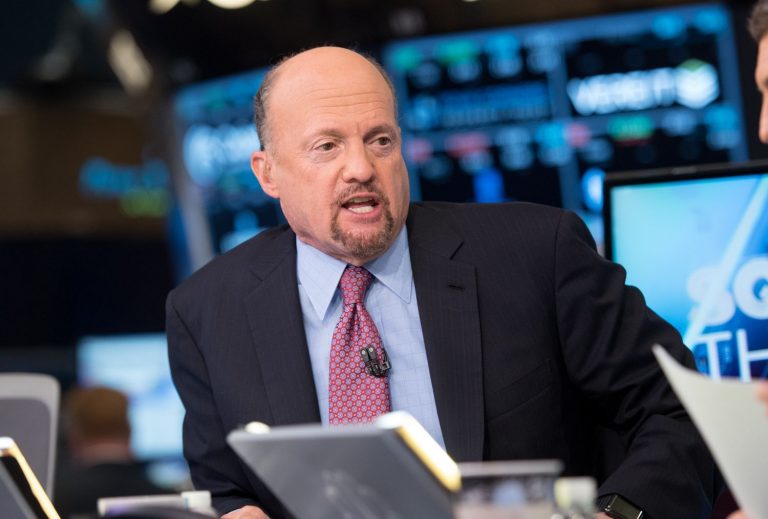
Complementing this trend, industry voices like Jim Cramer are expressing caution about AI-related stocks. The recommendation of niche players like Qnity, described as an AI infrastructure facilitator, suggests investors are seeking more targeted, strategic opportunities rather than broad-based speculative investments.
The broader implications are profound. Tech companies and investors are now prioritizing incremental, evidence-based AI investments over massive, undefined infrastructure projects. This represents a maturation of the AI investment ecosystem—moving from pure potential to pragmatic execution, where every dollar invested must demonstrate a clear path to value creation.
Questions 3
Why are investors becoming more cautious about AI infrastructure investments?
Investors are recognizing that massive infrastructure investments don't automatically generate revenue. The Oracle case demonstrates that without clear monetization strategies, even significant AI projects can face market skepticism. Companies must now show a more direct path from infrastructure investment to financial returns.
What does the 'repricing of risk' mean for AI technology investments?
The 'repricing of risk' signals a shift from speculative funding to more strategic, evidence-based investments. Investors are now demanding clearer business models, faster paths to profitability, and more targeted infrastructure development rather than broad, undefined AI projects.