




NFL's Playoff Race Reaches Boiling Point: Unprecedented Divisional Showdowns Redefine Competitive Dynamics
- Emerging strategic tensions reshape conference standings with high-stakes matchups












,fit(1200,675),quality(65))




































Overview
The 2025 NFL season has reached a critical inflection point, where divisional positioning hangs in a delicate balance unseen in nearly a decade. With only three weeks remaining, an extraordinary competitive landscape has emerged, characterized by unprecedented uncertainty and strategic complexity.
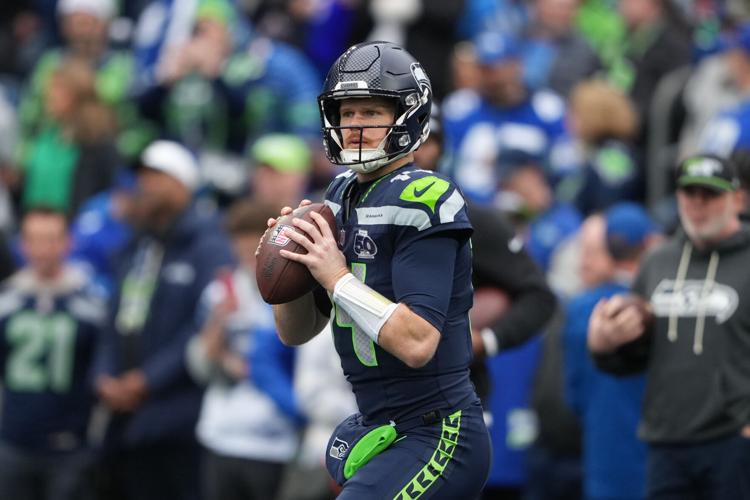
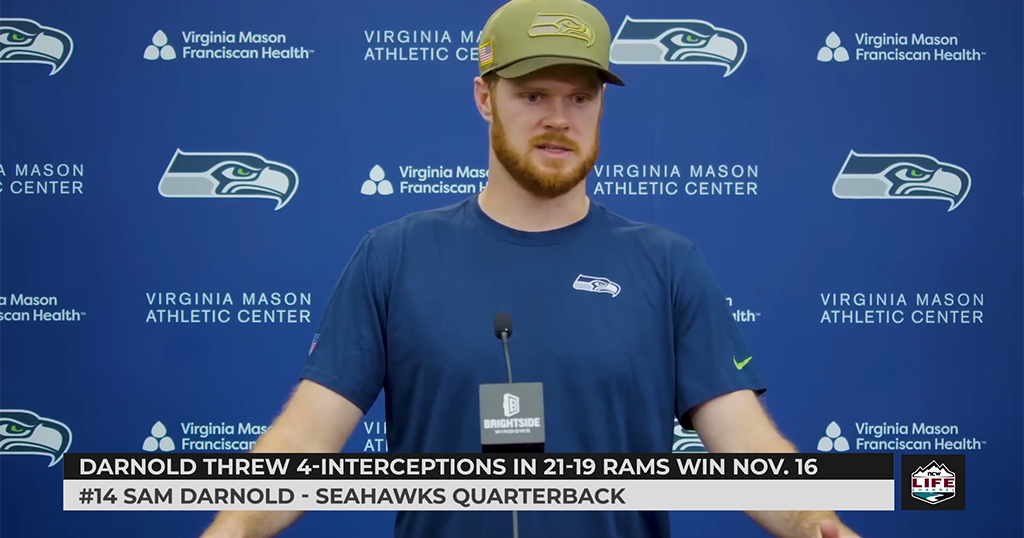
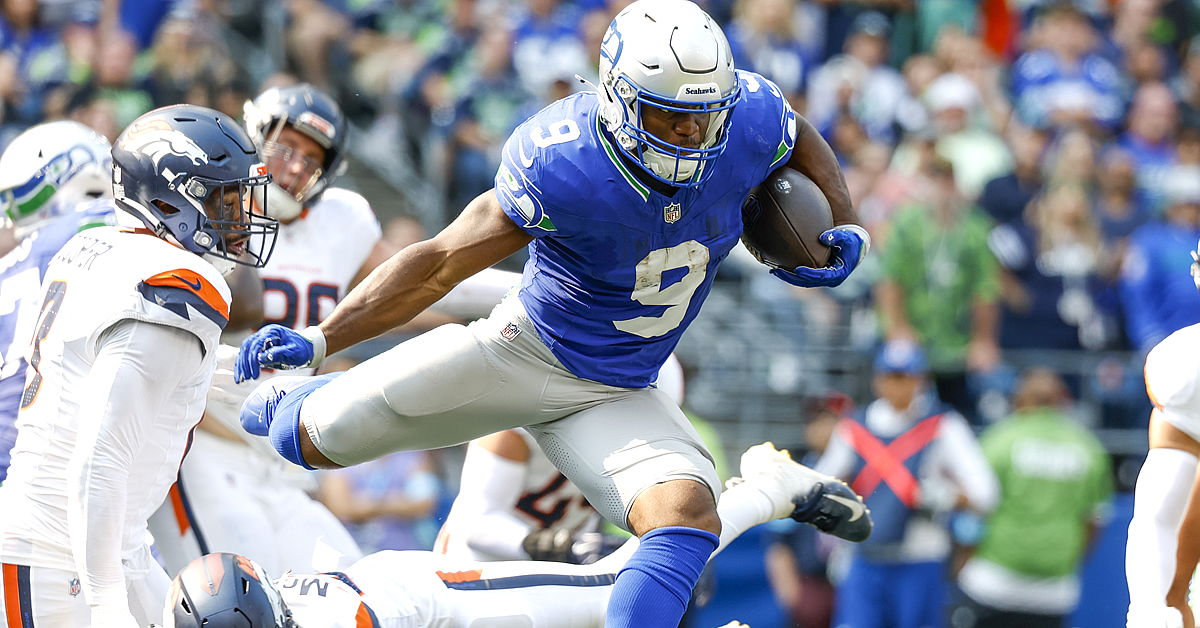
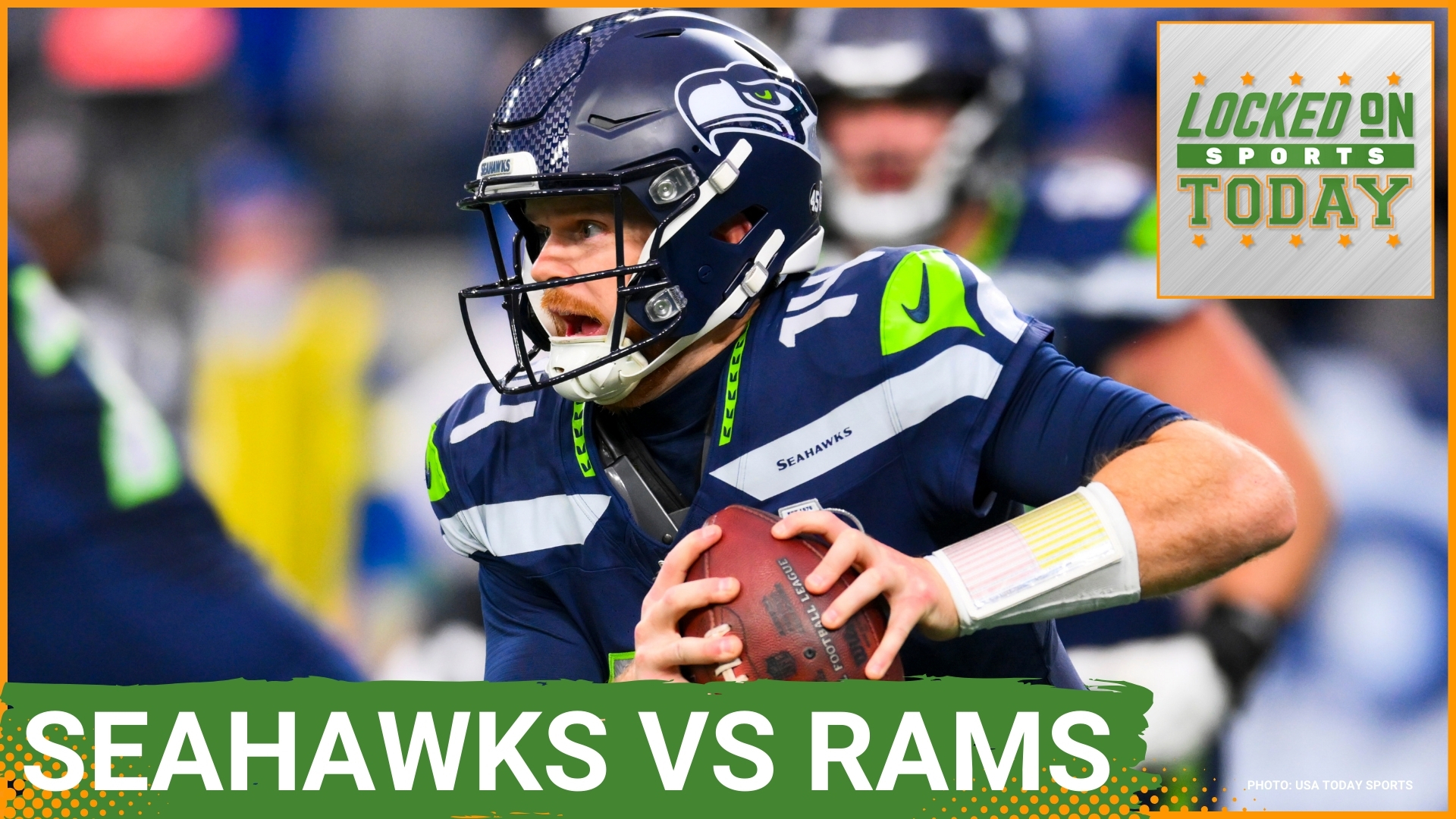
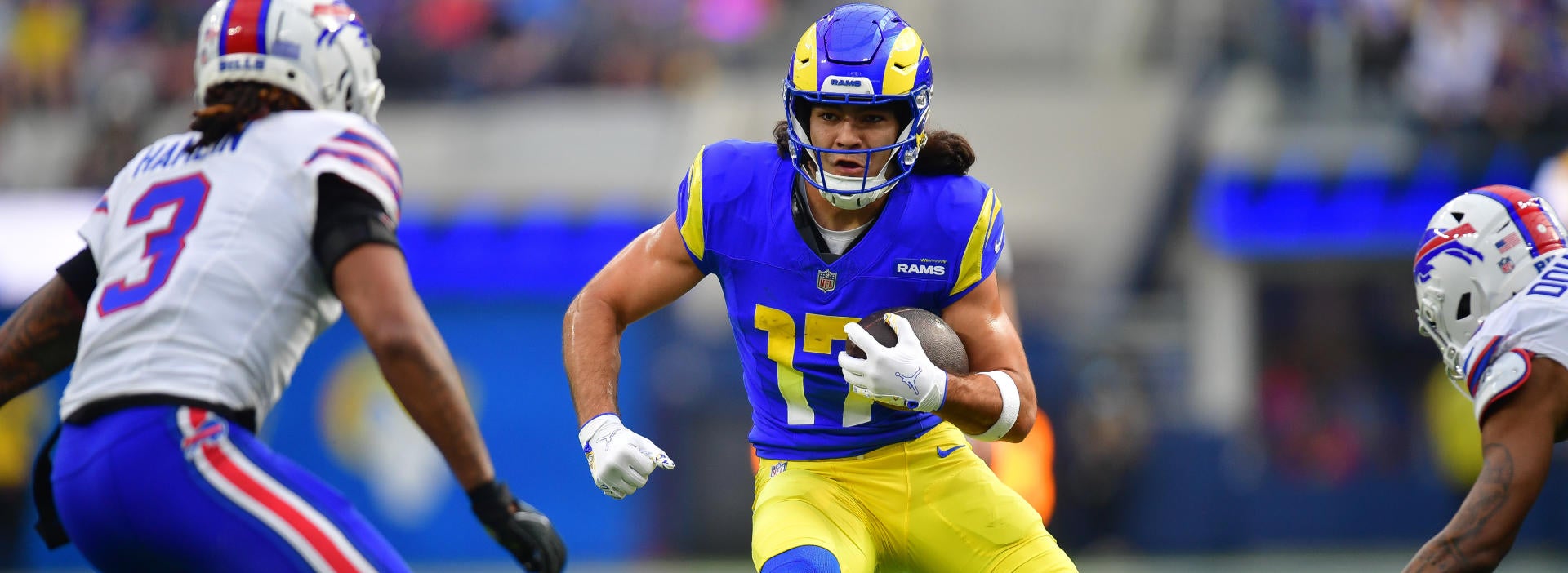
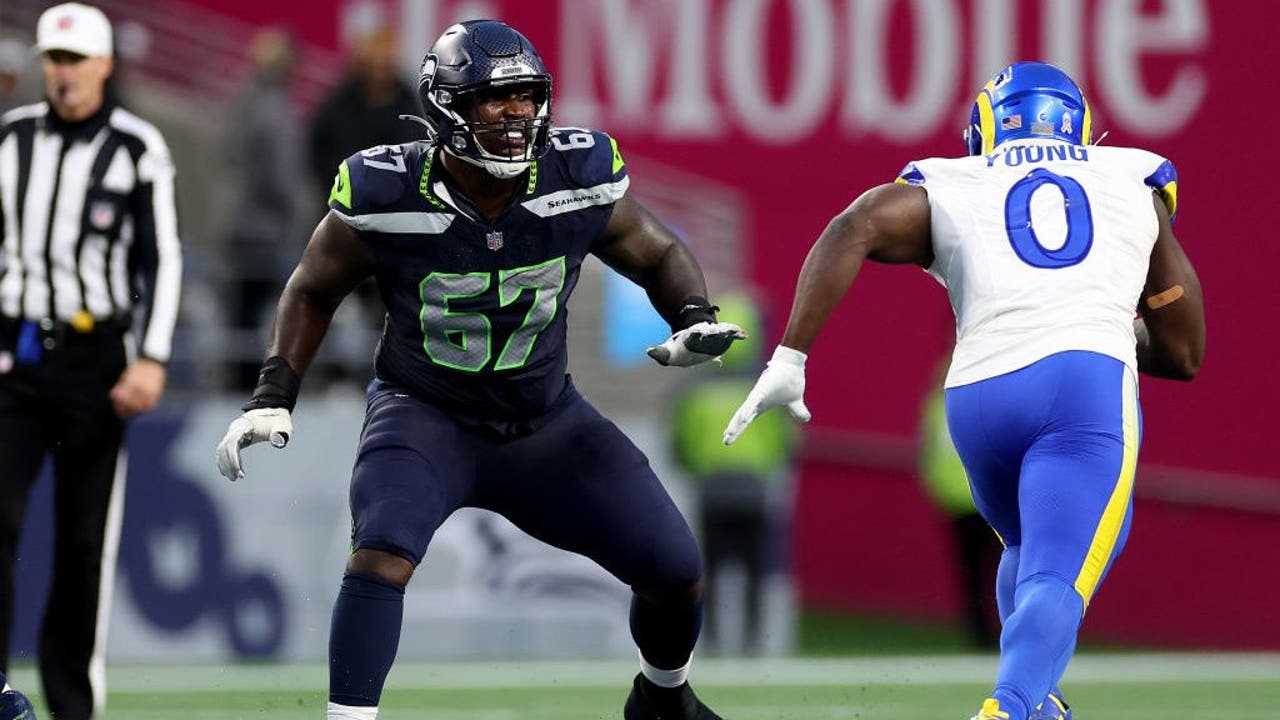
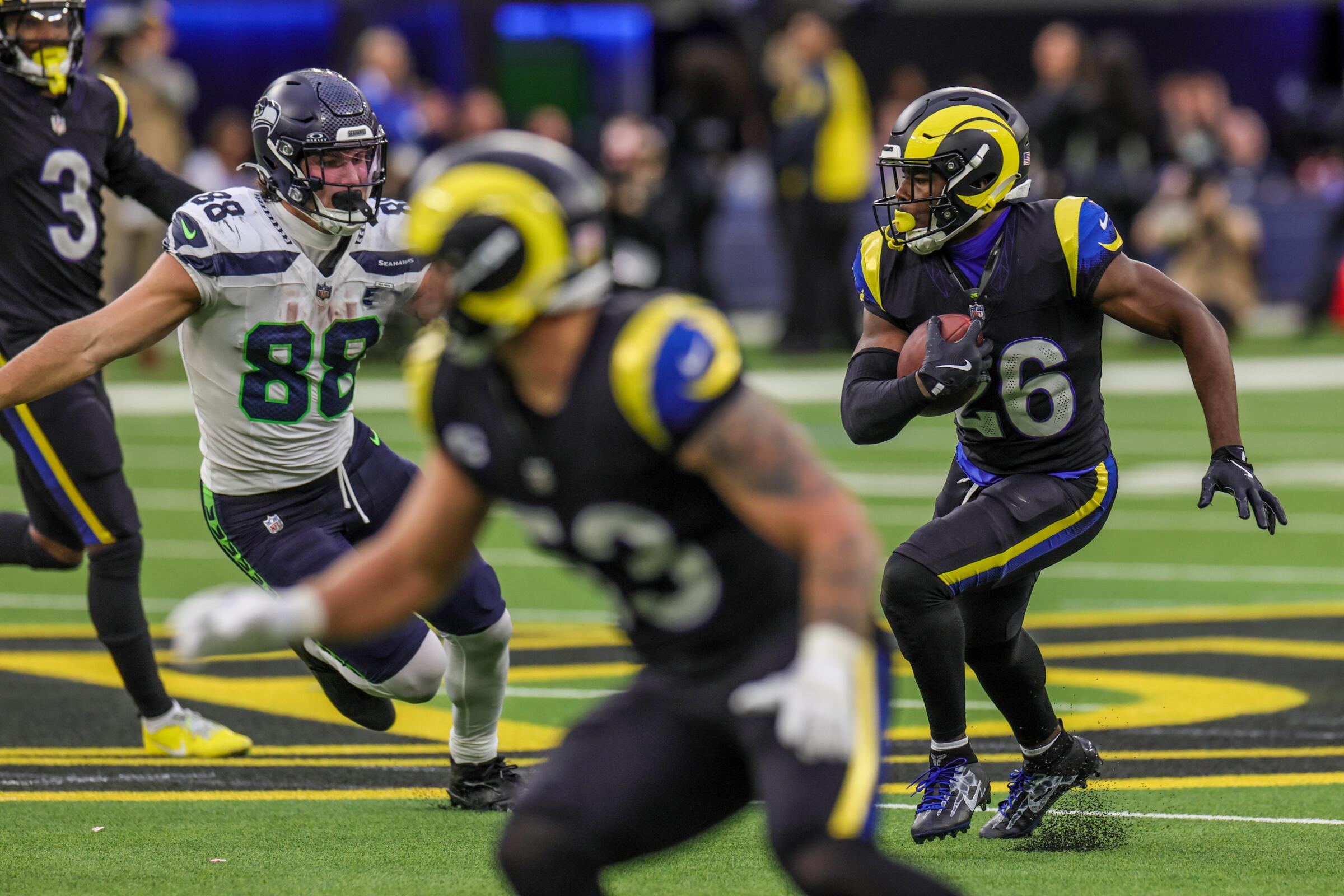
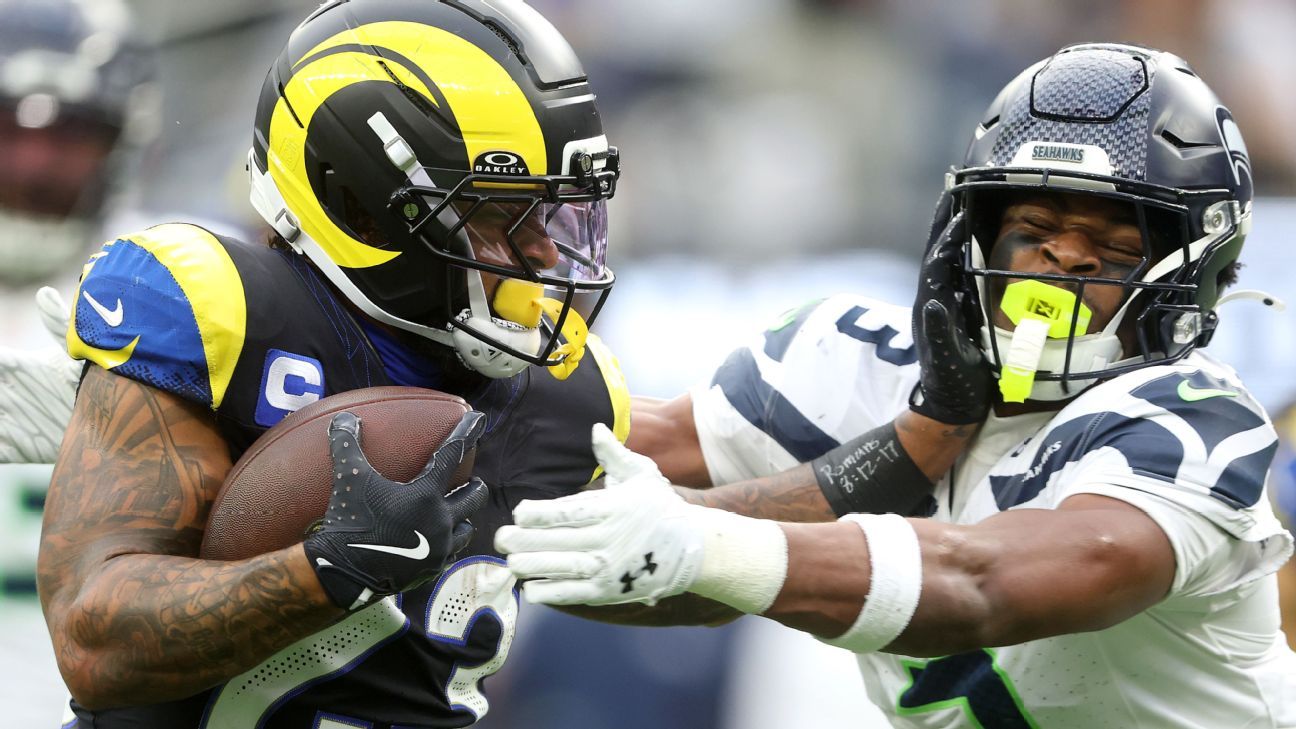
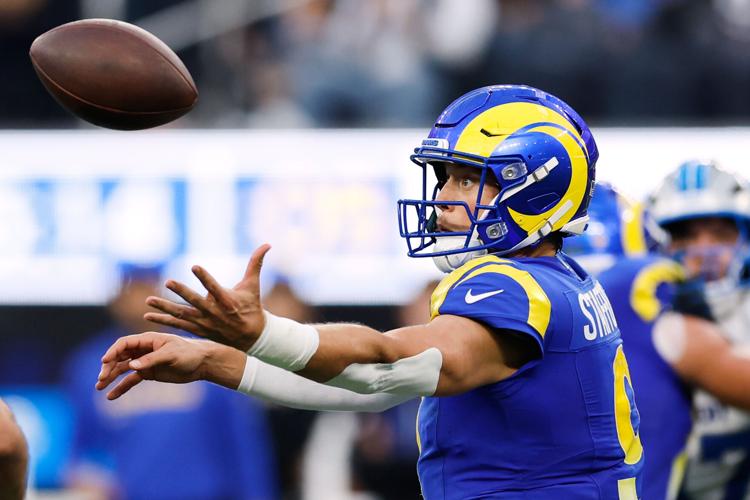
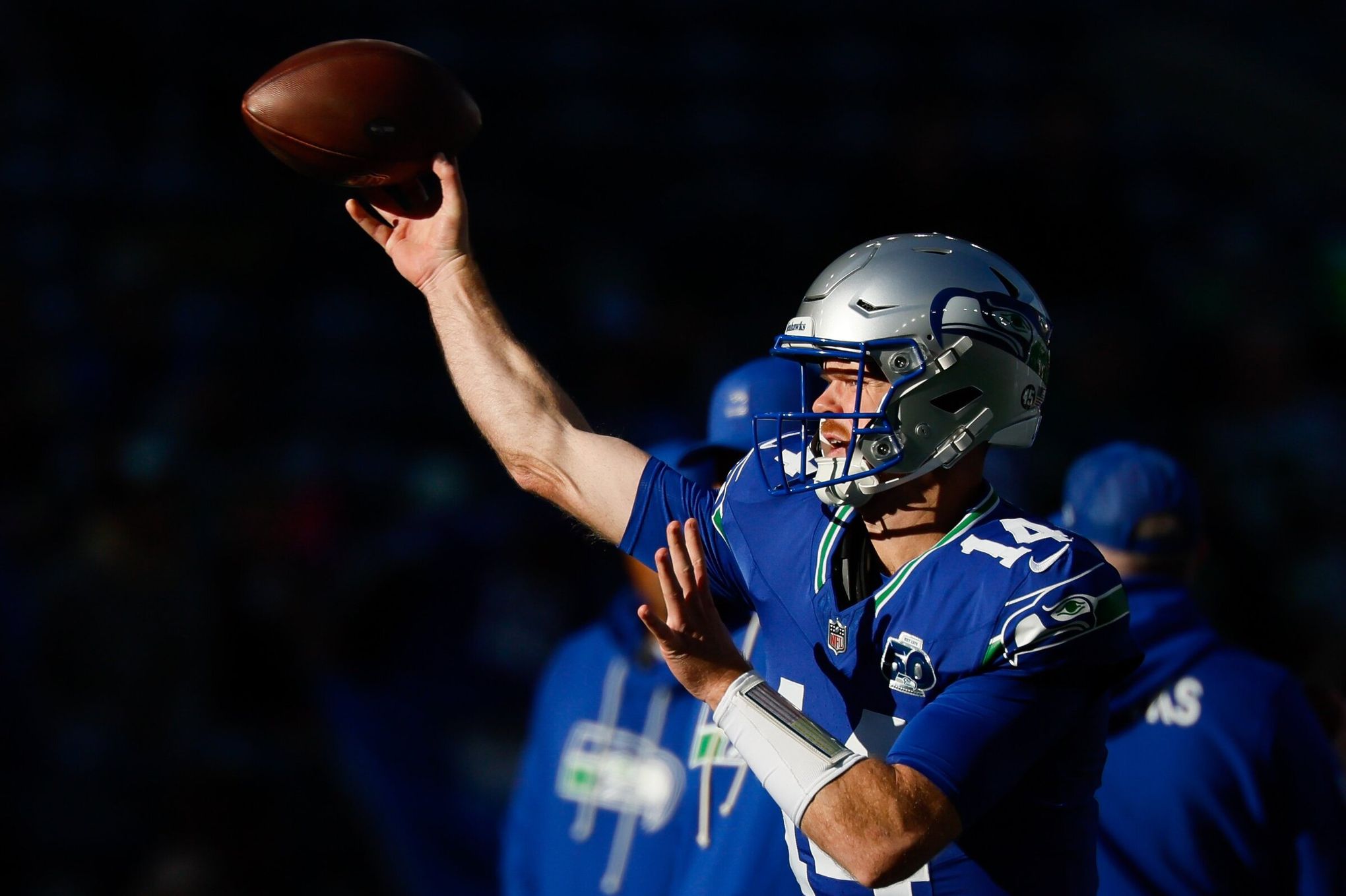
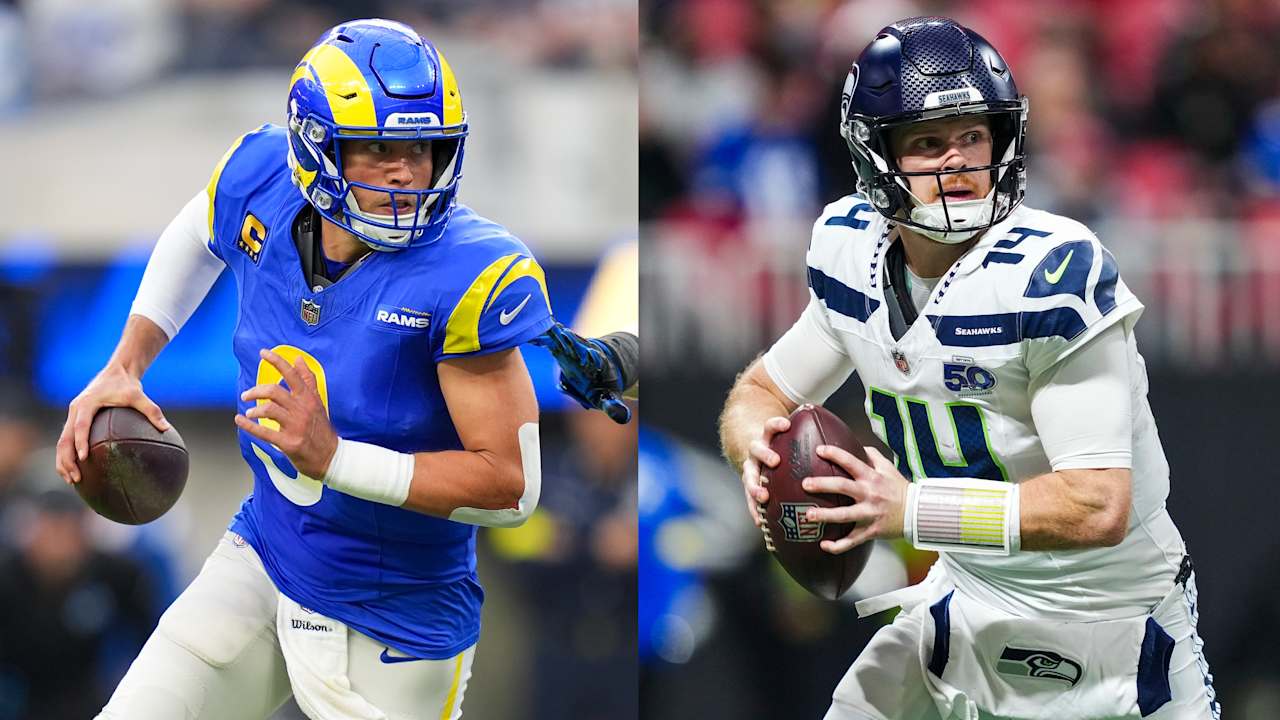
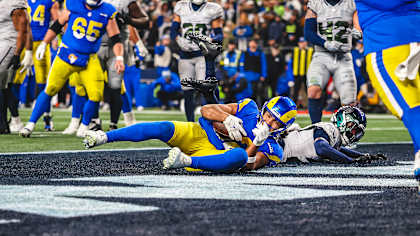
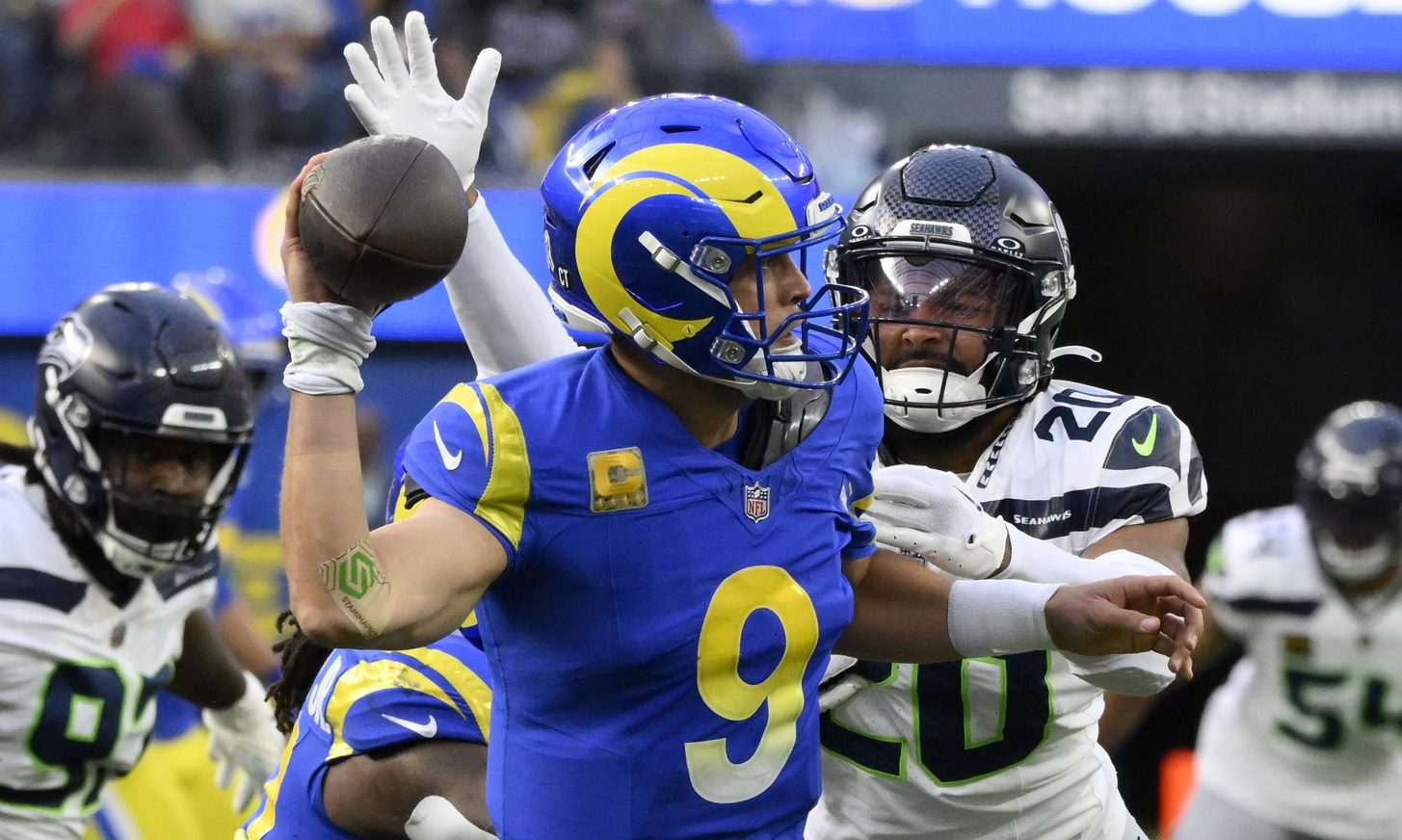
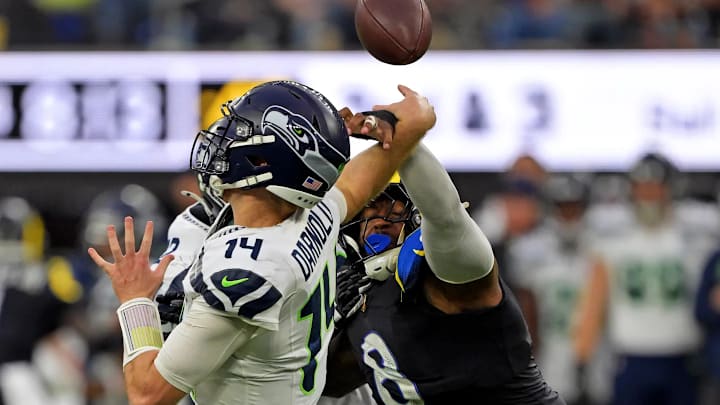
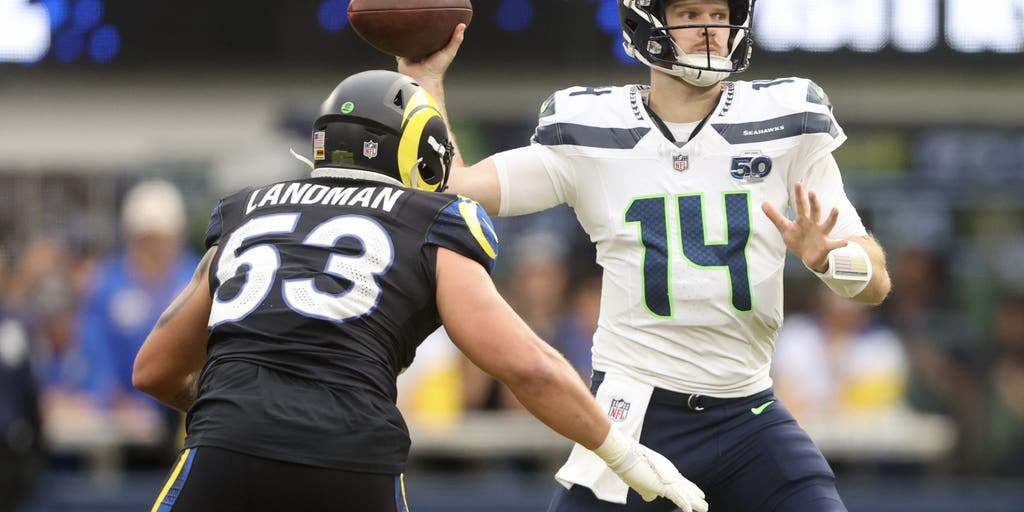
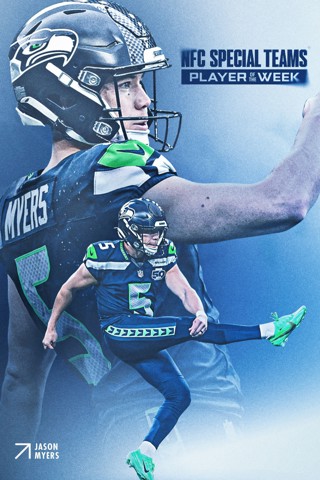
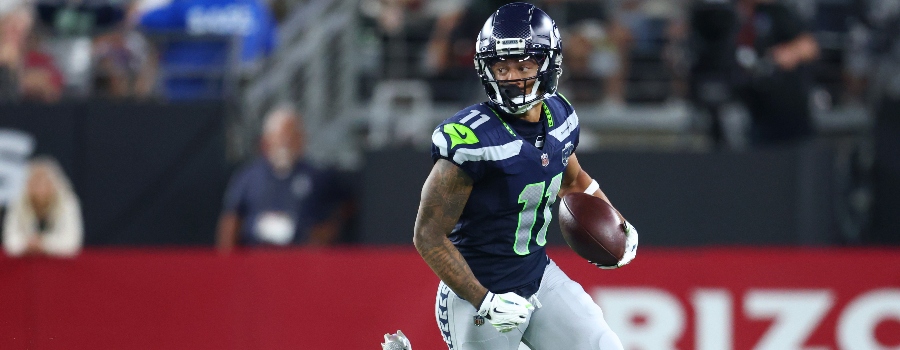
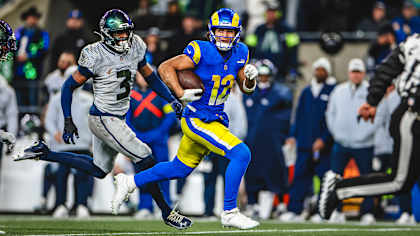
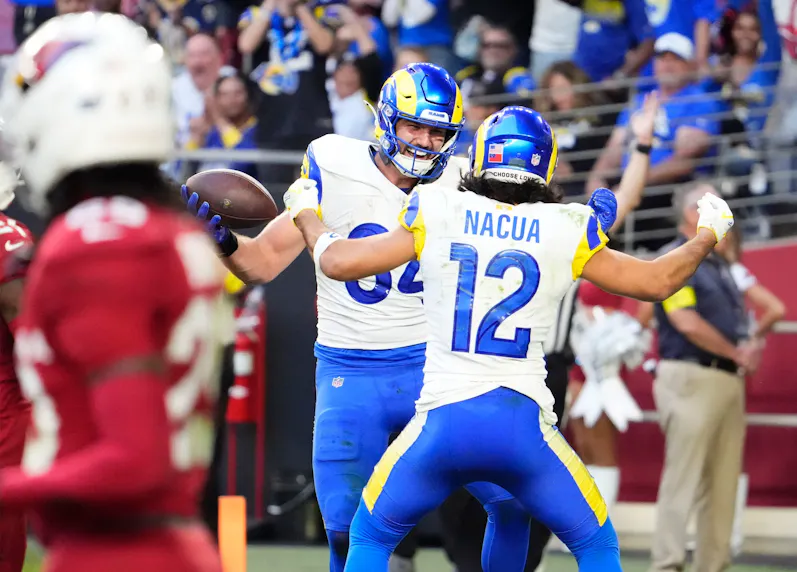
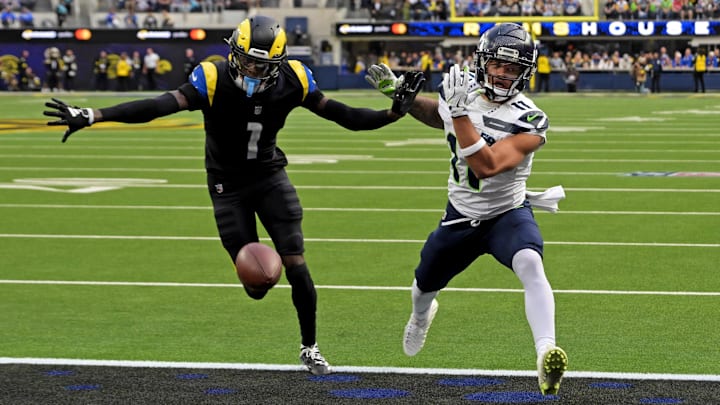
The NFC West confrontation between the Los Angeles Rams and Seattle Seahawks epitomizes this high-stakes environment. Their upcoming matchup represents more than just a game—it's a strategic chess match with conference-wide implications. The Rams, having previously defeated the Seahawks, now face a rematch under challenging conditions, with quarterback Sam Darnold's historical struggles against Chris Shula's defensive scheme adding another layer of tactical intrigue.
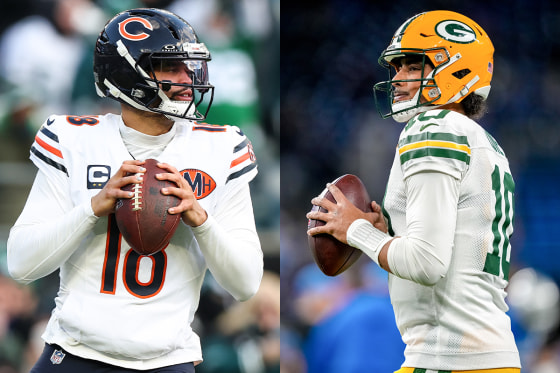
What makes this moment truly remarkable is the systemic unpredictability across multiple divisions. The Green Bay Packers vs. Chicago Bears matchup illustrates this dynamic perfectly, with playoff positioning hanging in the balance. The Packers' potential movement to the No. 2 seed and the Bears' playoff fate—led by rookie quarterback Caleb Williams—underscore the razor-thin margins separating success from elimination.
Similarly, the Tampa Bay Buccaneers and Carolina Panthers' NFC South battle reveals the season's broader narrative of volatility. After the Buccaneers' decline from a strong 6-2 start and the Panthers' inconsistent performance, these games transcend mere athletic competition—they represent survival and strategic adaptation at the highest level.
The rainy Seattle conditions further amplify the strategic complexity, potentially favoring ground-based offensive approaches and testing teams' tactical flexibility. This environmental factor transforms the game from a simple athletic contest into a nuanced test of preparation, resilience, and strategic innovation.
Ultimately, these matchups represent a crucible of competitive tension not witnessed since 2016. They demonstrate that in modern professional sports, success is determined not just by raw talent, but by the ability to adapt, strategize, and perform under unprecedented pressure.
Questions 3
Why are the current NFL divisional races considered unprecedented?
With only three weeks remaining in the 2025 season, no division has been clinched—a scenario not seen since 2016. Multiple teams like the Rams, Seahawks, Packers, Bears, Buccaneers, and Panthers are in tight races where single games can dramatically alter playoff positioning.
What makes the Rams vs. Seahawks game strategically significant?
The game represents a critical NFC West showdown where the winner takes first conference place. Factors like Sam Darnold's historical performance, rainy conditions, and the teams' previous matchup create a complex strategic environment that goes beyond typical game dynamics.