





Lakers' Strategic Pivot: Leadership, Accountability, and Performance Transformation
- Revealing the Critical Role of Coaching and Player Commitment in High-Performance Team Dynamics

























Overview
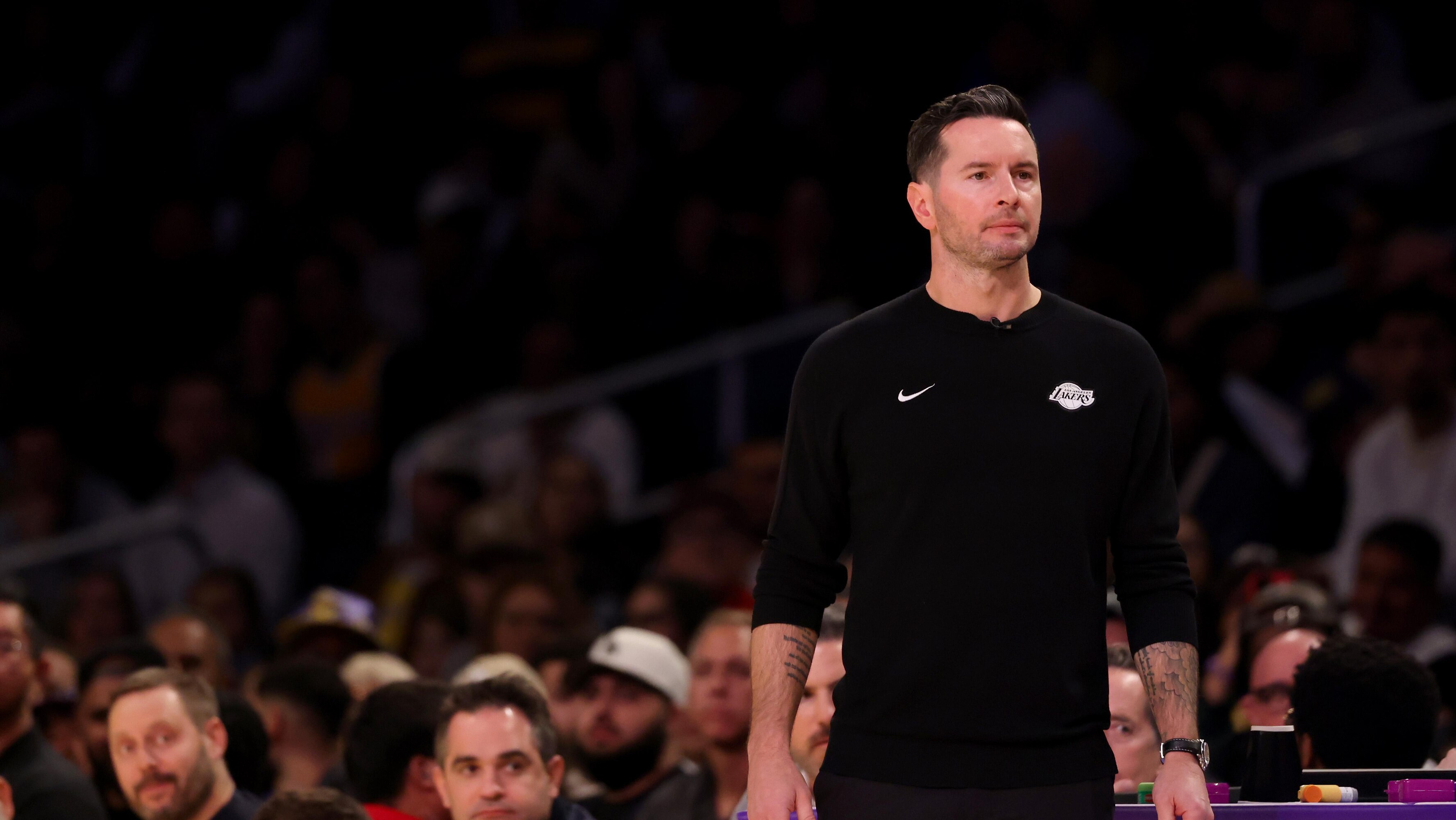
In the high-stakes world of professional sports, the Los Angeles Lakers are demonstrating a masterclass in organizational transformation through strategic leadership and player accountability. The recent developments surrounding head coach JJ Redick and star players like Luka Doncic reveal a profound lesson in performance management that transcends basketball.
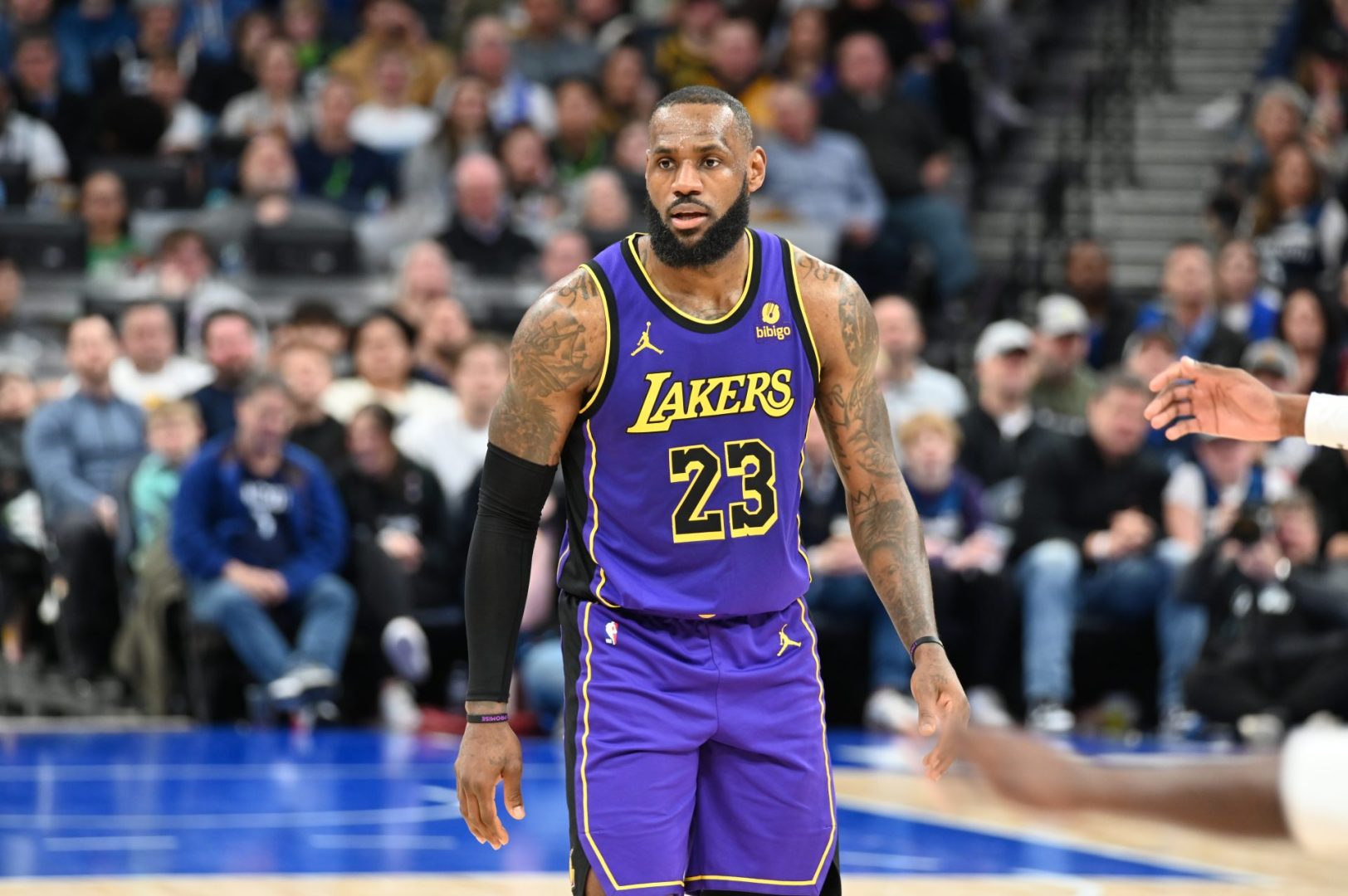
At the core of this narrative is a critical performance challenge: the Lakers currently rank 20th in defensive efficiency, a statistic that threatens their competitive positioning. Redick's approach is particularly noteworthy—directly addressing defensive vulnerabilities through transparent, confrontational team communication. By calling out star players like LeBron James and Doncic in a team meeting, Redick is implementing a radical transparency model that demands immediate, measurable improvement.
The team's response is equally compelling. Doncic's public acknowledgment of defensive shortcomings signals a cultural shift toward personal accountability. Despite impressive individual statistics (34.7 points, 8.8 assists, 8.7 rebounds per game), he recognizes that team performance supersedes individual achievements. This mindset is crucial—a microcosm of how high-performing organizations transform challenges into opportunities.
The Lakers' strategic pivot is not just about fixing defensive gaps but about creating a culture of continuous improvement. Their 18-7 record and third-place standing in the Western Conference provide a robust foundation for this transformation. By addressing vulnerabilities proactively—such as holding the Phoenix Suns scoreless for an eight-minute stretch—they're demonstrating that strategic adaptation is possible even at the highest competitive levels.
The broader implications are clear: leadership is about creating environments where accountability is not just expected but celebrated. Redick's direct communication style, combined with players' willingness to confront collective weaknesses, offers a blueprint for organizational excellence that extends far beyond the basketball court.
Questions 3
What can other organizations learn from the Lakers' approach?
The key lesson is creating a culture where accountability is normalized. By having star players publicly acknowledge performance gaps and leadership directly addressing challenges, organizations can foster continuous improvement, transparency, and collective responsibility.
How does JJ Redick's leadership approach differ from traditional coaching methods?
Redick demonstrates a radical transparency model by directly addressing performance issues in team meetings, confronting star players like Doncic and James about defensive shortcomings. Unlike traditional coaches who might avoid direct criticism, he creates an environment of open accountability and immediate performance expectations.