



Backup Quarterbacks and Strategic Transitions: Nebraska's High-Stakes Bowl Game Preparation
- Emerging Talent Faces Massive Performance Challenge in Las Vegas Bowl Showdown










Overview
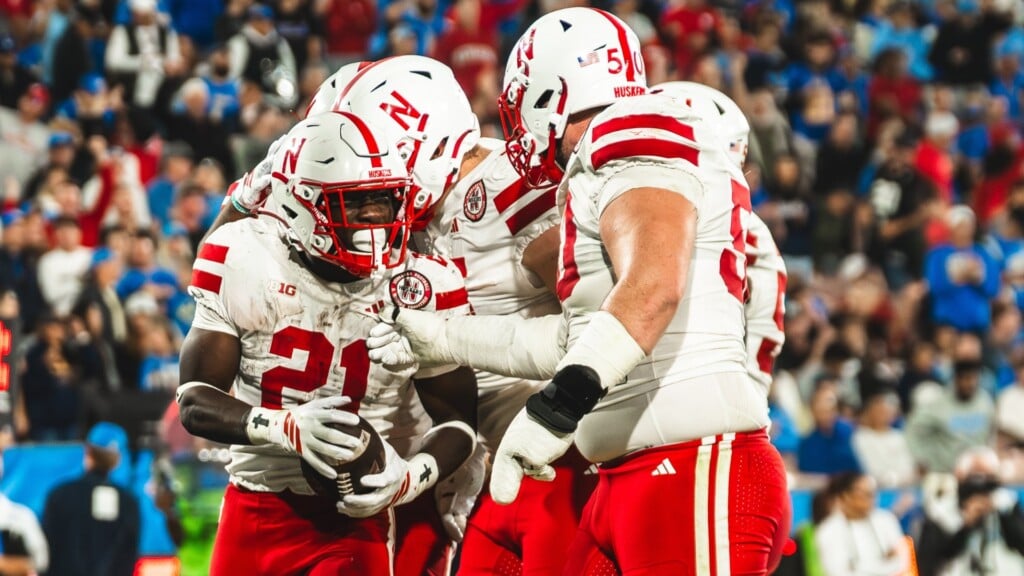
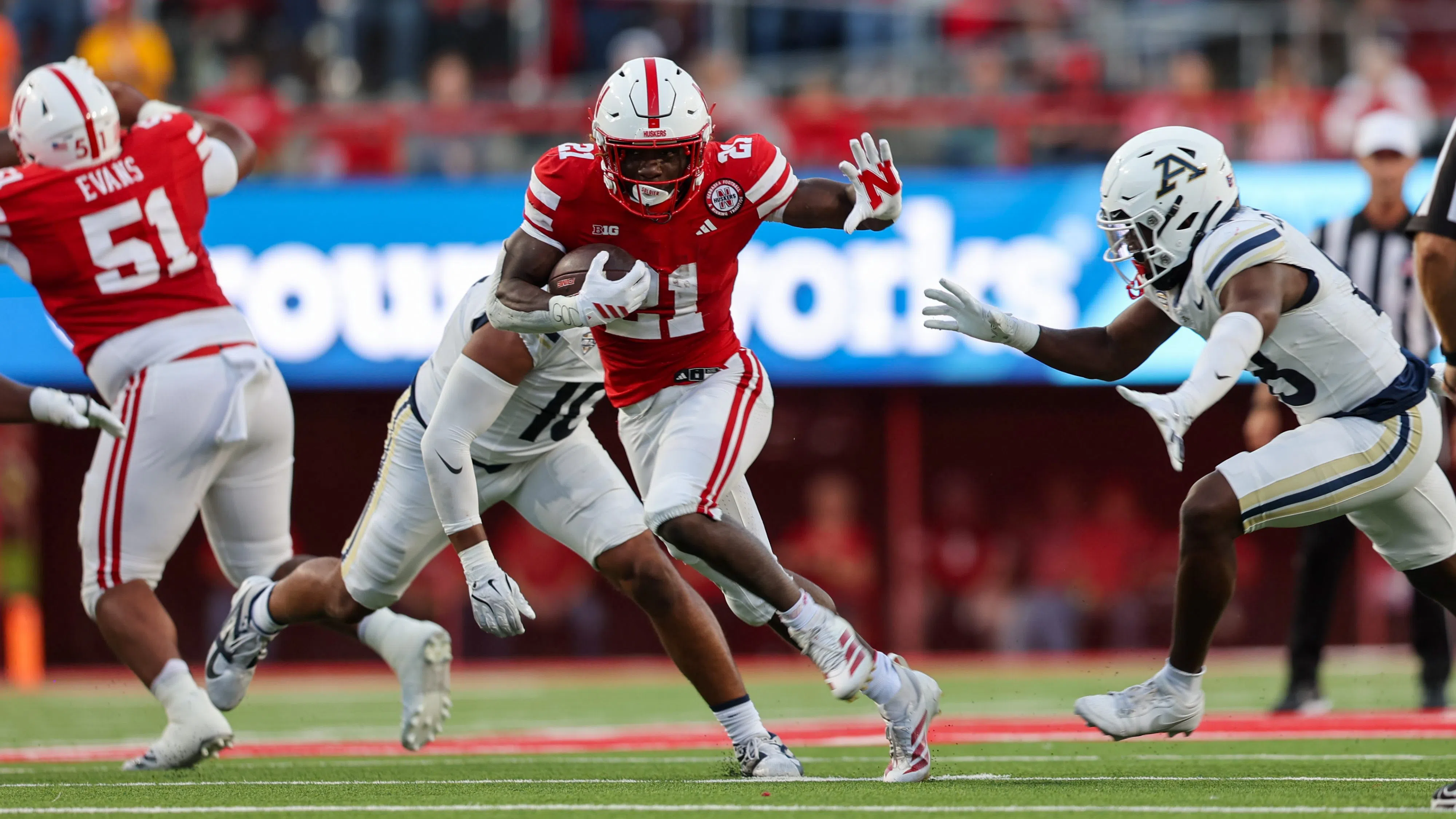
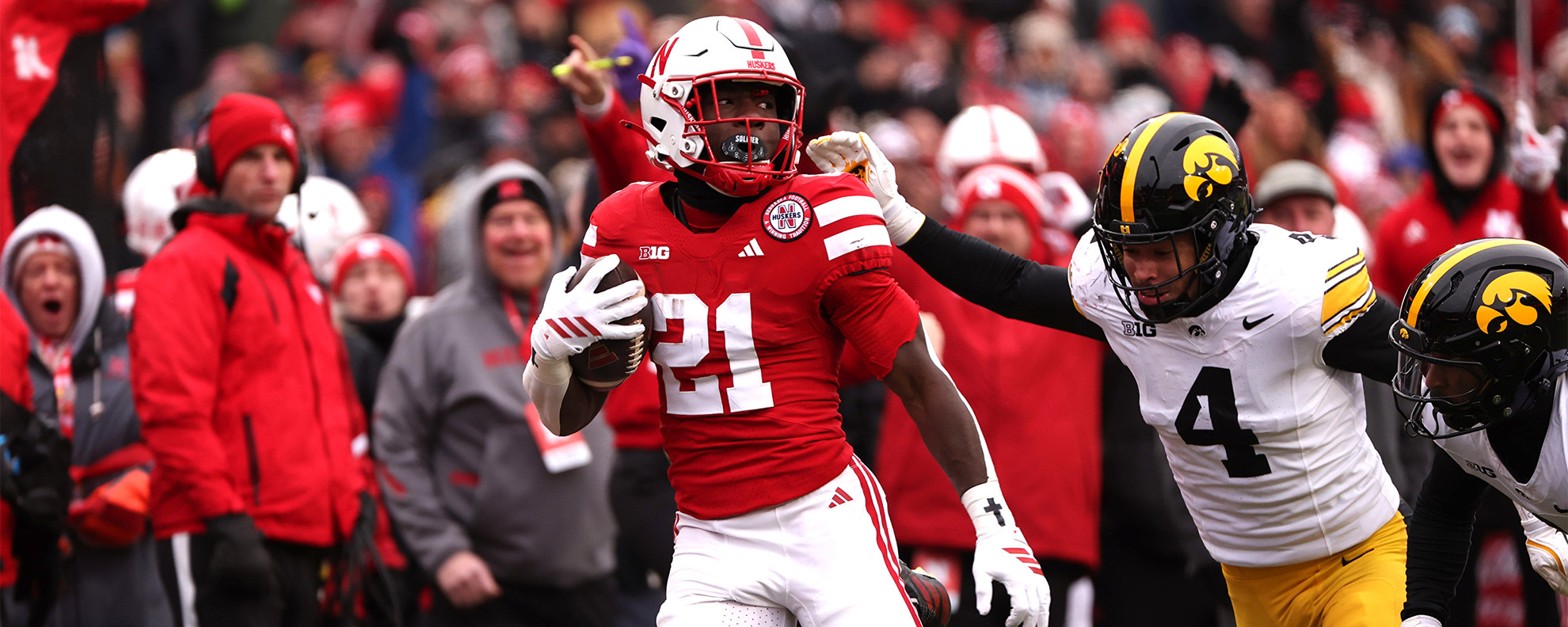
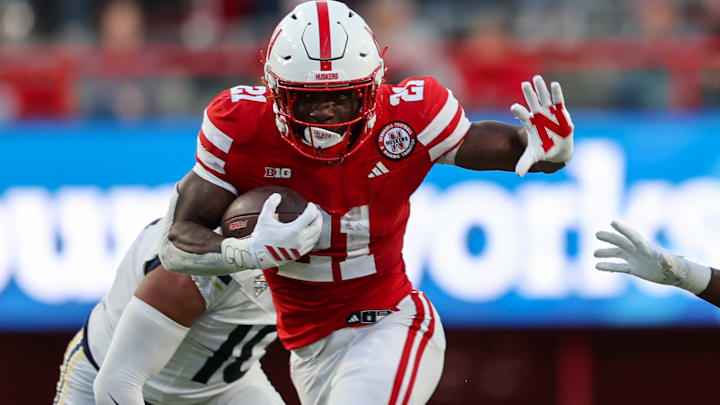
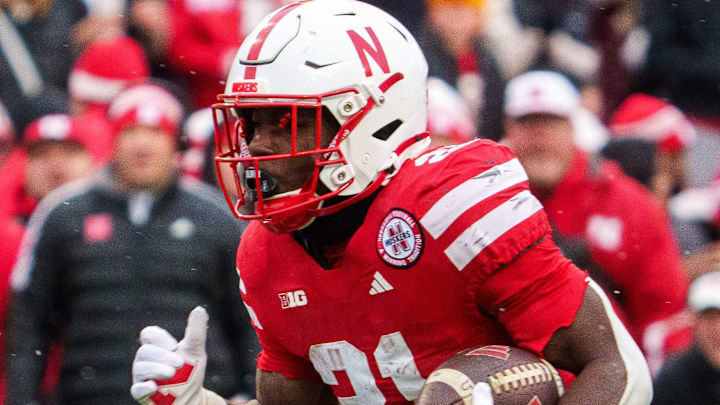
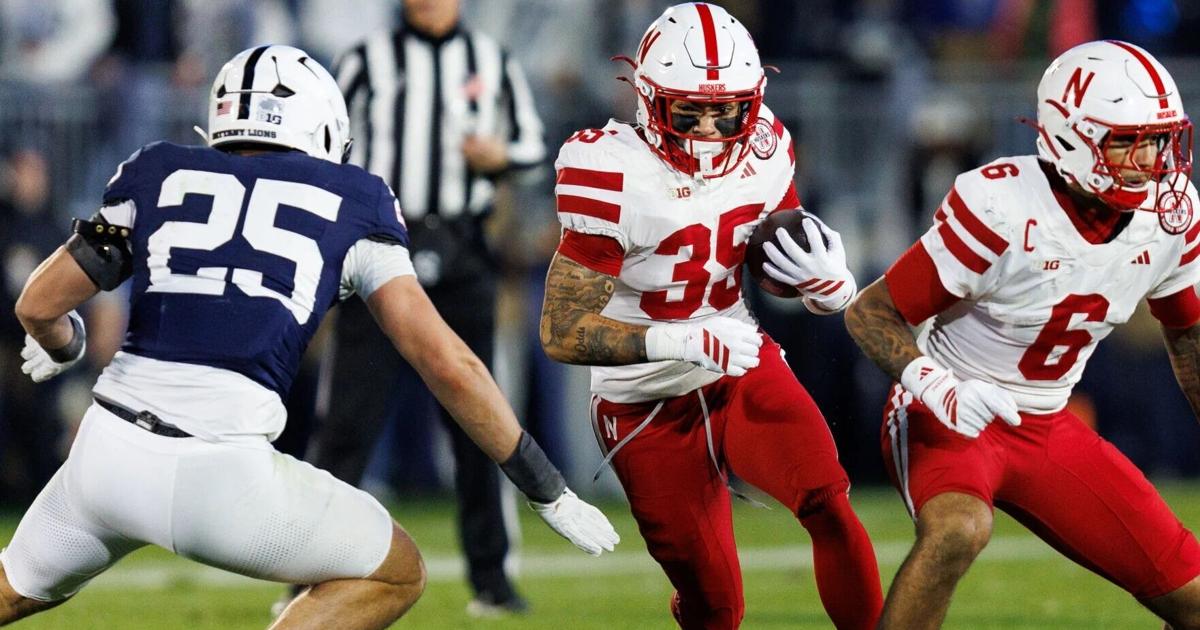
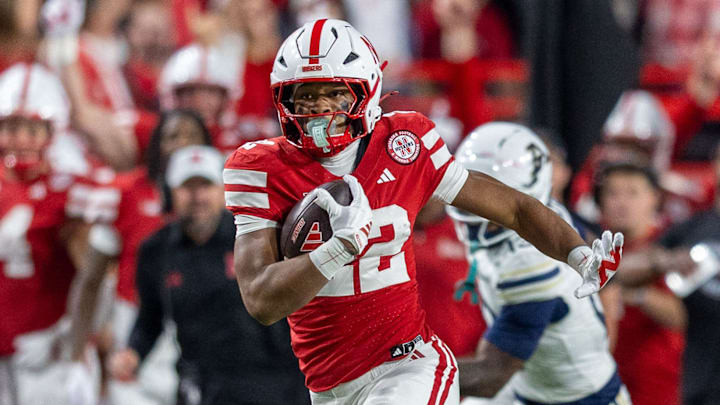
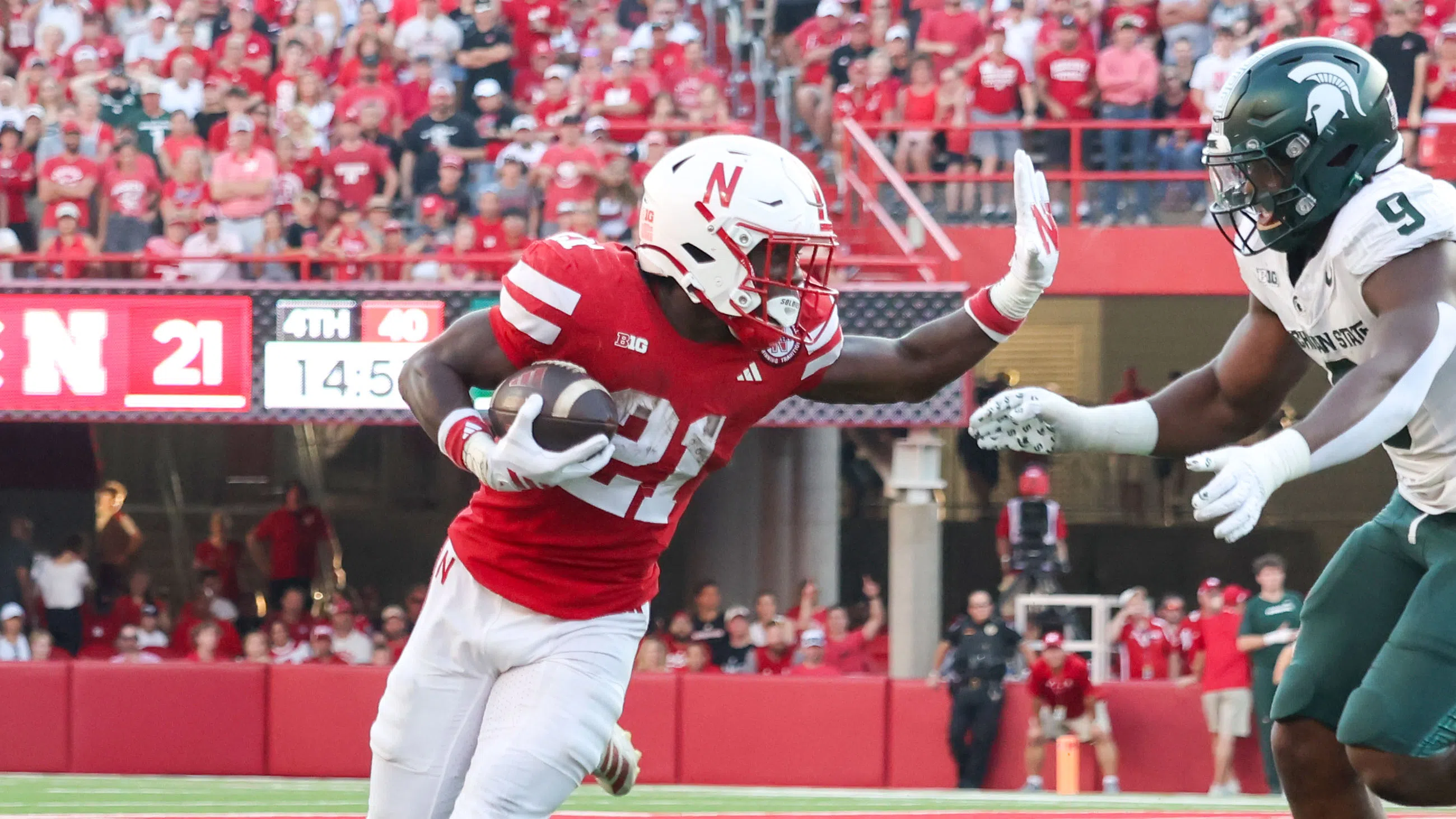
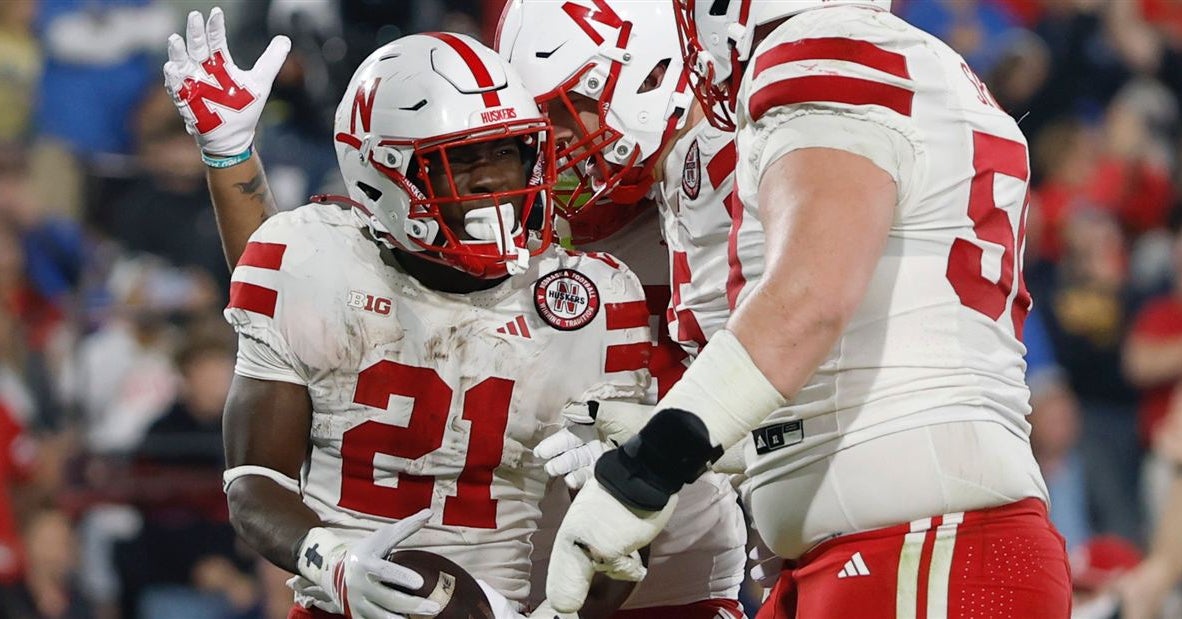
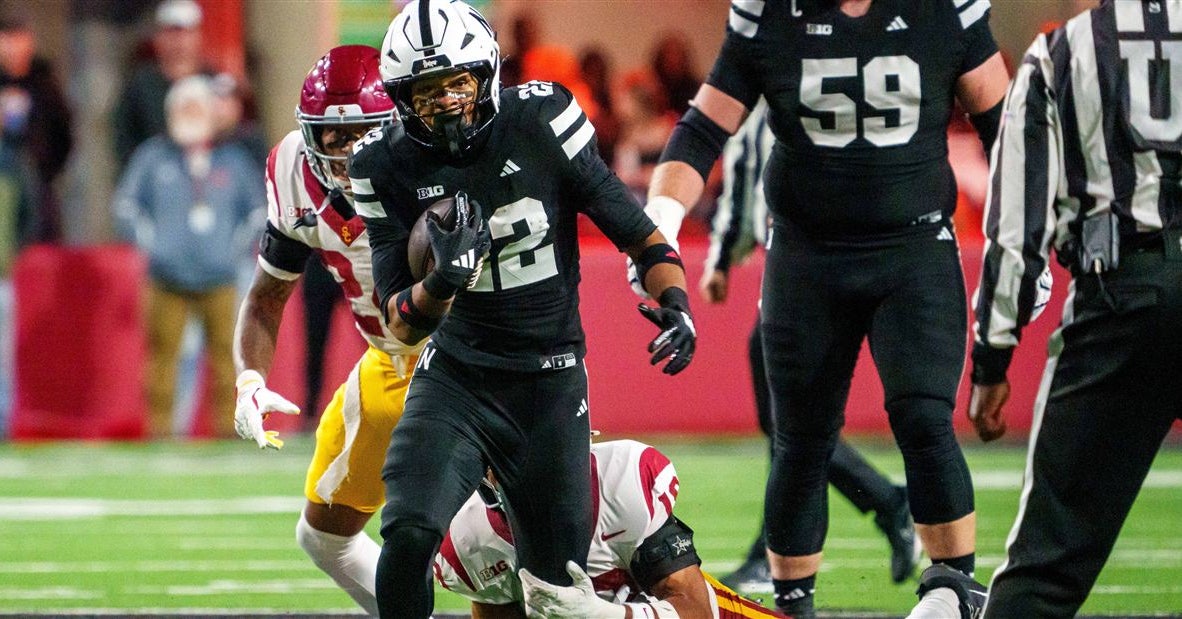
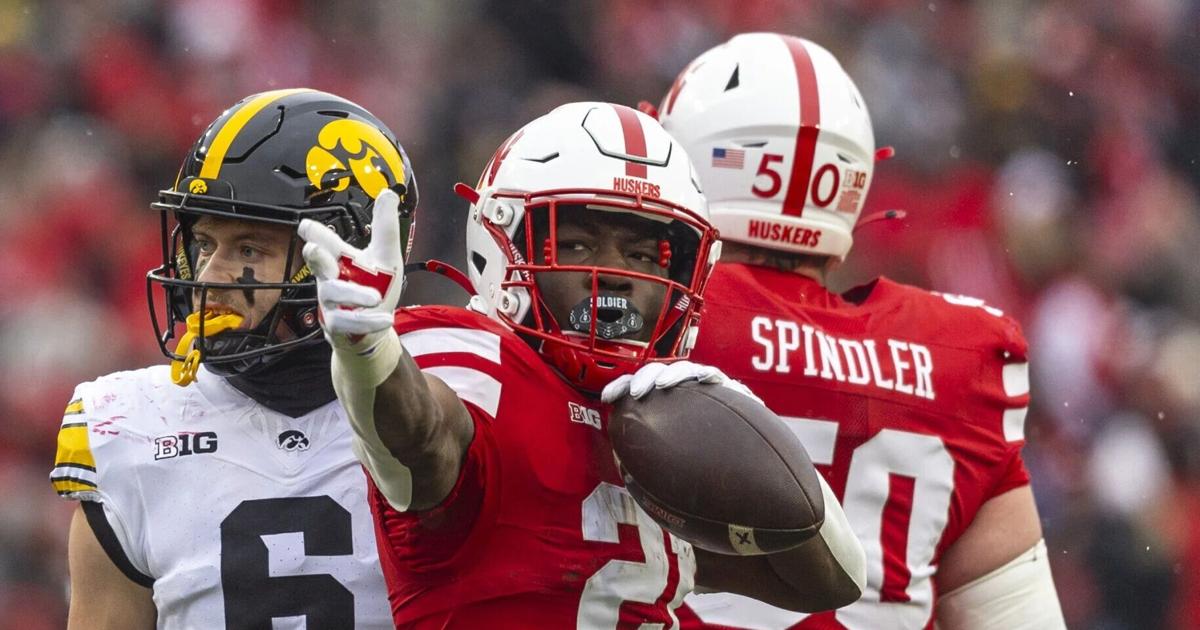
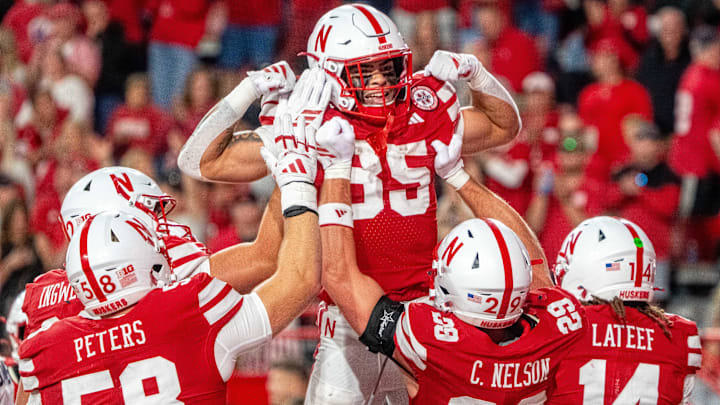
The Nebraska Cornhuskers are confronting a critical leadership transition in their upcoming Las Vegas Bowl matchup against Utah, symbolizing a broader narrative of organizational resilience and talent development. At the core of this strategic challenge lies the replacement of star running back Emmett Johnson, whose departure leaves a significant performance vacuum that backup athletes Mekhi Nelson and Isaiah Mozee must urgently fill.
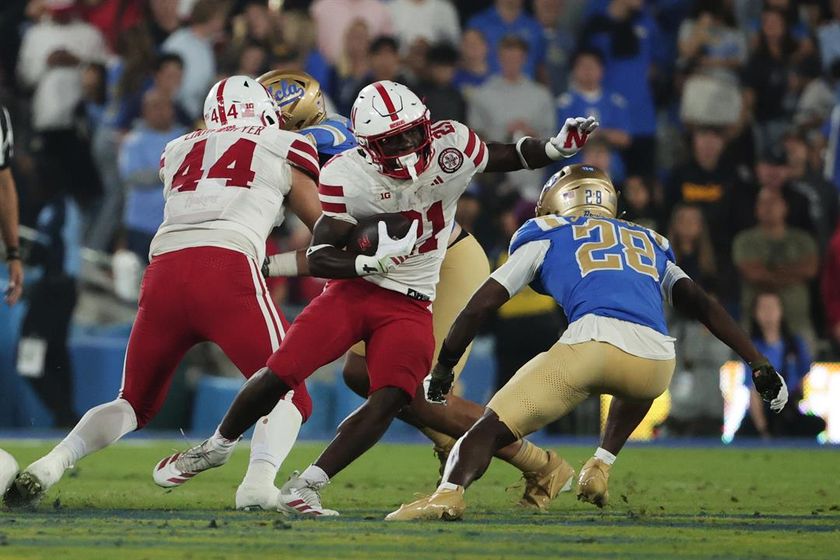
Performance Replacement Dynamics reveal a compelling organizational adaptation strategy. With Johnson's impressive 1,451 rushing yards and 12 touchdowns now absent, the backup running backs face an enormous challenge. Their collective experience is remarkably limited—just 50 carries and 261 total yards compared to Johnson's dominant season. This scenario epitomizes the classic "next man up" sports philosophy, where institutional knowledge and competitive culture become more critical than individual star power.
The transition's complexity extends beyond mere statistical replacement. Nelson, a 6-foot, 195-pound redshirt freshman, embodies the cultural transmission mechanism within the team. By highlighting Johnson's professional habits—arriving early to meetings, leading in the weight room—he demonstrates how elite performance is not just about physical skills but also about cultivating a championship mindset. The running backs' room is described as intensely competitive, suggesting a robust internal mechanism for maintaining high standards even amid significant personnel changes.
The upcoming game against Utah carries additional strategic significance. With longtime Utah coach Kyle Whittingham announcing his retirement after this bowl game, the matchup transcends a typical competition—it becomes a symbolic moment of organizational transition for both teams. For Nebraska's young running backs, this represents a crucial opportunity to demonstrate capabilities against a top-15 opponent, potentially reshaping perceptions of their potential and the team's future trajectory.
Strategic implications extend beyond this single game. The ability to seamlessly integrate new talent, maintain competitive standards, and preserve institutional knowledge represents a critical organizational capability. Nebraska's approach suggests a mature, forward-looking strategy that prioritizes systemic resilience over individual dependency.
Questions 3
What makes Mekhi Nelson a potential key player in this transition?
Nelson, a redshirt freshman, demonstrates mature leadership by emphasizing professional habits learned from Johnson. His understanding of preparation—arriving early to meetings and prioritizing weight room training—suggests he's not just a replacement, but a potential culture carrier for the team.
How significant is the performance gap between Emmett Johnson and his backups?
The performance gap is substantial. Johnson rushed for 1,451 yards and 12 touchdowns, while his backup replacements—Mozee, Nelson, and Ives—have only 50 carries and 261 total yards combined. This represents a massive challenge in maintaining offensive productivity.