

Europe's Migration Fortress Rises: Strategic Selectivity in Asylum Policy
- A calculated recalibration of humanitarian borders targeting geopolitical risk management
























Overview
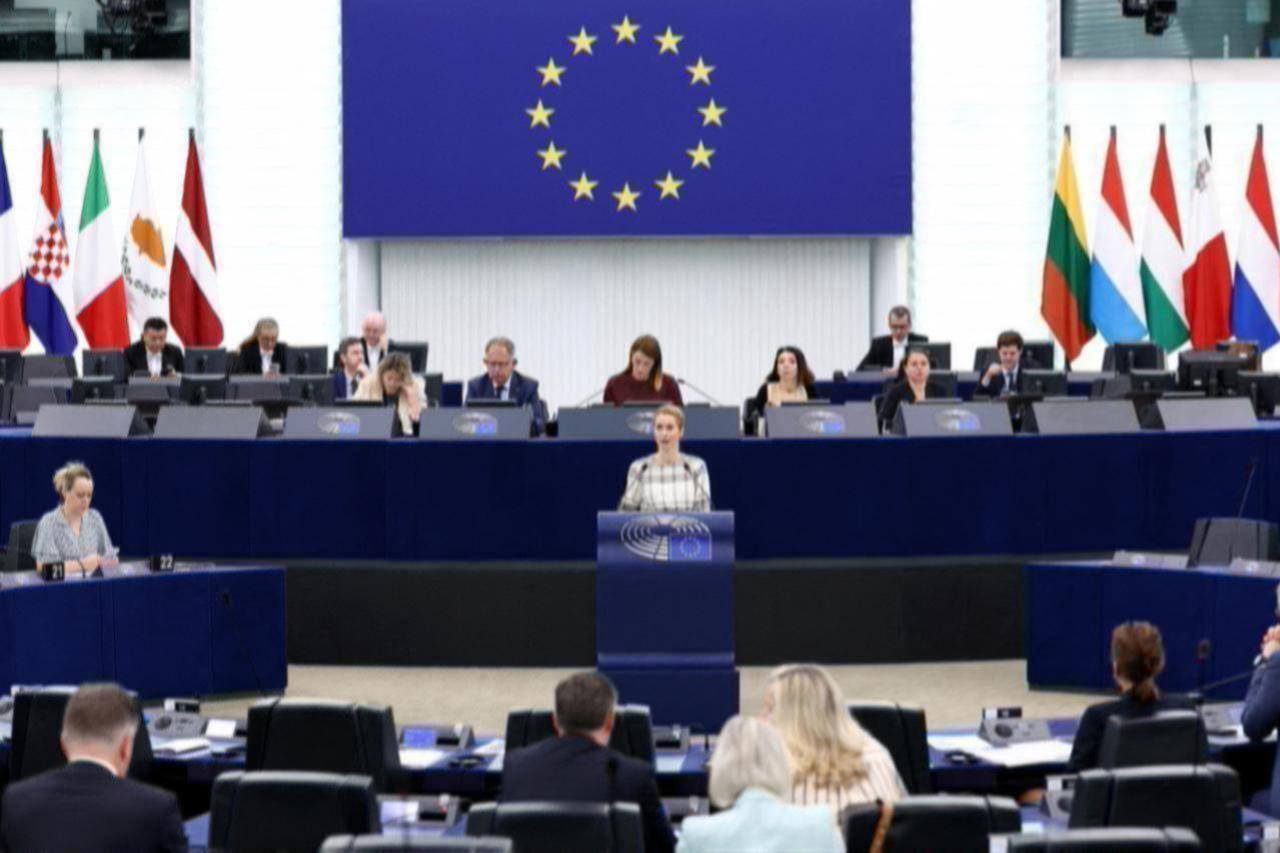
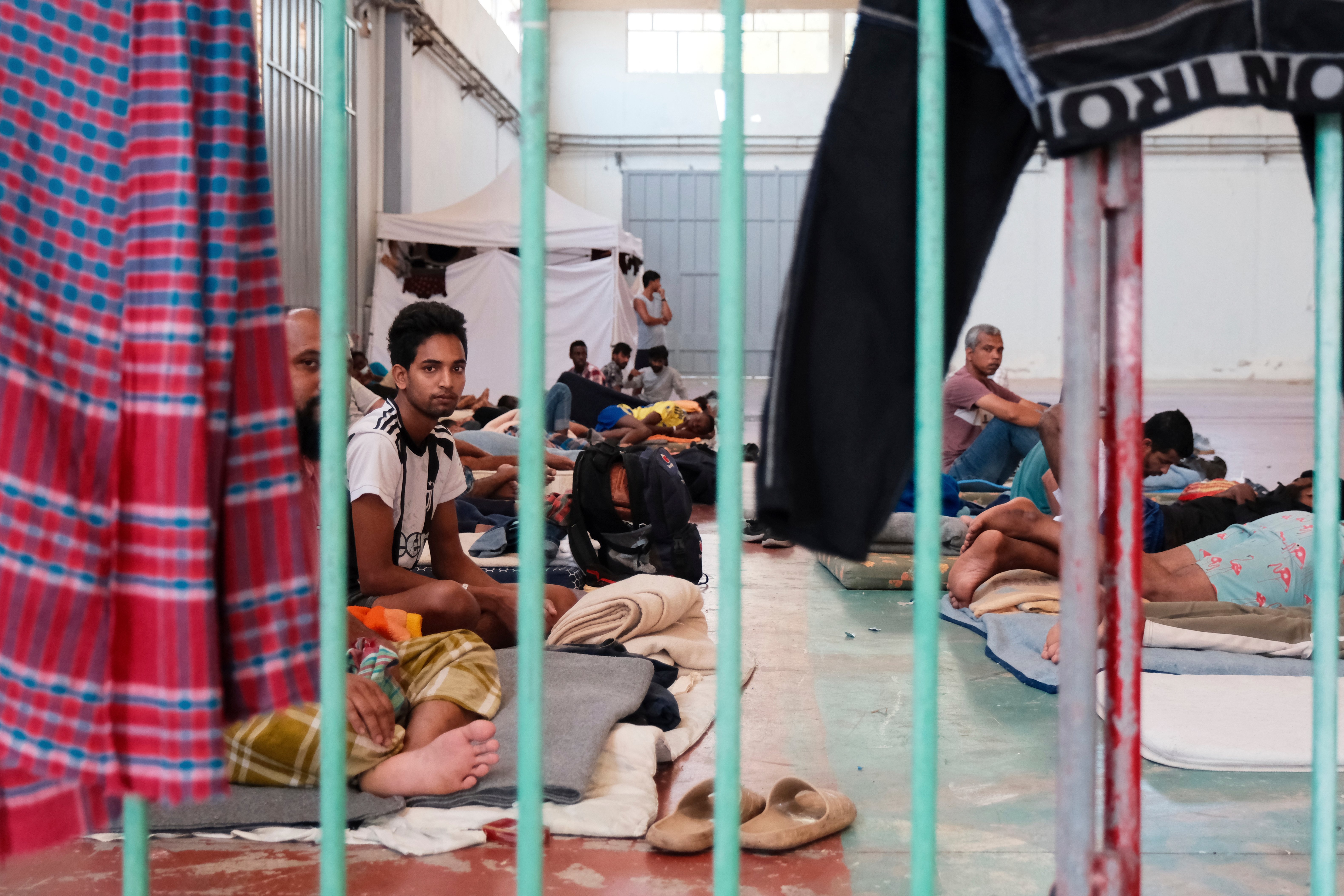
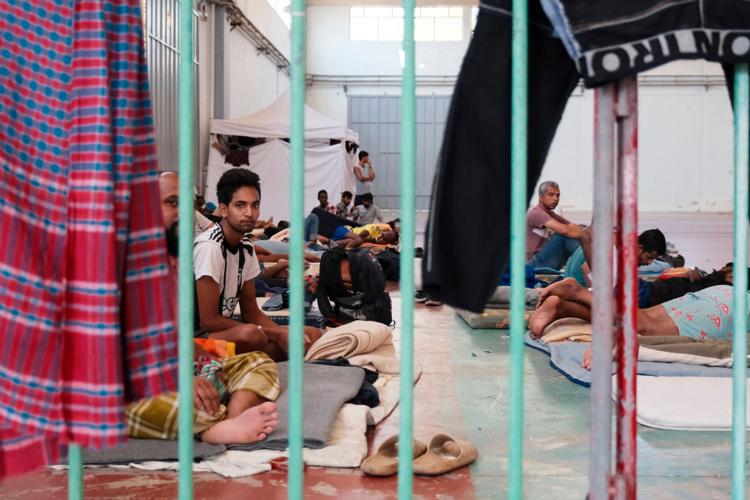
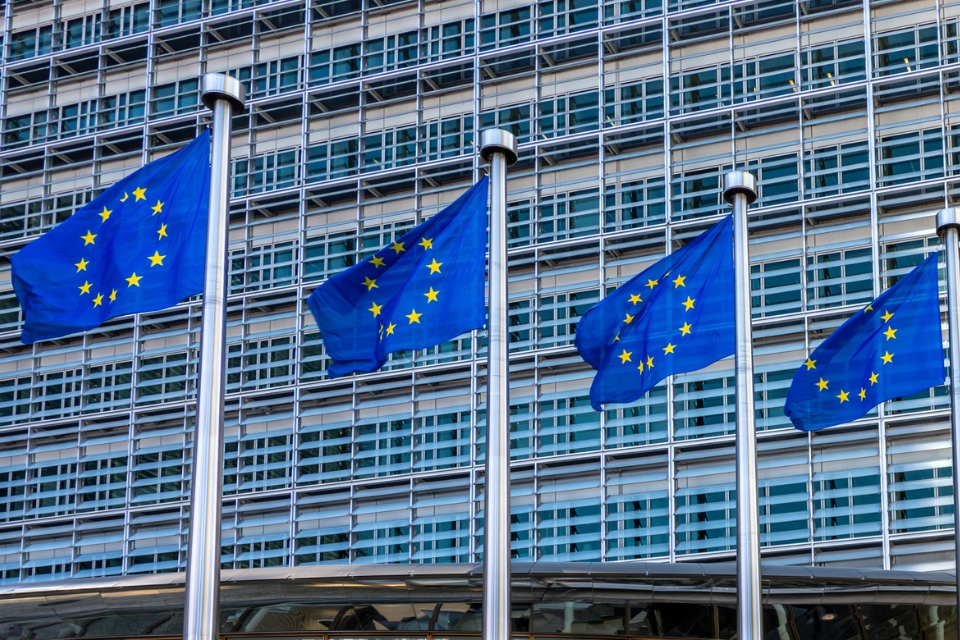
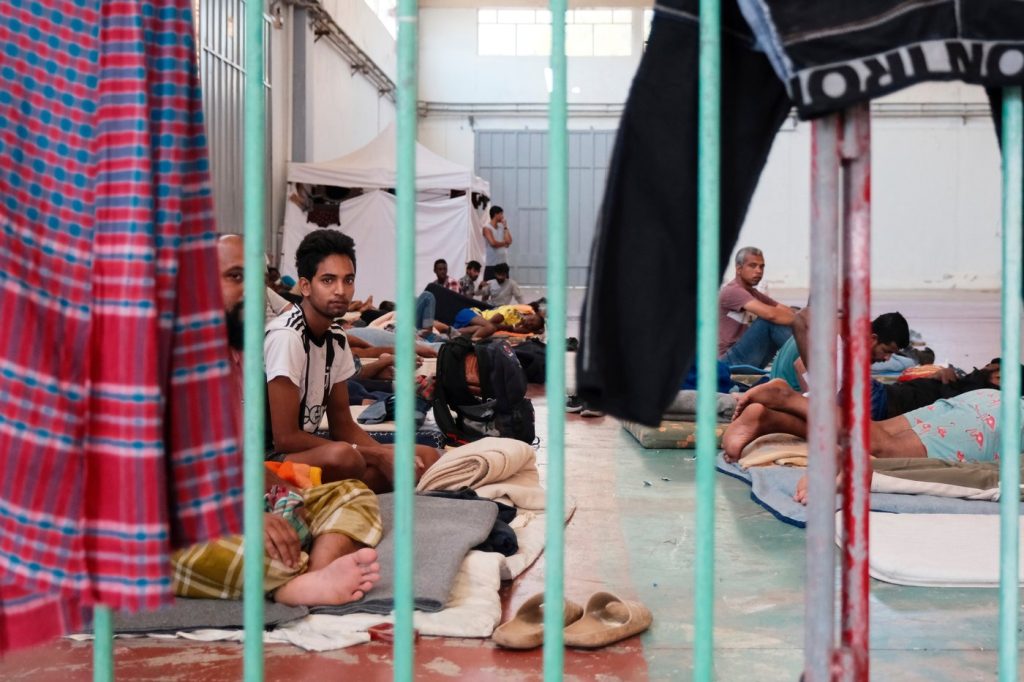
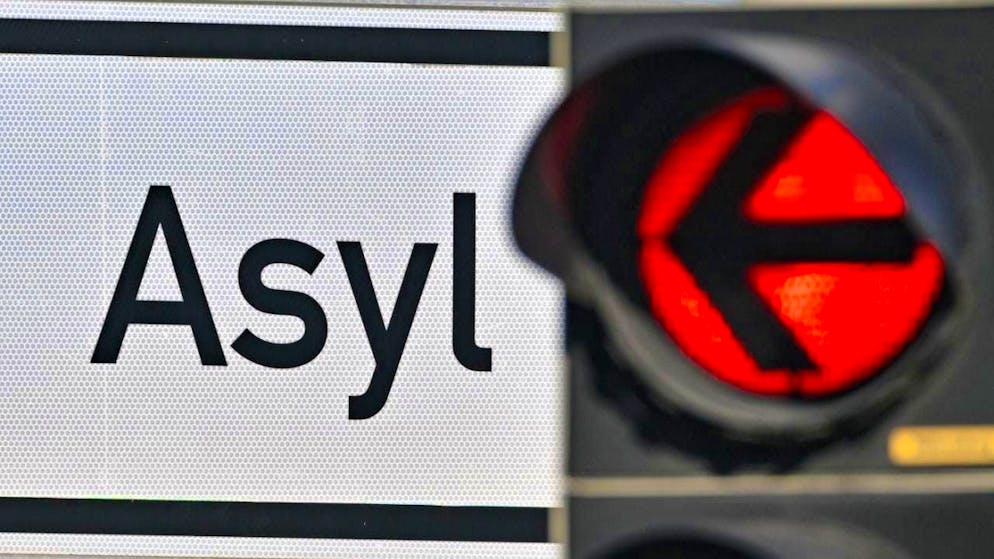
The European Union is executing a profound strategic pivot in migration management, transforming asylum processes from an open humanitarian framework to a meticulously controlled geopolitical filter. By decisively reducing asylum cases from seven countries deemed "safe" - including Colombia, Egypt, and India - the EU is signaling a fundamental reshaping of its migration architecture.
Strategic Recalibration of Humanitarian Borders: The policy represents more than a bureaucratic adjustment; it's a sophisticated geopolitical recalibration. By categorizing certain nations as "safe", the EU is creating a nuanced mechanism to streamline asylum processing while maintaining a veneer of humanitarian responsibility. The targeted countries have been carefully assessed based on internal political stability, human rights conditions, and overall security landscape.
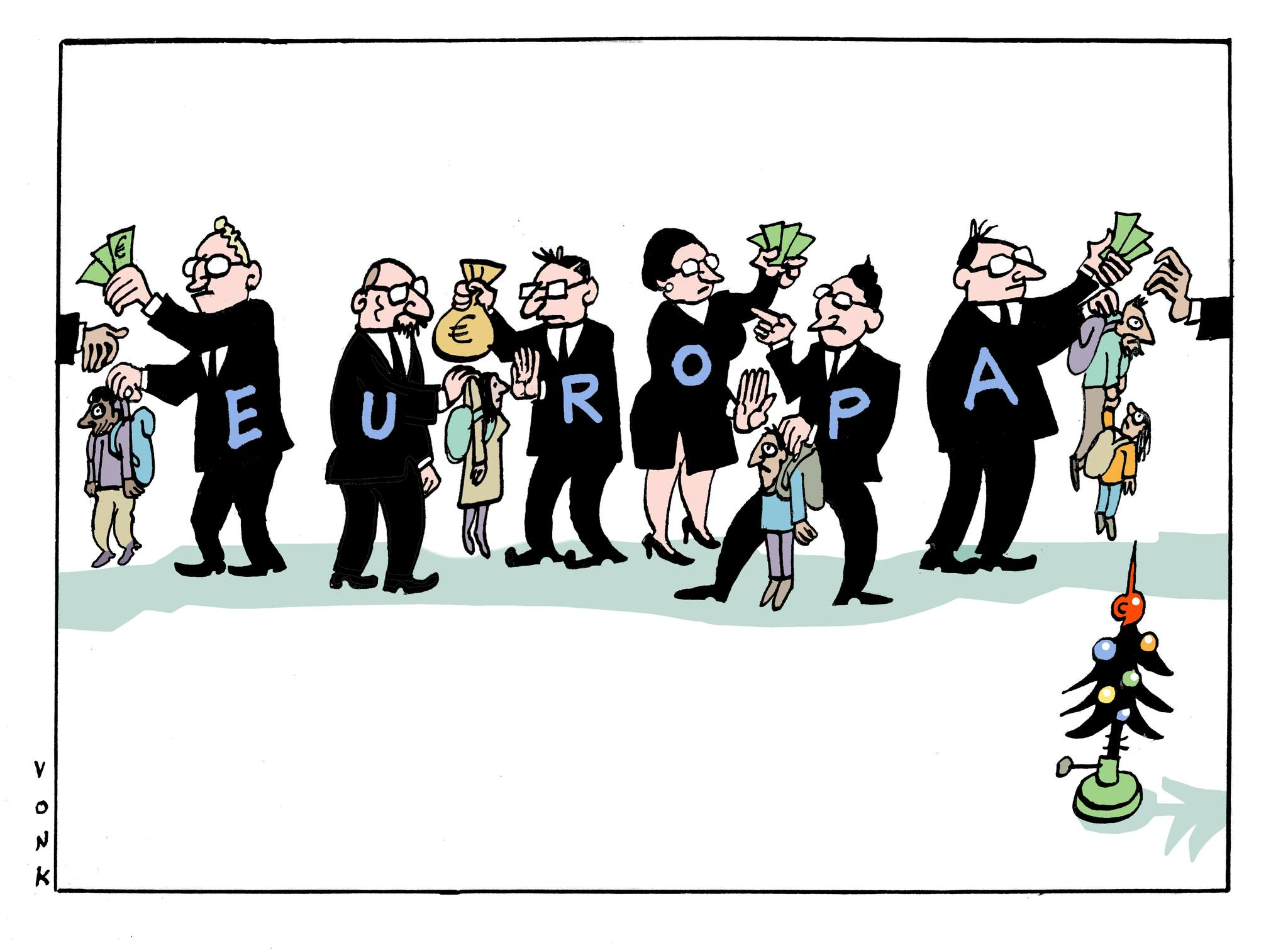
Controlled Immigration as Geopolitical Instrument: This approach reveals a deeper transformation in European migration strategy. The EU is no longer treating immigration as an unconditional humanitarian obligation, but as a strategic instrument of risk management. The move suggests a trend toward more stringent border control, where geopolitical calculations increasingly override traditional refugee protection frameworks. By expediting processing for "safe" countries and potentially redirecting resources toward more urgent humanitarian cases, the EU is creating a more selective, data-driven immigration model.
Diplomatic and Systemic Implications: The policy's significance extends far beyond immediate immigration processes. It signals a potential realignment of diplomatic relations with the identified countries and represents a fundamental shift in the EU's approach to international migration policy. Stakeholders, including human rights organizations and diplomatic missions, will closely monitor the implementation and potential cascading consequences.
The emerging paradigm suggests a future where migration is viewed through a complex lens of security, economic potential, and strategic risk—a departure from previous more universalist approaches. For policymakers and global observers, this represents a critical inflection point in understanding how developed regions are reimagining their relationship with global mobility.
Questions 3
What does the EU's new asylum policy mean for countries like Colombia, Egypt, and India?
These countries are now categorized as 'safe', which means significantly reduced asylum application opportunities. This classification suggests they are deemed politically stable enough that their citizens are less likely to qualify for refugee status, potentially impacting diplomatic relations and migration patterns.
What strategic considerations are driving the EU's more selective approach to asylum?
The EU is balancing humanitarian obligations with domestic political pressures, using data-driven risk assessment to create a more controlled immigration model. This approach allows for more targeted resource allocation and attempts to manage potential security and economic integration challenges.