

Fragile Peace Unfolding: M23 Rebels' Strategic Withdrawal from Uvira Signals Complex Regional Diplomacy
- US-mediated peace deal reveals intricate geopolitical tensions in Eastern Democratic Republic of Congo








Overview
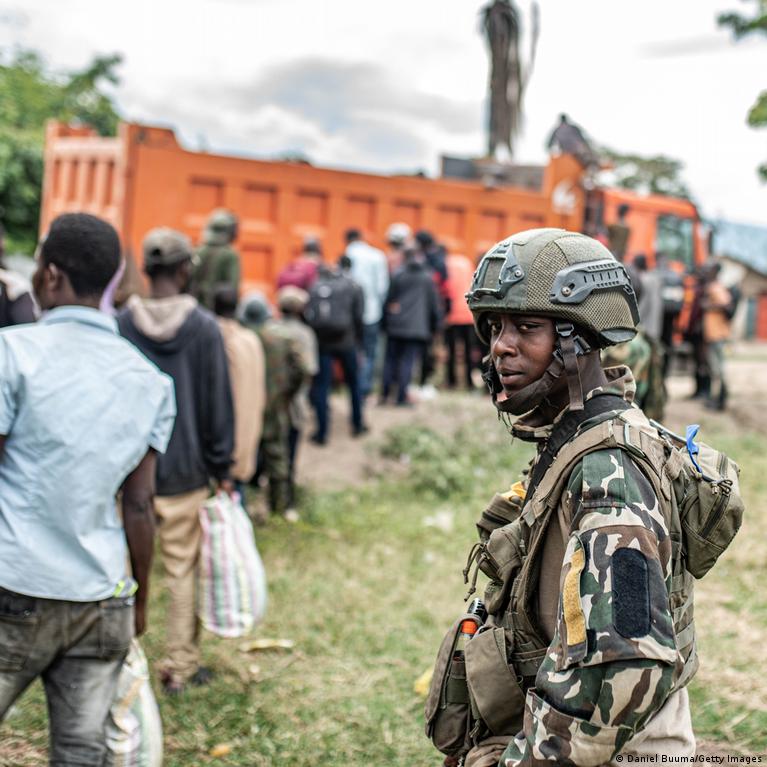
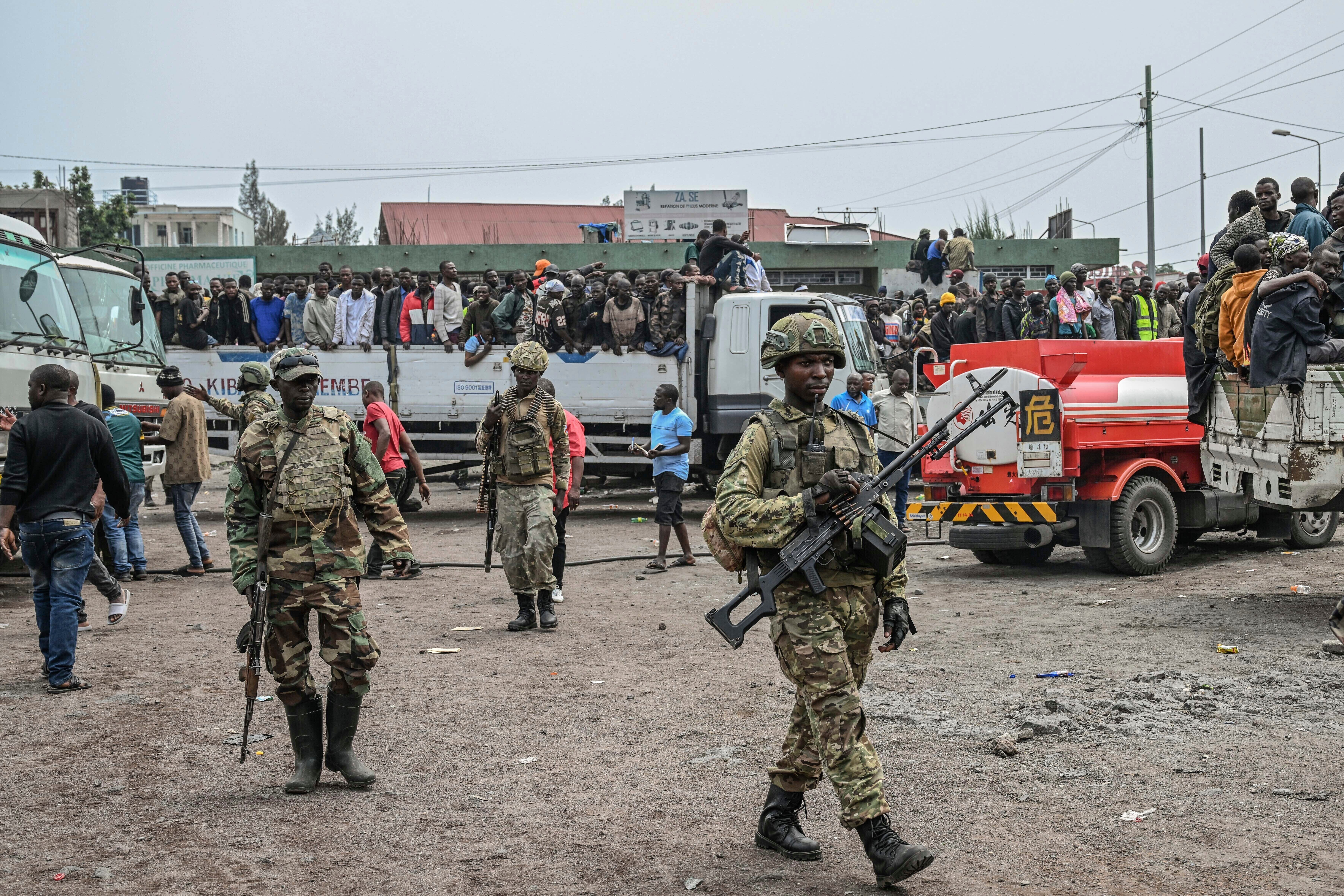
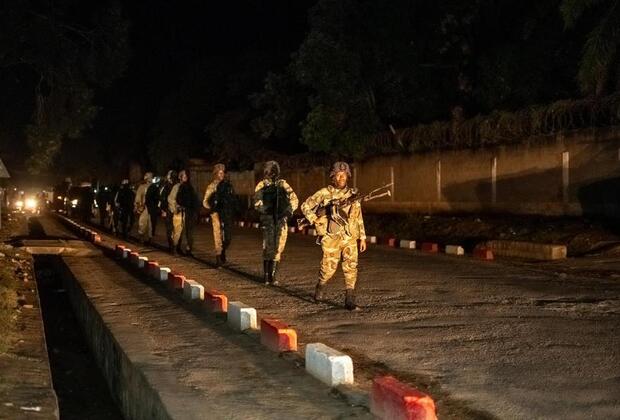
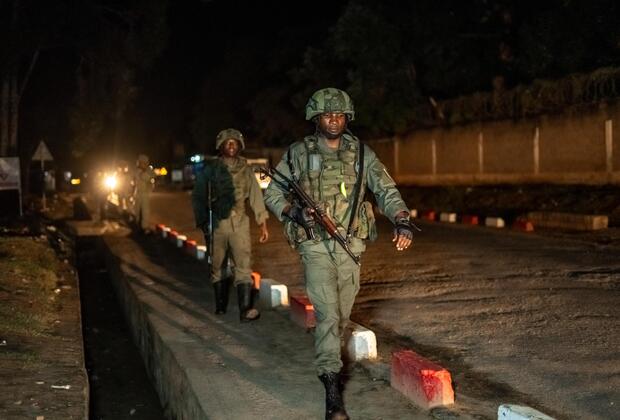
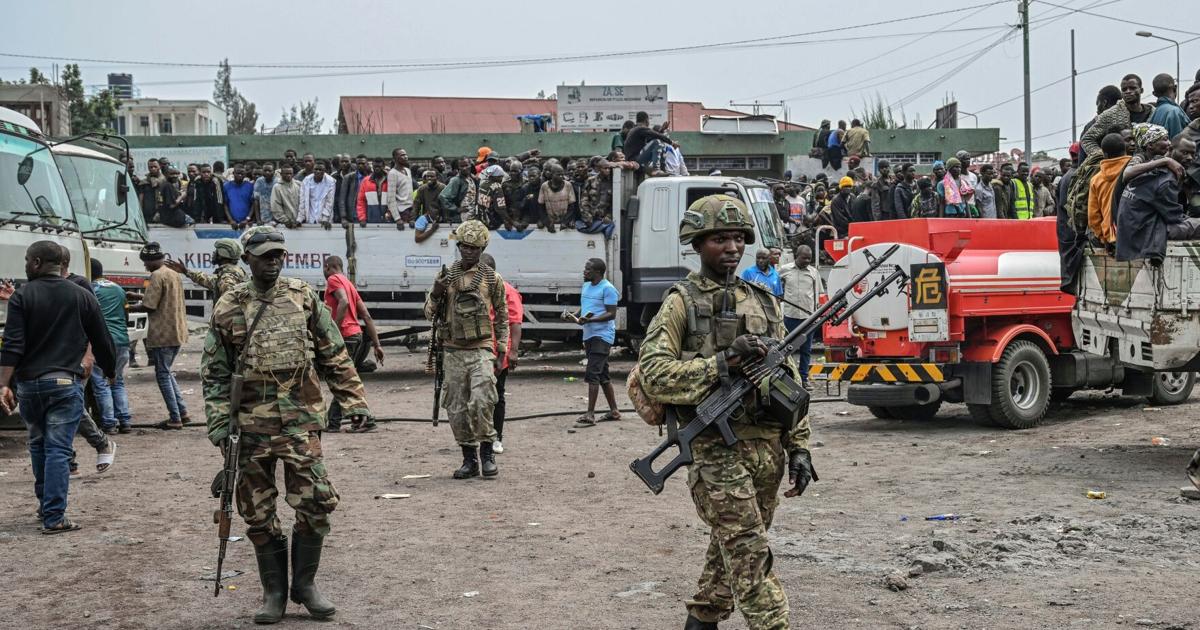
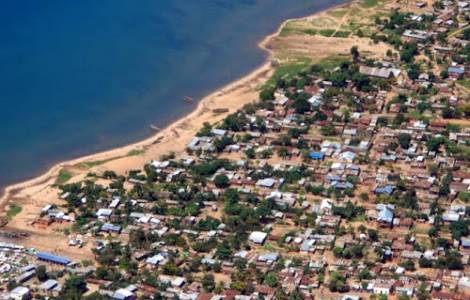
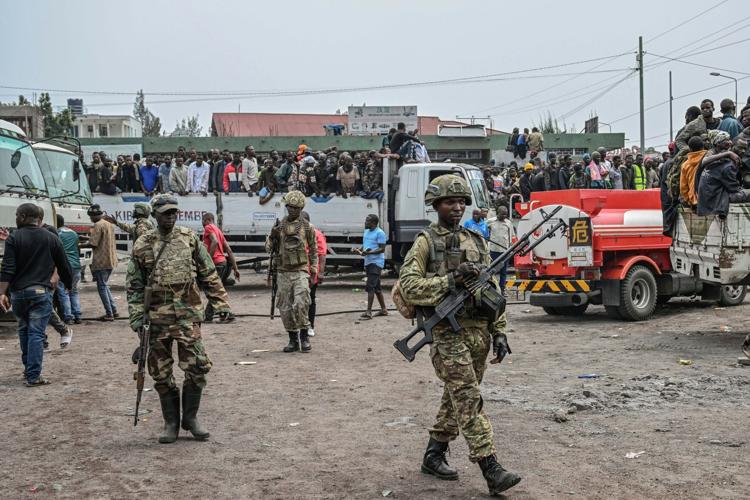
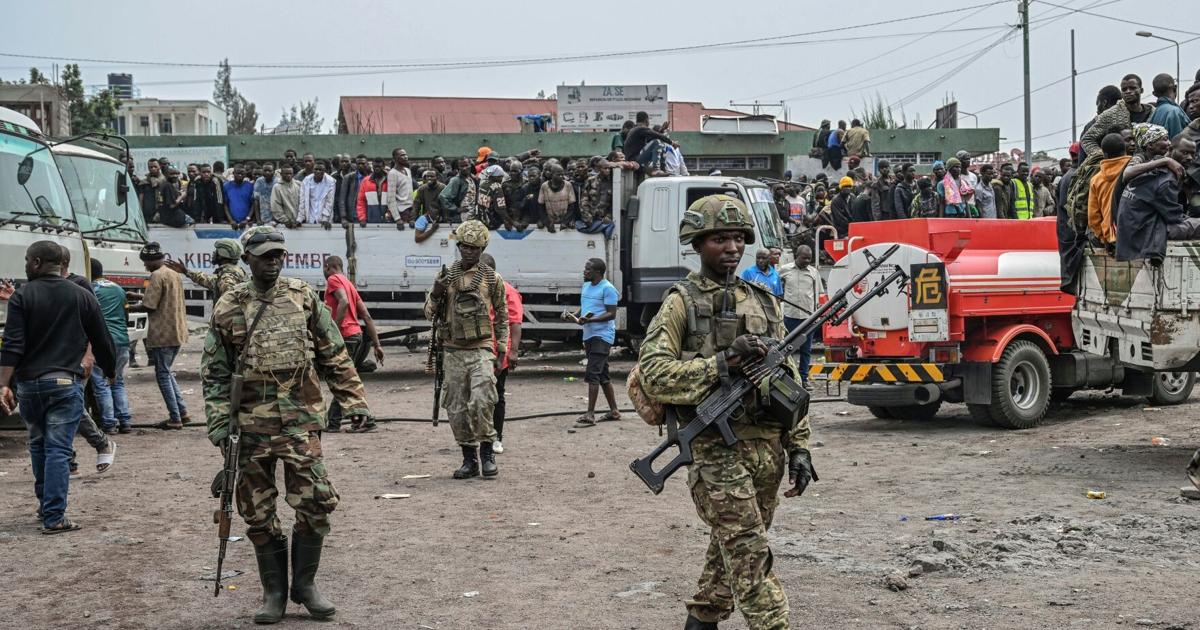
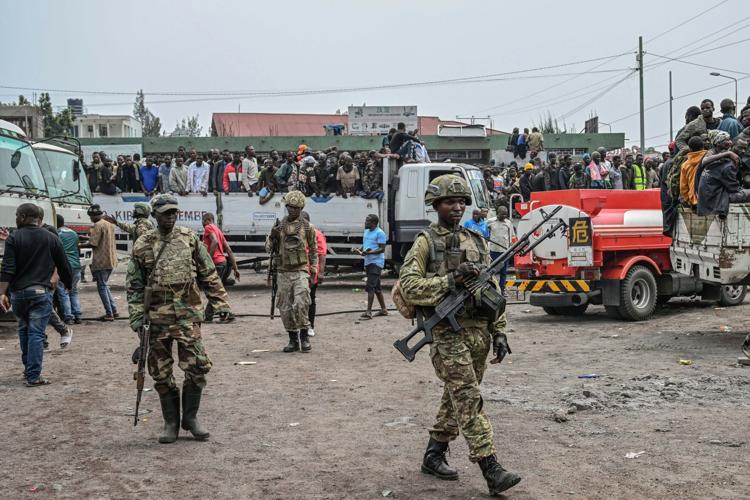
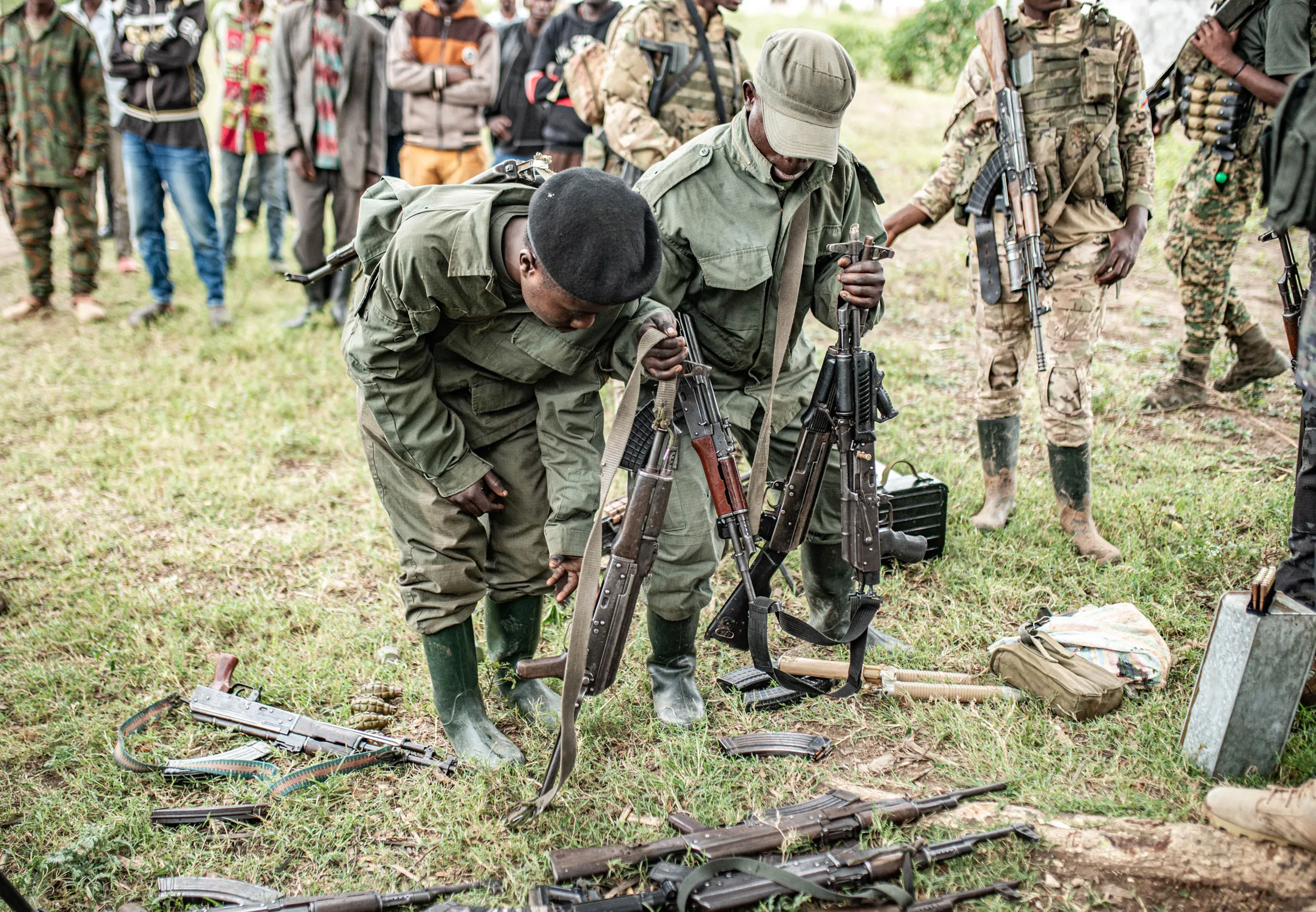
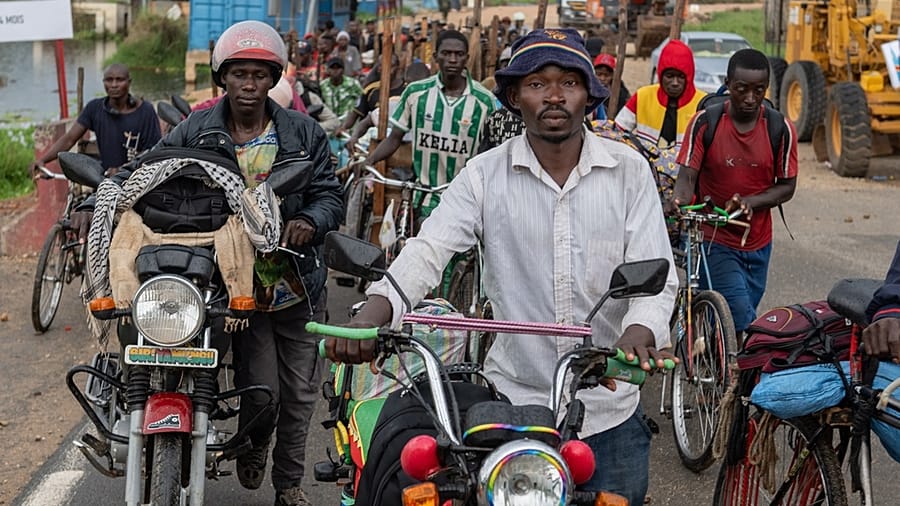
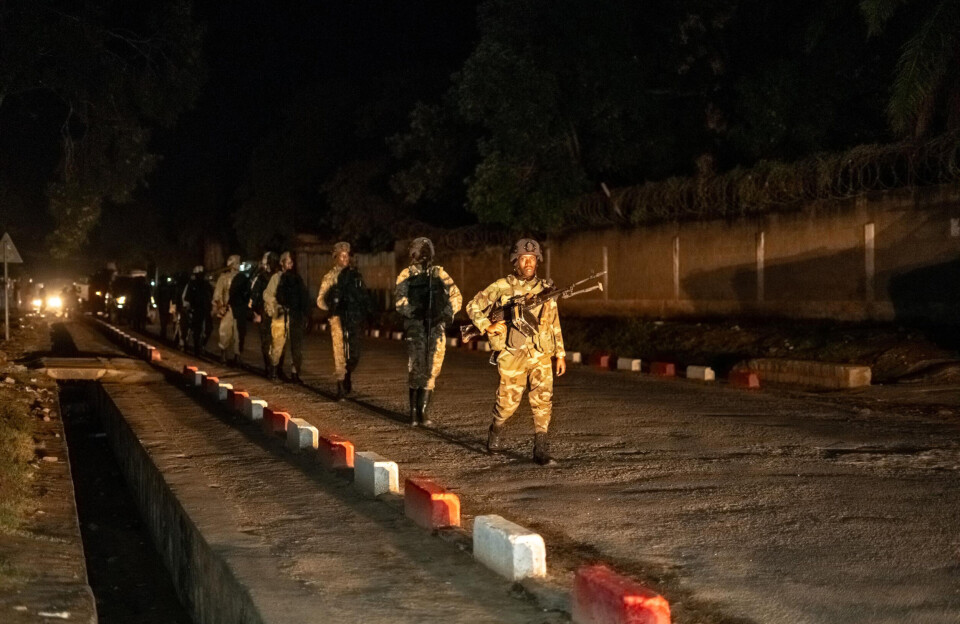
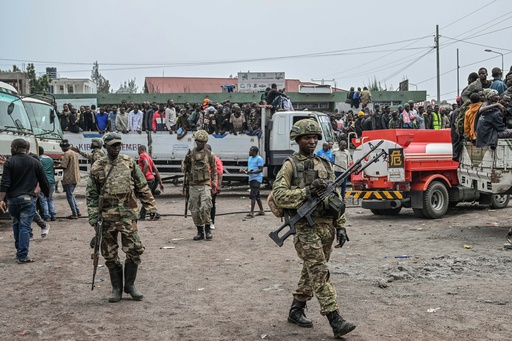
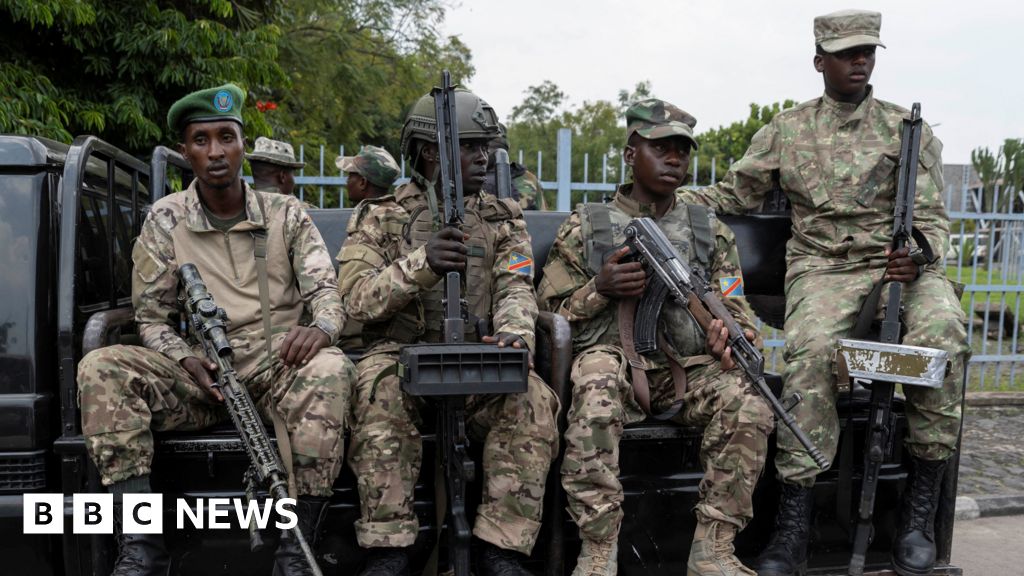
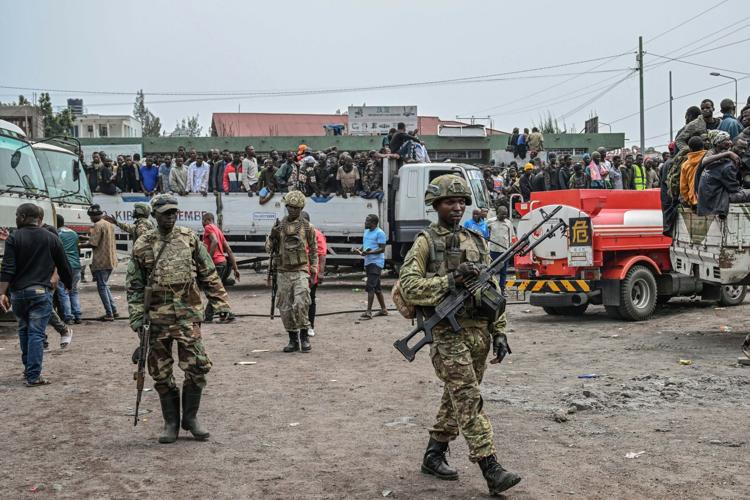
The strategic withdrawal of M23 rebels from Uvira represents a critical inflection point in the complex geopolitical landscape of Eastern Democratic Republic of Congo (DRC), revealing the delicate balance of regional diplomacy and international mediation. With over 200,000 people displaced and significant humanitarian disruption, this withdrawal is not merely a military repositioning but a nuanced diplomatic maneuver that underscores the fragility of peace in the region.
Diplomatic Pressure and Geopolitical Complexity emerge as the primary drivers of this development. The US-brokered peace deal between Rwandan President Paul Kagame and DRC's Felix Tshisekedi has created a diplomatic framework that challenges traditional conflict dynamics. Despite M23 leader Bertrand Bisimwa claiming the pullout is "for the sake of peace", the DRC government remains skeptical, describing the withdrawal as a potential "diversion" that requires careful verification.
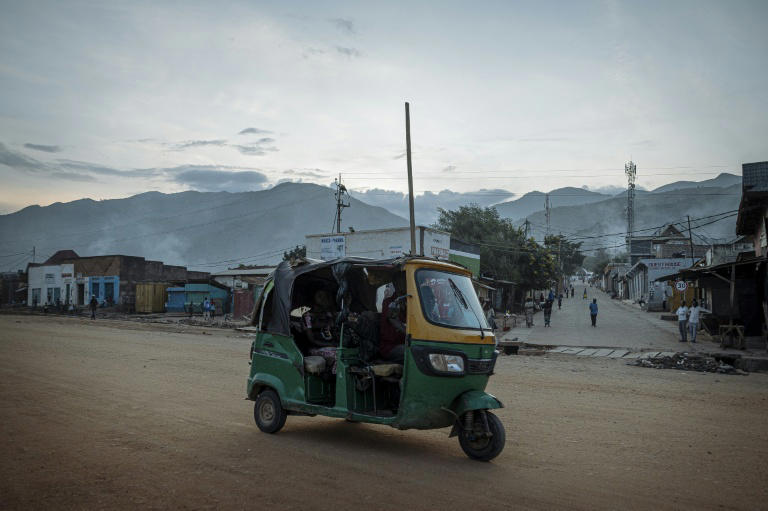
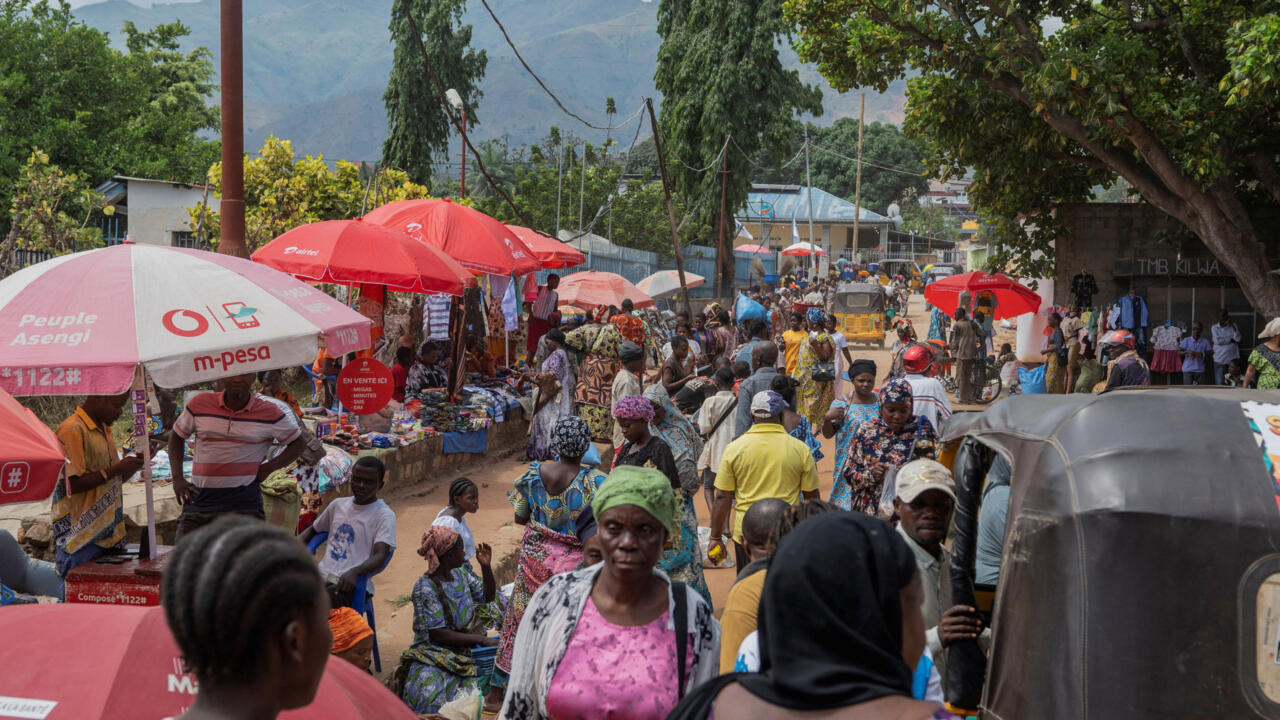
The underlying tensions remain profound. The US accusation of Rwandan rebel support adds a critical layer of international complexity, with Rwanda consistently denying these claims. Local residents in Uvira express mixed emotions—some cautiously optimistic about restored normalcy, others deeply apprehensive about potential future conflicts. The ongoing daily fighting across eastern regions, as emphasized by DRC army spokesperson Sylvain Ekenge, highlights that this withdrawal is more of a tactical repositioning than a definitive resolution.
International mediation emerges as the crucial stabilizing force. The December 4th Washington peace agreement, though not originally signed by the rebels, represents a potential diplomatic breakthrough. However, the situation remains fluid, with international observers closely monitoring compliance and potential future escalations. The demand for a neutral security force by M23 further underscores the complexity of establishing sustainable peace in a region long characterized by systemic instability.
For stakeholders and policymakers, this moment represents both a potential turning point and a precarious diplomatic challenge. The withdrawal signals the potential for negotiated solutions, but the underlying geopolitical fractures remain unresolved, demanding continued sophisticated diplomatic engagement.
Questions 3
What are the potential risks of this withdrawal?
Despite the withdrawal, significant risks remain. Ongoing daily fighting in eastern regions, unresolved tensions between M23 and the DRC government, and the complex geopolitical dynamics involving Rwanda suggest that this is more a tactical pause than a definitive peace resolution.
Why are the M23 rebels withdrawing from Uvira?
The withdrawal stems from multiple factors: intense international diplomatic pressure, a US-brokered peace deal, and strategic repositioning. While M23 claims it's 'for the sake of peace', the DRC government remains skeptical, viewing it potentially as a tactical maneuver rather than a genuine de-escalation.