



The Persistent Shadow of ISIS Global Networks
- Decentralized Terror Adapts Beyond Territorial Boundaries






















Overview
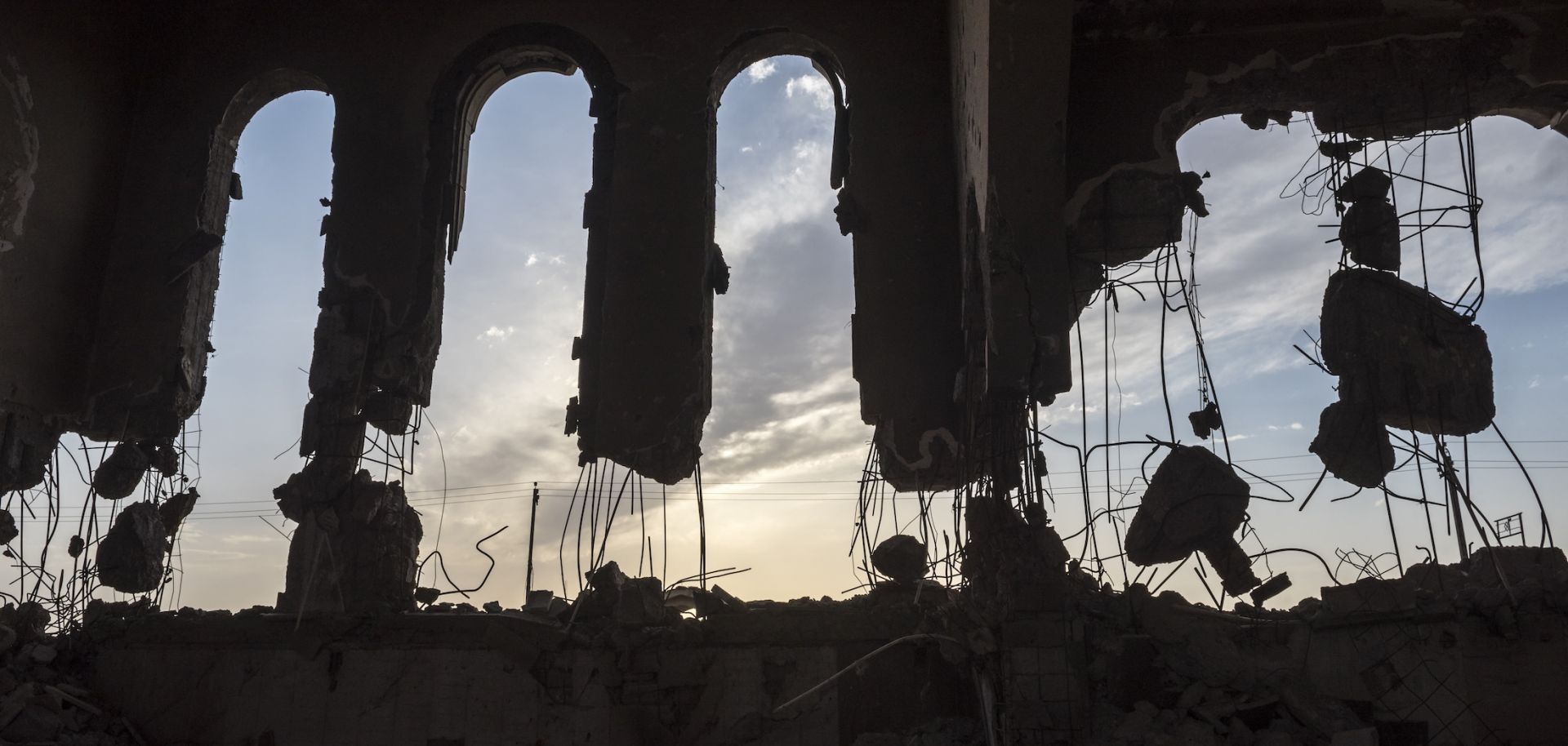
ISIS has transformed from a territorial caliphate into a decentralized global network, demonstrating remarkable resilience in the face of sustained counterterrorism efforts. The recent violent incidents in Syria and Australia reveal a sophisticated adaptation strategy that transcends traditional military defeat.
Tactical Metamorphosis is the core of ISIS's survival strategy. Since losing its physical territories in 2017, the organization has pivoted from centralized control to a distributed insurgency model. The UN estimates approximately 10,000 members spread across multiple regions, including Syria, Iraq, parts of Africa, Afghanistan, and Pakistan. This structural flexibility allows ISIS to maintain operational capabilities through affiliate networks and ideological propaganda.
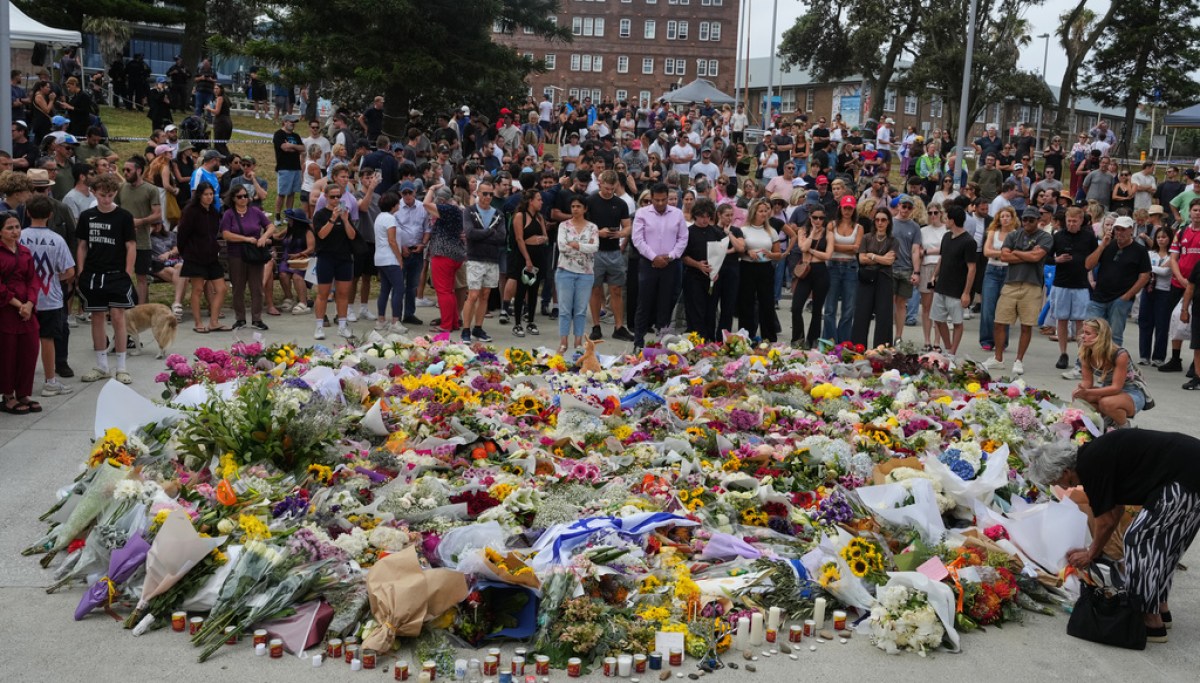
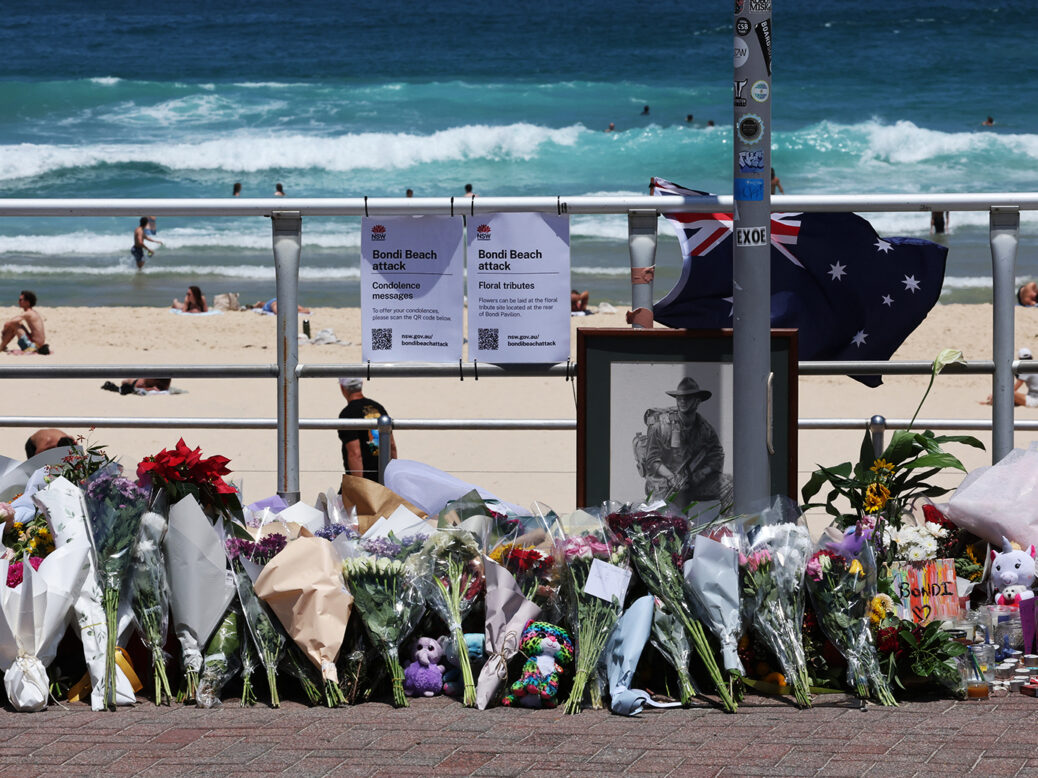
The geographical dispersion of ISIS is particularly noteworthy. Regions like the southern Philippines, specifically Mindanao, have become critical nodes in their operational network. Groups such as Abu Sayyaf have pledged loyalty, creating a resilient infrastructure that enables sporadic but impactful attacks. The recent incidents—including the killing of U.S. soldiers in Syria and the mass shooting in Sydney—demonstrate the group's ability to inspire and potentially coordinate violence across continents.
Propaganda and recruitment remain key instruments of ISIS's survival. Despite losing its physical caliphate, the organization maintains approximately 2,500 fighters in Syria and Iraq, continuously disseminating messaging through social media platforms. The ongoing conflicts in regions like Gaza provide additional recruitment contexts, allowing ISIS to maintain a steady stream of potential sympathizers.
The most alarming aspect is not ISIS's current capabilities, but its adaptive potential. Experts like Aaron Zelin emphasize that the group "never gives up," utilizing any available means to pursue its objectives. Law enforcement's preventative arrests and plot disruptions have reduced attack frequencies, but the decentralized structure ensures that the ideological threat persists.
Strategic implications are clear: counterterrorism efforts must evolve beyond traditional military interventions, focusing instead on disrupting propaganda networks, preventing radicalization, and understanding the complex geopolitical contexts that enable such movements to regenerate.
Questions 3
Are global counterterrorism efforts effectively addressing the ISIS threat?
Current efforts have reduced ISIS's attack frequency, but haven't fundamentally disrupted its ideological infrastructure. The focus needs to shift from military interventions to comprehensive strategies targeting propaganda networks, preventing radicalization, and understanding complex geopolitical recruitment contexts.
What makes ISIS's current model of operation dangerous?
The decentralized structure means ISIS can inspire lone-wolf attacks across multiple continents without requiring direct organizational control. With approximately 2,500 fighters and extensive social media propaganda networks, they can potentially radicalize individuals in diverse geopolitical contexts.