





UK's Monetary Crossroads: How the Bank of England's Rate Cut Reshapes Economic Strategies
- A Delicate Balancing Act Signals Potential Transformation for Cross-Border Financial Dynamics































Overview
The Bank of England's latest monetary maneuver represents a pivotal moment in the UK's economic landscape, signaling a nuanced approach to navigating complex financial challenges. By cutting interest rates to 3.75% - the lowest level in nearly three years - the central bank has revealed a strategic response to persistent economic uncertainties.
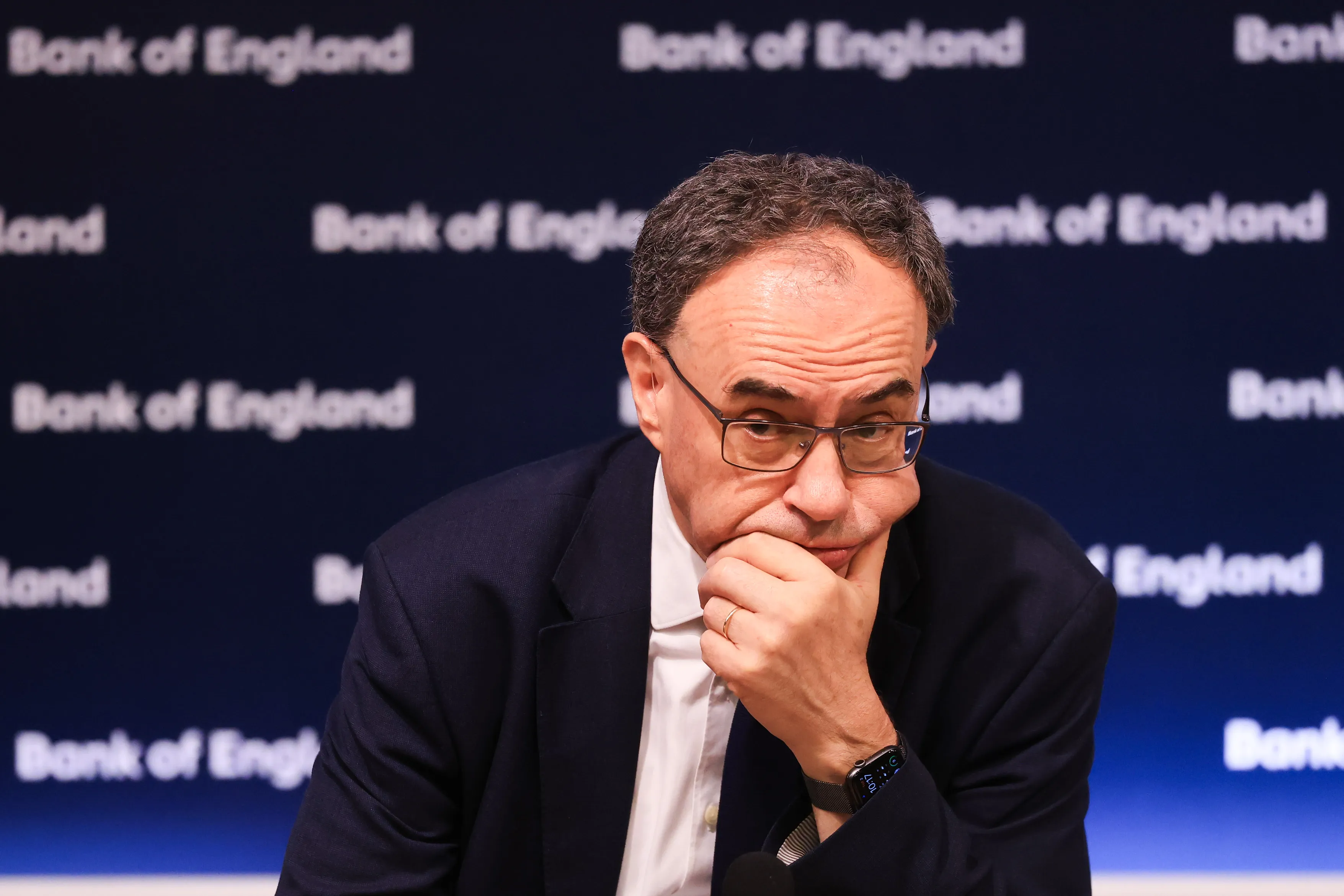
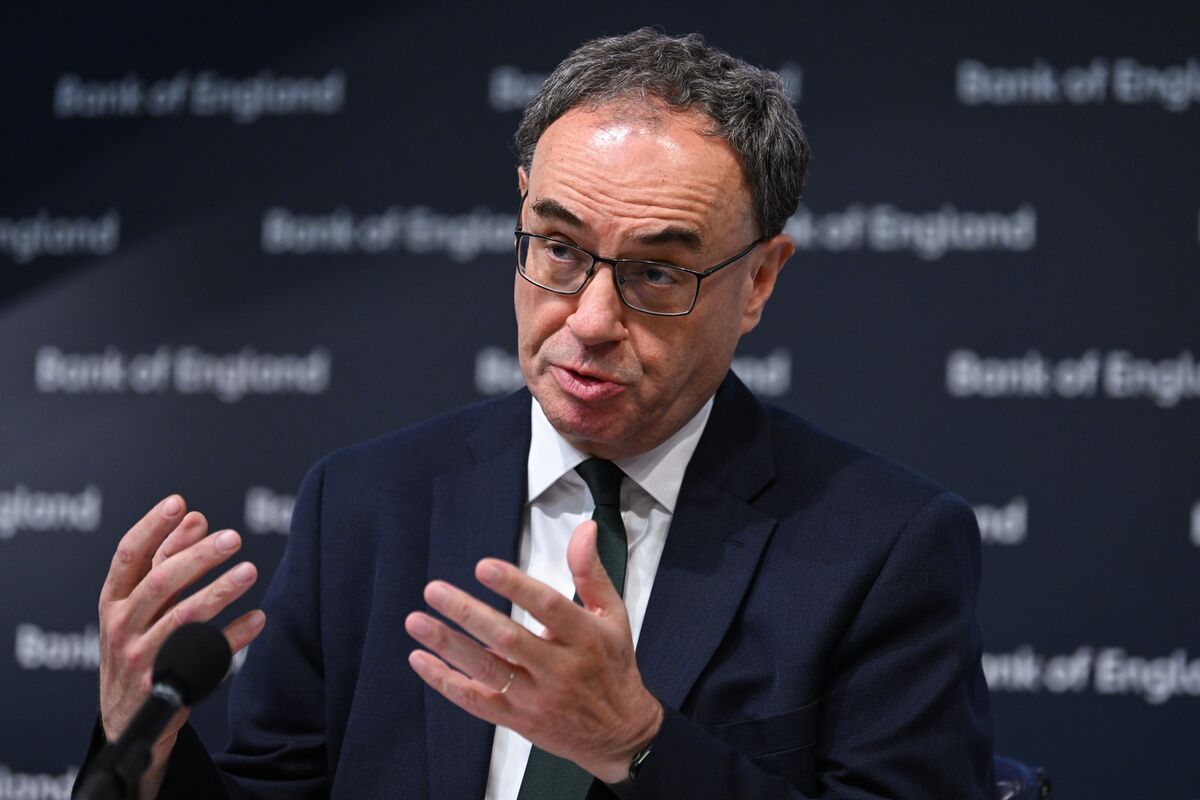
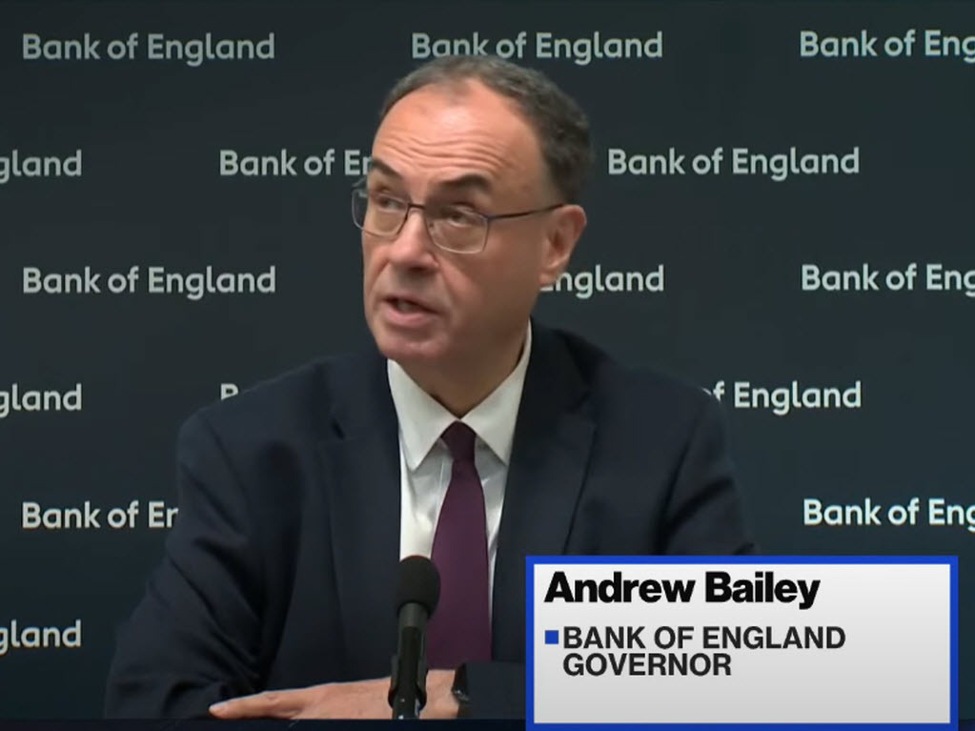
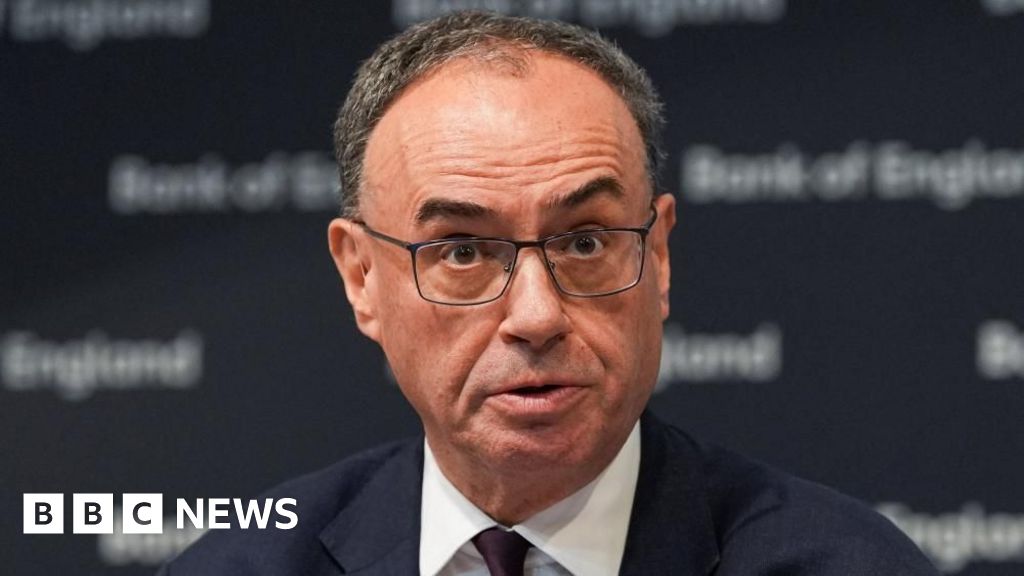
The rate cut, decided through a razor-thin 5-4 vote, reflects the intricate economic dynamics facing the UK. Governor Andrew Bailey's decisive vote highlights the delicate balance between stimulating economic growth and managing inflationary pressures. This move comes against a backdrop of falling inflation - now at 3.2% in November, down from 3.6% previously - and concerns about weak economic growth.
For cross-border financial strategists, this development presents a multifaceted opportunity landscape. The reduced borrowing costs create potential advantages for international sellers and investors, particularly those operating in or targeting the UK market. The BOE's cautious approach suggests a calculated strategy of gradual monetary easing, with hints of potential further rate reductions in the coming months.
The divergence between the Bank of England and the European Central Bank's monetary policies adds another layer of complexity. While the BOE moves to stimulate economic activity, the ECB's steady rate approach creates interesting arbitrage opportunities and requires sophisticated financial navigation. This monetary policy divergence could impact currency exchange rates, operational costs, and international trade dynamics.
Critically, the underlying economic indicators tell a nuanced story. Despite rising unemployment, wage growth remains surprisingly robust, complicating the BOE's decision-making process. This unexpected labor market scenario suggests a more complex economic environment than traditional models predict, demanding adaptive strategies from financial professionals.
Questions 3
How does the BOE's approach differ from the European Central Bank's current strategy?
While the BOE is pursuing a path of gradual monetary easing by cutting rates, the ECB is maintaining steady rates. This divergence creates a complex landscape for international financial strategies, potentially offering arbitrage opportunities for sophisticated investors.
What are the immediate implications of the Bank of England's rate cut for cross-border sellers?
The rate cut potentially reduces borrowing costs, creates more favorable market conditions for business expansion, and might stimulate consumer spending. However, sellers should closely monitor currency exchange rates and be prepared for potential market volatility.