





Bank of England's Strategic Rate Cut: A Delicate Economic Balancing Act
- Navigating Inflation and Labor Market Complexities for Cross-Border Financial Strategies





































Overview
The Bank of England's latest monetary policy move reveals a nuanced approach to economic management that carries profound implications for cross-border financial strategies. By cutting interest rates to 3.75%, the central bank has signaled a carefully calibrated response to the UK's complex economic landscape, balancing multiple competing priorities.
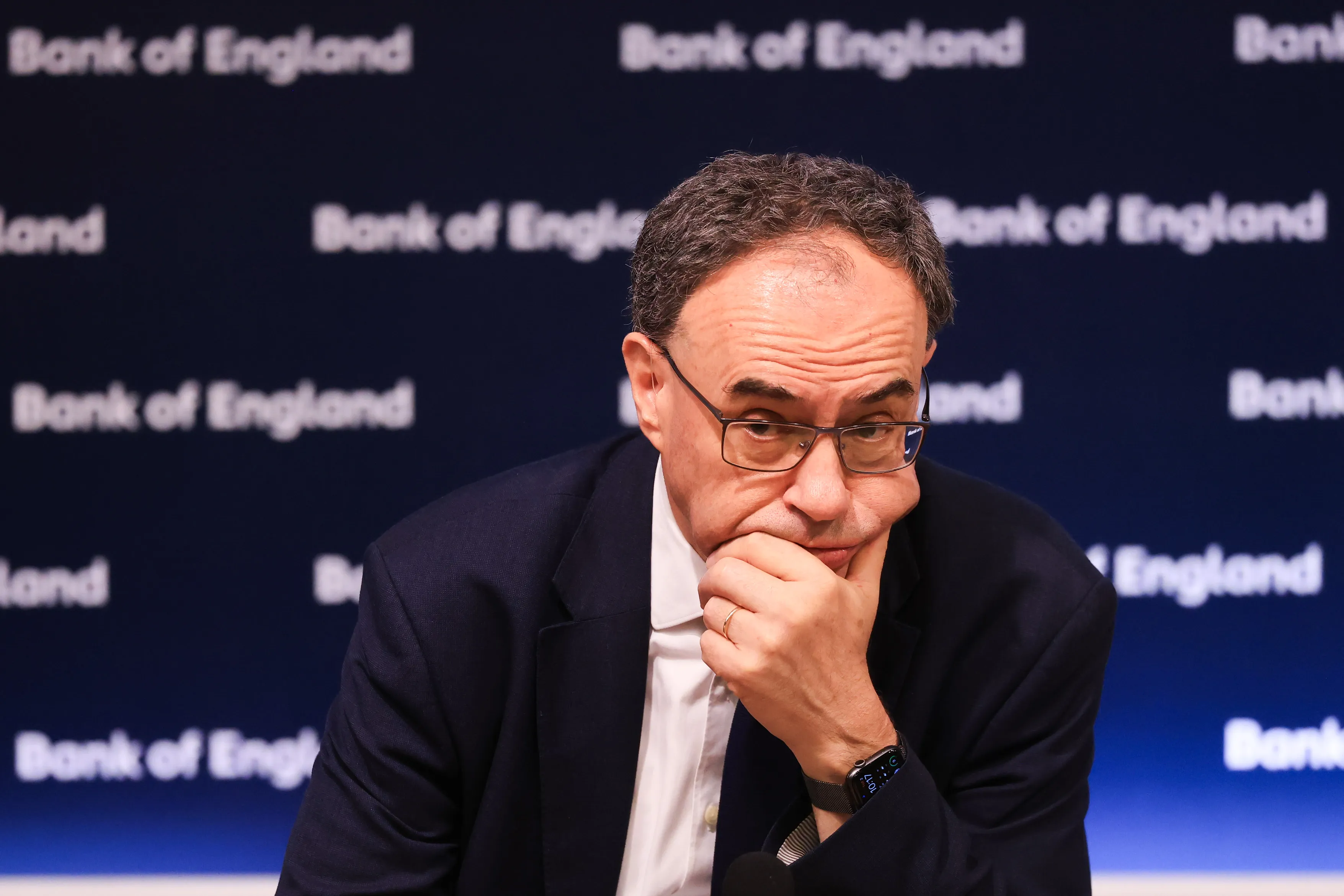
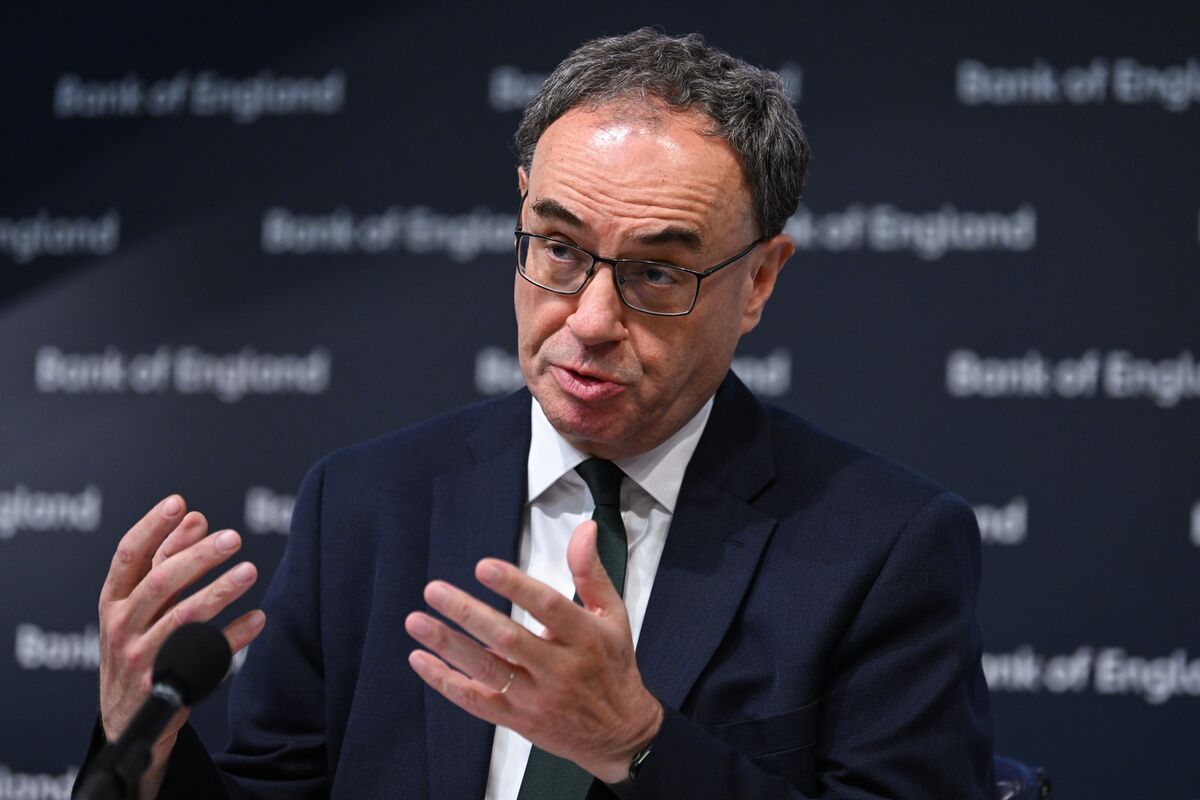
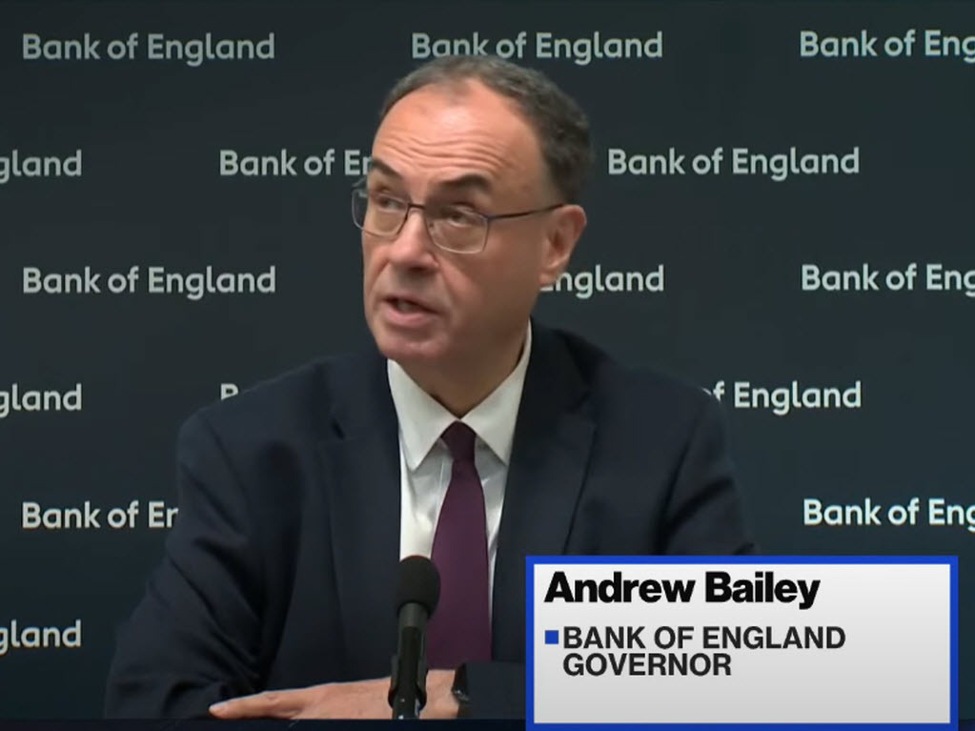
Monetary policy dynamics are particularly intricate in this decision. Governor Andrew Bailey broke a divided vote, casting the decisive fifth vote for rate reduction amid a backdrop of slowing inflation and a uniquely challenging labor market. Consumer prices have decelerated to 3.2% in November, down from 3.6% previously, providing some breathing room for economic planners.
The most fascinating aspect is the labor market paradox. Despite rising unemployment, wage growth remains stubbornly high—a trend that complicates traditional economic models. This unexpected scenario has made the Bank of England exceptionally cautious, suggesting that each subsequent rate cut will require meticulous deliberation. For cross-border e-commerce sellers, this signals a need for adaptive financial strategies.
The rate cut's implications extend beyond domestic boundaries. Currency exchange rates and international trade conditions will likely experience subtle but meaningful shifts. Lower borrowing costs could stimulate economic activity, potentially creating more favorable conditions for cross-border commerce. However, the persistent wage inflation suggests operational costs in the UK market might remain elevated, requiring sellers to carefully recalibrate pricing and margin strategies.
Critically, the Bank of England's approach differs markedly from the European Central Bank, which has maintained its current rates. This divergence highlights the complex, region-specific economic landscapes that international businesses must navigate. The BOE's forward-looking statements hint at potential further monetary easing, indicating a strategic commitment to supporting economic growth while managing inflationary risks.
For cross-border financial strategists, the key takeaway is adaptability. The economic environment demands continuous monitoring of monetary policy indicators, currency fluctuations, and regional economic nuances. Success will depend on the ability to quickly adjust financial models and operational strategies in response to these intricate, evolving dynamics.
Questions 3
How will the Bank of England's rate cut impact cross-border e-commerce sellers?
The rate cut could lead to reduced borrowing costs and potentially more attractive business expansion opportunities. However, sellers should be cautious about potential currency exchange fluctuations and sustained high operational costs in the UK market. Adaptive pricing and careful financial planning will be crucial.
How does the BOE's approach differ from other central banks?
Unlike the European Central Bank, which has maintained current rates, the Bank of England is pursuing a more active monetary policy with gradual rate reductions. This divergence reflects the unique economic challenges in the UK, including complex labor market dynamics and ongoing inflation management efforts.